
AC Installation in Texas
Homes in Texas run cooling for more months of the year than in 45 of the other 49 states.
Tell us about the job
Takes about a minute. No obligation.
- 94°Fsummer afternoon high where people live
- 7 monthsof cooling, April through October
- 14.94¢ per kWhwhat homes paid for power in 2024 (kWh means kilowatt hours, the unit on an electric bill)
- 12,619hail events from 2015 to 2024
What does an AC in Texas face?
How hot do summer afternoons get?
94°Faverage afternoon high where people live
Alaska66°F
Arizona101°F
How many months does the cooling run?
7 monthsof cooling a year
Alaska0 months
Hawaii12 months
What does electricity cost?
14.94¢per kWh, what homes paid in 2024
North Dakota11.51¢
Hawaii42.86¢
How often do storms hit?
292severe weather events per county from 2015 to 2024
Alaska5
Wyoming1,057
How many homes lost power for a day or more?
33%of homes in 2024
Arizona7%
Maine54%
What to ask before you choose
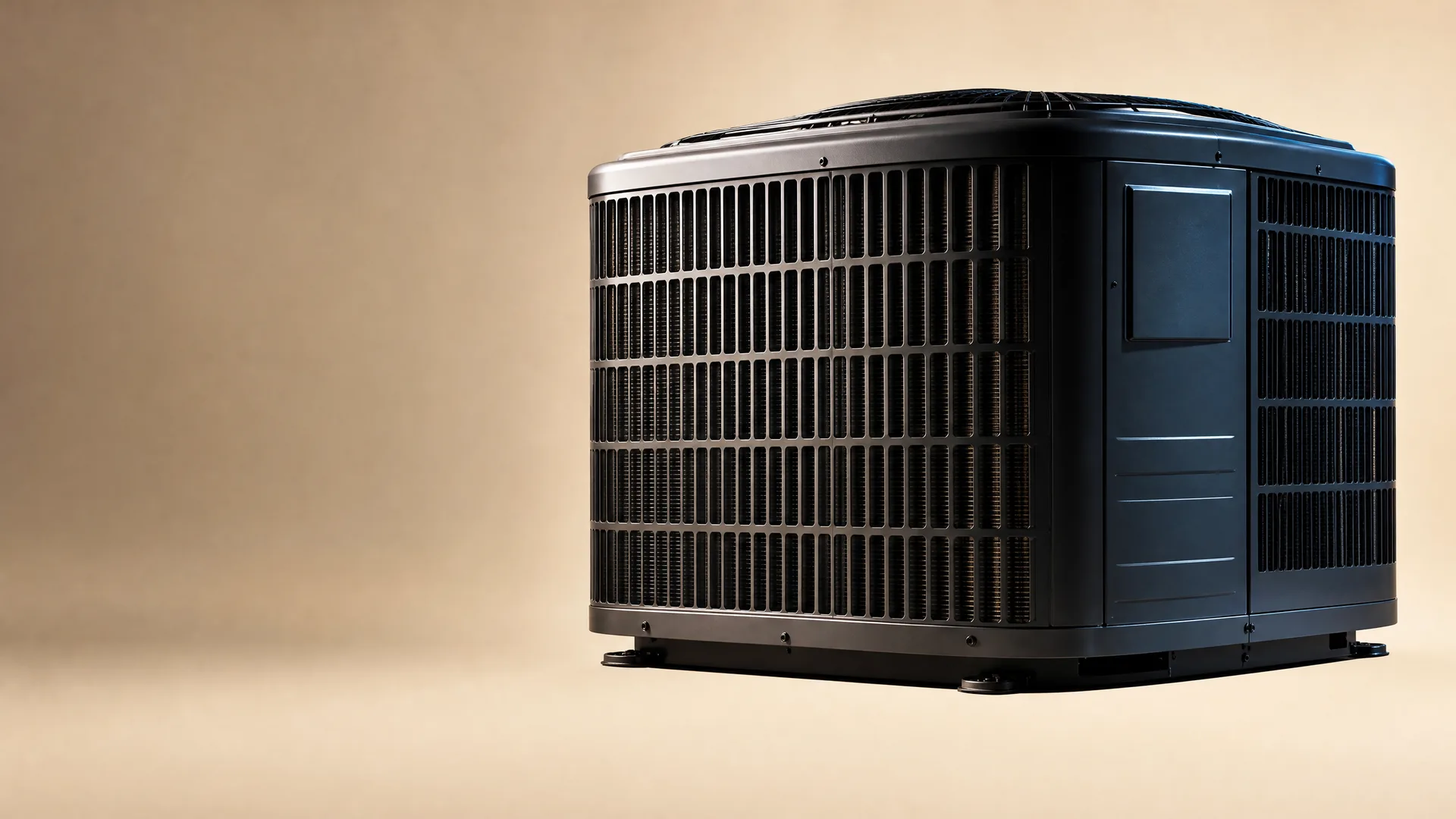
Ask how they arrived at the size of the unit. A contractor should size the system to the house, the windows, the insulation, the layout, not just install whatever matches the old equipment. Too big and it cools the air fast but never runs long enough to pull the moisture out, so the house feels damp. Too small and it runs constantly trying to catch up. Ask about the SEER2 (seasonal energy efficiency ratio under the 2023 test, an AC's cooling efficiency over a season) rating and what it means for your situation, since that number is about efficiency, not cooling power. Ask what happens to the ductwork. New equipment moving air through old, leaky or undersized ducts will never perform the way it should, so a straight swap on the equipment isn't always the right call. Ask what refrigerant the system uses and whether a tech can still get parts and service for it years from now. And ask what the warranty actually covers, the compressor, the coil, the labor to replace them, because those terms vary between manufacturers and matter more once the equipment has some age on it.
Most Texas homes, 61.2% of them, heat with electricity, far more than gas or any other fuel.
If your home already runs on electric heat, an electric AC install pairs with equipment you already have rather than adding a different fuel system.

Get it done before the heat sets in
March, not a heat wave, is when this works best
Texas homes run their AC from April through October, longer than in 45 other states. That is most of the year asking the system to work, so it is worth having it sized and installed right the first time. Have it done in March, before the heat starts, and a contractor can take the time to size the unit to your house, look at the ductwork, and test everything properly. Wait until the house is already hot and that same job gets done under pressure, with you needing it running again as fast as possible.
Summers push an AC harder here. Seven months of cooling, afternoons near 94°F.
- Southern counties need about 27% more cooling than northern ones
- Summer afternoons average 94°F where people live
- Cooling runs April through October
- 12,619 hail events from 2015 to 2024
- 11,436 damaging wind events from 2015 to 2024
- 33% of homes lost power a day or more in 2024
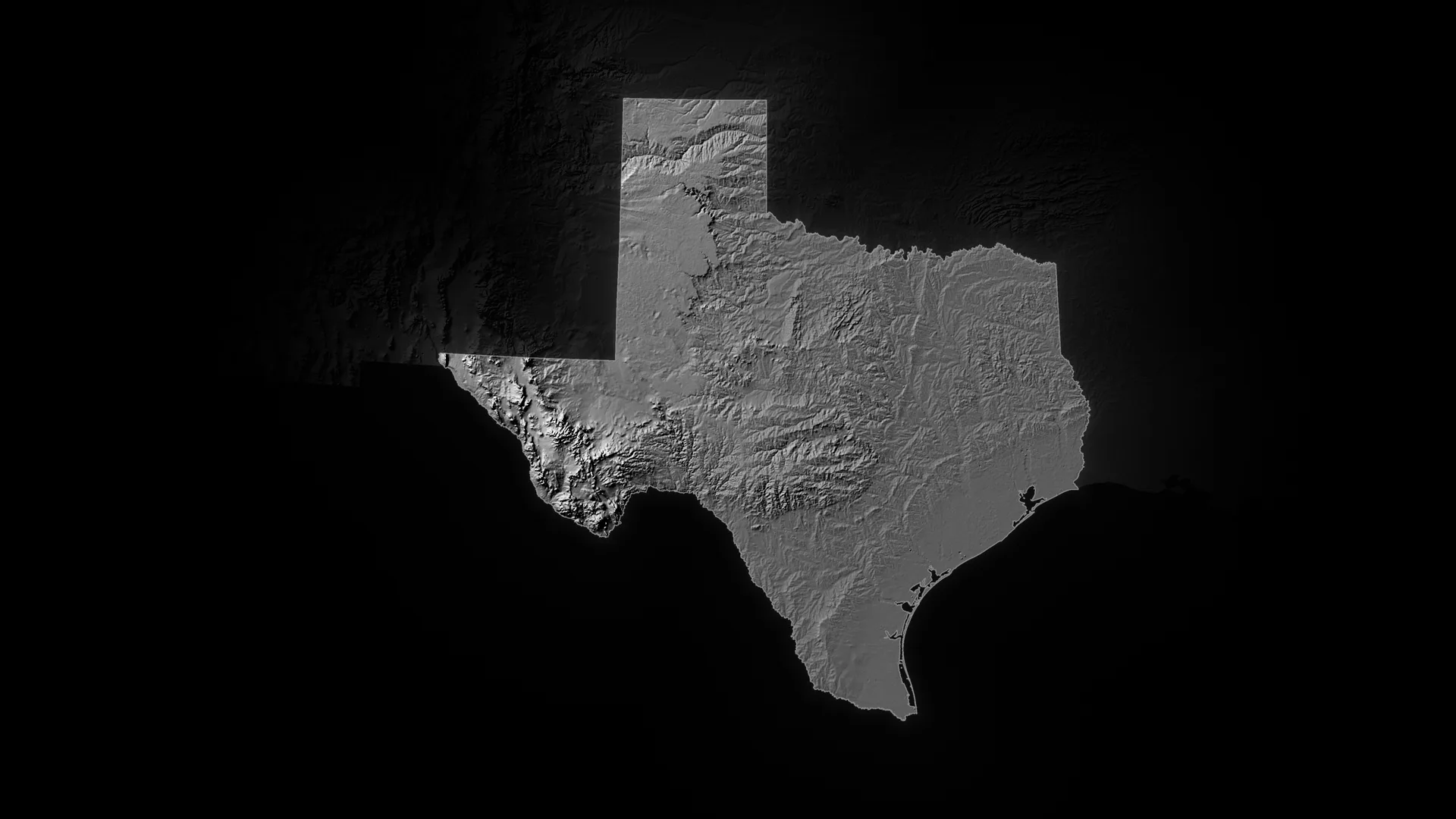
Severe storms hit Texas more than most states, and outages follow.
What goes into the number
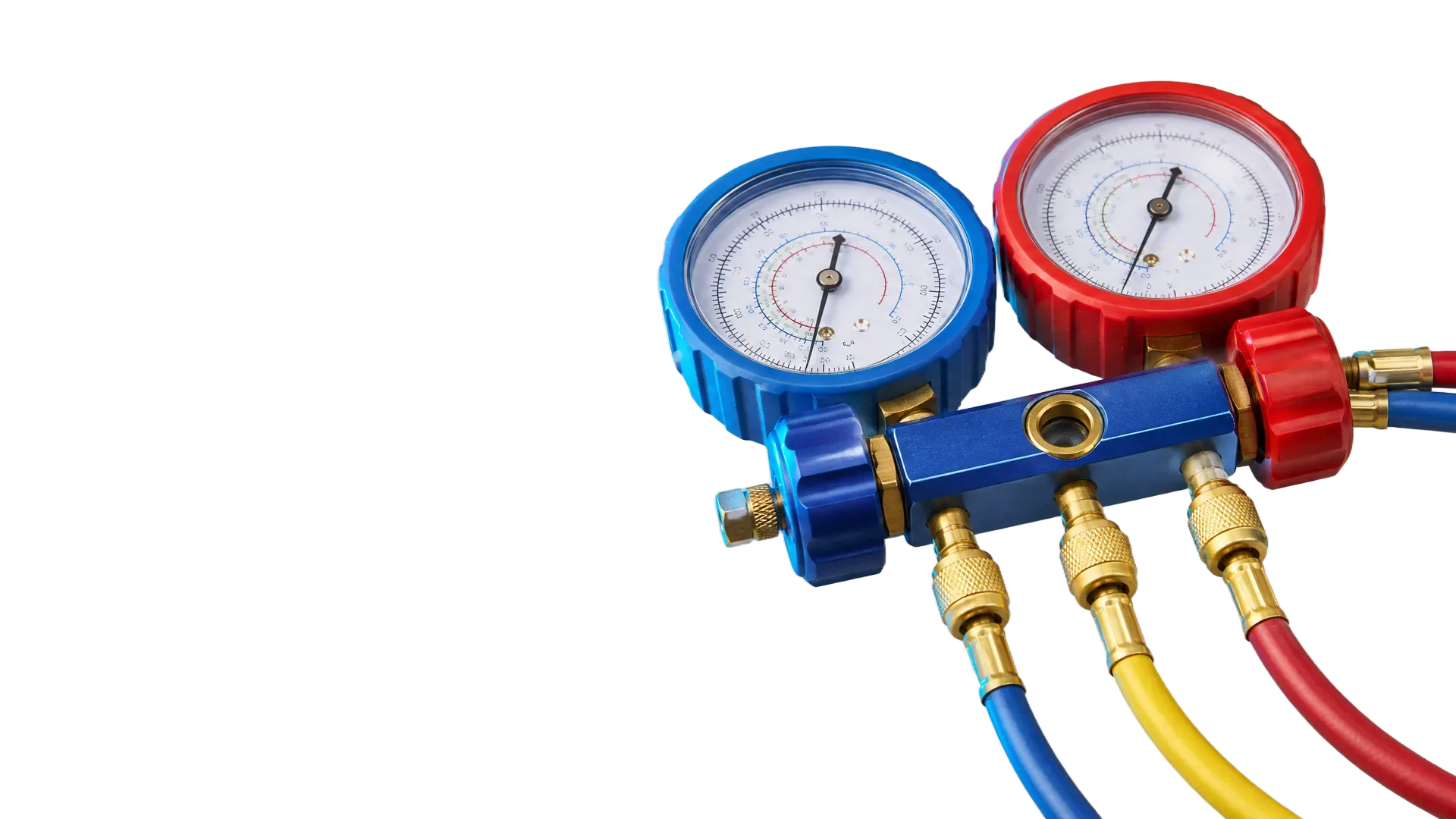
The unit itself is only part of the number. A straightforward swap, same spot, same line set, same electrical setup, costs less in labor than one where refrigerant lines have to be run new, a pad poured, or ductwork reworked to carry the air the new system moves. Removing the old equipment is its own step. So is the refrigerant charge, which has to be weighed out and checked against what the manufacturer specifies for that unit and that length of line. A higher efficiency rating usually means a more complex system, a variable speed compressor or a larger coil, and that complexity costs more to install even before the equipment price comes in. The electrical matters too. Some installs need a new circuit or disconnect, and older panels sometimes need an upgrade to handle the load. Warranty terms shift the number as well. A longer labor warranty, or one that covers the compressor and coil, puts more of the risk on the manufacturer and installer, and that gets priced into the job.
Not every county asks the same of it
Texas cooling need isn't the same everywhere. Homes in the southern counties need about 27% more cooling over a year than homes in the north. The widest gap is Hidalgo County against Dallam County, where Hidalgo needs about three and a half times as much cooling, and Dallam sits at the low end for the whole state. A system sized right for a house near Amarillo would come up short near McAllen. That's what a contractor means by sizing to the house and not just the equipment list, and it's also sizing to where in the state that house sits.
Electricity costs more here than in most states, so an efficient install keeps paying you back.
Tell us about the job
Takes about a minute. No obligation.
Fill out the form once, and a licensed installer in your part of Texas will contact you.