Hail and wind are frequent here
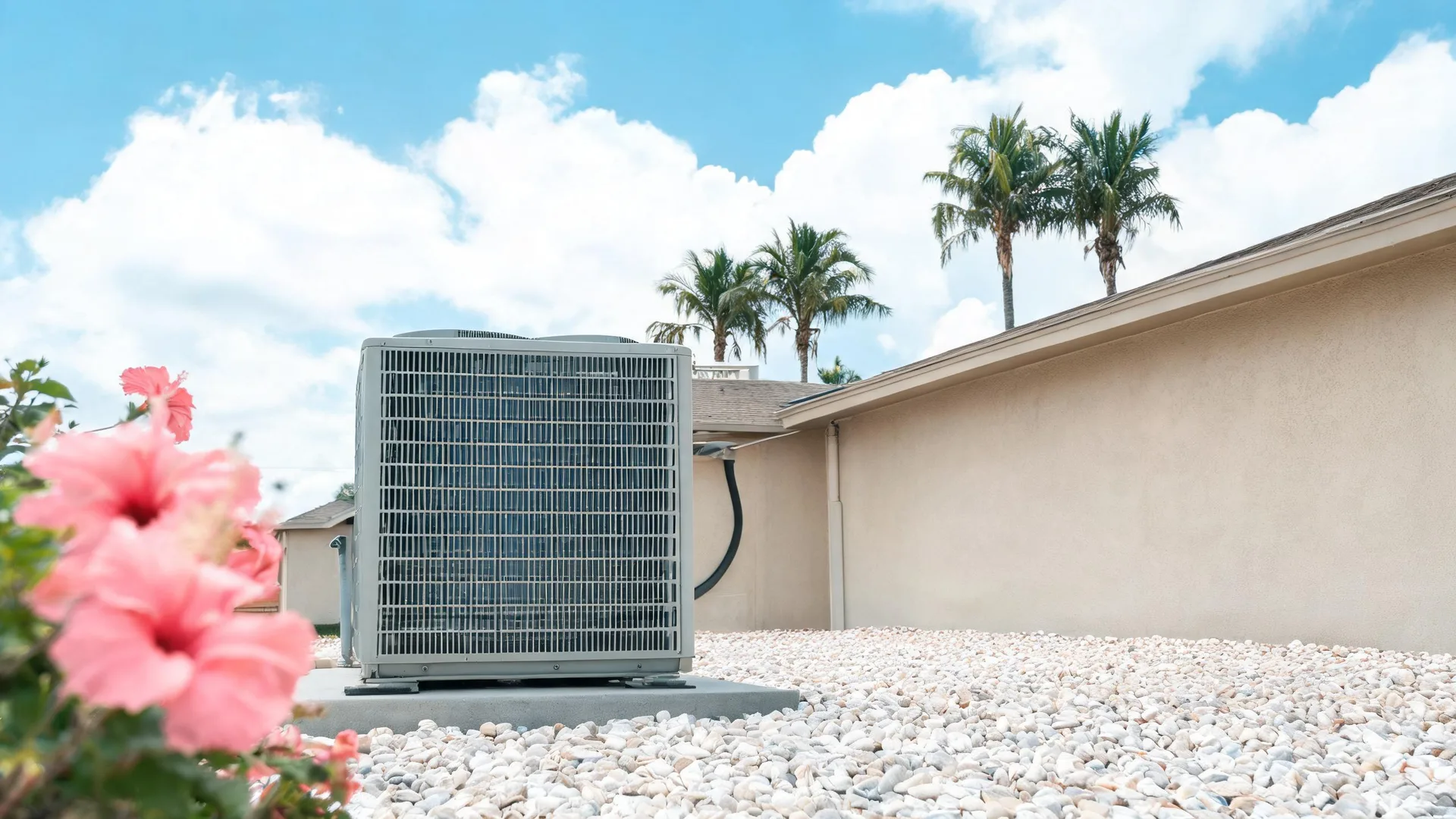
Ector County logged 137 hail events and 71 damaging wind events over the past decade. An outdoor condenser takes that weather directly, so where it sits and what shields it matters at install time.
Takes about a minute. No obligation.
Ector County logged 137 hail events and 71 damaging wind events over the past decade. An outdoor condenser takes that weather directly, so where it sits and what shields it matters at install time.
A third of Texas households went at least 24 hours without power in 2024. When the grid goes down, so does your AC, so it's worth asking your contractor about a system that can run on backup power if that's part of your plan.
NOAA nClimDiv, 1991–2020 normals
Electricity heats 60.3% of homes in Ector County.
Most AC installs here pair with an electric furnace or heat pump already in place, so matching that setup is the straightforward choice.




Ector County falls under zone 3B, a warm dry climate with cooling running most of the year. Texas is split by federal rule into regions, and this part of the state falls under the stricter one. A new split-system AC below 45,000 Btu/h has to meet 14.3 SEER2 here, not the 13.4 SEER2 minimum that applies in cooler parts of the country. That's the floor, not a target, so any system quoted for install here should already clear it. A unit built to the lower national minimum can't legally go into a home in Odessa.
Half the homes in Ector County were built in 1984 or earlier, half in 1984 or later. That's an ordinary mix of houses, nothing in it calls for an oversized or specialty system. A standard split system sized to the home, installed to meet the efficiency floor that applies here, is the right call for most of this county. Settle the other things already covered here. Where the condenser will sit, whether backup power matters to you, and matching whatever furnace or heat pump is already in place.
Find a contractorCooling starts in May here, so April is the month to get a new system in. That gives a contractor time to size the install right and order the unit you need, instead of matching whatever's in stock during a heat wave with the old one already dead. A system put in now runs its first full season from May through September, five months of steady work, without a single day of that running on borrowed time.
A contractor has to run a load calculation on the house, the windows, the insulation, the layout, before quoting a unit. Go bigger than that number and you pay more upfront for a system that still won't dehumidify right. Go smaller and it runs constantly and wears out early. The sizing work is what the rest of the quote is built on.
If the ductwork, the electrical disconnect and the refrigerant lines are already sized right for the new system, the install is mostly swapping equipment. If the old ducts are undersized or the line set has to be replaced, that's added labor before the new condenser and air handler ever get set. Ask what the contractor found on the walkthrough, not just what the equipment costs.
Estimates for a typical Ector County home, from EIA household energy data, Texas fuel prices and NOAA climate normals. Your home will differ.
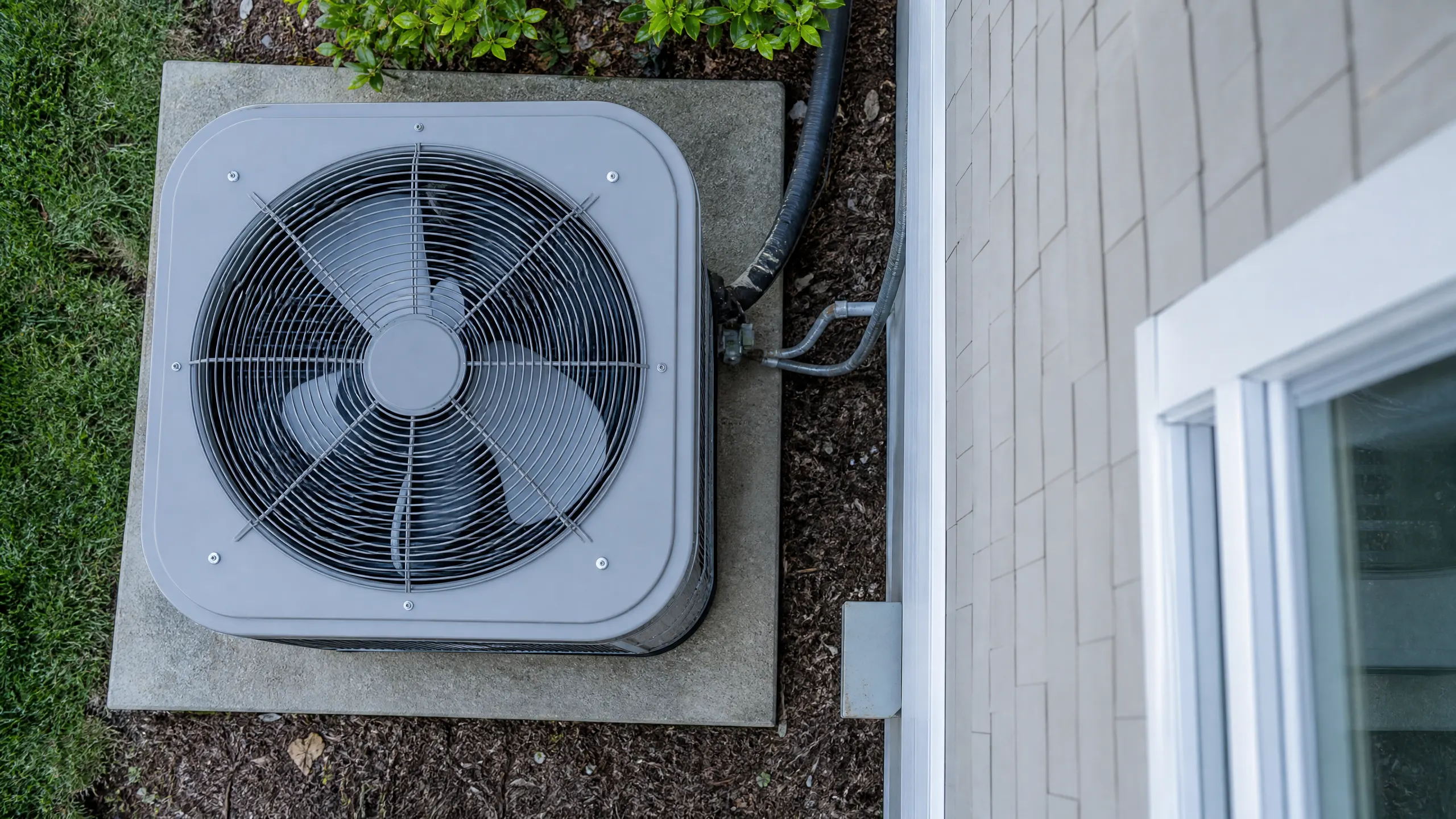
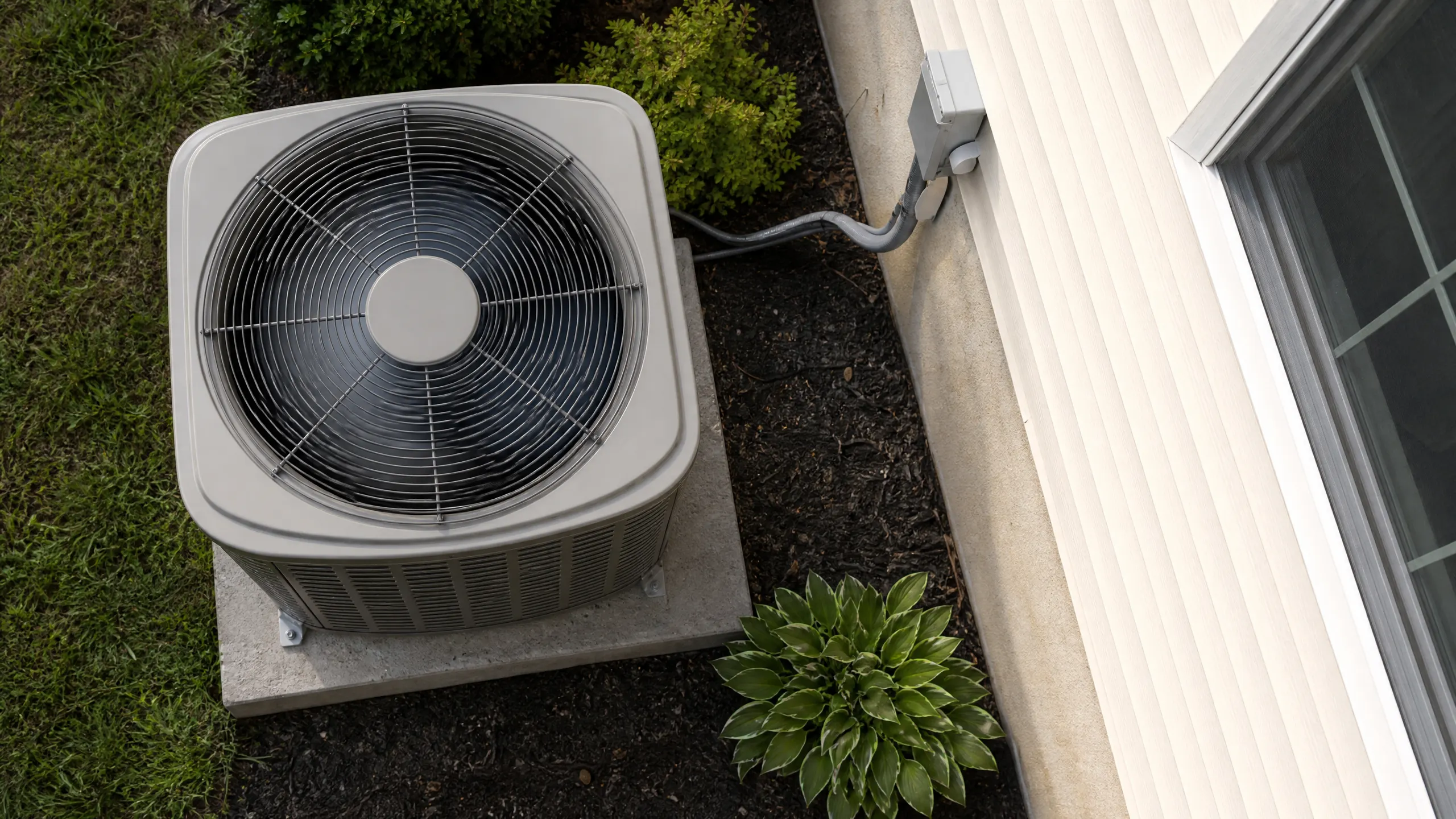
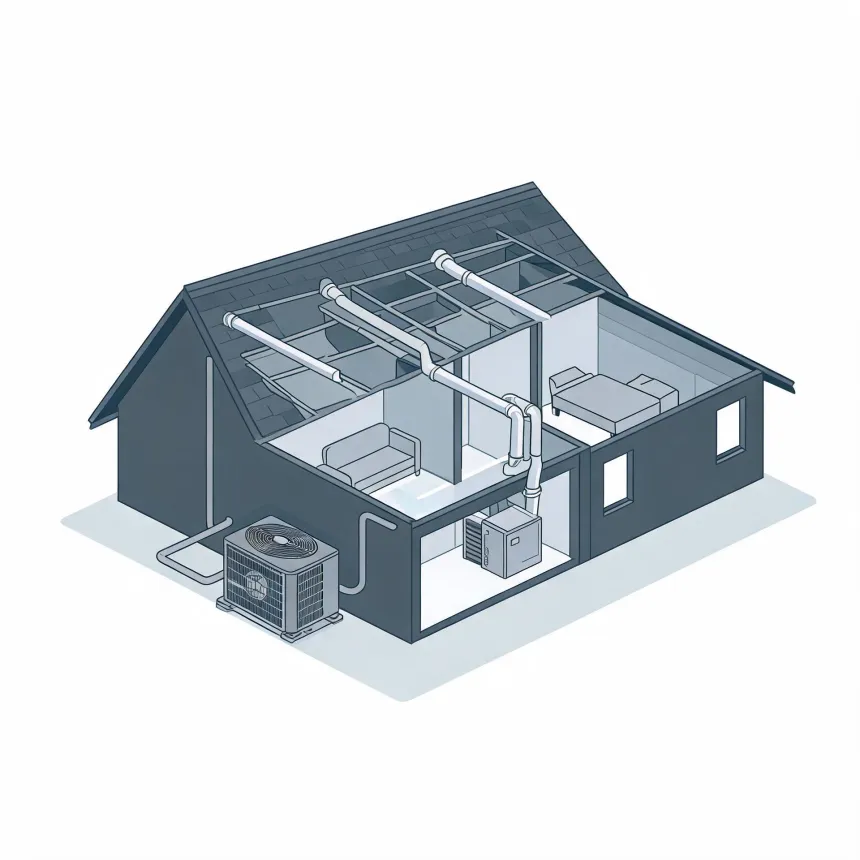
Install day starts outside, not in. The old condenser gets disconnected and hauled off, and the new pad or slab gets leveled before anything new sits on it. Inside, the air handler or coil gets swapped, and the line set gets checked, if it's being reused it gets flushed and pressure tested before the new refrigerant goes in, because old oil and debris left in the lines will wear out a new compressor fast. The electrical disconnect gets checked against the new unit's requirements, not just reused because it was there. Once everything's connected, the system gets charged to the exact refrigerant weight the manufacturer specifies, not just run until it blows cold, and airflow gets checked at the vents. A contractor worth hiring tests the system through a full cooling cycle before calling the job done, not just a few minutes of cold air to prove it starts.