



Texas Cooling Help
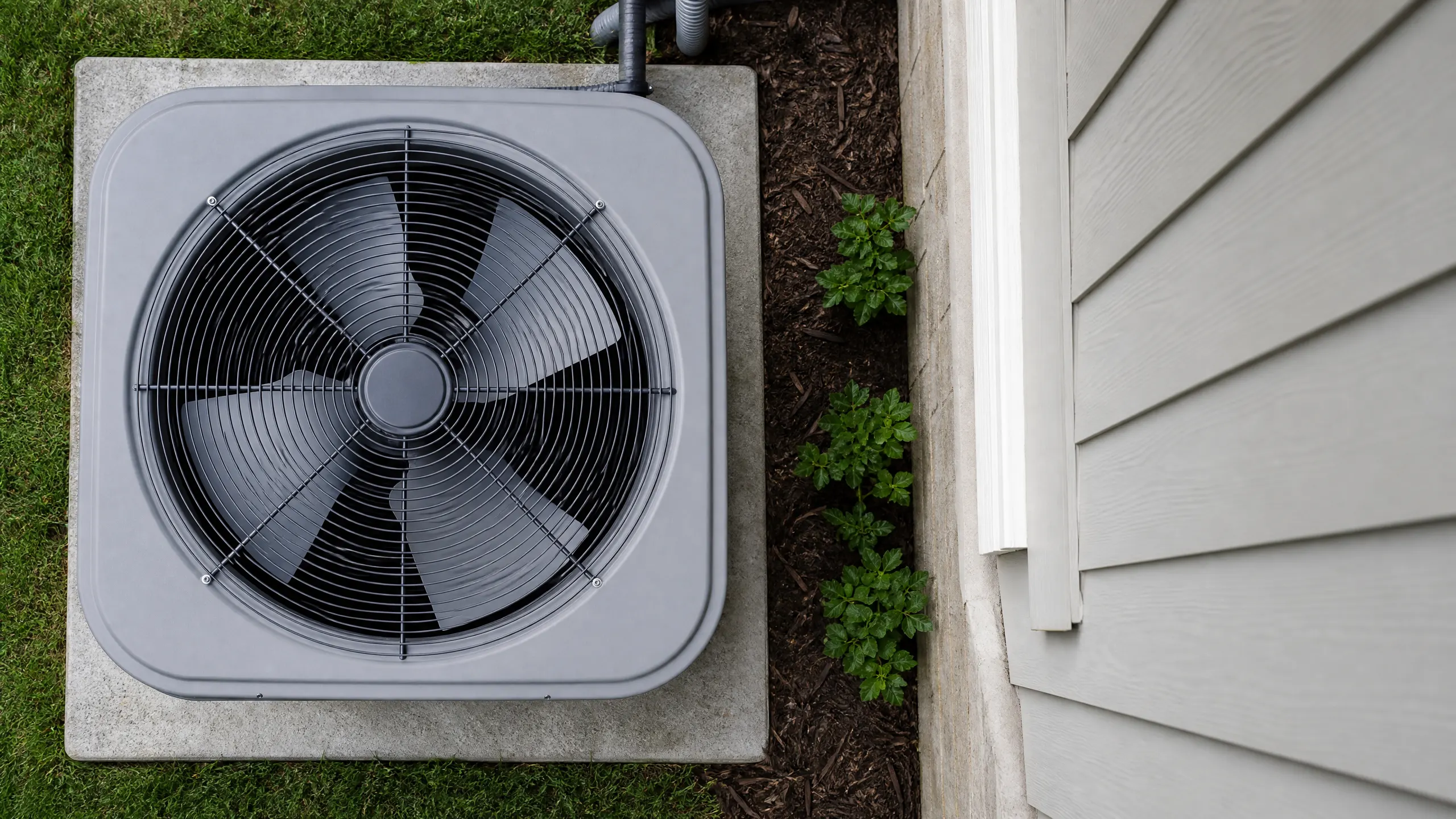
Aerial view of a gray central air conditioning condenser unit on a concrete pad next to a house with vinyl siding.

AC Installation in Amarillo, TX

Tell us about the job

Takes about a minute. No obligation.

Step 1 of 3: Equipment

Potter County logged 195 hail events between 2015 and 2024, and damaging wind hit almost as often. An outdoor condenser sits outside year round, so where it goes matters. A spot away from the roof line and clear of falling branches holds up better than one tucked under an eave. Hail guards and a solid pad give it protection a bare unit doesn't have. Ask your contractor where they'd place it on your lot before you settle on a corner of the yard.

5 months
May through September, your air conditioner is on duty
92°F
the average summer afternoon it cools against
195 hail events
in ten years, and hail bends the fins on outdoor coils
13.4 SEER2
the federal minimum any new unit must meet
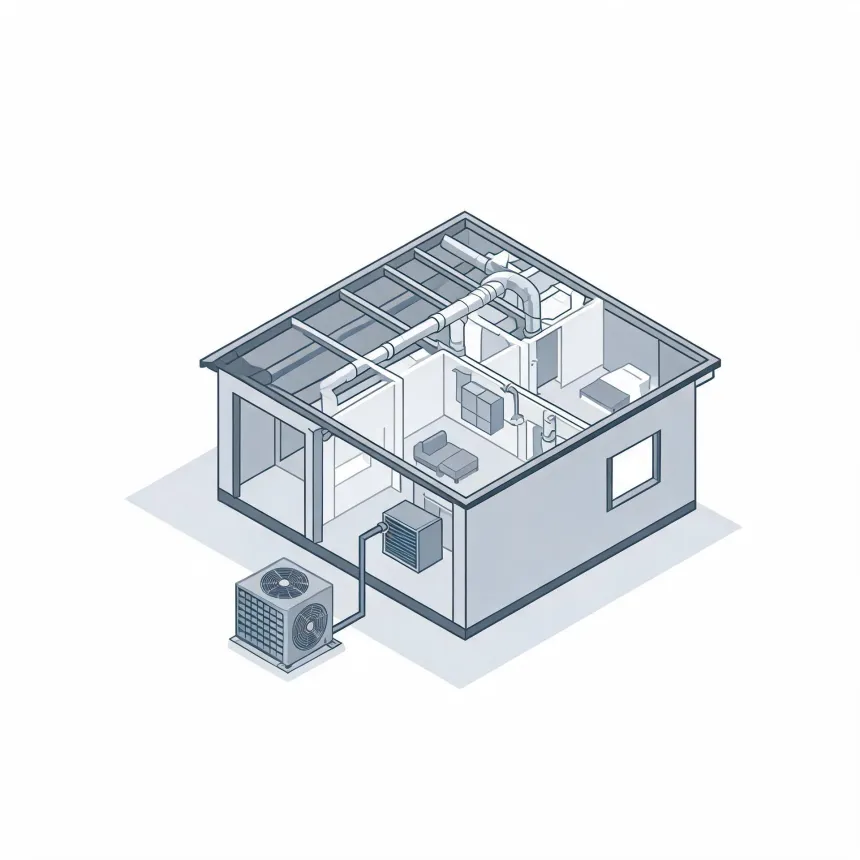
Isometric line illustration of a cutaway single-story building showing interior rooms, ceiling ductwork, an indoor air handler, and an outdoor condenser unit connected by a line set.
Your air conditioner works hardest from June through August.

NOAA nClimDiv, 1991–2020 normals

Half the homes in Potter County were built in 1963 or earlier.

A new system going into a house that age has to match the ductwork already there, not the other way around.

Most of Amarillo heats with gas, so a gas furnace paired with the new AC is the simplest swap

62.2% of homes heat with gas
Cooling runs May through September
Summer afternoons average 92°F

Amarillo falls in climate zone 4B, a mixed zone that asks real work of both the furnace and the AC. Any new split system below 45,000 Btu/h has to meet 13.4 SEER2 at minimum, the federal floor for units built from 2023 on. That's a national number, not a regional bump like the Southeast gets, so Potter County contractors are working from the standard baseline. Ask what SEER2 rating the unit you're considering actually carries, since it can run higher than the minimum. A federal tax credit is also available for qualifying high-efficiency equipment, worth asking your contractor about before you settle on a system.

A more efficient system costs less to run on a Texas bill

Electricity in Texas ran 14.94 cents per kilowatthour in 2024, and an AC unit here is going to run hard through the summer. A higher SEER2 rating costs more at installation and less on every bill after that. Worth weighing against the baseline before you pick a system.

Find a contractor
A man in a cap, gray long-sleeve shirt and brown pants carries a worn canvas tote bag up porch steps toward an orange front door beside a potted olive tree.
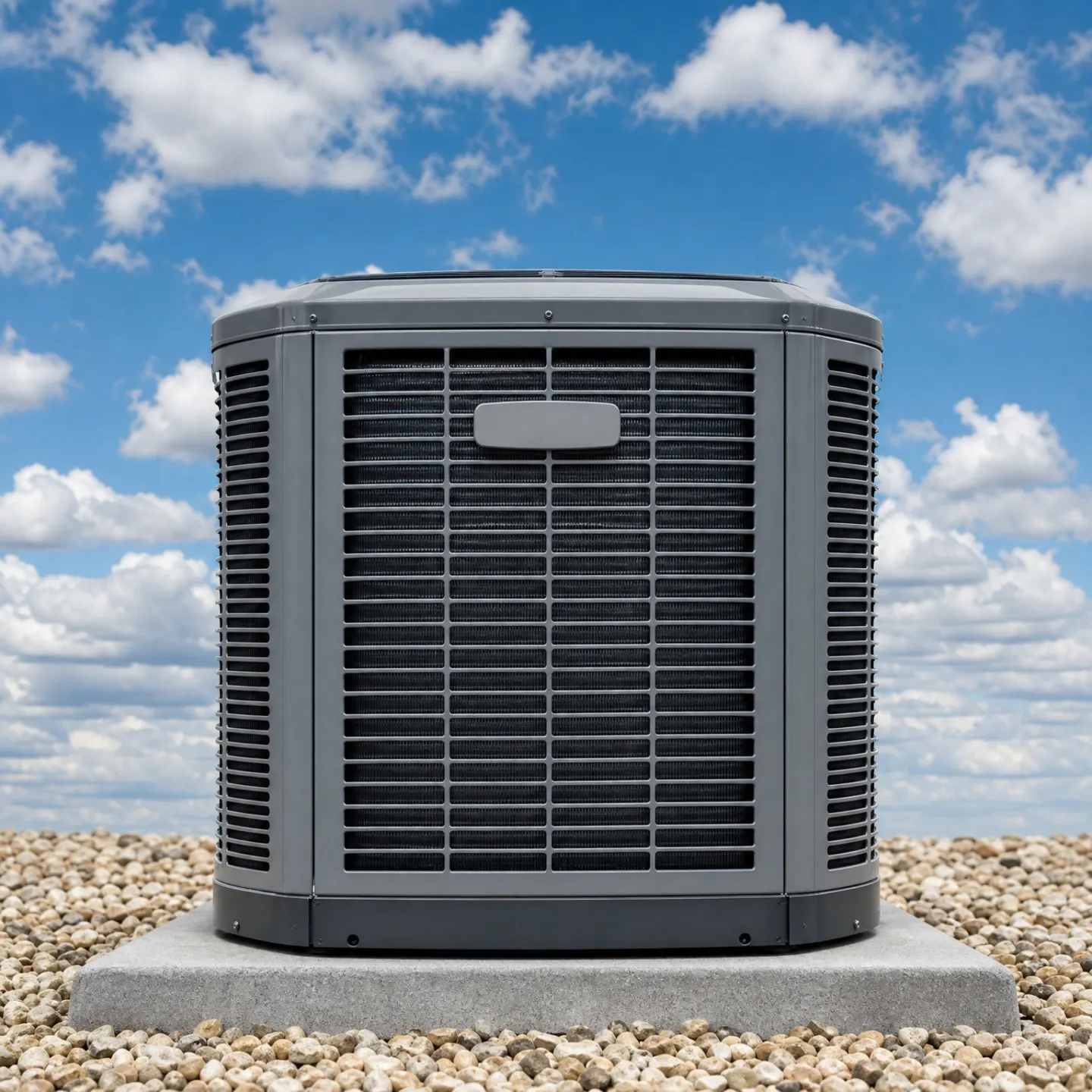
An outdoor air conditioning condenser unit mounted on a concrete pad surrounded by gravel, photographed against a partly cloudy blue sky.

Sized for the house, not guessed at

A contractor sizes your system with a load calculation, not a tape measure on the old unit. It weighs your square footage, your windows, your insulation, your ceiling height, even which way your house faces, and works out how much heat actually gets into the house on the hottest day. Too big and the AC cools the air fast, shuts off, and leaves the humidity behind, so the house feels clammy even at the right temperature. It also cycles on and off more, and every start puts wear on the compressor. Too small and it runs flat out all day without catching up, which wears it down the same way a car wears down redlined in traffic. The right size runs long, steady cycles, pulls moisture out of the air as it goes, and settles into a rhythm that doesn't fight itself. Ask your contractor for the load calculation itself, not just the tonnage they landed on.

The rating is a seasonal average, not a guarantee

SEER2 is measured across a range of outdoor temperatures, mild and brutal mixed together. On the hottest days, when the compressor runs flat out, the system is working well below that number. It's a way to compare one unit against another, not a promise of what your bill will say.
A higher number only pays off if the rest of the system matches it

The rating on the label describes the condenser and coil working as a matched pair, tested together. Pair a high-SEER2 condenser with the wrong coil or a duct system that can't move enough air, and the system won't hit the number on the sticker. The install has to be right for the rating to mean anything.

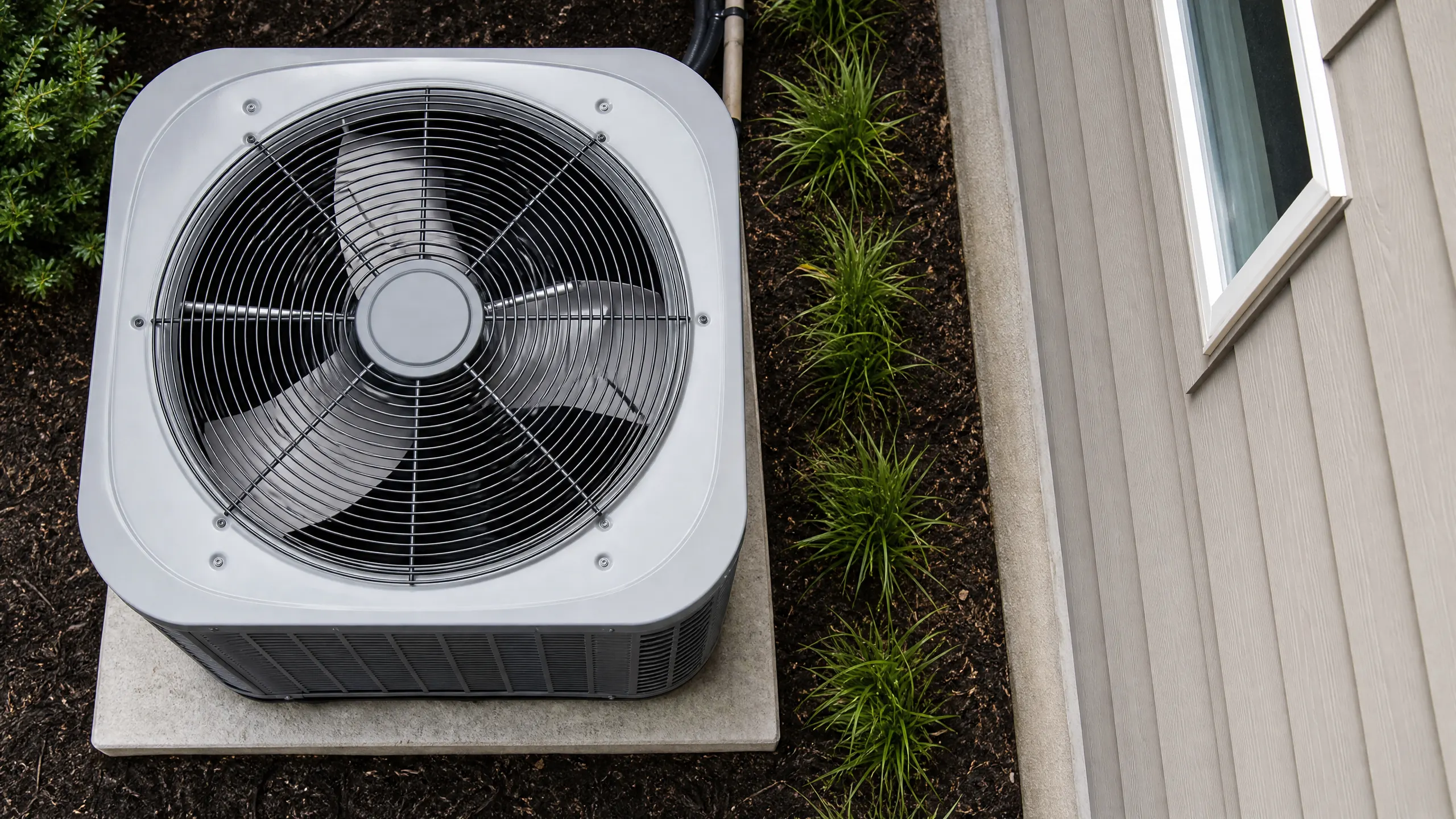
An outdoor air conditioning condenser unit on a concrete pad next to the gray vinyl siding of a residential home.

Going above the federal minimum saves little here, about $20 a year.

  • A higher-efficiency unit$270 a year
  • A new unit at the federal minimum, 14.3 SEER2$290 a year

Estimates for a typical Potter County home, from EIA household energy data, Texas fuel prices and NOAA climate normals. Your home will differ.

Install day starts with the old equipment coming out, the condenser outside, the coil and furnace or air handler inside, and the line set that connects them. A tech recovers the refrigerant from the old system before anything gets disconnected, since it can't just be vented. Once the new coil and furnace are in place, the line set gets run, often reusing the same path through the wall, and new connections get brazed and pressure tested before any refrigerant goes in. The system gets evacuated with a vacuum pump to pull out moisture and air, because either one left behind will break down the refrigerant and wear on the compressor. Only after that does the new condenser get charged, and the tech checks the charge against the target for that unit rather than just filling it until the gauge looks right. Before they leave, a tech runs the system through a full cycle and checks the temperature drop across the coil, the airflow at the vents, and the amp draw on the compressor.