


Texas Cooling Help
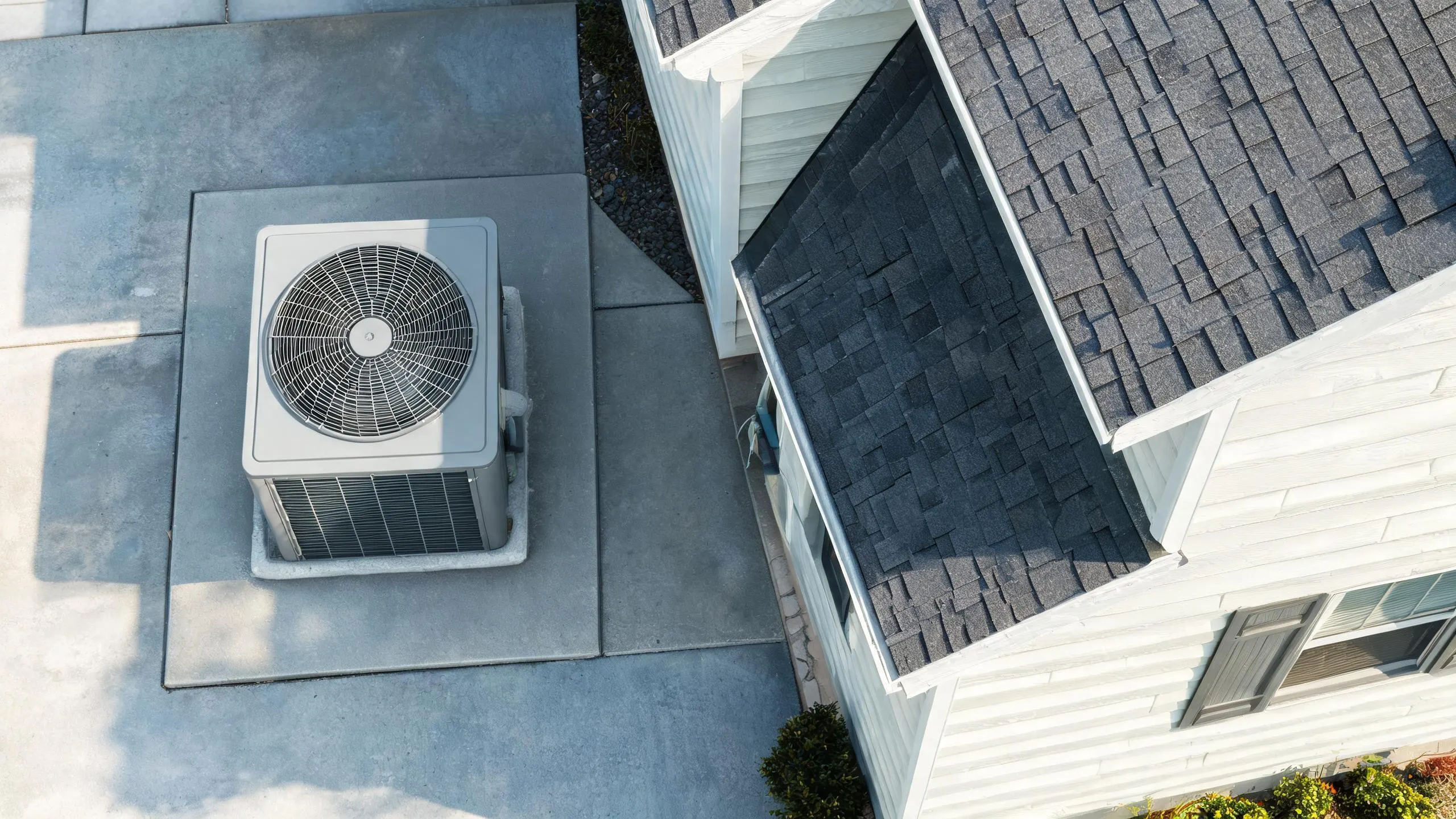
Overhead view of an outdoor AC condenser unit on a concrete pad next to a house with a dark shingle roof.

AC Installation in Longview, TX

Tell us about the job

Takes about a minute. No obligation.

Step 1 of 3: Equipment

Texas homes paid 14.94 cents per kilowatthour in 2024. A new AC system runs on that rate for as long as it's in your house, so the efficiency rating on the unit you choose matters here more than it would somewhere with cheap power. Two systems that cost the same to install can land very differently on your bill if one has a better SEER2 rating than the other. Ask what rating any system you're considering carries before you decide.

6 months
May through October, your air conditioner is on duty
93°F
the average summer afternoon it cools against
31 hail events
in ten years, and hail bends the fins on outdoor coils
13.4 SEER2
the federal minimum any new unit must meet
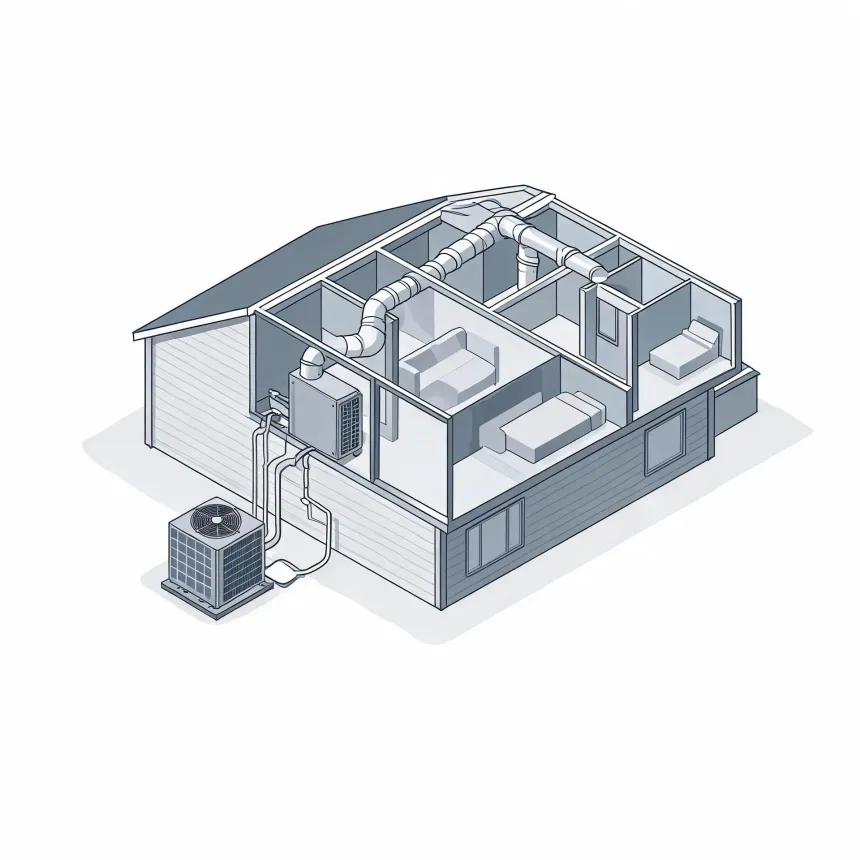
Isometric line illustration of a cutaway house showing interior rooms with furniture, ceiling ductwork, an indoor air handler, and an outdoor condenser unit connected by lines.
Your air conditioner works hardest from June through September.

NOAA nClimDiv, 1991–2020 normals

The SEER2 number tells you how much cooling a system wrings out of each unit of power it uses.

A high rating on paper means nothing if the installer sizes the unit wrong or skimps on the charge and airflow.

Most homes in Gregg County run on electricity, and your AC install should plan around that

65.6% of homes heat with electricity
Cooling runs May through October
Summer afternoons average 93°F

Cooling runs six months here, May through October. That's longer than most of the country gets, and the afternoon high in June, July and August averages 93°F. A new system has to hold a house against that heat day after day, for most of the year, not just on a few bad weeks. That kind of steady load wears on a system differently than a milder climate would. Sizing it right for Gregg County heat matters more here than it would somewhere easier on the equipment.

Have your new system in before May

Cooling starts here in May. An install finished in April gives the contractor time to size the system and set the charge right, without rushing a replacement after the heat has already set in. Go into the six-month stretch with a system that's already dialed in, not one installed under pressure.

Find a contractor
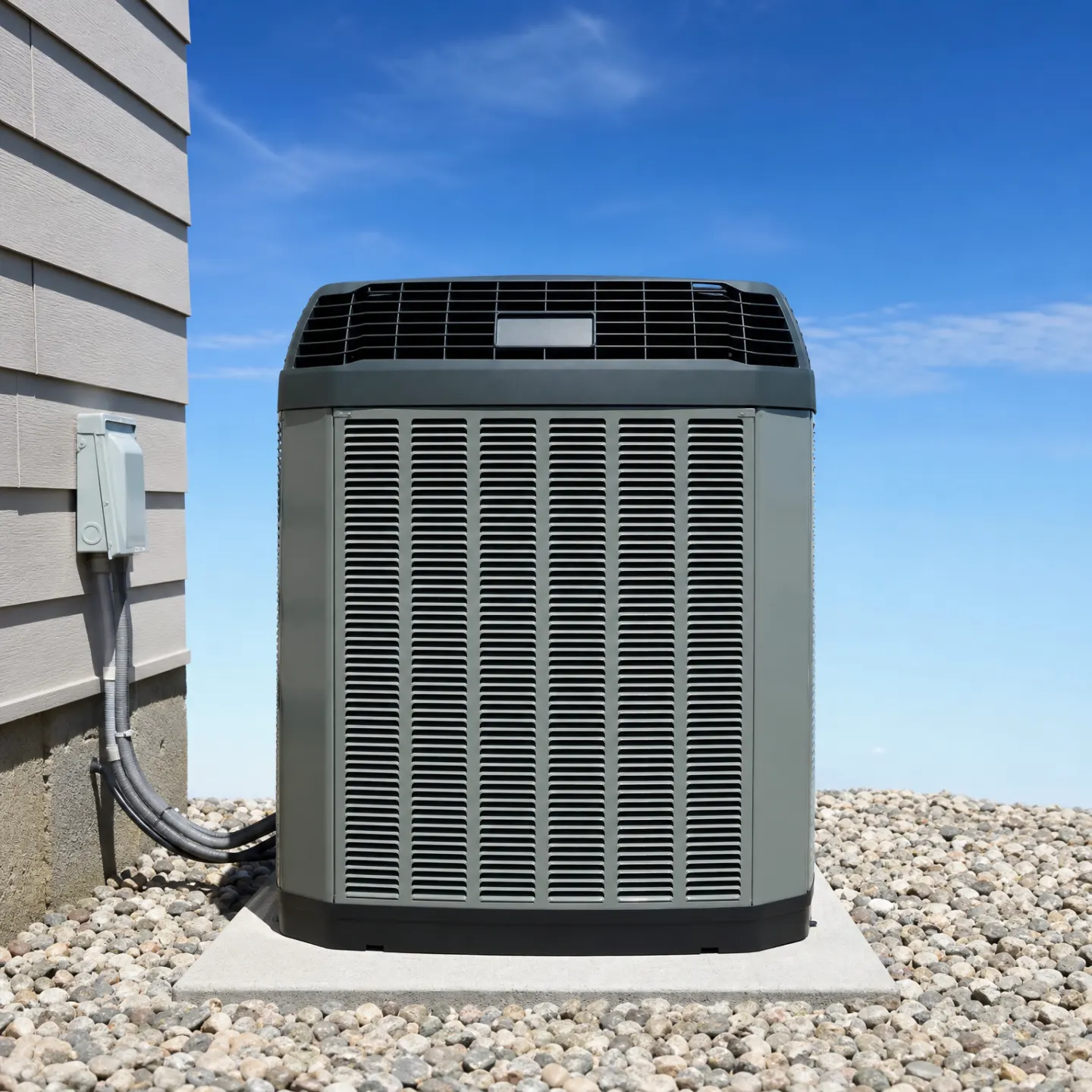
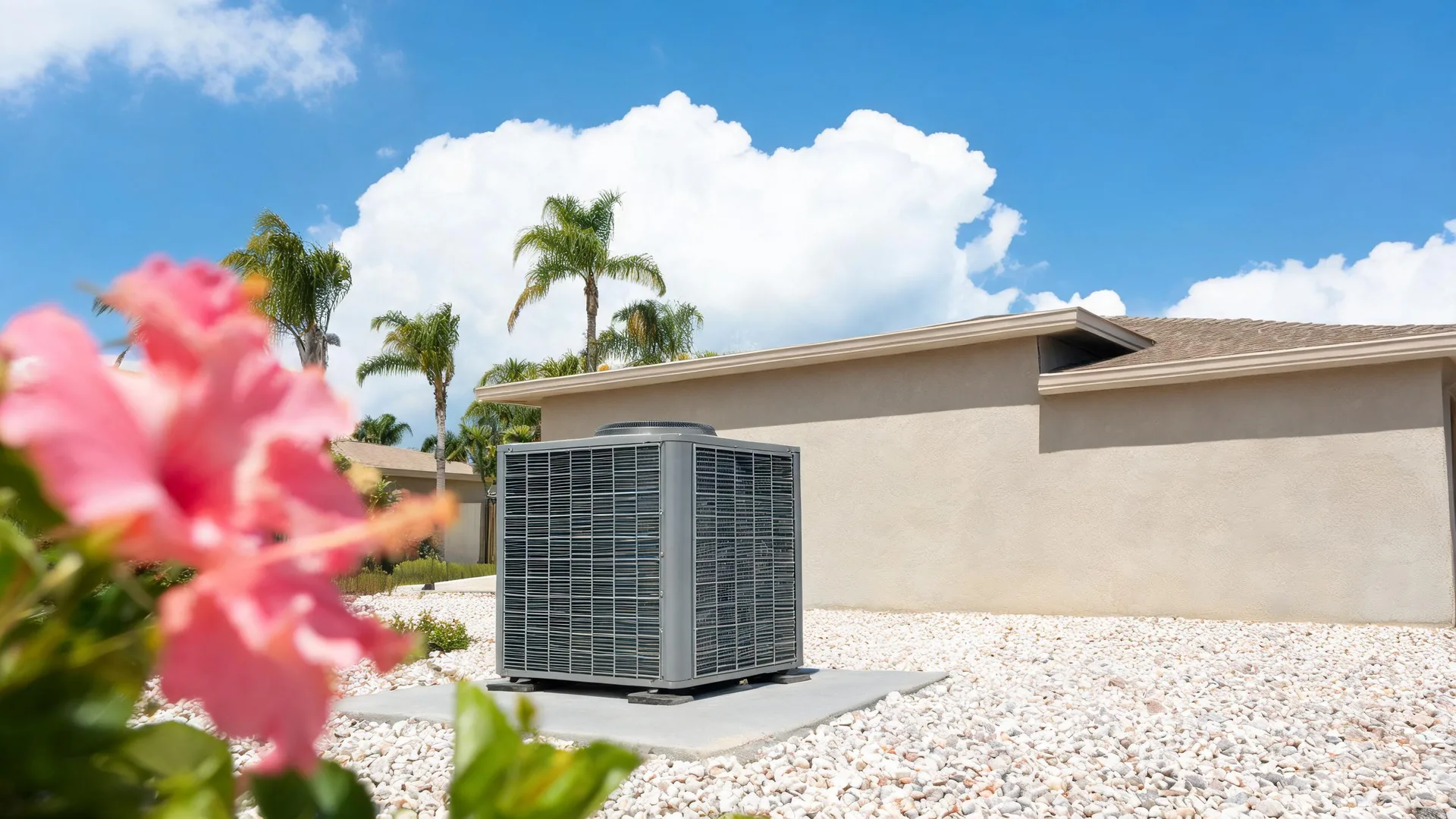
An outdoor air conditioning condenser unit mounted on a concrete pad beside a house, with electrical conduit running to a wall-mounted disconnect box.

This system runs six months a year here. Size it for that, not for a sale.

Get the sizing right before the contract is signed. Ask how the load is being calculated. Square footage alone does not account for your windows, insulation or layout. A system too big short cycles and never runs long enough to pull the moisture out of the house. One too small runs flat out all summer and still falls behind on the worst afternoons. Either mistake sits in your house for six months of real load every year, not a handful of hot days.

Ask for a load calculation, not a guess

Any contractor worth hiring will run a room by room load calculation that accounts for windows, insulation and layout before naming a system size. If someone quotes a tonnage off square footage alone, or before they've walked the house, ask why. The number on paper should come from your house, not from a chart.
Ask what happens to the old ductwork

A new system moves a different volume of air than the one it replaces, and ducts sized for the old equipment can choke a new system's airflow no matter how good the unit is. Ask whether the ducts were checked as part of the install, not just the outdoor unit swapped. Airflow problems show up as weak cooling in the rooms farthest from the unit.

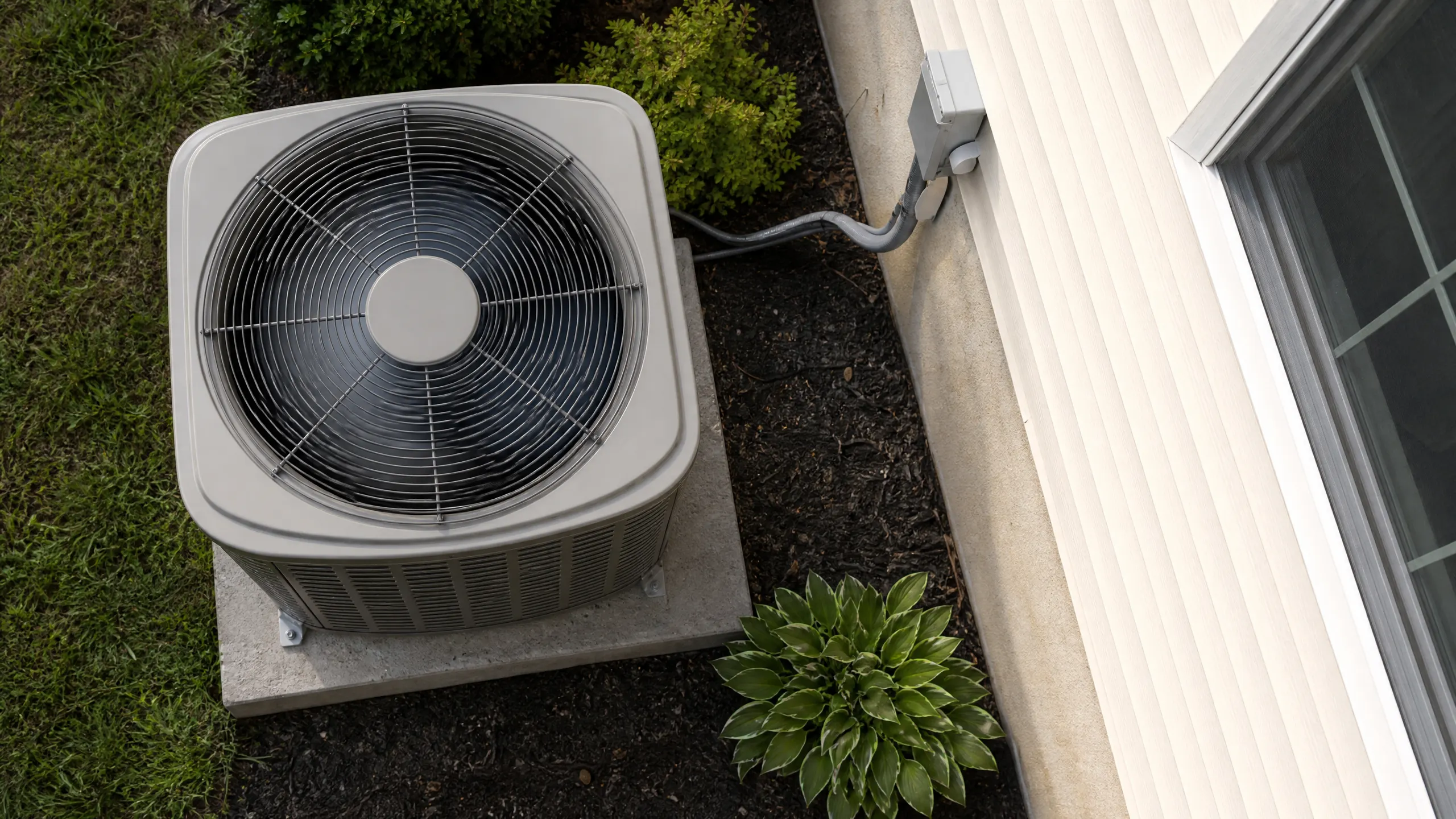
An overhead view of a residential air conditioning condenser unit mounted on a concrete pad next to a house with vinyl siding.

A higher-efficiency unit would save about $30 a year to run in Gregg County compared with a new unit at the federal minimum.

  • A higher-efficiency unit$420 a year
  • A new unit at the federal minimum, 14.3 SEER2$450 a year

Estimates for a typical Gregg County home, from EIA household energy data, Texas fuel prices and NOAA climate normals. Your home will differ.

Installation day starts with the old system coming out. The outdoor unit, the indoor coil, the refrigerant lines, sometimes the line set too if it's not in good shape. Once that's clear, the installer sets the new coil, mounts the outdoor unit on a pad or stand, and runs new lines if the old ones don't suit the new refrigerant charge. Then comes the part that decides whether the system performs the way it's rated. The lines get evacuated to pull out air and moisture. The refrigerant charge gets weighed in exact. Airflow across the coil gets set to match the equipment. A system can look fully installed and still be wrong inside, running on a charge that's off or airflow nobody checked. Before the crew leaves, they should run the system through a full cooling cycle, check the temperature split between the air going in and the air coming out, and walk you through the thermostat.