




Texas Cooling Help
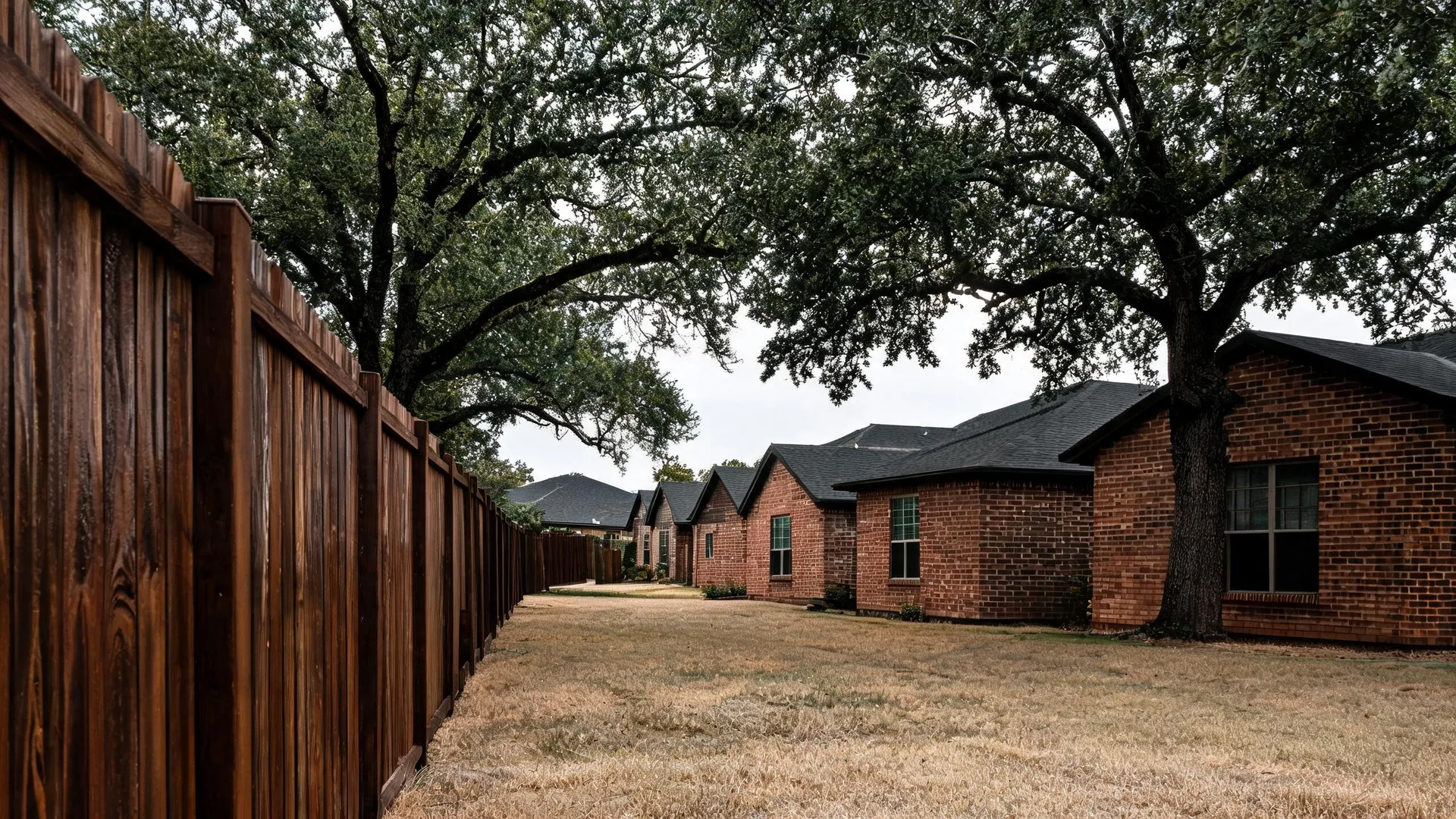
A row of brick houses with dark shingled roofs behind large oak trees, beside a tall stained wood fence and a strip of dry brown grass under an overcast sky.

AC Installation in Rockwall, TX

Tell us about the job

Takes about a minute. No obligation.

Step 1 of 3: Equipment

Texas homes paid 14.94 cents per kilowatt-hour in 2024. That rate applies to every kilowatt a new AC system pulls, for as long as it runs in this house. Two systems can cool the same rooms and still draw different amounts of power doing it. SEER2 is the rating that tells you which is which, and it is worth comparing before you settle on a system, not after. A contractor can size the unit to this house and walk through what that rating means for what you pay to run it.

6 months
May through October, your air conditioner is on duty
93°F
the average summer afternoon it cools against
30 hail events
in ten years, and hail bends the fins on outdoor coils
13.4 SEER2
the federal minimum any new unit must meet
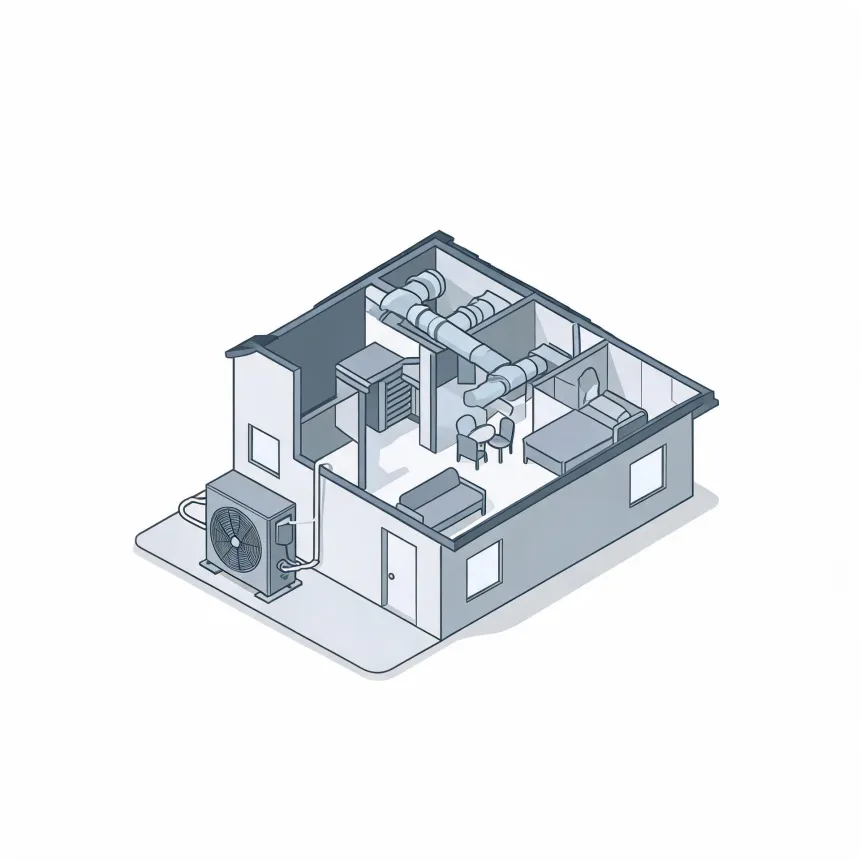
Isometric line illustration of a cutaway house showing interior rooms with furniture and ceiling ductwork, connected to an outdoor condenser unit with a fan beside the building.
Your air conditioner works hardest from June through September.

NOAA nClimDiv, 1991–2020 normals

Rockwall County saw 30 hail events and 9 damaging wind events in the last decade.

None of that changes what size or efficiency AC this house needs.

Most homes here run on electricity, and AC installation follows the system already in the house

51.6% of homes heat with electricity
Cooling runs May through October
Summer afternoons average 93°F
Six months of heatAfternoon highs in Rockwall County average 93°F through June, July and August.

Rockwall falls in climate zone 3A, hot and humid enough that a split system installed here has to clear a higher bar than the national minimum. Under 45,000 Btu/h, the Southeast rule sets the floor at 14.3 SEER2, higher than what the same size unit needs to meet almost anywhere else in the country. Larger systems have their own minimum, also set above the national number. That rules out anything built only to the lower national standard, so not every unit a contractor could order is one they can legally install here. A federal tax credit is available on top of that for qualifying high-efficiency equipment, worth asking a contractor about when comparing systems.

Install before May, while the choice is still yours

Cooling runs May through October here, six months of pulling power every day. April is the one month before that starts, with nothing yet asking anything of the system. Replace it then and the install happens on a day you picked, not a day the old unit picked for you.

Find a contractor
A man in a cap, gray long-sleeve shirt and brown pants carries a worn canvas tote bag up porch steps toward an orange front door beside a potted olive tree.
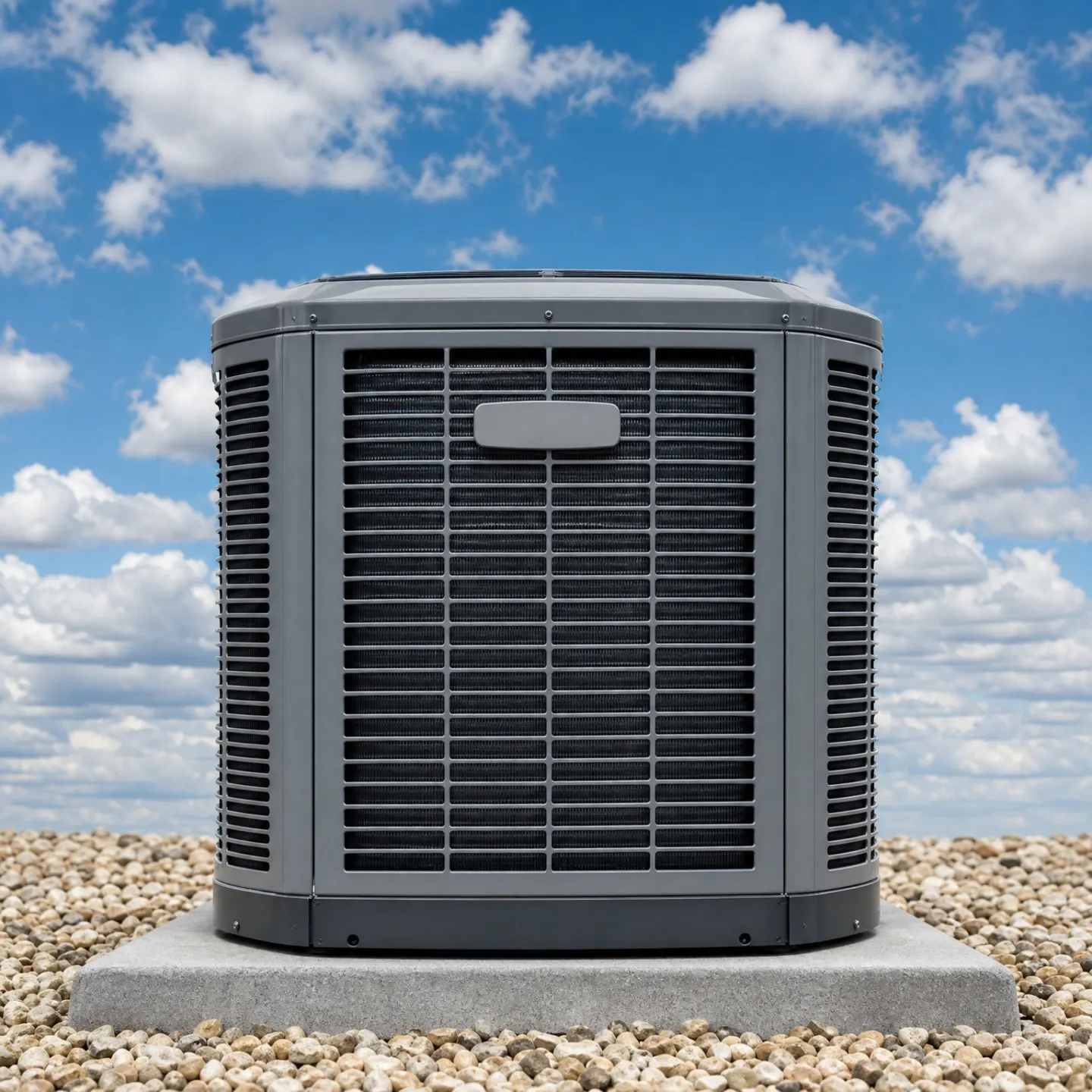
An outdoor air conditioning condenser unit mounted on a concrete pad surrounded by gravel, photographed against a partly cloudy blue sky.

Built for six months of work, not just one afternoon

Six months a year is more than most of the country asks of a system, and this one needs to be sized for it, not just priced for it. A unit too big for the house short cycles, a unit too small runs flat out from May to October trying to keep up. Either way it's the equipment that pays for it, in parts wearing down before they should. Get a load calculation done on this house before picking a system, and weigh that against the SEER2 rating. The cheapest unit on the quote is rarely the one built to run six months straight at 93 degrees.

Ask who is sizing it, not just pricing it

A load calculation looks at square footage, windows, insulation and layout to figure out the tonnage this house actually needs. A quote built off the old system's size, or off a quick walk-through, skips that step. Ask whether a load calculation was done and ask to see the number, not just the price.
Ask what the warranty actually covers

Manufacturers usually cover the compressor and other parts for a set number of years, but that coverage depends on registering the equipment after install, and it can require the system to be installed by someone licensed to do the work. A separate labor warranty, covering the cost of the visit itself, is a different thing and not every contractor offers one. Ask what's covered, for how long, and who is standing behind it if something fails early.

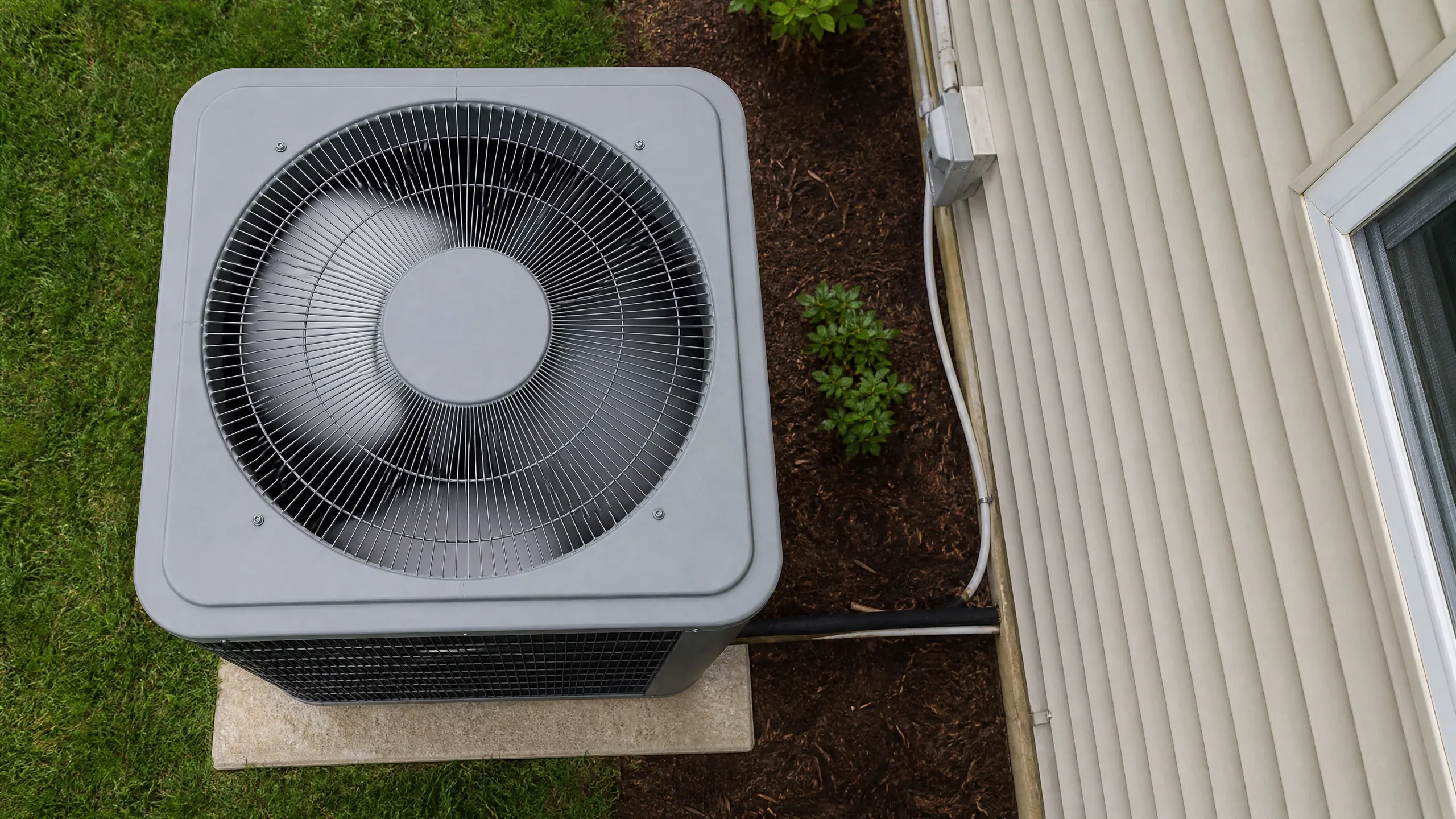
Aerial view of a gray outdoor air conditioning condenser unit mounted on a concrete pad next to a house with vinyl siding.

A higher-efficiency unit would save about $30 a year to run in Rockwall County compared with a new unit at the federal minimum.

  • A higher-efficiency unit$420 a year
  • A new unit at the federal minimum, 14.3 SEER2$450 a year

Estimates for a typical Rockwall County home, from EIA household energy data, Texas fuel prices and NOAA climate normals. Your home will differ.

Install day starts with taking the old system out, not putting the new one in. The line set gets pulled, the pad gets checked or replaced, and the ductwork gets looked over for leaks before anything new ties into it. That step matters more than people expect. A new unit pushing air through leaky or undersized ducts will never perform the way the rating on the box says it should. Once the new equipment is set, a tech checks the refrigerant charge, checks static pressure in the ducts, and tests airflow at the vents, not just whether the unit powers on. The last step is running the system through a full cooling cycle to confirm it actually hits the numbers it was sized for. Ask for that reading in writing, not just a thermostat demo on the way out the door.