




Texas Cooling Help
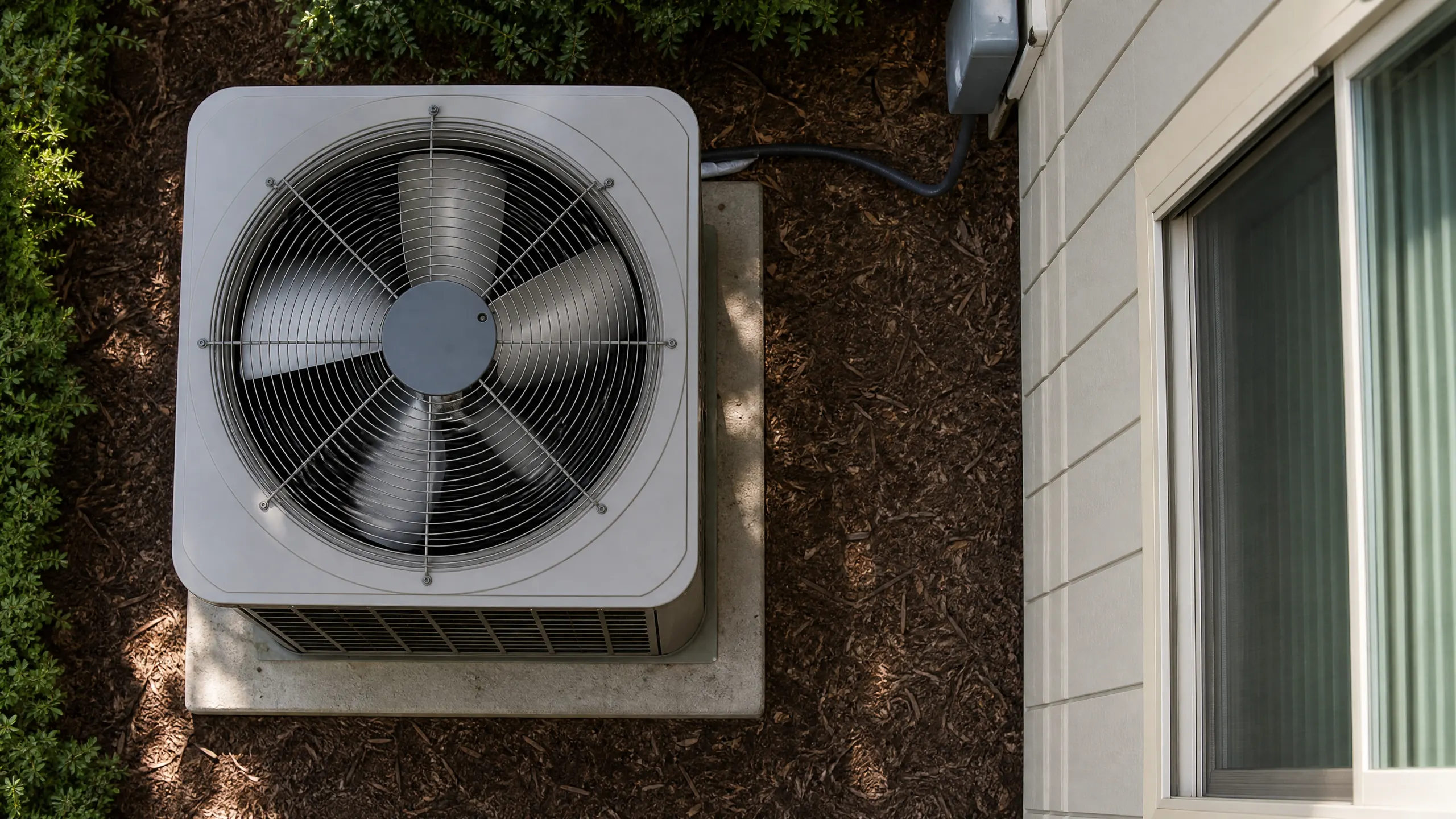
Aerial view of a square outdoor air conditioning condenser unit on a concrete pad beside a house wall with a sliding glass door.

AC Installation in Sugar Land, TX

Tell us about the job

Takes about a minute. No obligation.

Step 1 of 3: Equipment

Electricity in Texas runs 14.94 cents per kilowatt-hour, and your AC is probably your biggest draw on the meter all summer. A unit sized wrong or worn past its prime burns through more of that power than it should. When you're installing new, the SEER2 rating on the equipment is what decides how much of that cost comes back to you every month for as long as the system runs. Two units can cool your house the same, and still leave you paying different amounts to get there.

7 months
April through October, your air conditioner is on duty
93°F
the average summer afternoon it cools against
33 hail events
in ten years, and hail bends the fins on outdoor coils
13.4 SEER2
the federal minimum any new unit must meet
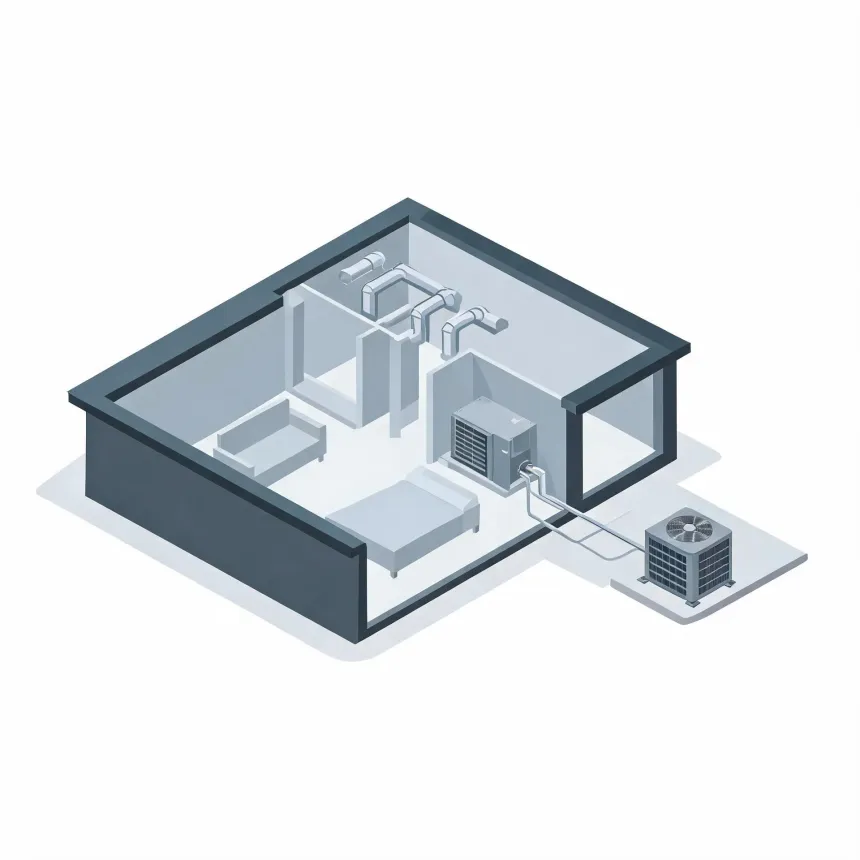
Isometric cutaway illustration of a small home interior with furniture and ducting, showing an indoor air handler connected by lines to an outdoor condenser unit on a pad.
Your air conditioner works hardest from May through September.

NOAA nClimDiv, 1991–2020 normals

The SEER2 number tells you how much cooling the unit gets out of the power it uses, nothing about how strong or how big it is.

A high SEER2 unit sized wrong for your house still runs long and costs more than it should.

Gas heats most homes in Fort Bend County, and that's what your AC install needs to work around

57.7% of homes heat with gas
Climate zone 2A
Power costs 14.94 cents a kWh statewide
Severe weather hits Fort Bend County often91 severe weather events in Fort Bend County between 2015 and 2024

Cooling runs April through October here, seven months of the year. March is the month before that starts, and it's the better time to replace a unit than during one of those seven. A breakdown in April means taking whatever can be installed fastest, often whatever's in stock. Replace in March instead and you get to choose, checking SEER2 ratings and sizing against your house rather than settling. The system also gets tested under real load almost right away once the heat starts, so anything wrong with the install shows up while it's still easy to call someone back.

Any new system here has to meet a higher SEER2 floor

Fort Bend County sits in zone 2A, a hot, humid climate where cooling carries most of the year's load. Split-system air conditioners installed here have to meet at least 14.3 SEER2, higher than what's required in most of the country. That floor is already built into what a contractor can install for you. A federal tax credit is available on top of that for equipment that qualifies, worth asking about while you're comparing units.

Find a contractor
A man in a cap, dark shirt and tan work pants, seen from behind carrying a worn canvas tool bag, steps up onto a porch toward an orange front door beside a potted shrub.
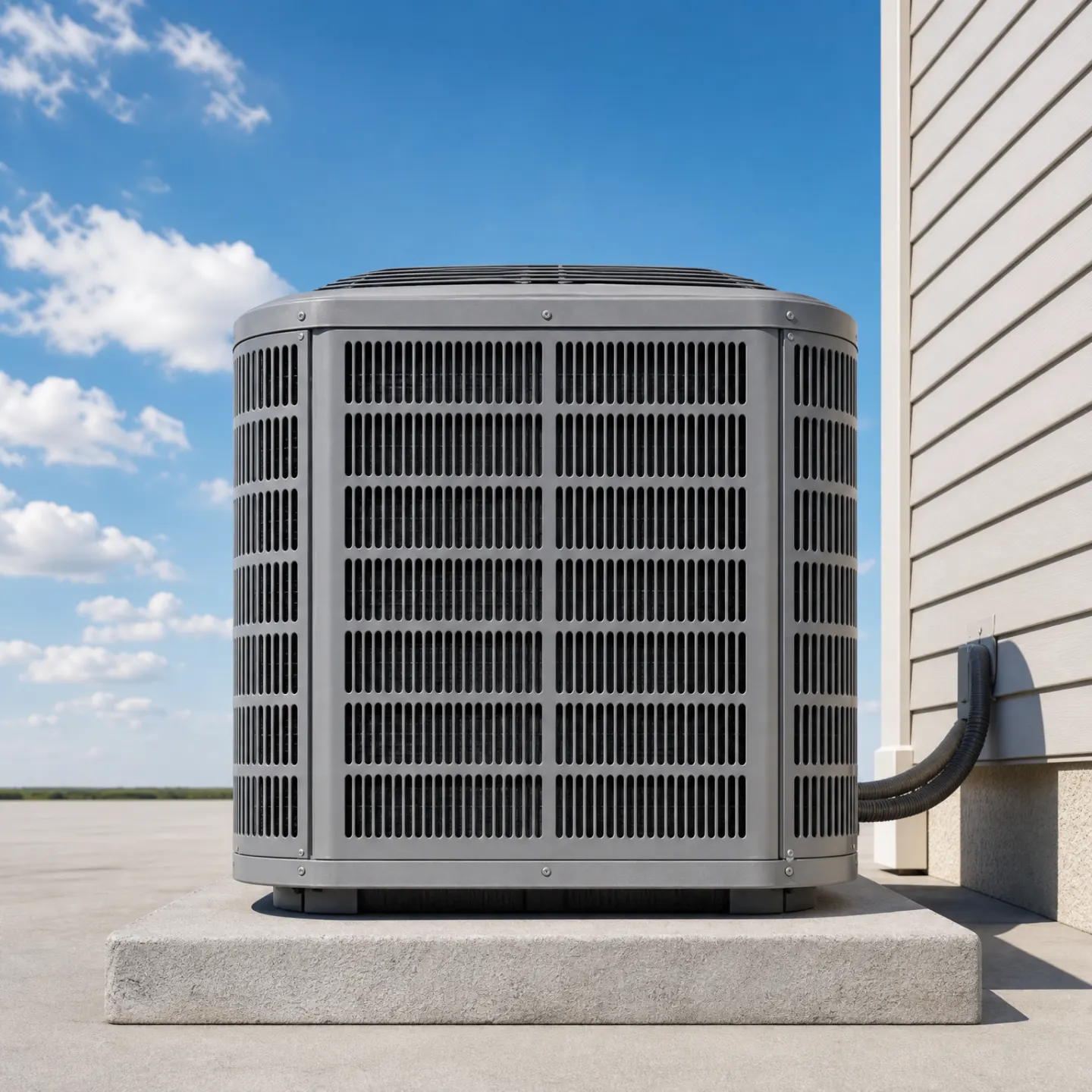
A gray cylindrical air conditioning condenser unit mounted on a concrete pad next to a light-colored vinyl-sided house exterior.

Seven months of load, every year

Seven months of cooling, with afternoons averaging 93 degrees across June, July and August. That's the load a new system sits under here, year after year. The compressor isn't cycling off for a break most of the summer, it's holding that temperature down through the hottest part of the day, day after day. A unit sized right for your house handles that without strain. One sized wrong, even by a little, runs longer than it should to make up for it, and the parts carrying that extra work are the ones that show trouble first.

The old unit gets disconnected and hauled off

A contractor doing the install recovers the refrigerant from the old system before touching anything, since it can't legally be vented into the air. After that the old condenser, the indoor coil, and sometimes the air handler come out. Copper lines, the old pad, and any wiring specific to that unit usually go with it, since new equipment rarely reuses old line sets.
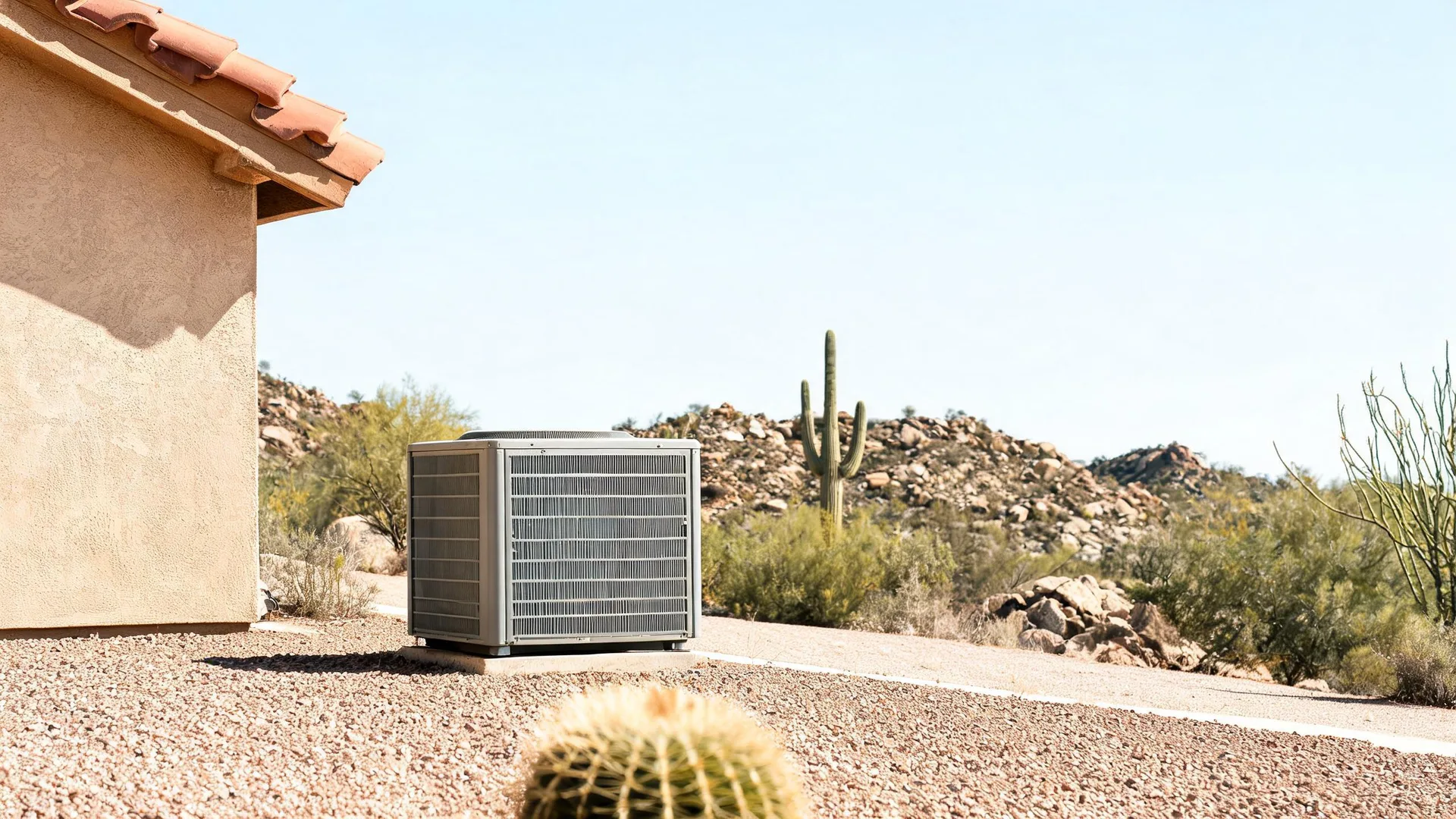
What gets reused depends on what's underneath

Ductwork, the return, and the electrical disconnect often stay if they're in good shape and sized right for the new unit. A contractor checks those before quoting the job, because a new system matched to old ducts that are too small won't perform the way the rating on the box says it should.

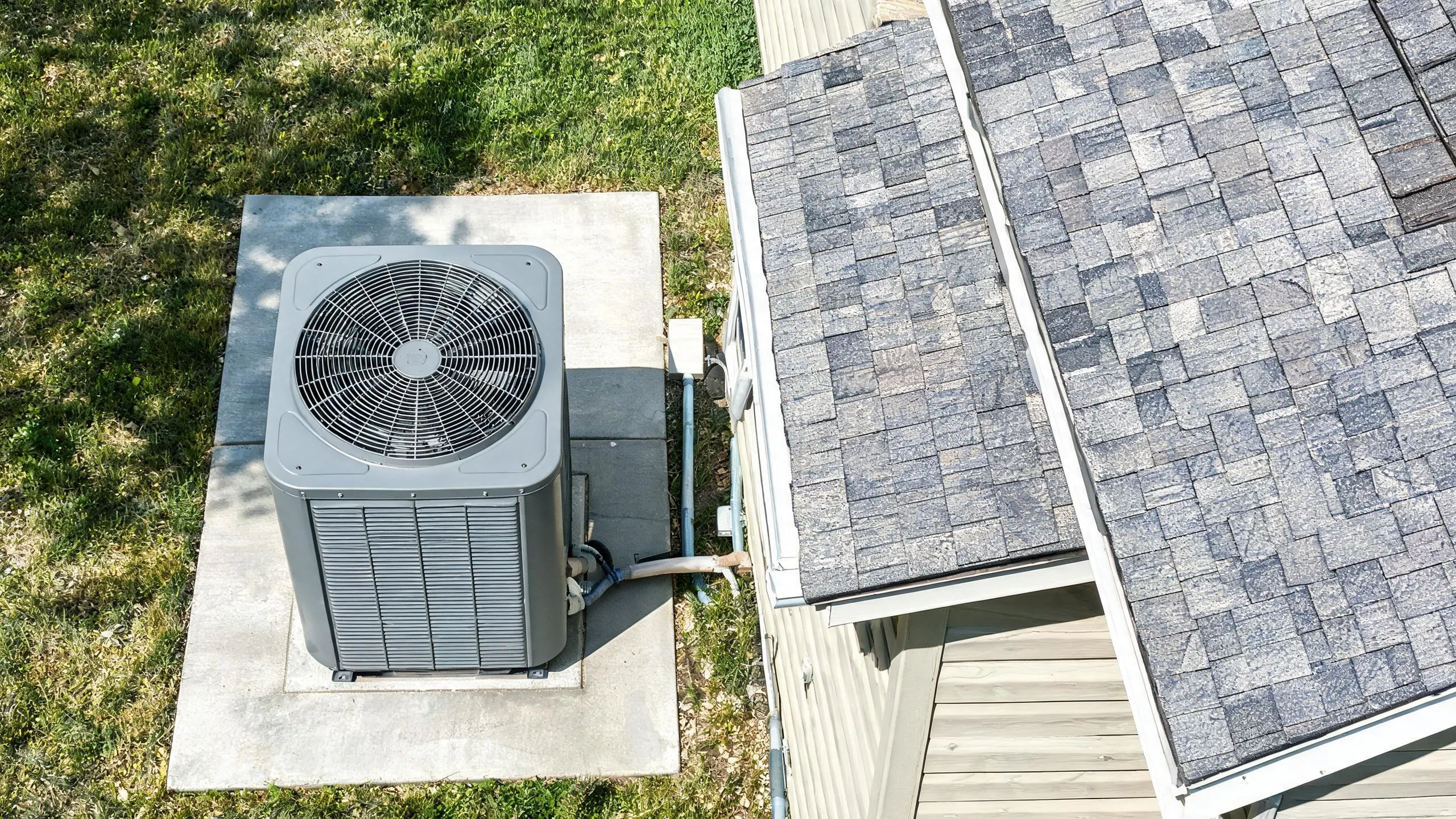
Overhead view of a gray residential air conditioning condenser unit mounted on a concrete pad beside a house with asphalt shingle roofing.

A higher-efficiency unit would save about $40 a year to run in Fort Bend County compared with a new unit at the federal minimum.

  • A higher-efficiency unit$540 a year
  • A new unit at the federal minimum, 14.3 SEER2$580 a year

Estimates for a typical Fort Bend County home, from EIA household energy data, Texas fuel prices and NOAA climate normals. Your home will differ.

Installation starts with the load calculation, not the equipment. A contractor measures your square footage, your windows, your insulation, and works out how much cooling the house actually needs before anything gets ordered. The old equipment comes out first, then the new condenser goes on the pad outside and the coil ties into the air handler or furnace. Line sets get run or replaced, the electrical disconnect gets checked, and the whole system gets charged with refrigerant to the amount the manufacturer specs for that unit. Once it's running, a contractor checks the temperature split between the air going in and the air coming out, and checks the pressures on the line to confirm the charge is right. That last check matters as much as anything that happened before it. A unit can be installed cleanly and still cool poorly if the charge is off by even a little, so this is the step that decides whether the rest of the day's work pays off.