


Texas Cooling Help
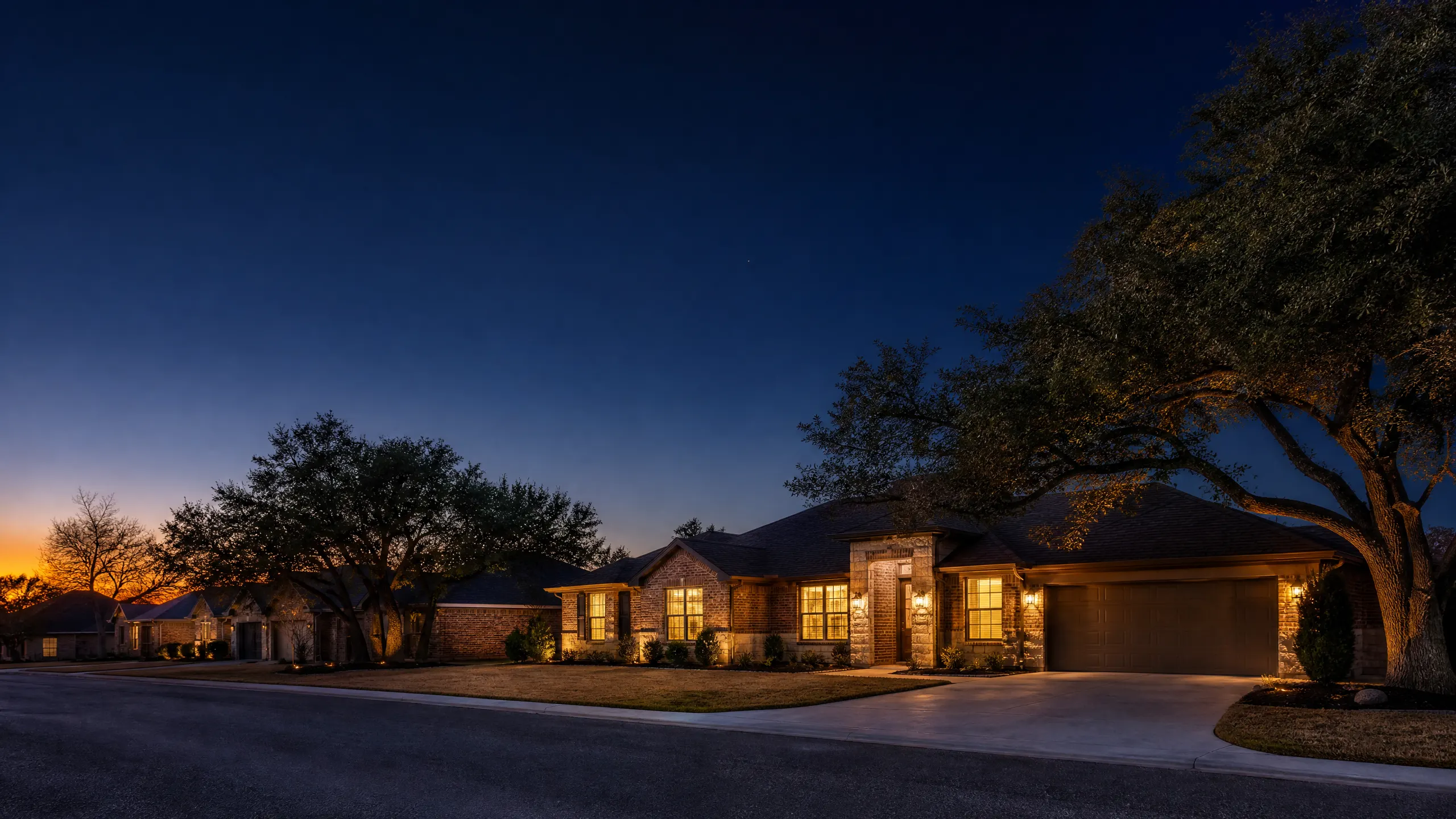
A lit single-story brick ranch house with a two-car garage photographed at dusk on a quiet residential street lined with oak trees.

AC Installation in Forney, TX

Tell us about the job

Takes about a minute. No obligation.

Step 1 of 3: Equipment

Texas homeowners paid 14.94 cents per kilowatthour in 2024. That's a real cost every time the compressor kicks on, and in Forney the compressor kicks on a lot. A new system's efficiency rating matters more here than in a cheaper-power state, because every percentage point shows up on the bill month after month. When you're comparing units for a new install, the SEER2 number on the label is worth reading closely, not skimming past. The right size matters too. A unit that's too big or too small for the house ends up working harder than it should, no matter how high its rating.

6 months
May through October, your air conditioner is on duty
93°F
the average summer afternoon it cools against
58 hail events
in ten years, and hail bends the fins on outdoor coils
13.4 SEER2
the federal minimum any new unit must meet
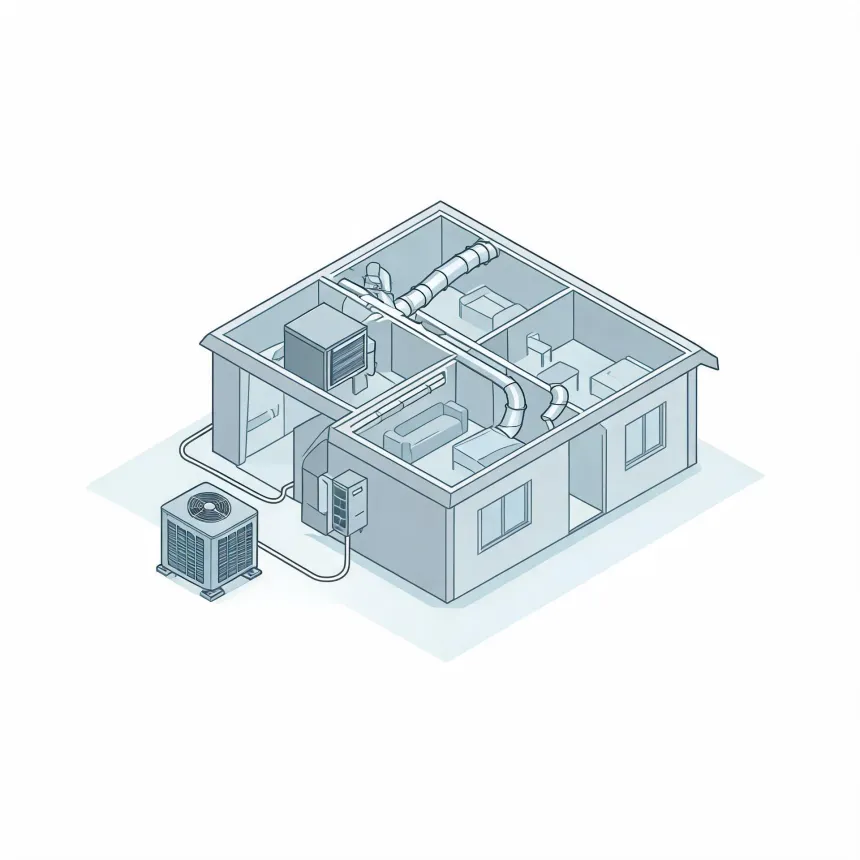
Isometric line illustration of a cutaway house showing interior rooms with ductwork, an air handler and furnace, connected by lines to an outdoor condenser unit on the ground outside.
Your air conditioner works hardest from June through September.

NOAA nClimDiv, 1991–2020 normals

The SEER2 number tells you how much cooling the unit gets out of the power it uses, not how strong it is.

A unit with a higher rating and one with a lower rating can cool a house at the same speed and still land on different electric bills.

Six months of 93 degree afternoons is a lot to ask of one system

Cooling runs May through October
Summer afternoons average 93°F
Power costs 14.94 cents a kWh statewide

Cooling starts in May here. April is when a new system should already be in, not when you start calling around. Replacing a unit after it fails on the first hot day means you're picking from whatever is in stock, on whatever schedule the installer has open that week. Replacing it in April means you pick the size and the rating that actually fits the house, and the install happens before the load hits. Six months of run time is a long stretch to find out partway through that the unit is wrong for the place.

Electric heat runs most homes here, and central AC fits right alongside it

Most homes in Kaufman County heat with electricity. Central air conditioners pair with that setup without any extra conversion, since the same electric service that runs the furnace or heat pump runs the AC. Replacing an existing system with another electric central unit is the straightforward path for most houses here.

Find a contractor
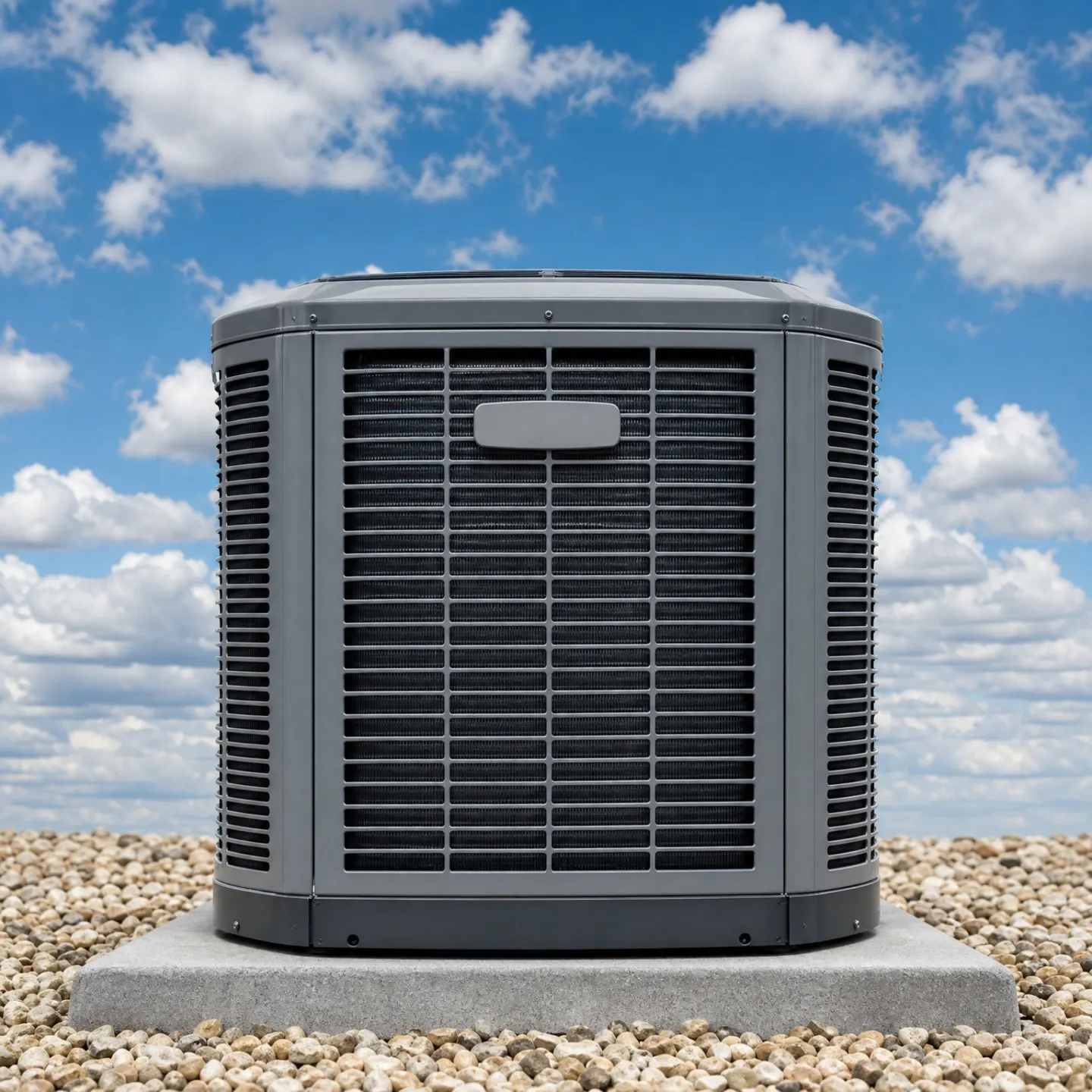
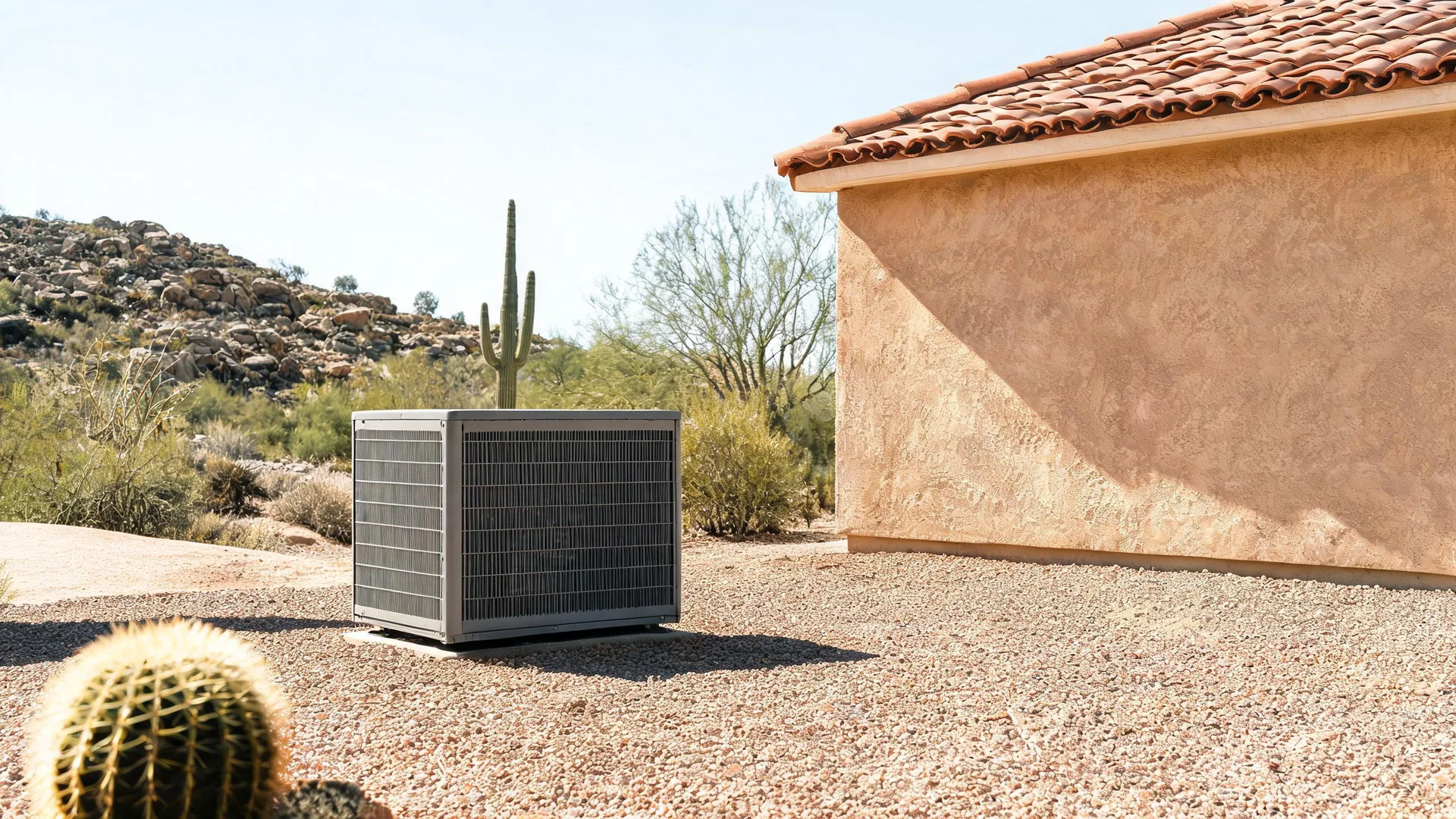
An outdoor air conditioning condenser unit mounted on a concrete pad surrounded by gravel, photographed against a partly cloudy blue sky.

Pick the system for the load it will actually carry

Six months is a long run for one unit to carry at full effort. When you're comparing systems for the install, ask what each one is rated to handle at the top end, not just what size the house seems to call for. A system matched to this load holds steady through June, July and August. One sized for a milder place is working past what it's built for by midsummer, every year it runs.

Sizing comes from a load calculation, not the old unit's label

A contractor works out the right size by looking at the square footage, the windows, the insulation, the ceiling height and how many people and appliances are putting heat into the house. Matching whatever size is already out there skips all of that. If the last unit was never sized right, copying it just repeats the mistake with new equipment.
Oversized and undersized both wear a system out, in different ways

A unit too big for the house cools the air fast and shuts off before it pulls the moisture out, so the house feels clammy even at the right temperature, and the compressor is starting and stopping more than it should. A unit too small never catches up on the hottest afternoons and runs nearly nonstop trying. Either way the system is working against its own design instead of with it.

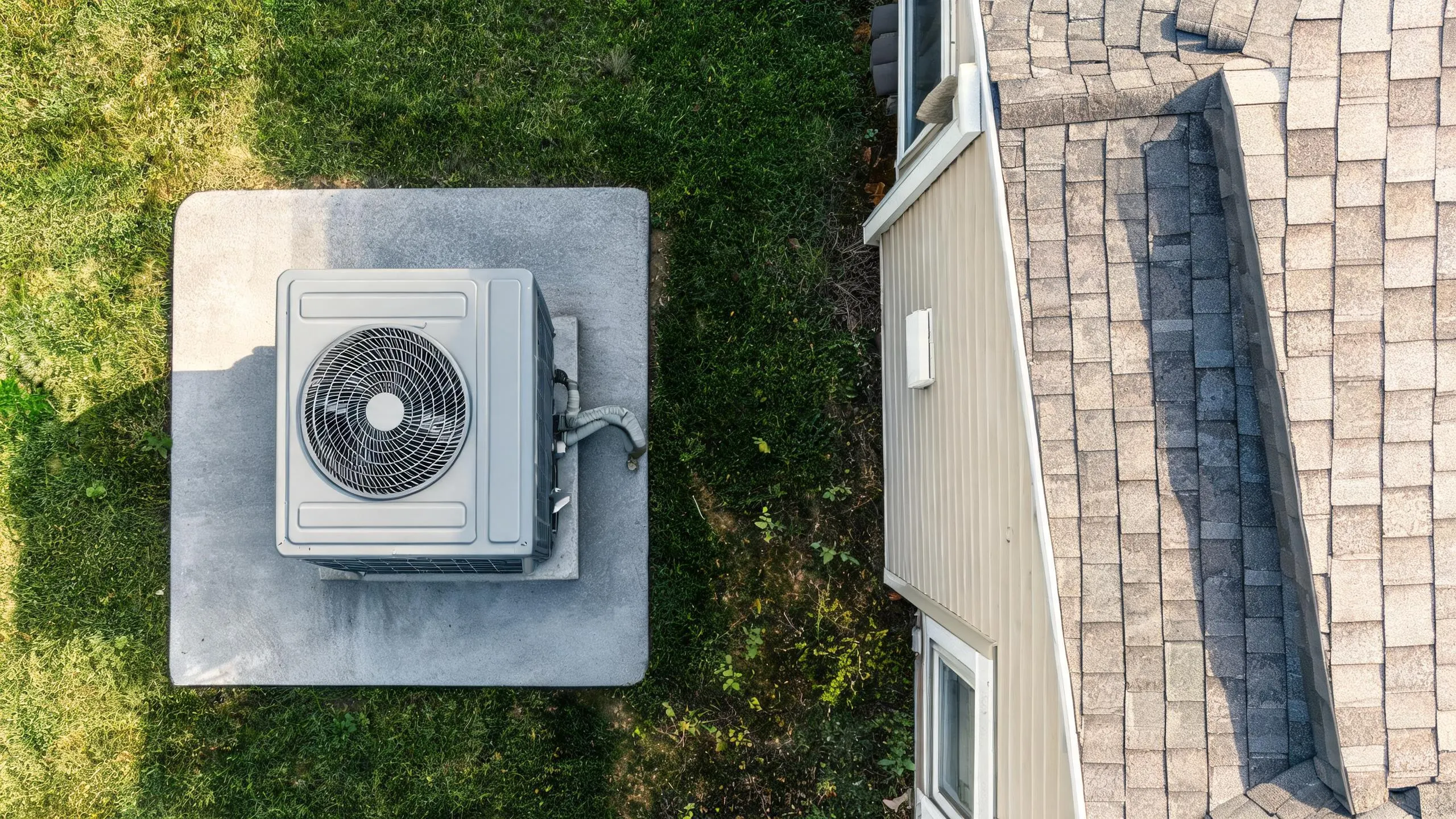
Overhead view of an air conditioning condenser unit on a concrete pad next to a house with asphalt shingle roofing and vinyl siding.

A higher-efficiency unit would save about $30 a year to run in Kaufman County compared with a new unit at the federal minimum.

  • A higher-efficiency unit$430 a year
  • A new unit at the federal minimum, 14.3 SEER2$460 a year

Estimates for a typical Kaufman County home, from EIA household energy data, Texas fuel prices and NOAA climate normals. Your home will differ.

Installation day starts with the old unit coming out, both the outdoor condenser and the indoor coil, along with the line set that connects them if it's not being reused. A tech will check the electrical disconnect and the breaker to make sure they match what the new unit calls for, since that's not always the same as what the old one needed. The condenser gets set on a pad outside, the coil goes in above or beside the furnace, and new refrigerant lines get run and sealed if the old ones aren't staying. Once everything's connected, the system gets charged with refrigerant to the exact amount the manufacturer specs, not just topped off by feel. The last step is running the system and checking airflow at the vents, the temperature split between the air going in and coming out, and the pressures in the lines. A job done right ends with the tech walking the thermostat settings with whoever's home, not just packing up and leaving.