


Texas Cooling Help
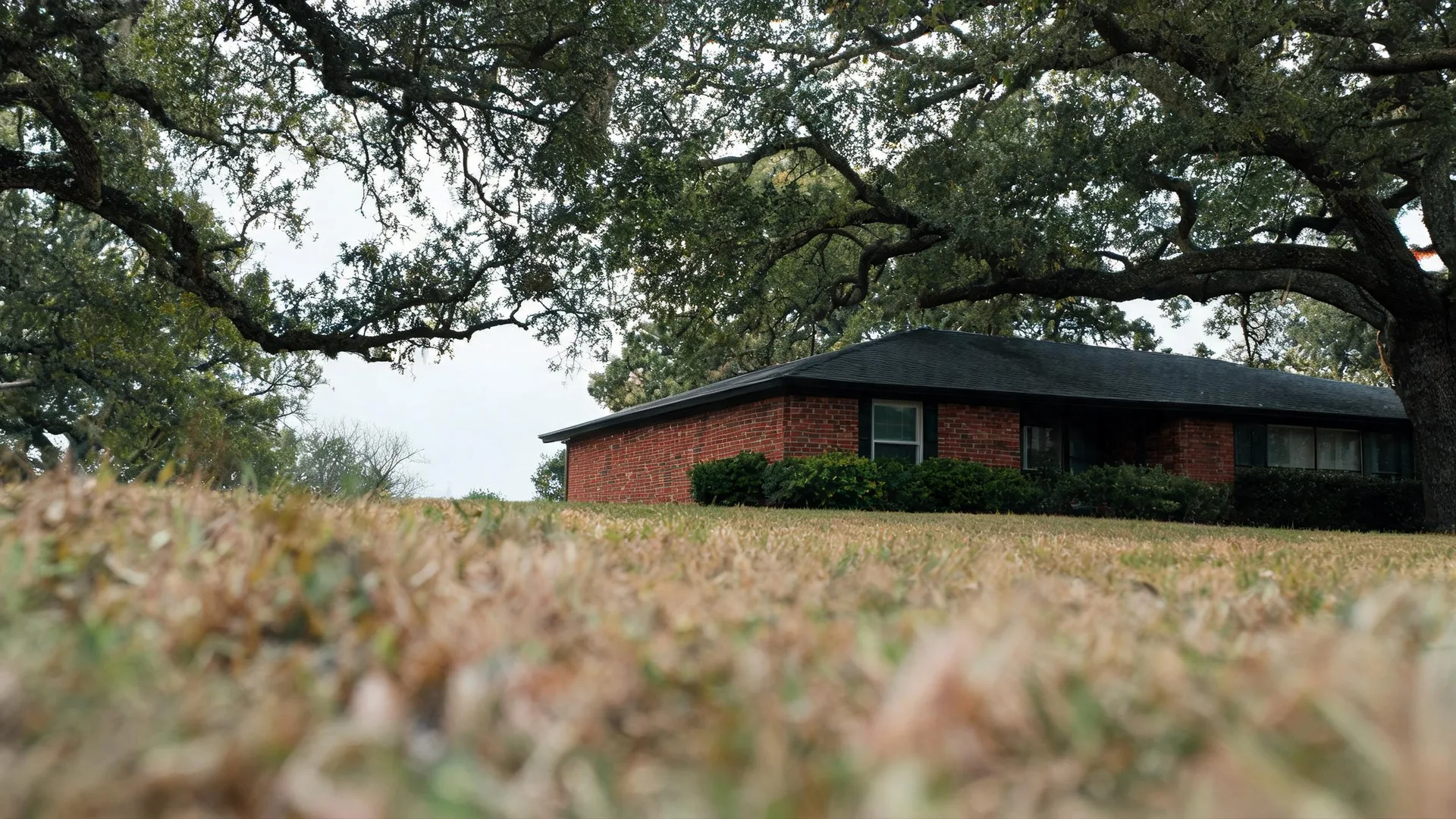
Low-angle view across a dry lawn toward a single-story brick house with a dark shingled roof, framed by large overhanging oak branches under an overcast sky.

AC Installation in Plano, TX

Tell us about the job

Takes about a minute. No obligation.

Step 1 of 3: Equipment

Texas households paid 14.94 cents per kilowatthour in 2024. A lower SEER2 rating means the system pulls more power to produce the same cooling, and that gap shows up on every bill it runs through, not just one or two. A new install is the point to get this right, since the rating you choose now is what you'll be paying against for years. Ask a contractor what SEER2 rating makes sense for this house and this budget before deciding.

6 months
May through October, your air conditioner is on duty
93°F
the average summer afternoon it cools against
283 hail events
in ten years, and hail bends the fins on outdoor coils
13.4 SEER2
the federal minimum any new unit must meet
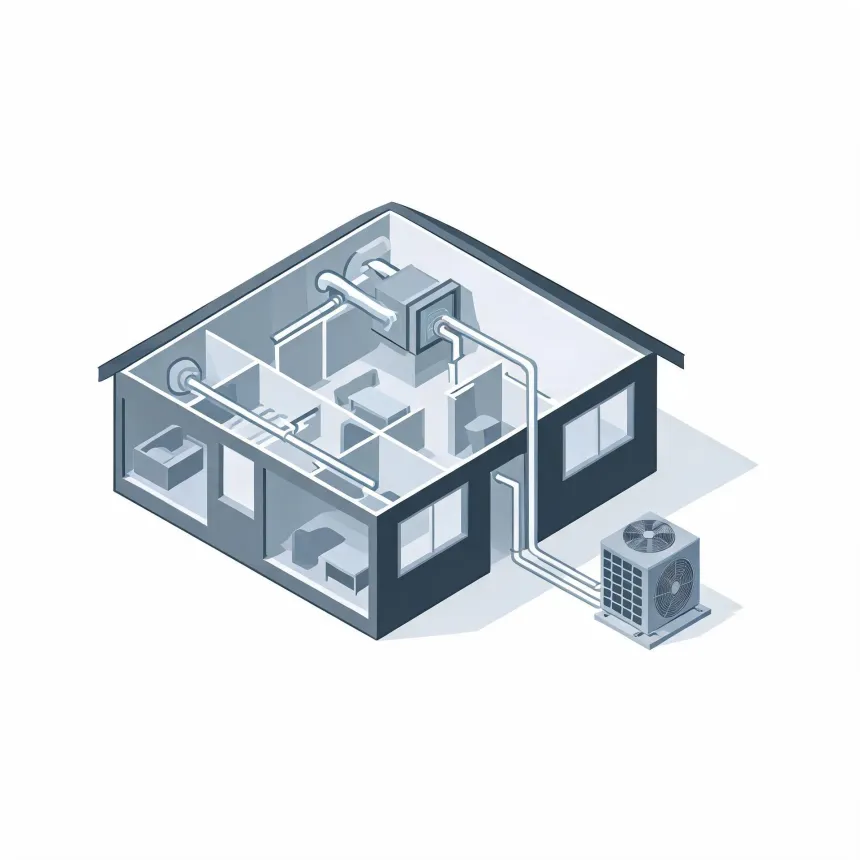
Isometric cutaway illustration of a single-story house showing interior ductwork and an air handler connected by lines to an outdoor condenser unit on a pad beside the building.
Your air conditioner works hardest from June through September.

NOAA nClimDiv, 1991–2020 normals

The old condenser and coil don't just sit there once the new system goes in.

A contractor disconnects the refrigerant lines and electrical, then hauls the old unit away as part of the install.

Hail and high wind are routine in Collin County, so the new unit needs a protected spot from the start

435 severe weather events from 2015 to 2024
33% of homes statewide lost power a day or more in 2024
86 damaging wind events from 2015 to 2024

Plano sits in climate zone 3A, warm and humid with a long stretch of cooling and only a short mild winter. Texas falls under the Southeast region for federal efficiency rules, and that region's minimum runs higher than what the rest of the country requires. A split-system air conditioner installed here has to hit at least 14.3 SEER2 if it's rated below 45,000 Btu/h, or 13.8 SEER2 at or above that size. That's the floor, not a target, so whatever gets sized for this house has to clear it before it can legally go in. A federal tax credit is available on top of that, for equipment that qualifies.

Central air stands on its own here, whatever heats the house

Close to half of homes in Collin County heat with electricity, and gas covers most of the rest. Both pair with central air, so the AC side of this install stands on its own, sized for this house rather than whatever heats it. A contractor can walk through what fits before the old system comes out.

Find a contractor
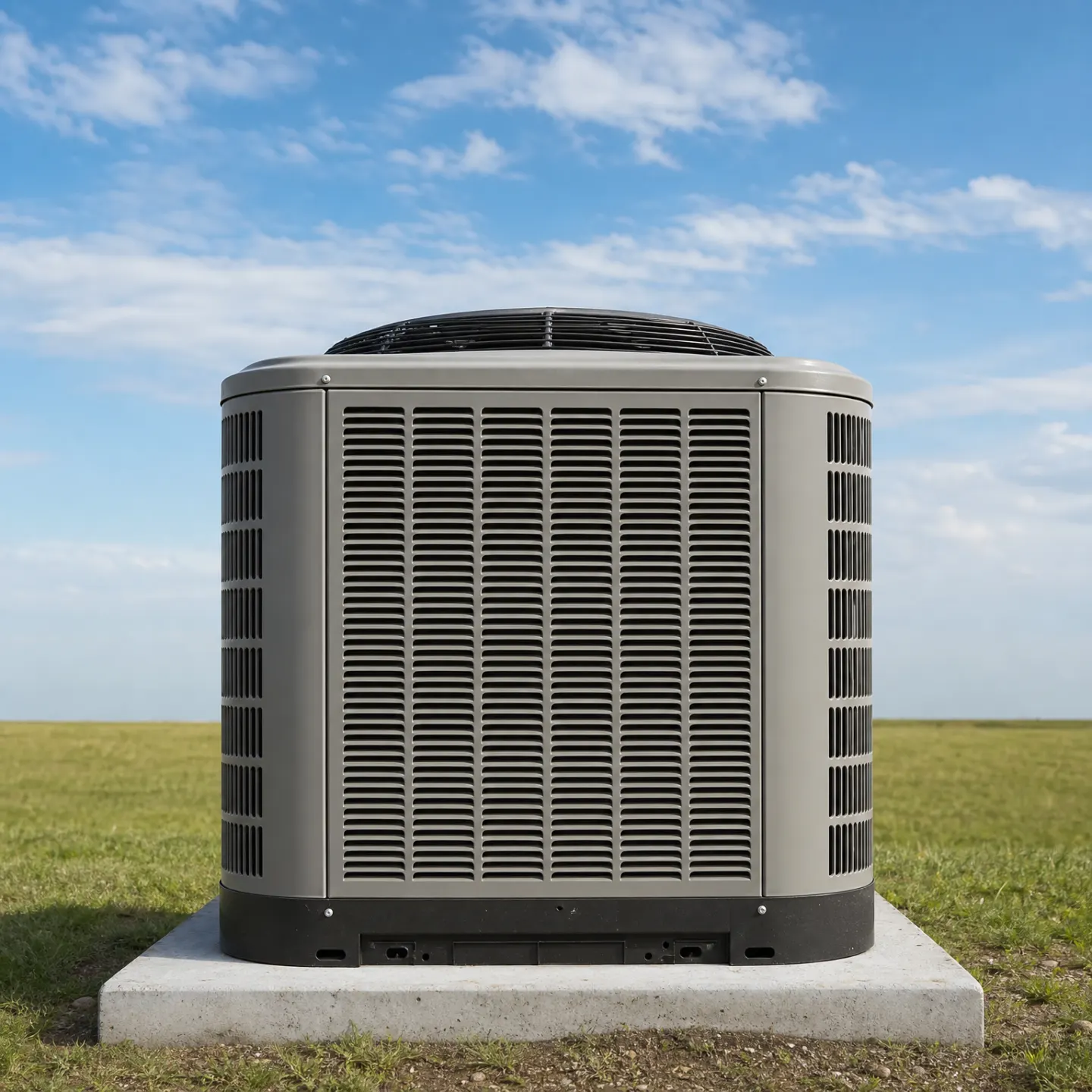
A gray metal air conditioning condenser unit mounted on a concrete pad in a flat grassy field under a partly cloudy sky.

Six months of Texas summer, every year

Six months of cooling a year, with afternoons averaging 93°F through June, July and August. That's the load a new system sits under here, season after season, not just a few weeks of heat. The compressor runs longer to hold a setpoint against that kind of heat, and it does that from May through October. A unit sized too small for this house will run close to constant trying to keep up, and that wears it down sooner. Sizing this right from the start matters more here than in a milder climate, and it's worth asking a contractor to size against this heat specifically, not a national average.

Ask for a load calculation, not a size

A contractor should walk the house room by room and run a load calculation, not quote a system off square footage or match whatever the old unit was. Window placement, ceiling height, and how the rooms sit all change what size system a house actually needs. If a contractor gives a number without walking through the house first, ask how they got it.
Ask what the ductwork needs before the new unit goes in

A new condenser only cools as well as the ducts it's connected to. Leaks, crushed runs, or ducts sized for a different system hold back even a well matched unit. Ask whether the ductwork gets inspected as part of the quote, and what it would take to seal or resize anything that won't carry the new system's airflow.

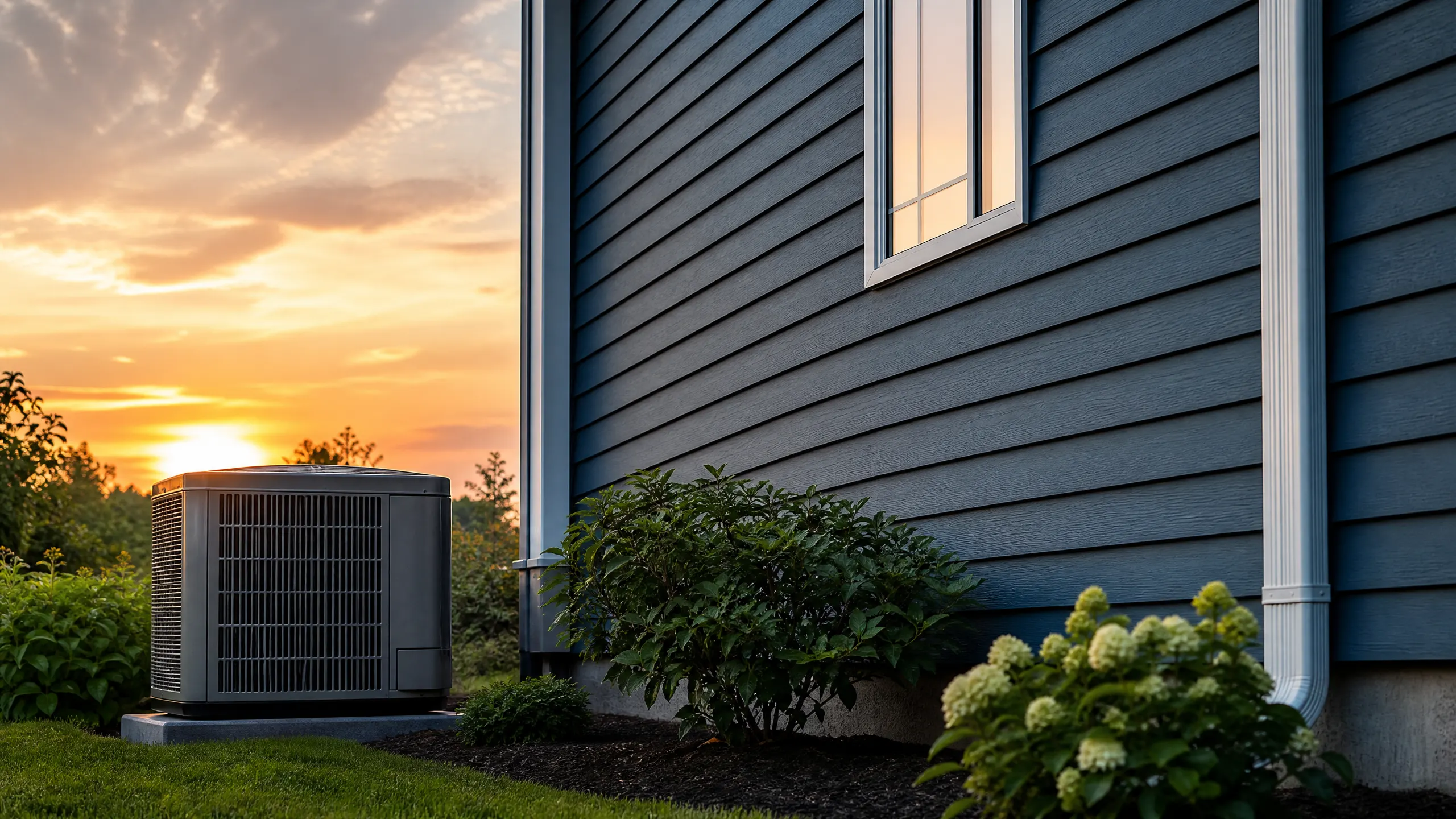
An outdoor air conditioning condenser unit positioned on a concrete pad next to a blue-sided house, surrounded by green shrubs and flowering hydrangeas at sunset.

A higher-efficiency unit would save about $30 a year to run in Collin County compared with a new unit at the federal minimum.

  • A higher-efficiency unit$410 a year
  • A new unit at the federal minimum, 14.3 SEER2$440 a year

Estimates for a typical Collin County home, from EIA household energy data, Texas fuel prices and NOAA climate normals. Your home will differ.

Installation day starts with a walkthrough, confirming the plan matches the house before anything gets disconnected. The old system comes out first, refrigerant recovered, lines drained, then the new line set and pad go in if the condenser is moving to a better spot. Setting the condenser and connecting the lines takes a good part of the day by itself, and that's before the indoor coil and air handler get tied in. Lines get brazed, pressure tested, then pulled into a vacuum to clear out moisture and air before any refrigerant goes back in. Skipping that step is what leads to a system that runs short on charge from week one. Once it's charged, a contractor checks airflow at the vents, checks the refrigerant levels against the manufacturer's spec, and runs the system through a full cycle before calling it done.