



Texas Cooling Help
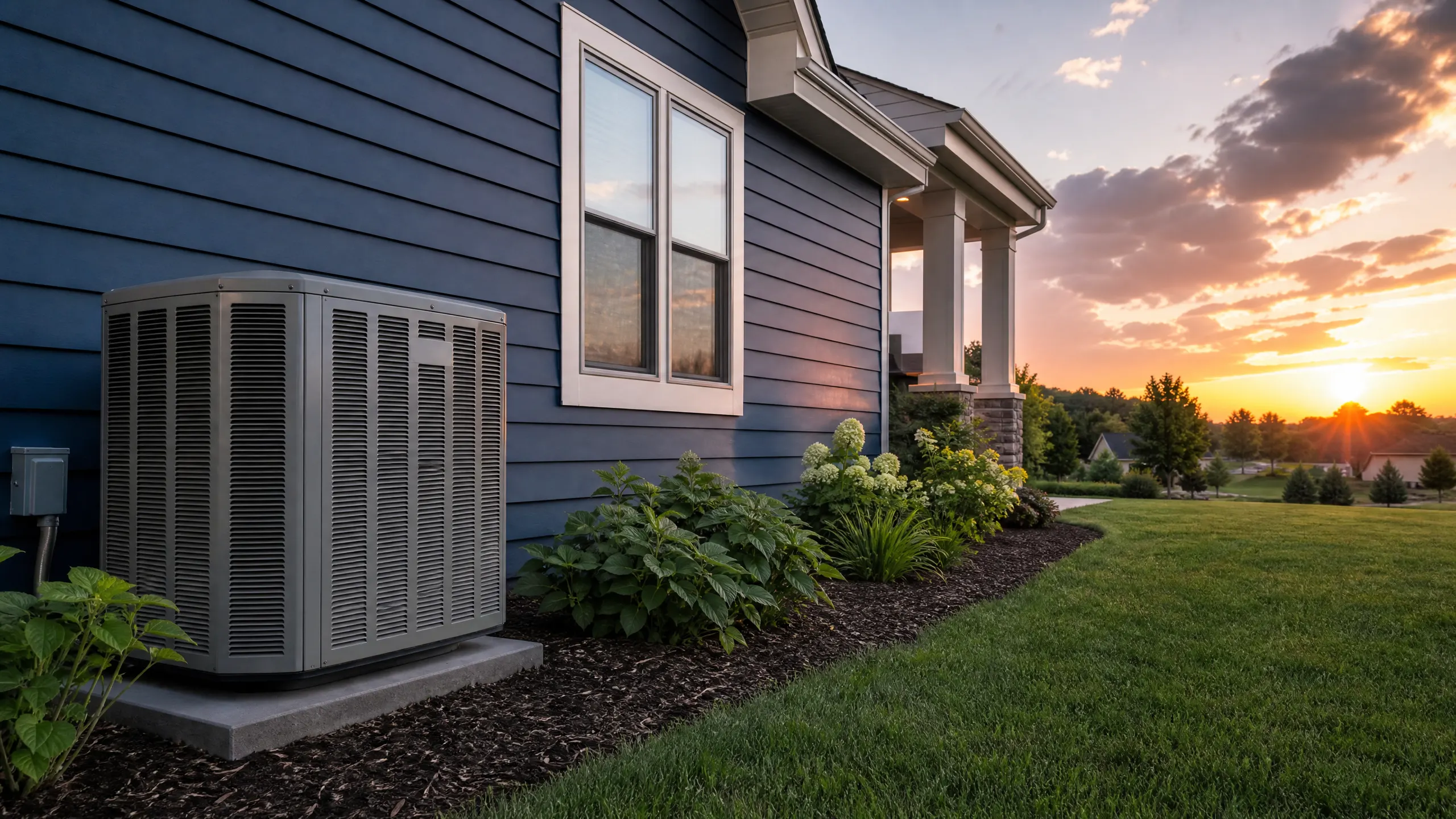
An outdoor central air conditioning unit mounted on a concrete pad beside a blue-sided house at sunset.

AC Installation in New Braunfels, TX

Tell us about the job

Takes about a minute. No obligation.

Step 1 of 3: Equipment

Texas homes paid about 14.94 cents per kilowatt-hour in 2024. That rate applies to every hour your air conditioner runs, and in New Braunfels that's most months of the year. A unit sized and installed correctly for your house pulls less power to do the same job, month after month. One that's oversized, undersized, or set up with the wrong refrigerant charge works harder than it should, and you pay for that extra work at the same rate. Installation is the one chance to get the sizing and setup right before the meter starts running.

7 months
April through October, your air conditioner is on duty
94°F
the average summer afternoon it cools against
72 hail events
in ten years, and hail bends the fins on outdoor coils
13.4 SEER2
the federal minimum any new unit must meet
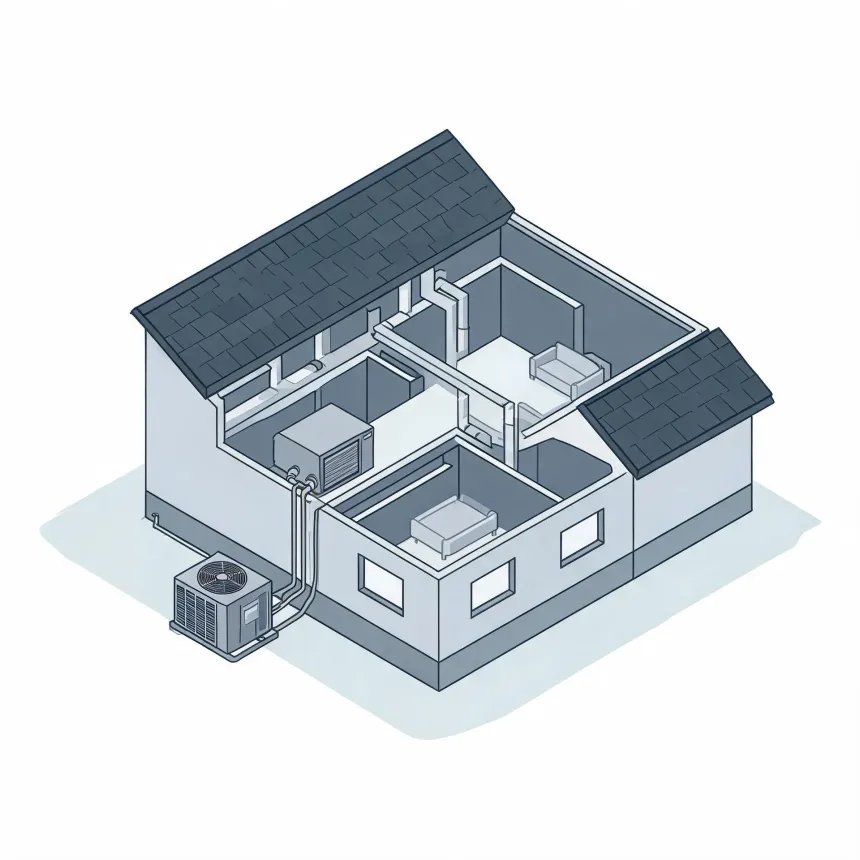
Isometric line illustration of a cutaway single-story house showing interior rooms, ducted air handler, ceiling ductwork, and an outdoor condenser unit connected by refrigerant lines.
Your air conditioner works hardest from May through September.

NOAA nClimDiv, 1991–2020 normals

Cooling runs April through October here, seven months straight.

March is when to put in a new system, before it has to work.

Seven months of 94 degree afternoons is what your new system is up against

Cooling runs April through October
Summer afternoons average 94°F
Power costs 14.94 cents a kWh statewide

New Braunfels sits in climate zone 2A, a hot, humid zone where cooling carries the year. Because of that, a split-system air conditioner installed here has to clear 14.3 SEER2, a higher bar than the 13.4 SEER2 minimum that applies in most of the country. That difference is set by region, not by your house, so it applies no matter what you're replacing. A system that just meets the national minimum can't legally go in here. A federal tax credit is available for qualifying high-efficiency equipment, worth checking against whatever you're considering.

Electric cooling is the standard here, so matching it keeps the job simple

Most homes in Comal County run on electricity, and that includes the air conditioner going in now. Replacing an electric system with another electric system is the straightforward path, and the installer can size the new unit to your house rather than work around a different fuel setup.

Find a contractor
A man in a dark long-sleeved shirt and brown work pants carries a worn canvas tool bag up wooden porch steps toward a red-orange front door, with a potted shrub beside the entry.
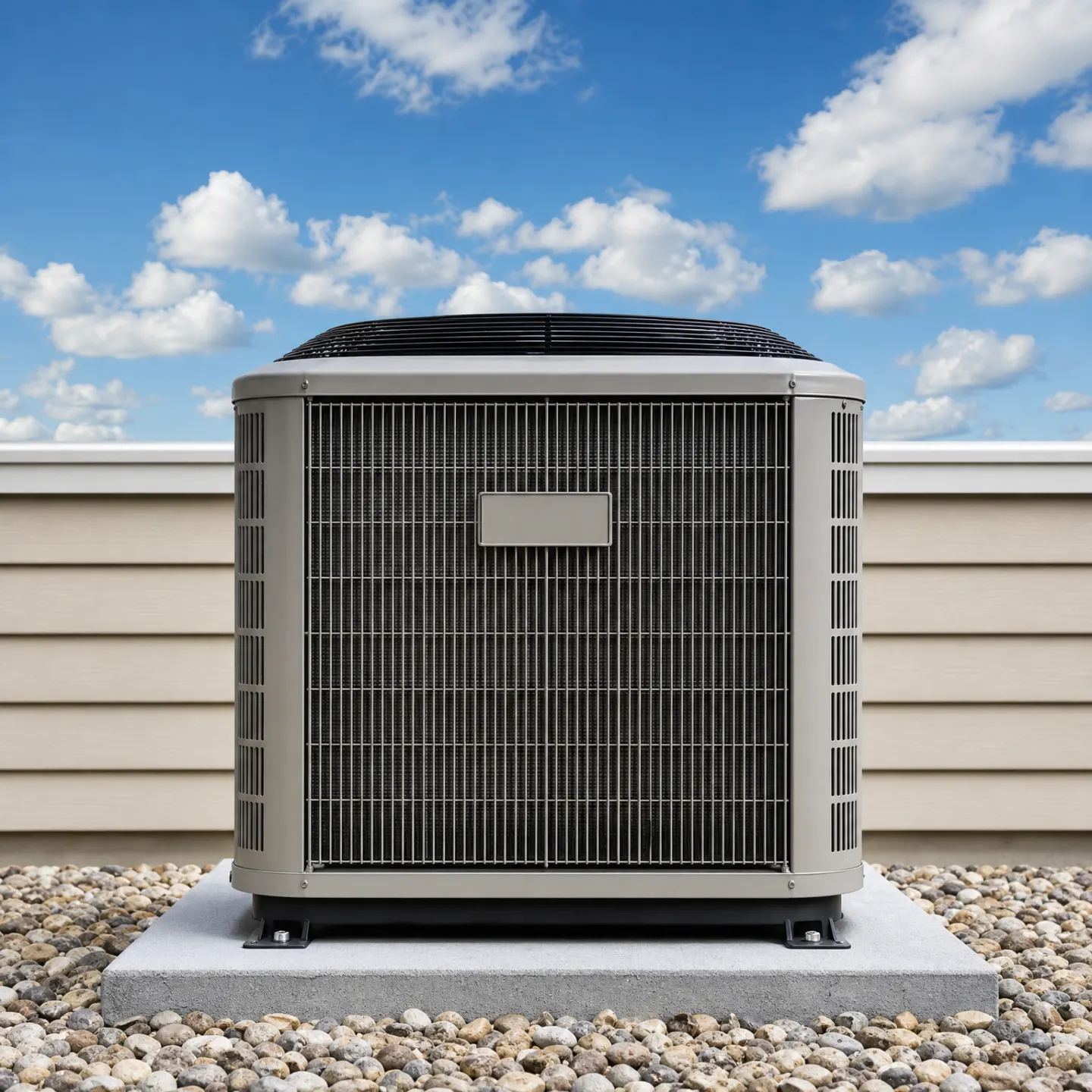
An outdoor residential air conditioning condenser unit mounted on a concrete pad, surrounded by gravel with a blue sky in the background.

It runs seven months a year here, so size it for that

Get the sizing right this time. A system that's too big or too small for your house will run April through October no matter what, and seven months of 94 degree afternoons will find that mistake fast. Ask whoever quotes the job to walk through how they sized it, not just what brand they're selling.

The rating is tested, not promised

SEER2 measures how much cooling a system delivers against the power it draws over a season, under a fixed test. It tells you how the equipment performs on paper. What you actually get depends on whether the ductwork is sealed, the refrigerant charge is correct, and the unit is sized to the house it's in. A high number on a system that's set up wrong won't deliver that number.
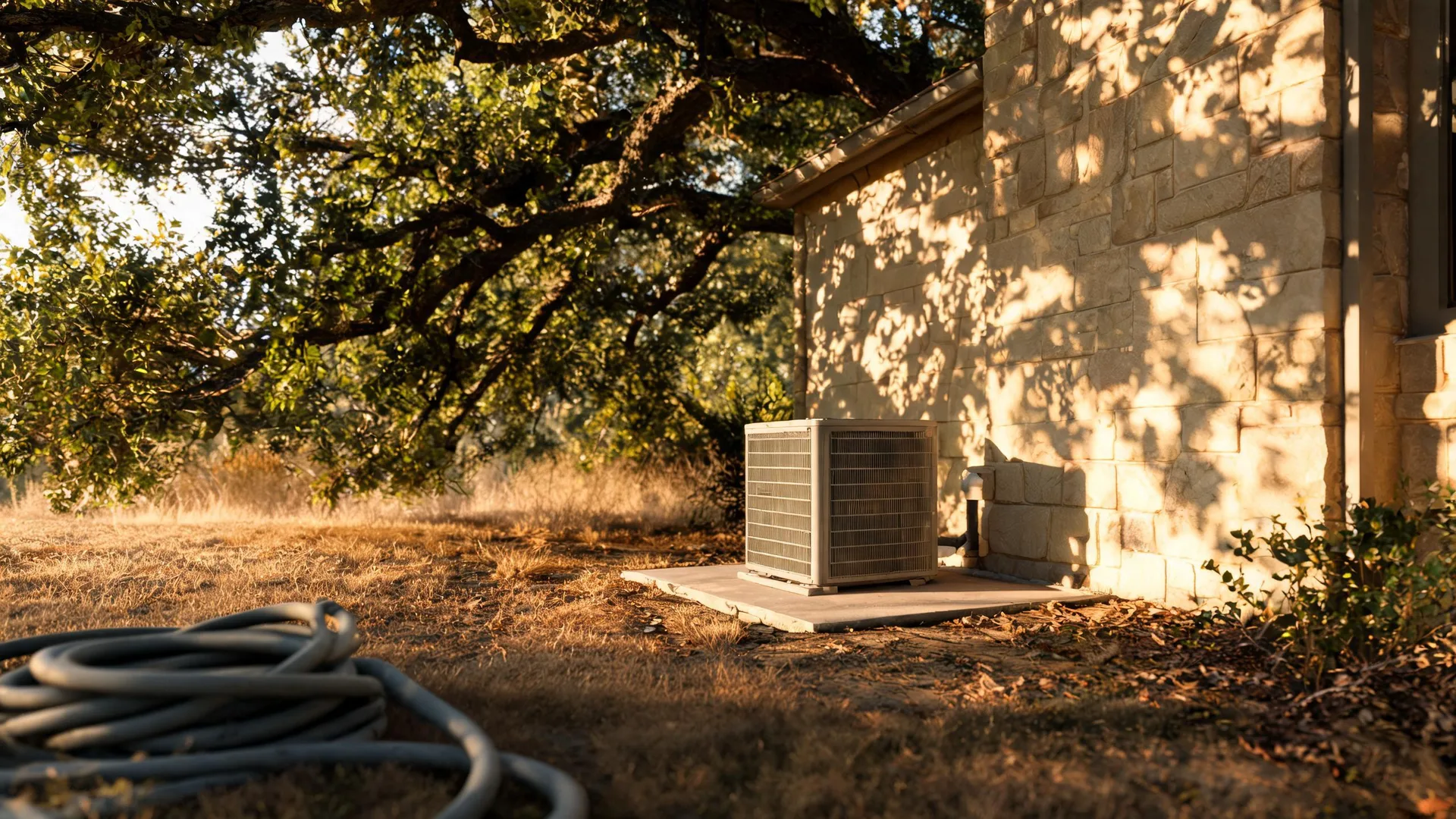
The rating only holds if the install matches it

A higher SEER2 unit has more capacity to lose if the installation is off. Low airflow, an undercharged line, or a system that's oversized for the space all cut into the efficiency the rating promises. Ask the installer how they verify charge and airflow once the system is in, not just which rating the equipment carries.

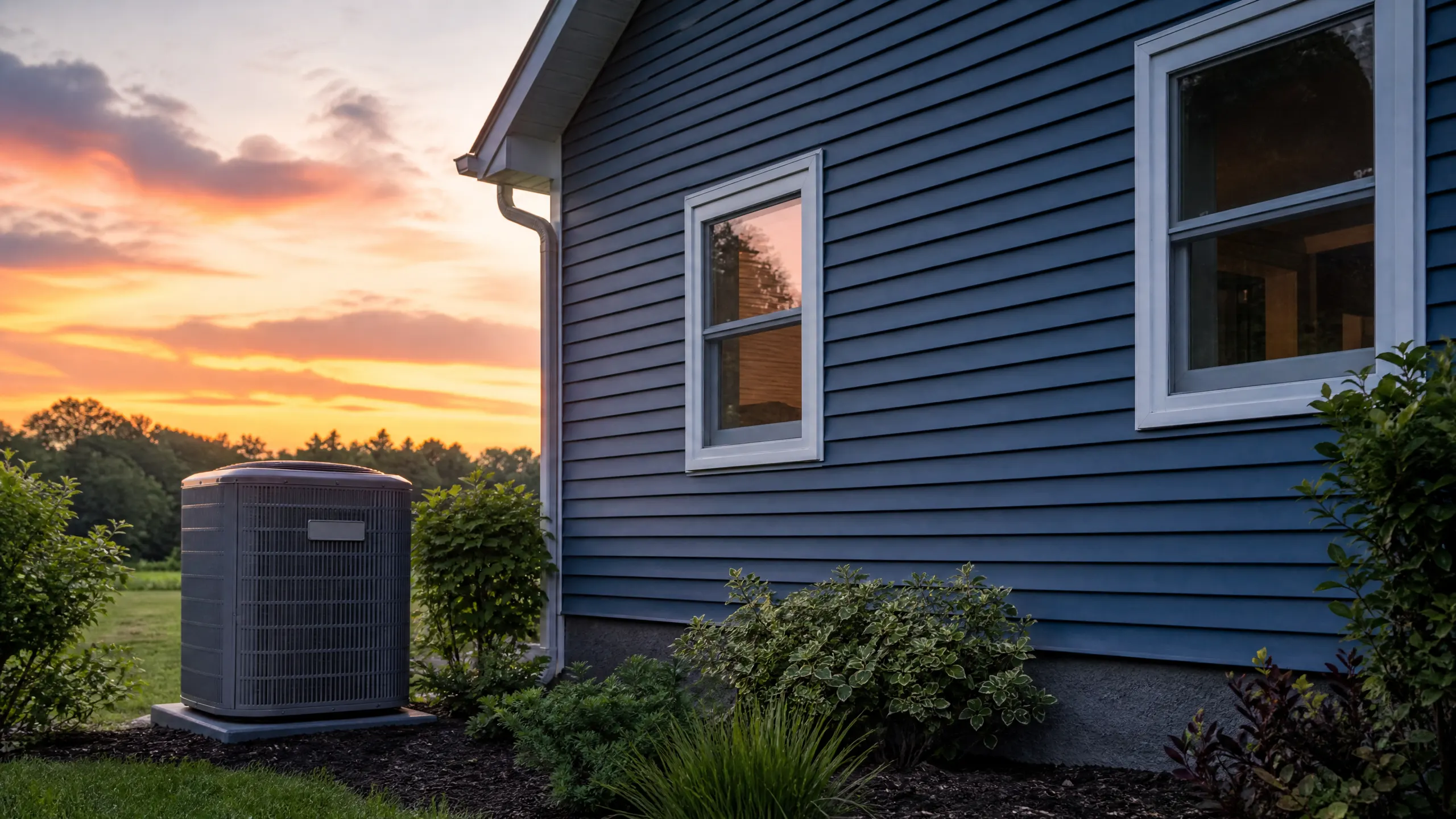
An outdoor air conditioning condenser unit installed beside the exterior wall of a blue vinyl-sided house at sunset.

A higher-efficiency unit would save about $30 a year to run in Comal County compared with a new unit at the federal minimum.

  • A higher-efficiency unit$490 a year
  • A new unit at the federal minimum, 14.3 SEER2$520 a year

Estimates for a typical Comal County home, from EIA household energy data, Texas fuel prices and NOAA climate normals. Your home will differ.

A load calculation comes before anything gets carried into the house. The installer measures the square footage, the windows, the insulation, and figures the tonnage your house actually needs rather than guessing off the old unit. Once the outdoor unit and indoor coil are set, the lines get evacuated to pull out moisture and air before the refrigerant charge goes in. The ductwork gets checked for leaks at the joints. The system gets wired in, the thermostat gets set up, and then it runs through a test cycle while the installer checks the charge, the airflow at the vents, and the temperature split between the air going in and the air coming out. That last check is what tells you the install matches the equipment, not just that it powers on.