



Texas Cooling Help
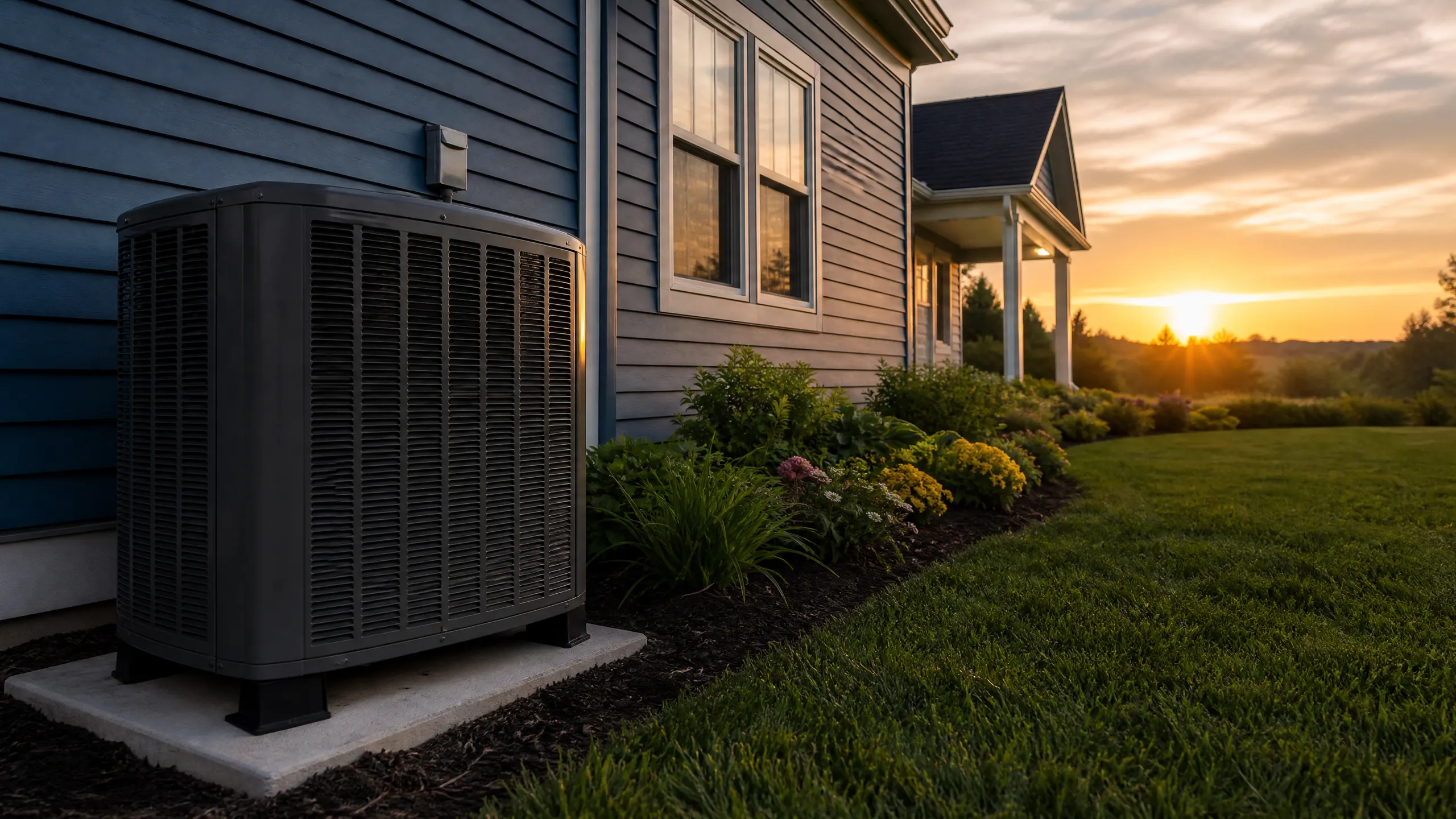
An outdoor air conditioning condenser unit mounted on a concrete pad next to a blue-sided residential house at sunset.

AC Installation in Denton, TX

Tell us about the job

Takes about a minute. No obligation.

Step 1 of 3: Equipment

Texas households paid 14.94 cents per kilowatthour in 2024. An AC that runs all summer at that rate adds up fast, and a unit sized wrong or aging past its prime pushes that number higher every month. A new system matched to your home's actual load runs less to do the same job. That difference shows up on the bill long after the install truck is gone.

6 months
May through October, your air conditioner is on duty
94°F
the average summer afternoon it cools against
355 hail events
in ten years, and hail bends the fins on outdoor coils
13.4 SEER2
the federal minimum any new unit must meet
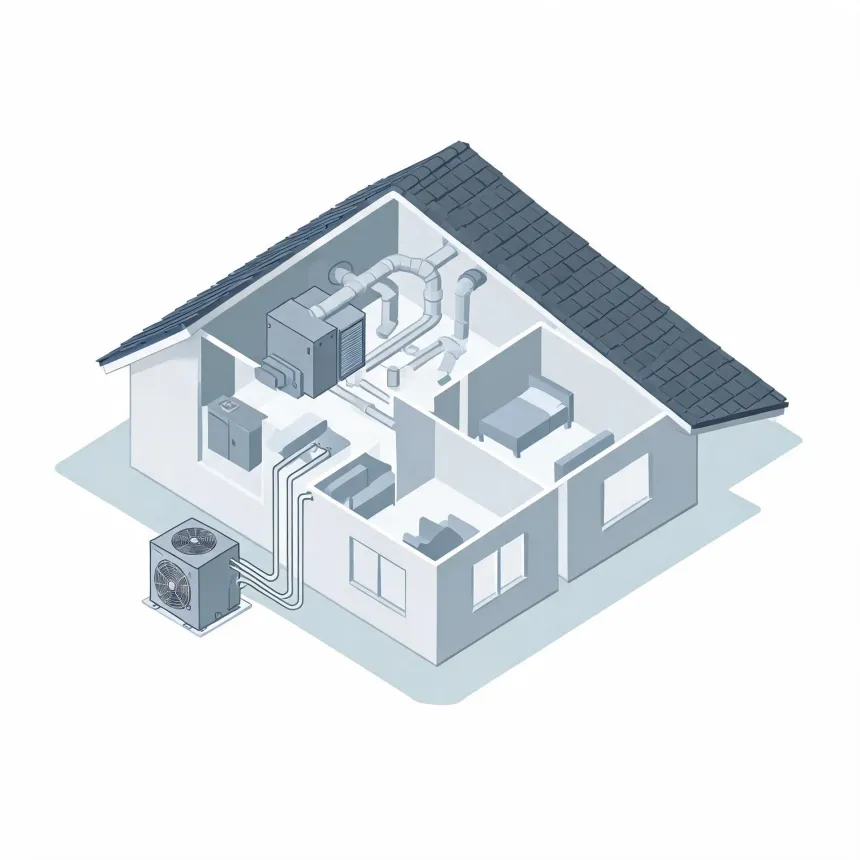
Isometric cutaway illustration of a single-story house showing interior rooms, ductwork and an air handler in the attic space, and an outdoor condenser unit connected by lines at the exterior wall.
Your air conditioner works hardest from June through September.

NOAA nClimDiv, 1991–2020 normals

A bigger air conditioner is not a stronger one, and oversizing is its own problem.

An oversized unit cools the air fast and shuts off before it pulls the moisture out, so the room feels damp and cold at once.

Most of Denton County heats with electricity, and that shapes the AC install

54.2% of homes heat with electricity
Cooling runs May through October
Summer afternoons average 94°F

Denton County falls in climate zone 3A, with summers that run long and winters that stay mild. Any split-system air conditioner installed here under 45,000 Btu/h has to hit at least 14.3 SEER2, and larger units need at least 13.8 SEER2. That is higher than the national manufacturing minimum, so a unit built just to the federal floor may not clear what this region requires. A contractor pulling a permit here has to account for that difference before the install, not after. Beyond the minimum, a federal tax credit is available for qualifying high-efficiency equipment, worth checking against whatever system you're considering.

Get the new system in before May

Cooling here runs May through October. If your system is on its way out, replacing it in April means it's ready before the first hot week, not in the middle of one.

Find a contractor
A man in a dark shirt and tan pants, seen from behind, carries a canvas duffel bag up porch steps toward an orange front door beside a potted shrub.
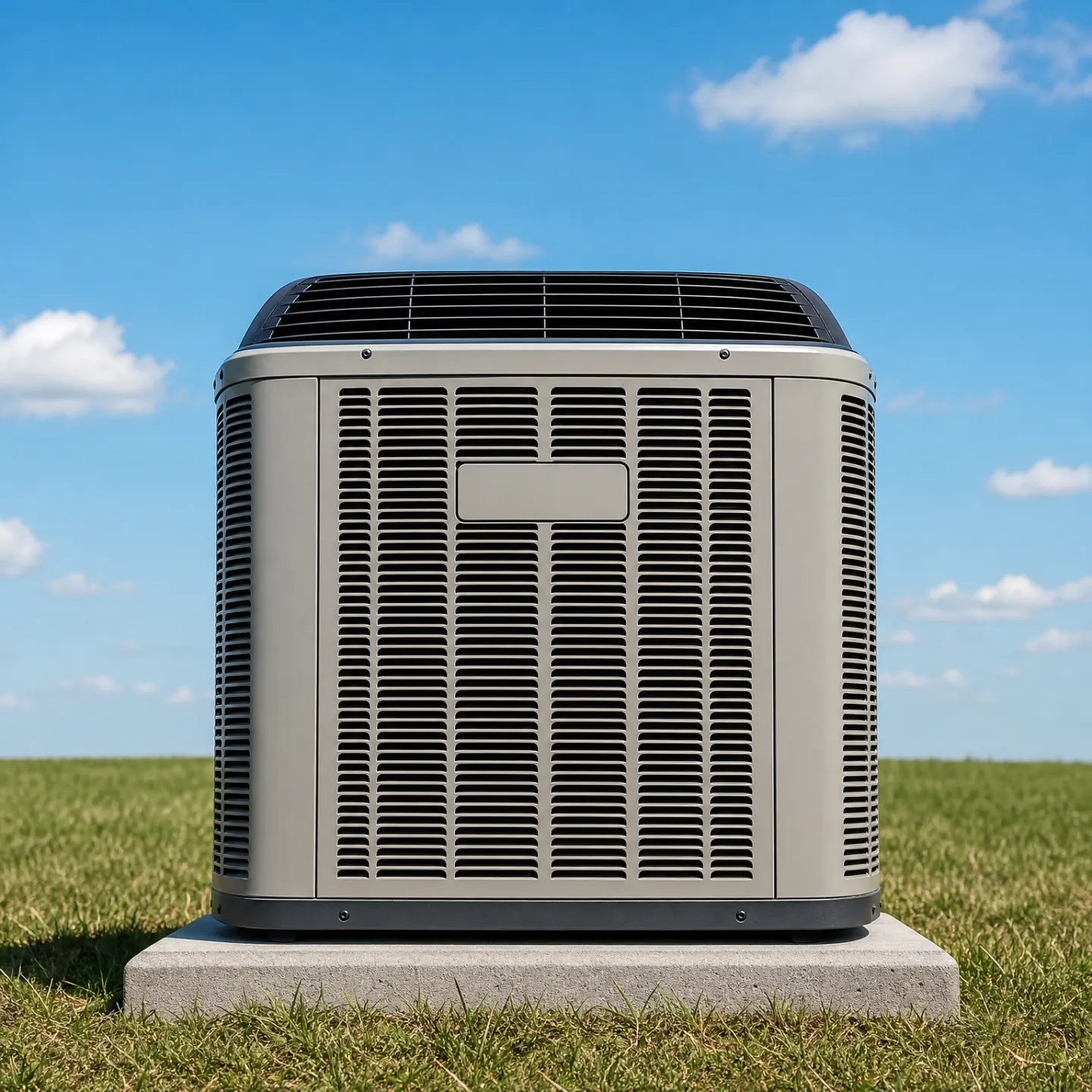
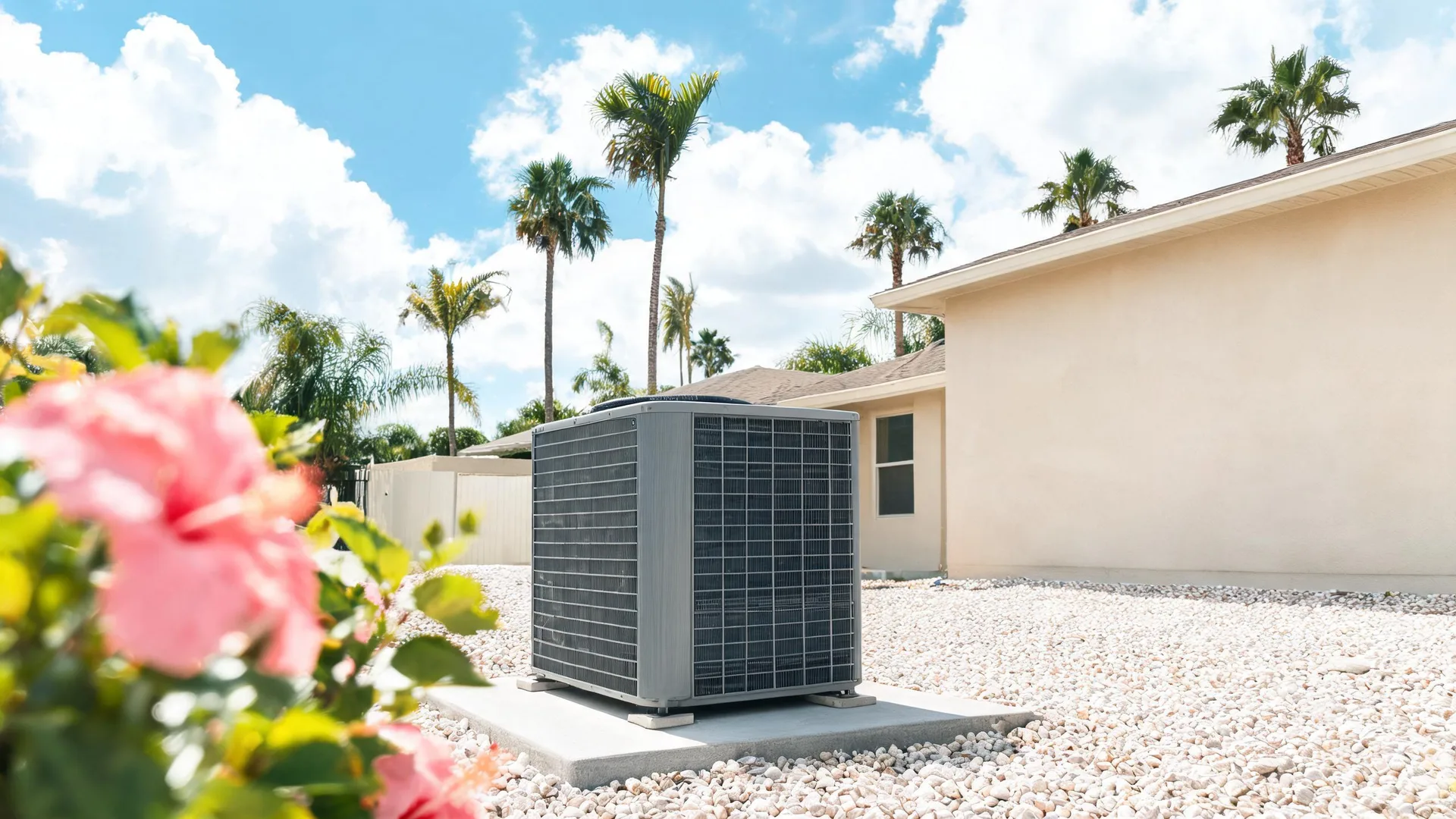
A gray residential air conditioning condenser unit mounted on a concrete pad outdoors, surrounded by green grass under a partly cloudy blue sky.

Six months of heat, and whatever the sky adds to it

Summer here runs from May through October. Through June, July and August the afternoon high averages 94°F, so a new system is working against real heat for most of that stretch, not just a few hot weeks. Size it to your home's actual load and it holds up to that. Size it wrong and it works harder than it should from the first summer, cycling more than it needs to and wearing parts down early. There's also what falls out of the sky here. Denton County has logged hundreds of hail events over the past ten years, and the outdoor unit sits outside through all of it. Ask what the condenser coil and cabinet are rated to take before you sign off on a system.

The load calculation sets the price

A contractor has to work out how much heat your home actually gains before quoting equipment, checking window area, insulation, duct layout and the direction rooms face. Skip that step and the quote is just a guess dressed up as a number. A proper load calculation takes time on site, and that time is part of what you're paying for.
The ductwork decides how much else gets touched

If the ducts already on the house are sized for the old system, a new unit moving a different volume of air may not work right through them. Some installs are a straightforward swap of the indoor and outdoor units. Others need duct modification, new return air openings or a different line set, and that work adds to the job before the new system ever turns on.

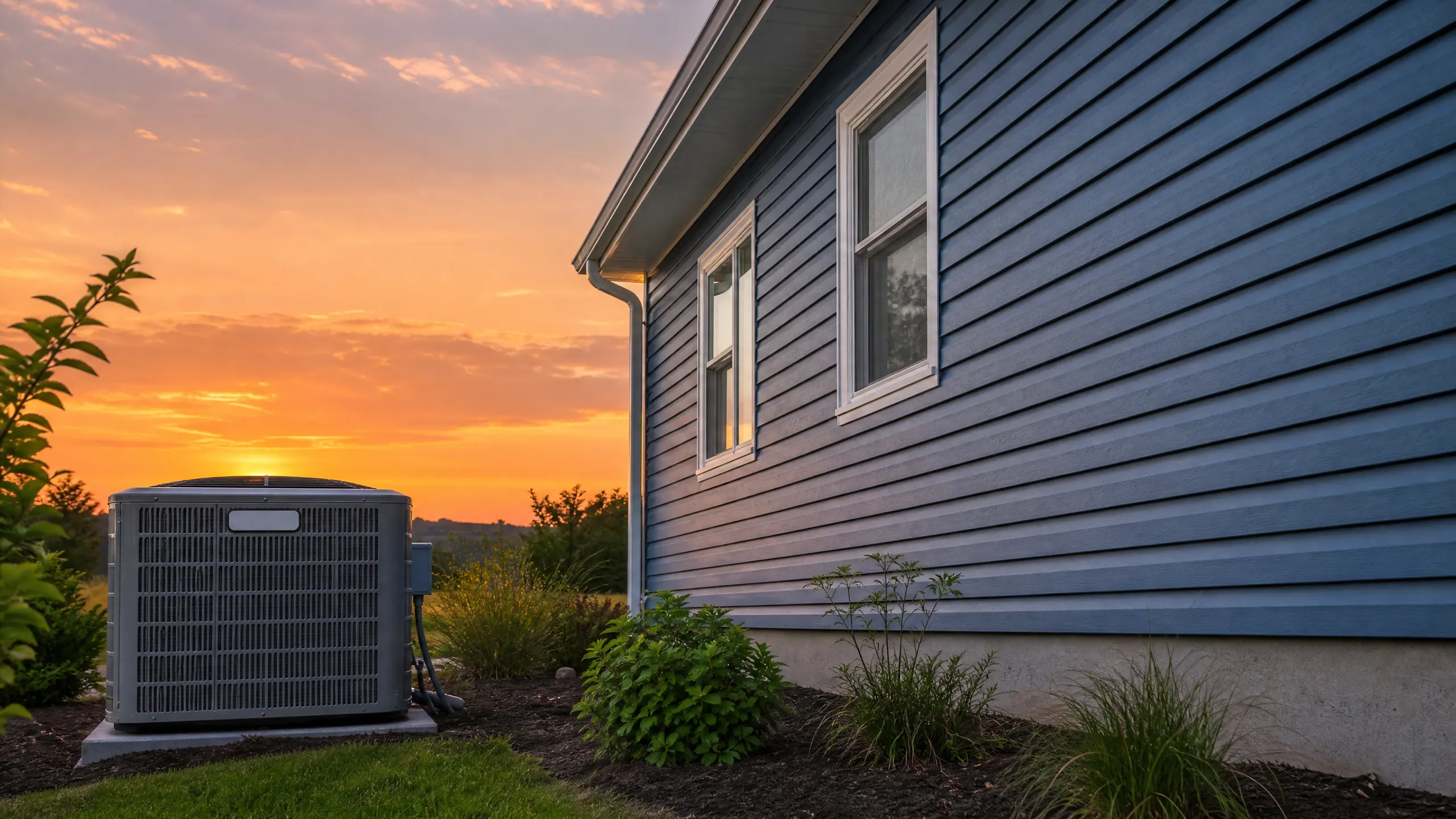
An outdoor air conditioning condenser unit positioned beside a blue-sided house at sunset.

A higher-efficiency unit would save about $30 a year to run in Denton County compared with a new unit at the federal minimum.

  • A higher-efficiency unit$440 a year
  • A new unit at the federal minimum, 14.3 SEER2$470 a year

Estimates for a typical Denton County home, from EIA household energy data, Texas fuel prices and NOAA climate normals. Your home will differ.

Install day starts with the old system coming out, not the new one going in. The outdoor unit gets disconnected and hauled off. The indoor coil comes out of the plenum, and the line set gets checked to see if it can be reused or needs replacing. Once the old equipment is clear, the new indoor coil goes in and the ductwork gets sealed back up around it. The outdoor unit gets set on a pad, leveled, and connected to the line set and electrical. Then comes the vacuum. The line set has to be pulled down to remove moisture and air before refrigerant goes in, because skipping that step shortens the life of the compressor. Once the system is charged, a tech checks the refrigerant level against what the equipment calls for and tests airflow at the vents before calling the job done.