



Texas Cooling Help
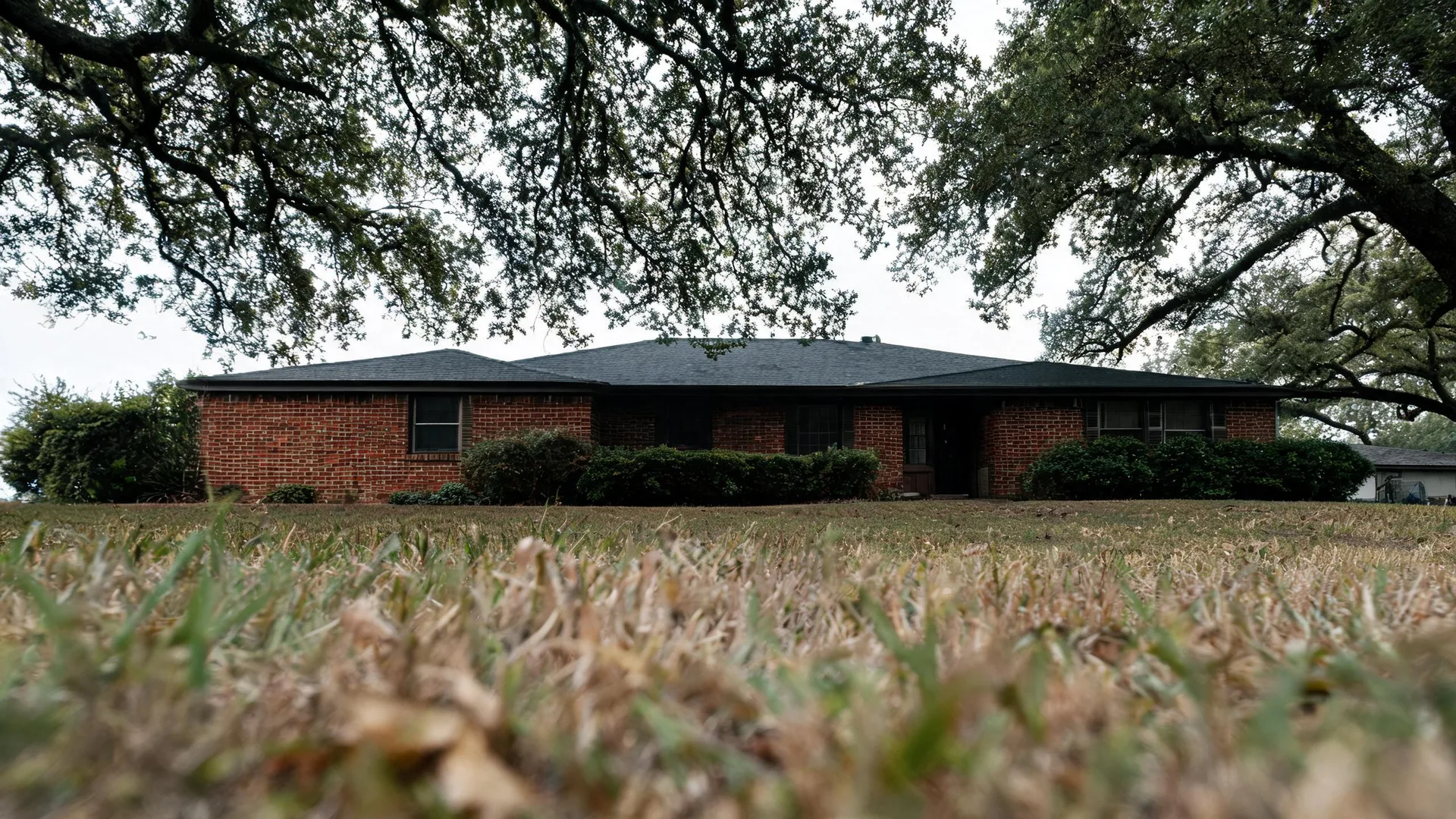
A single-story brick ranch house with a dark shingled roof and trimmed shrubs, photographed from ground level across a dry lawn with a large oak tree overhanging from above.

AC Installation in Brownsville, TX

Tell us about the job

Takes about a minute. No obligation.

Step 1 of 3: Equipment

The price on the unit itself is only part of what you're paying for. Sizing matters more than the brand name. A system too big for the house cools the air fast but shuts off before it pulls the humidity down, so the air stays clammy. One too small just runs and runs without ever catching up. A contractor worth hiring measures the rooms, checks the ductwork, and looks at the insulation and windows before putting a number on anything. The ducts themselves can add to the cost too. Old ducts that leak or were sized for a different system sometimes need work alongside the new unit. Skip that step and the new equipment just fights the same problems the old one had. The condenser's location, the length of the line set, and whether the electrical panel can carry the new load all factor in as well. None of that shows up on the sticker price, but all of it decides whether the system actually works once it's running.

10 months
February through November, your air conditioner is on duty
94°F
the average summer afternoon it cools against
27 hail events
in ten years, and hail bends the fins on outdoor coils
13.4 SEER2
the federal minimum any new unit must meet
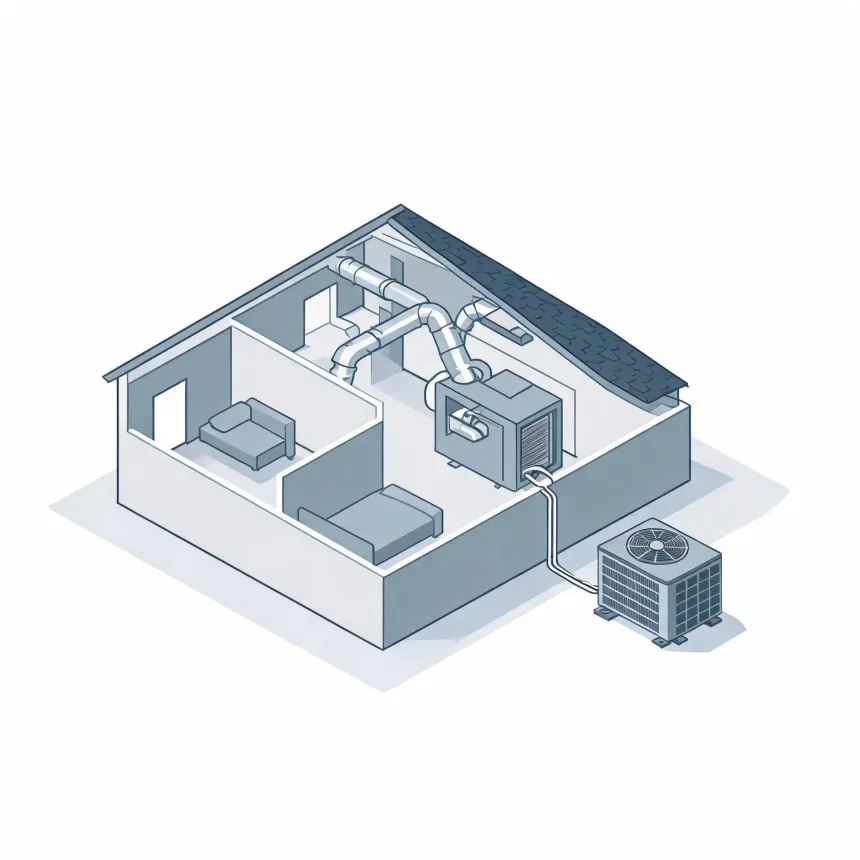
Isometric line illustration of a cutaway house showing an indoor air handler with branching ducts in the attic space, connected by a line set to an outdoor condenser unit beside the building, with simple furniture in two rooms.
Your air conditioner works hardest from May through October.

NOAA nClimDiv, 1991–2020 normals

Electricity heats 89.9% of homes in Cameron County.

A new AC here almost always means matching it to electric heat, not gas, so check what your ductwork and panel already support.

Hail and wind come through this county often, and the outdoor unit lives outside

132 severe weather events from 2015 to 2024
33% of homes statewide lost power a day or more in 2024
95 damaging wind events from 2015 to 2024

Cameron County sits in zone 1A, and new split systems here have to meet the Southeast's efficiency rule, not just the national one. Anything under 45,000 Btu/h needs to hit at least 14.3 SEER2. That's higher than the national floor, so a unit built to the bare federal minimum won't be legal to install here. It narrows what a contractor can offer you, but it also means whatever goes in is built to handle a climate that asks a lot of it, heat and humidity both, most of the year. A federal tax credit is available for qualifying high-efficiency equipment, worth checking against whatever system you're considering.

A system that runs ten months a year has to be sized right from the start

Ten months of cooling a year, with afternoon highs averaging 94°F through the summer, means this system doesn't get much of a break. That's exactly why sizing and setup matter more here than the name on the unit. Get the right fit now and it runs the way it's supposed to for years of hard use.

Find a contractor
A man in a cap, dark long-sleeved shirt and tan work pants climbs wooden porch steps toward an orange front door, carrying a canvas tool bag with tools in it, beside a potted shrub in a terracotta planter.
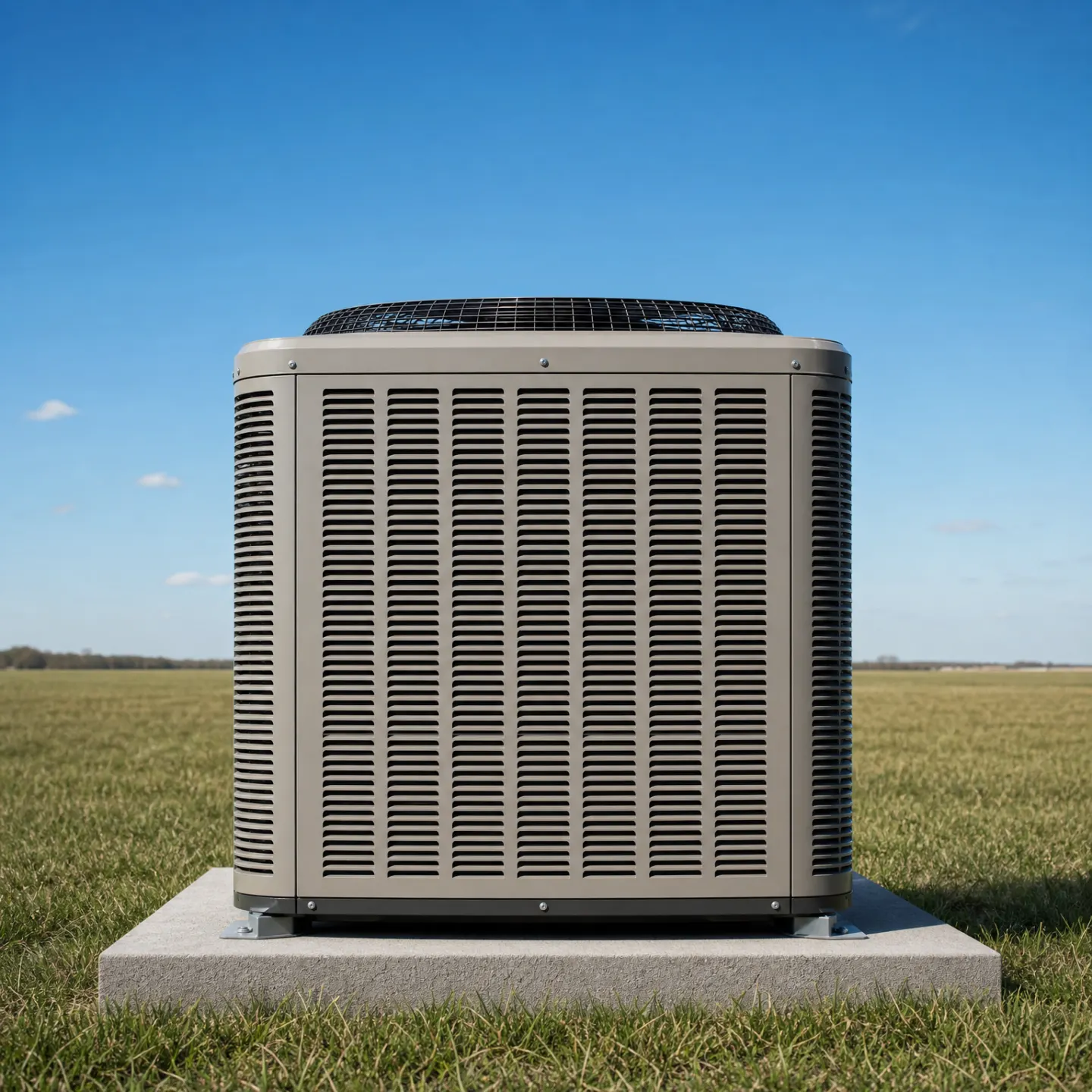
A gray residential air conditioner condenser unit mounted on a concrete pad in an open grass field.

More hours a year means more wear, ask what each system is built to take

A compressor that runs most of the year racks up more hours than one that cycles on for a few months and sits the rest of the time. Those hours wear the parts at a different pace. The bearings, the contactor, the fan motor all see more use. When you're comparing systems, ask how each one is built for that kind of duty, not just what it costs to buy. Ask about the warranty on the compressor specifically, since that's the part doing the most work and the most expensive one to replace. Ask what maintenance the manufacturer expects too. A system running long hours needs its filter and coil checked on a schedule, not whenever it's convenient. A unit that's fine for light, occasional use can wear out fast under a heavier load it wasn't built to carry.

Sizing comes from a load calculation, not square footage

A proper load calculation adds up the windows, the walls, the insulation, the ceiling height, even which way the house faces. Sun hitting one side of a house changes the math. Houses that look about the same size on paper can still need different equipment. A contractor who puts a number on the job before walking through the house and checking the attic is guessing.
Oversizing feels fine at first and causes problems later

A unit that's too big cools the air fast, so it seems to be working well. But it shuts off before it has run long enough to pull moisture out of the air through the coil. The room hits the temperature on the thermostat and still feels damp. Undersized does the opposite. It runs without stopping and still can't catch up on the hottest afternoons.

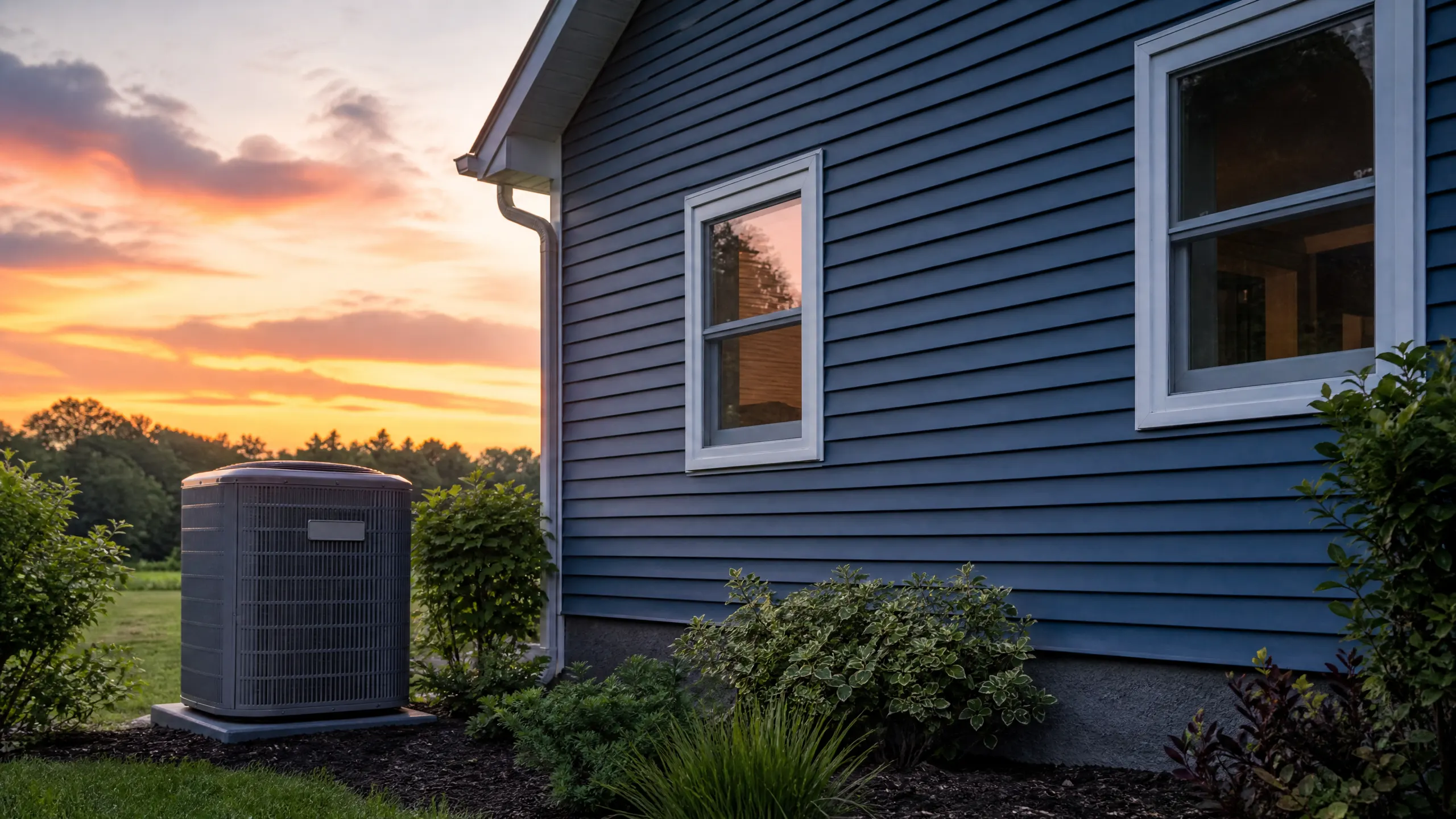
An outdoor air conditioning condenser unit installed beside the exterior wall of a blue vinyl-sided house at sunset.

A higher-efficiency unit would save about $40 a year to run in Cameron County compared with a new unit at the federal minimum.

  • A higher-efficiency unit$720 a year
  • A new unit at the federal minimum, 14.3 SEER2$760 a year

Estimates for a typical Cameron County home, from EIA household energy data, Texas fuel prices and NOAA climate normals. Your home will differ.

Installation day starts before anyone touches the old unit. The contractor should check static pressure in the ductwork, confirm the line set size matches the new equipment, and verify the electrical disconnect and breaker are rated for it. Pulling the old system out usually takes less time than getting the new one set and sealed. The condenser gets leveled on its pad outside, the indoor coil goes in above or beside the furnace, and the line set connecting them gets brazed, not just tightened, then pressure tested for leaks before anything is charged with refrigerant. The system gets charged to the exact weight the manufacturer specifies for that line length, not just topped off until the gauges look right. Before anyone leaves, it should run long enough to check the temperature drop across the coil and confirm the airflow matches what the system needs to work the way it was sized to.