




Texas Cooling Help
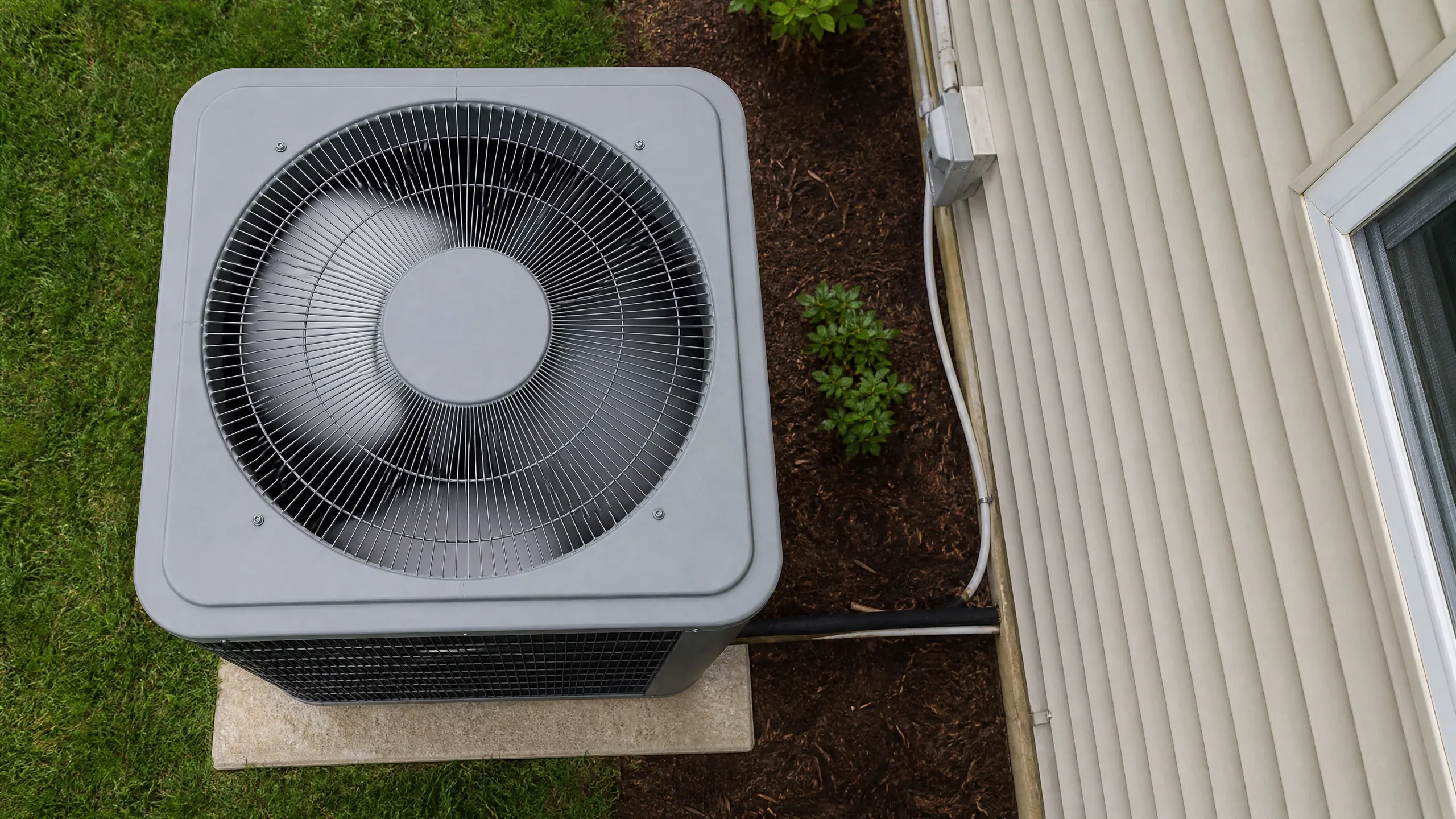
Aerial view of a gray outdoor air conditioning condenser unit mounted on a concrete pad next to a house with vinyl siding.

AC Installation in San Antonio, TX

Tell us about the job

Takes about a minute. No obligation.

Step 1 of 3: Equipment

Texas households paid about 14.94 cents per kilowatt-hour in 2024. San Antonio summers push an air conditioner to run for months at a stretch, so every point of efficiency it has, or doesn't have, shows up on the bill long before the unit wears out. A new system sized and installed correctly will run less to do the same job as one that's too big, too small, or just worn down. That difference compounds every summer it's in the ground.

7 months
April through October, your air conditioner is on duty
95°F
the average summer afternoon it cools against
268 hail events
in ten years, and hail bends the fins on outdoor coils
13.4 SEER2
the federal minimum any new unit must meet
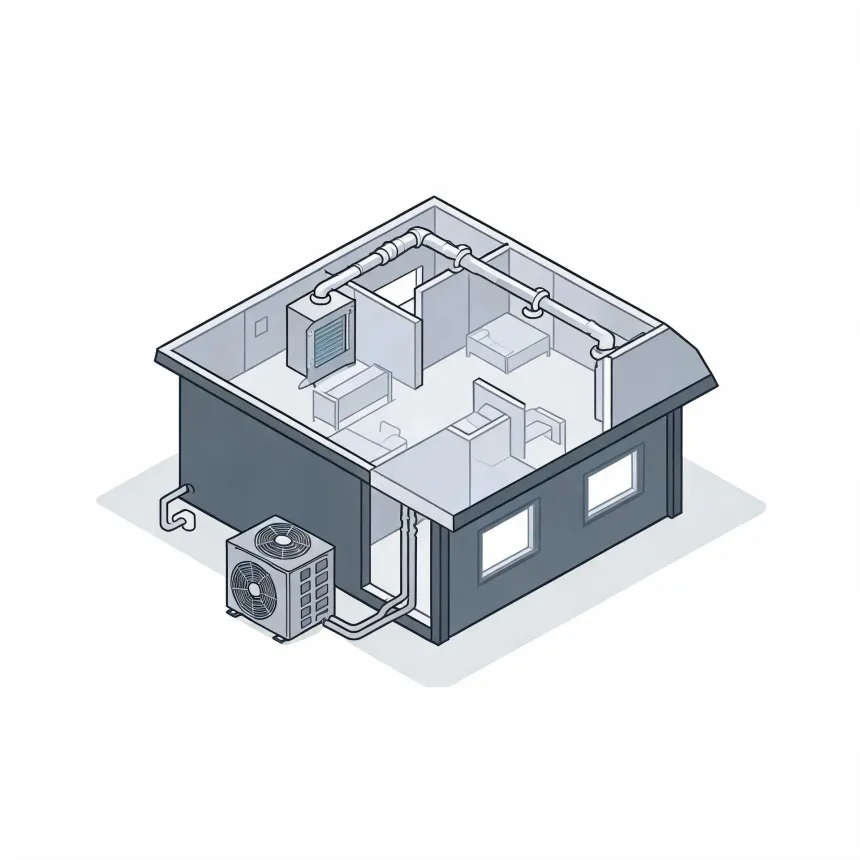
Isometric line illustration of a cutaway single-story building showing interior rooms, ceiling ductwork and an air handler, connected by lines to an outdoor condenser unit beside the exterior wall.
Your air conditioner works hardest from May through September.

NOAA nClimDiv, 1991–2020 normals

Bexar County logged 268 hail events and 104 damaging wind events in the last ten years.

Where the installer sets the outdoor unit, and what's around it, matters as much as the model you pick.

March gets this done before the first 95-degree afternoon asks anything of it

Cooling runs April through October
Summer afternoons average 95°F
268 hail events from 2015 to 2024
Seven months of cooling a yearCooling runs April through October here, with afternoons averaging 95°F in June, July and August.

Electricity heats 69.6 percent of homes in Bexar County. Gas heats another 27.9 percent, and those homes still need a separate AC system since a furnace only handles heat. Either way, an AC installation here is almost never starting from nothing. There's existing ductwork, an existing electrical panel, maybe an existing line set from the last unit. Ask the installer whether those were sized for the system going in, or whether the new unit is being asked to carry more than what's already there was built for.

The system going in has to meet a higher bar here

Any new split system installed here has to hit at least 14.3 SEER2, higher than what's required in most of the country. That floor is already set before you start comparing models. A system that clears it may also qualify for the federal tax credit on efficient equipment.

Find a contractor
A man seen from behind in a dark jacket, tan work pants and boots climbs wooden porch steps toward an orange front door, carrying a waxed canvas tool bag, with a potted shrub beside the entry.
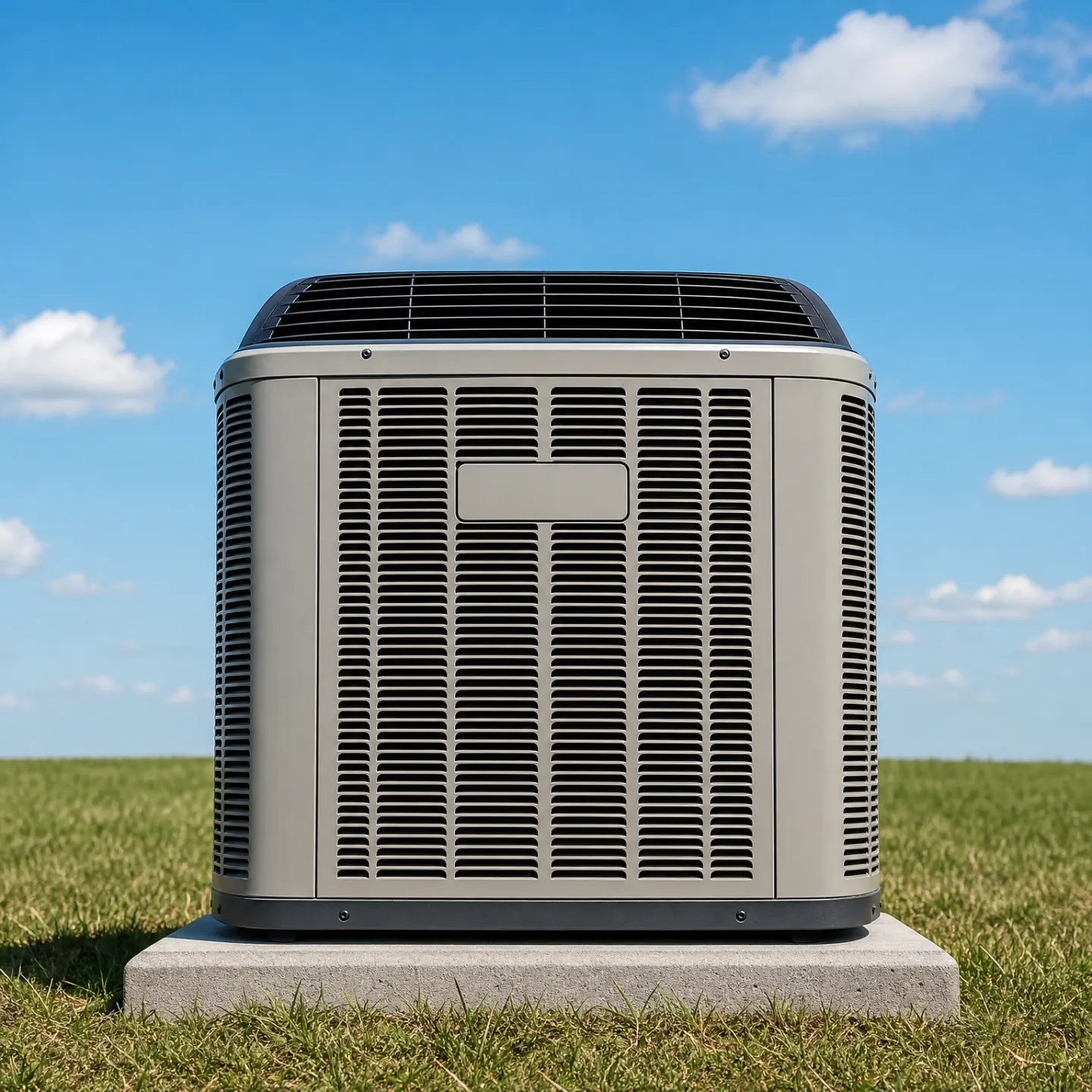
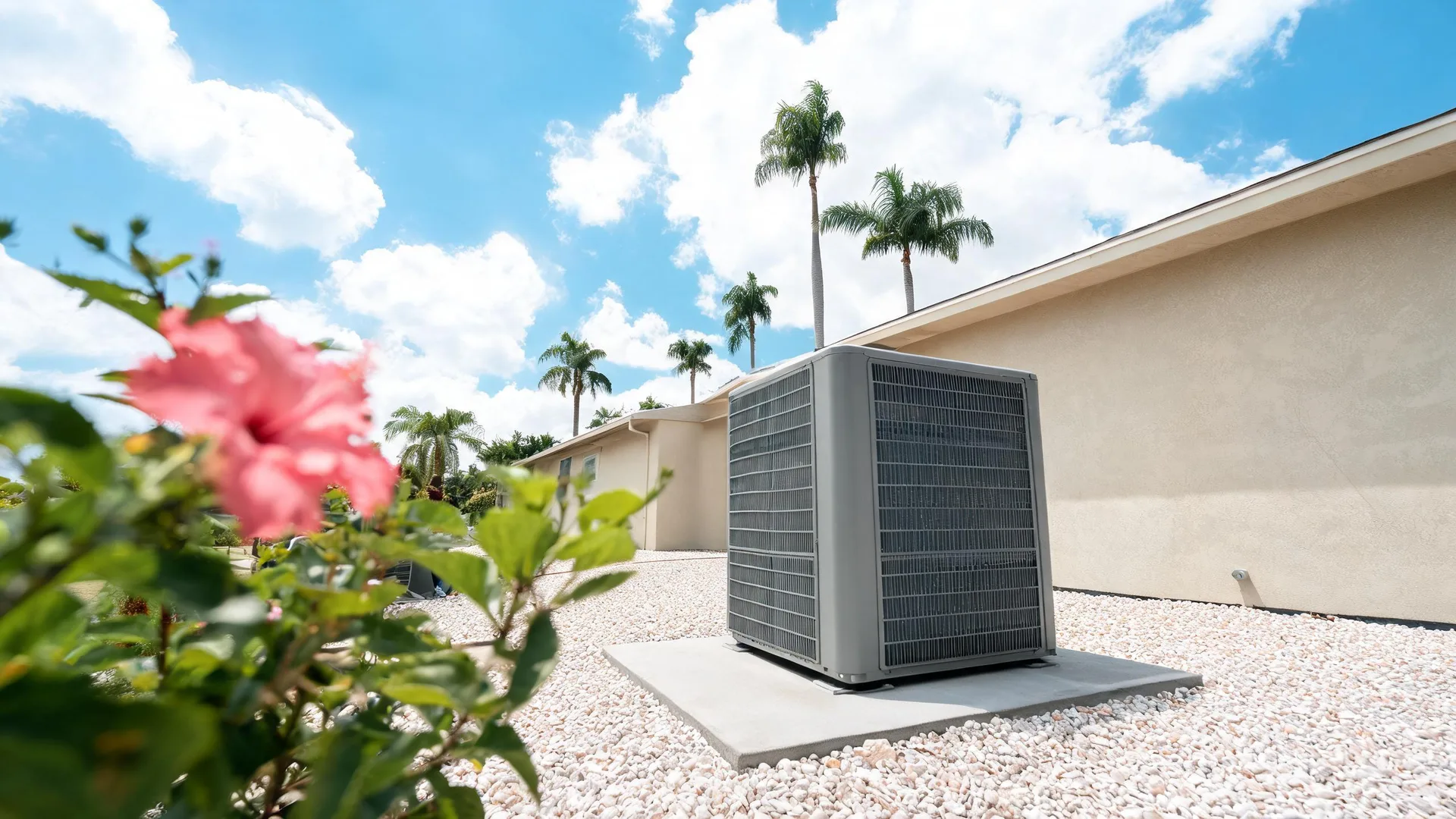
A gray residential air conditioning condenser unit mounted on a concrete pad outdoors, surrounded by green grass under a partly cloudy blue sky.

Pick the size for the run it's about to start

Seven months a year is the stretch this page already named. That's the run a new system has to hold up over, starting this summer and every one after it. Ask what size unit the installer is proposing and what load calculation it's based on. A unit sized off the old one, or off square footage alone, isn't sized for this. Get the number, not just the brand.

The load calculation sets the price before any equipment is picked

A manual load calculation looks at the square footage, the windows, the insulation, and the layout room by room, then says how much cooling the house actually needs. That number decides the tonnage. Go up a size and the cost climbs with it, not because the bigger unit cools better but because it costs more to buy and more to run. An installer who skips this step and quotes off the old unit's size is pricing the wrong job.
What's already there decides how much new work gets added

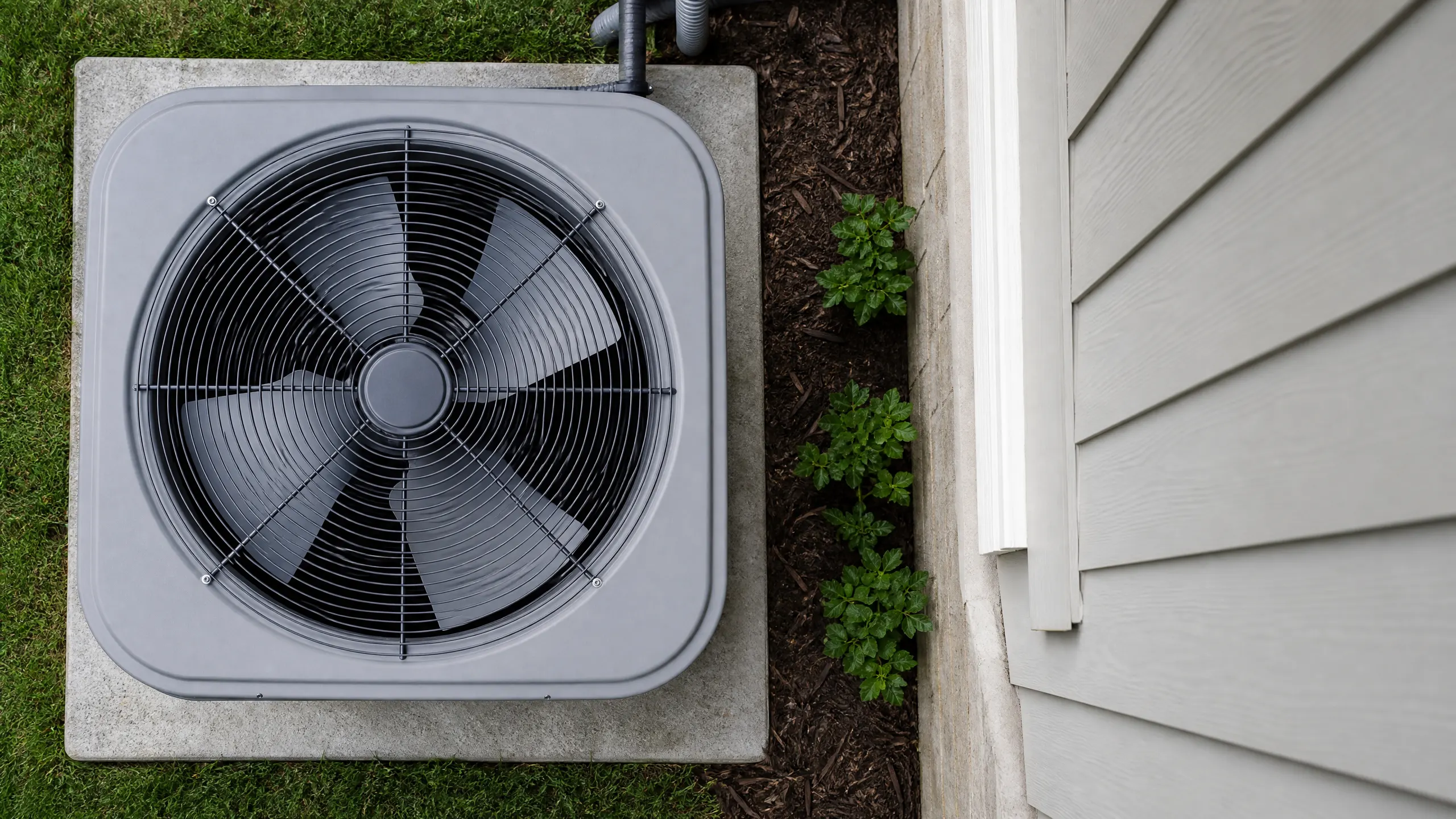
If the ductwork, the electrical circuit, and the line set from the last system are all sized right for the new unit, the installer connects to them and moves on. If the ducts are undersized or leaking, or the panel can't carry the new unit's draw, that work gets added to the job before the new system ever turns on. None of it shows up in a quote that only lists the equipment.

Aerial view of a gray central air conditioning condenser unit on a concrete pad next to a house with vinyl siding.

A higher-efficiency unit would save about $30 a year to run in Bexar County compared with a new unit at the federal minimum.

  • A higher-efficiency unit$530 a year
  • A new unit at the federal minimum, 14.3 SEER2$560 a year

Estimates for a typical Bexar County home, from EIA household energy data, Texas fuel prices and NOAA climate normals. Your home will differ.

Install day starts with the old system coming out, not the new one going in. The outdoor unit, the indoor coil, and the line set between them all get disconnected and hauled off before anything new gets set. A good crew pressure tests the new line set for leaks rather than trusting it out of the box, then pulls a vacuum on the lines to clear out moisture and air before the refrigerant goes in. Any refrigerant left in the old system has to be recovered, not vented, that's the law and it's how it's done. The indoor coil usually means some time in the attic or a closet, matching it to the furnace or air handler already there. Once everything's connected, the system gets charged, the airflow gets checked against what the new equipment actually needs, and it runs through a full cycle before the crew calls it done.