



Texas Cooling Help
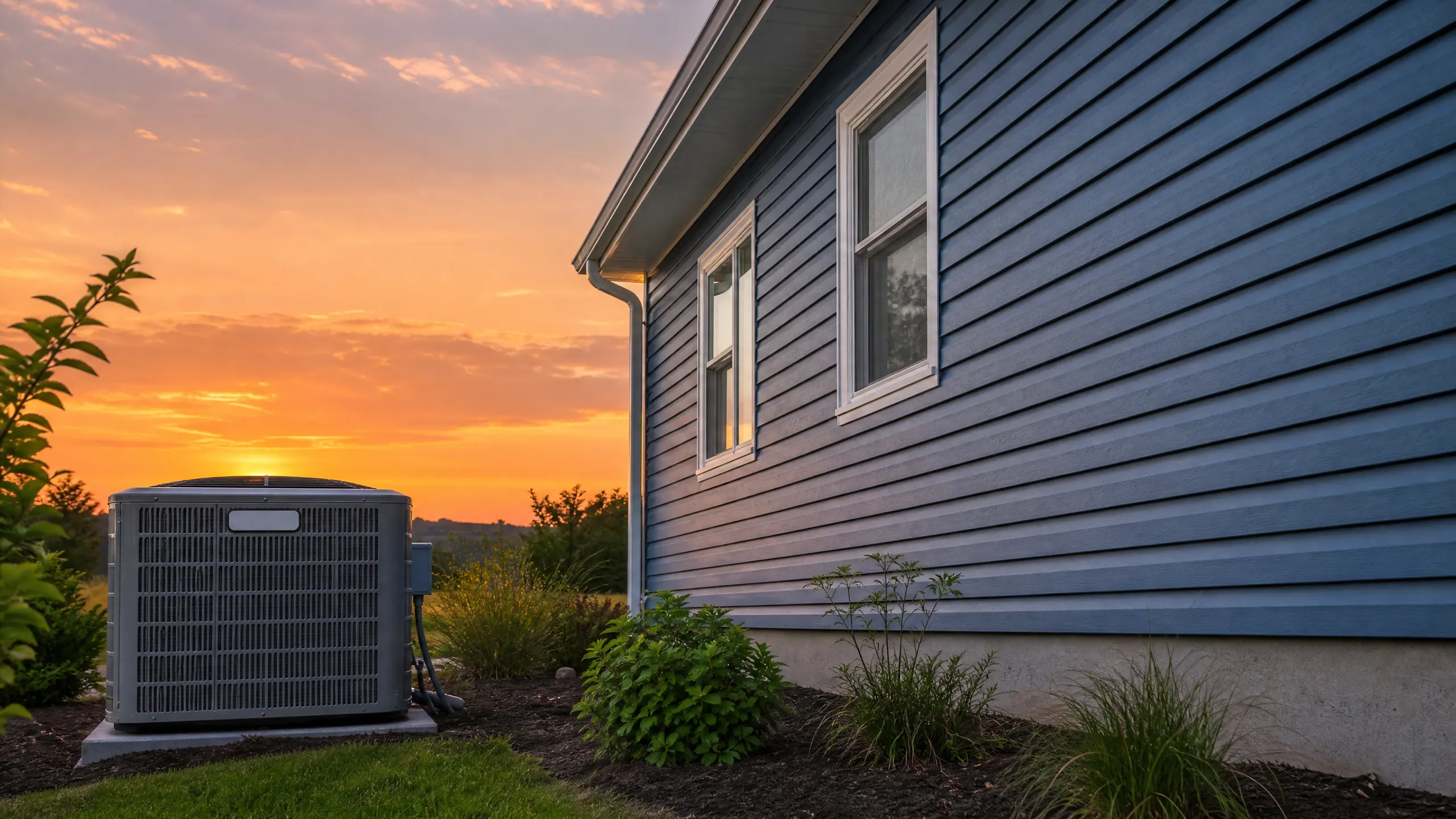
An outdoor air conditioning condenser unit positioned beside a blue-sided house at sunset.

AC Installation in Wichita Falls, TX

Tell us about the job

Takes about a minute. No obligation.

Step 1 of 3: Equipment

Wichita County is in climate zone 3A, a warm, humid area with a long summer and a short, mild winter. A new split-system air conditioner installed here has to meet at least 14.3 SEER2, higher than the national minimum of 13.4 SEER2 that applies in cooler parts of the country. That rules out some lower-efficiency units other regions can still install. A federal tax credit is available on qualifying equipment, worth checking before you settle on a system.

5 months
May through September, your air conditioner is on duty
96°F
the average summer afternoon it cools against
168 hail events
in ten years, and hail bends the fins on outdoor coils
13.4 SEER2
the federal minimum any new unit must meet
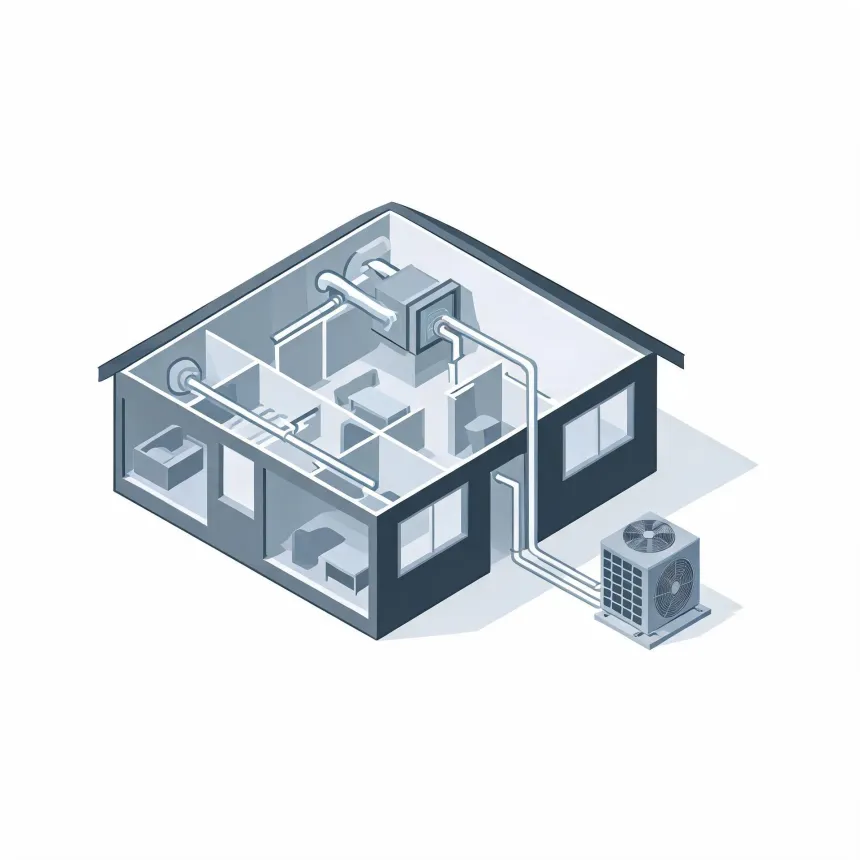
Isometric cutaway illustration of a single-story house showing interior ductwork and an air handler connected by lines to an outdoor condenser unit on a pad beside the building.
Your air conditioner works hardest from June through September.

NOAA nClimDiv, 1991–2020 normals

Electricity heats 54.5% of homes in Wichita County, more than gas and propane combined.

If your house already runs on electric heat, a heat pump can cover both sides of the system.

April is the month to replace it, before May turns the heat on

Cooling runs May through September
Climate zone 3A
Power costs 14.94 cents a kWh statewide

Texas homes paid 14.94 cents per kilowatthour in 2024, more than the national average. That rate applies to every hour your AC runs, and summers here are long. A lower SEER2 rating sounds like a small difference on paper, but it shows up on the bill every month the system runs. A more efficient unit costs more up front, but it works against that rate for as long as you own it. Check the SEER2 number on anything you're comparing before you decide.

Size it for a Wichita Falls summer

Summer here runs five months, with afternoons averaging 96°F across June, July and August. The system you install has to carry that load every one of those days, so size it for what this place actually demands. Wichita County has also seen 168 hail events over the past decade, so whoever installs it should be someone who stands behind the work.

Find a contractor
A man in a cap, dark shirt and tan work pants, seen from behind carrying a worn canvas tool bag, steps up onto a porch toward an orange front door beside a potted shrub.
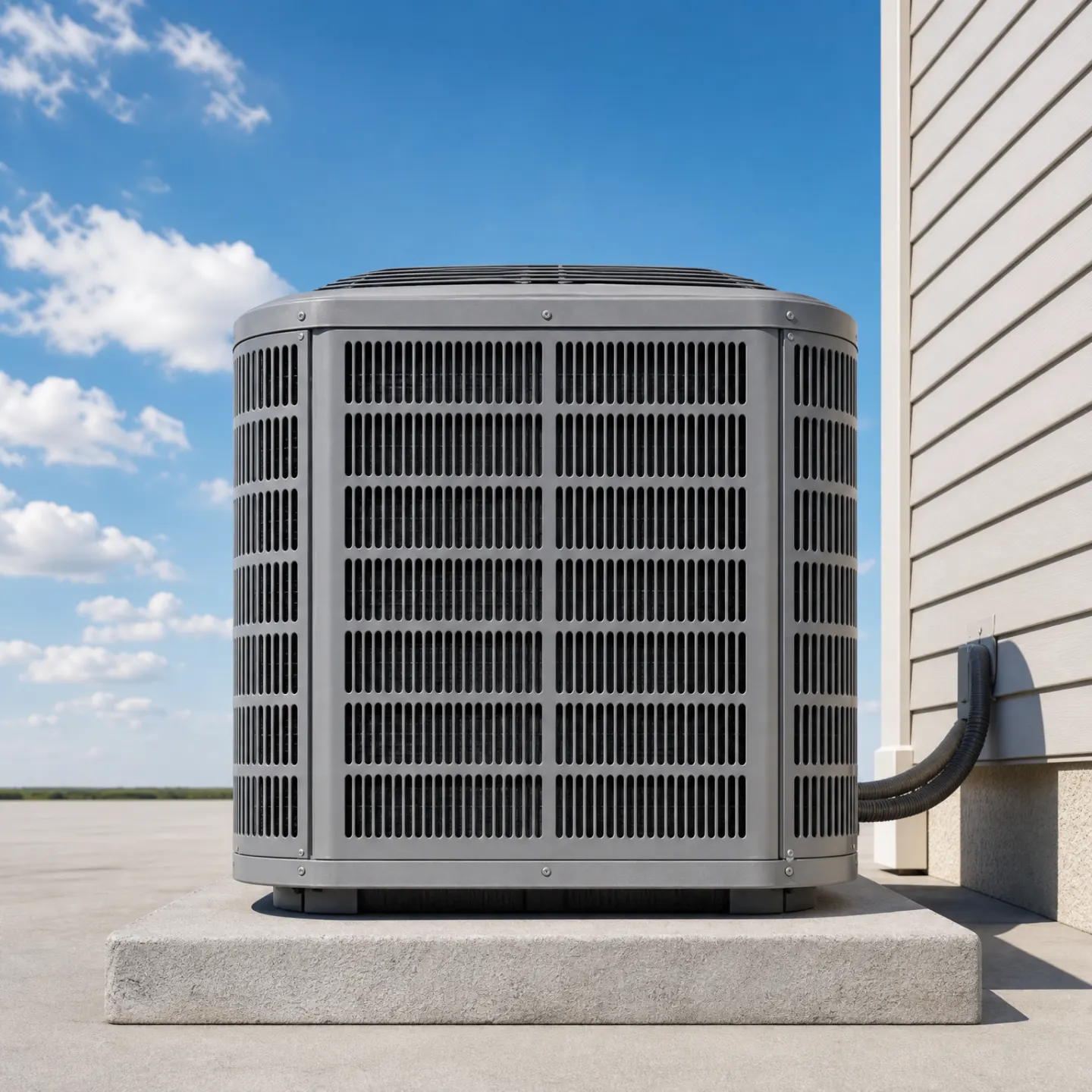
A gray cylindrical air conditioning condenser unit mounted on a concrete pad next to a light-colored vinyl-sided house exterior.

Half the homes here were built in 1972 or earlier

Half the homes in Wichita County were built in 1972 or earlier. A new system going into a house that age has to work with whatever ductwork and electrical setup is already there, not the layout a modern install would start with. That's worth having checked before the new unit goes in, rather than after.

Ask for a load calculation, not a guess off the old unit

A contractor should size the new system by running a load calculation on your house, counting windows, insulation and square footage. Matching the tonnage of whatever is being replaced skips that step, and a system sized that way can end up too big or too small for what the house actually needs.
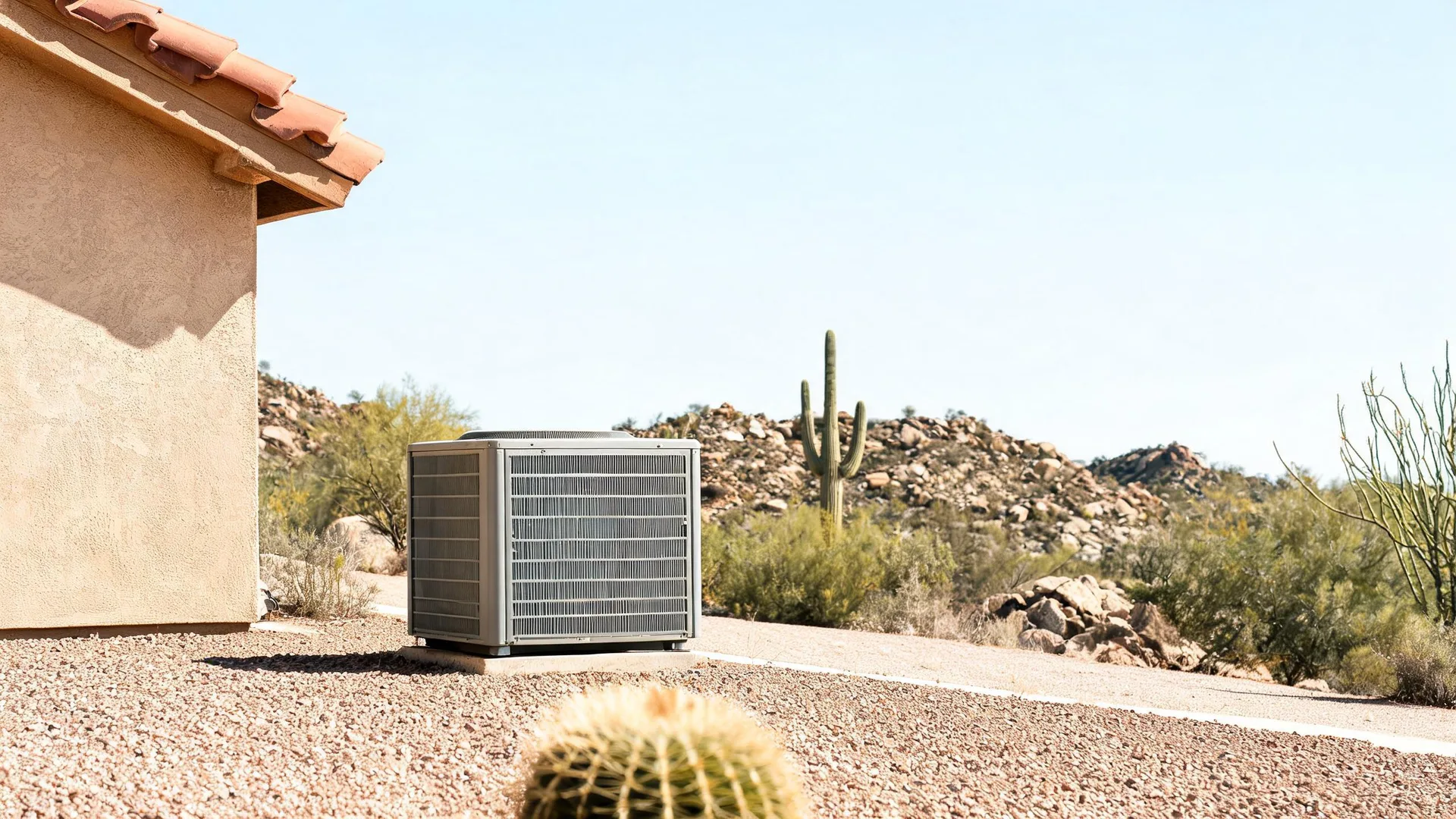
Ask what happens to the ductwork

A new condenser and air handler only move the air that the ducts let through. If the ducts are undersized, leaking, or were built for a smaller system, the new unit will fight them the same way the old one did. Ask whoever quotes the job whether they looked at the ducts or just the equipment pad.

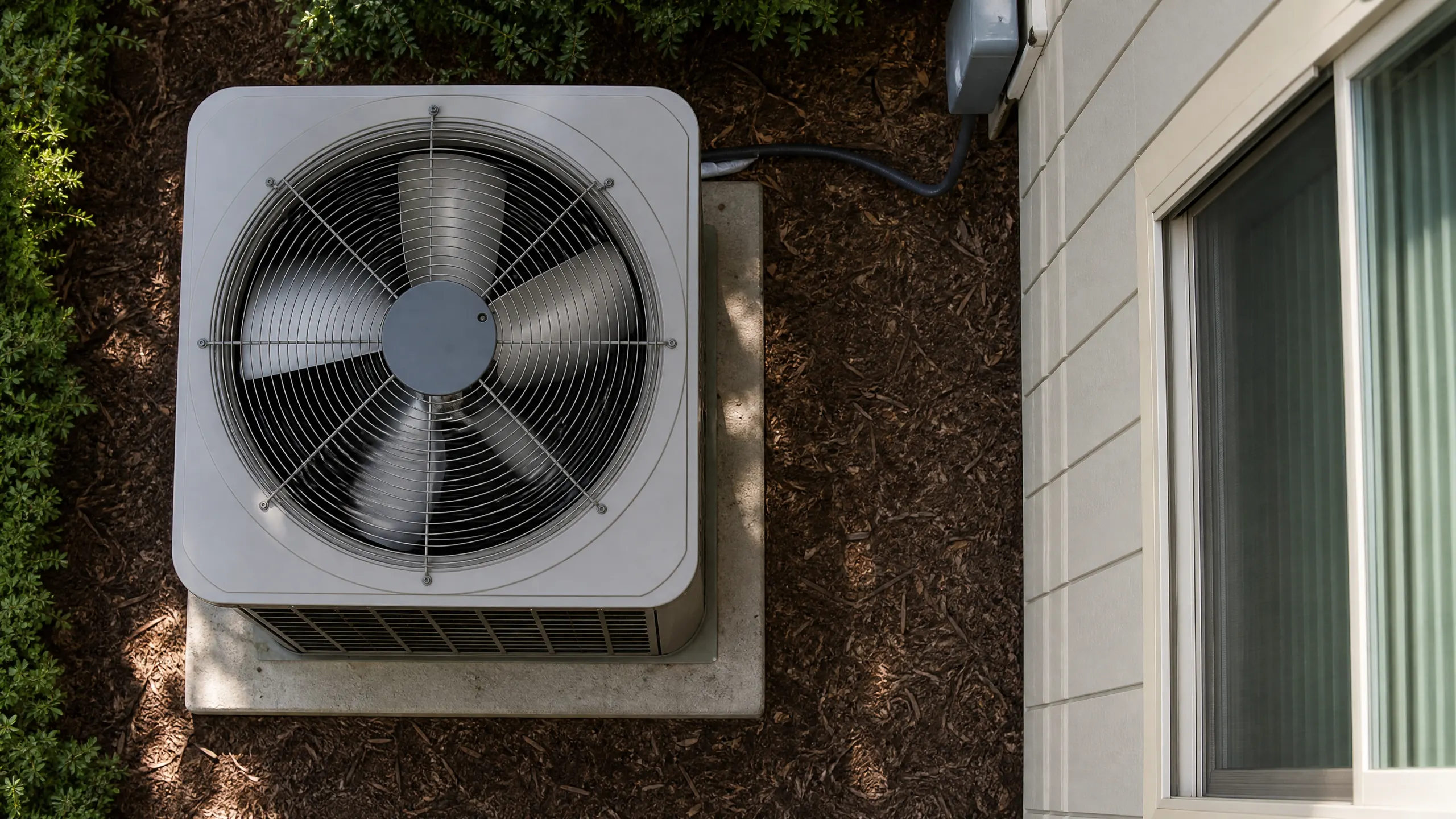
Aerial view of a square outdoor air conditioning condenser unit on a concrete pad beside a house wall with a sliding glass door.

A higher-efficiency unit would save about $30 a year to run in Wichita County compared with a new unit at the federal minimum.

  • A higher-efficiency unit$420 a year
  • A new unit at the federal minimum, 14.3 SEER2$450 a year

Estimates for a typical Wichita County home, from EIA household energy data, Texas fuel prices and NOAA climate normals. Your home will differ.

Installation day starts with the old system coming out, and that part goes fast. The slower work is what happens around it. The crew runs new line set if the old one doesn't match the new unit, sets the condenser on a pad outside, and sets the air handler or coil wherever the old one sat, usually a closet or the attic. Electrical has to match the new equipment too, so expect them to check the breaker and disconnect before they trust the old wiring to the new unit. Once it's connected, a tech checks refrigerant charge and airflow rather than just switching it on and walking away. A system that's never been tested under load is a system nobody's checked yet.