



Texas Cooling Help
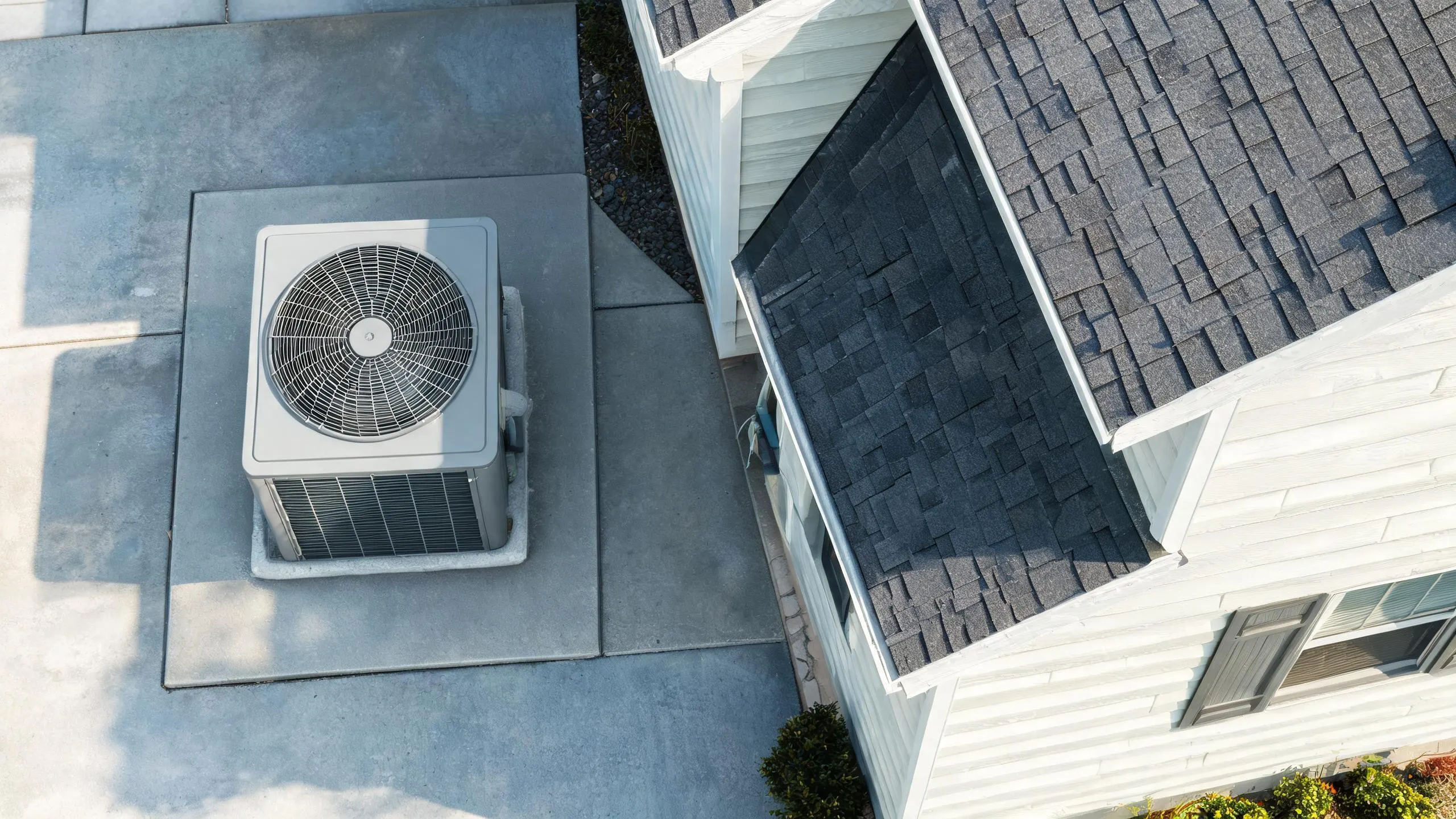
Overhead view of an outdoor AC condenser unit on a concrete pad next to a house with a dark shingle roof.

AC Installation in McAllen, TX

Tell us about the job

Takes about a minute. No obligation.

Step 1 of 3: Equipment

Texas homes paid 14.94 cents per kilowatthour in 2024. McAllen runs its AC for most of the year, so that rate hits the bill month after month, not just in a short summer stretch. A system sized and installed right for your home won't change what power costs, but it changes how much of it you use to get the same cool air. That difference shows up on every bill you get, for as long as you run the system.

10 months
February through November, your air conditioner is on duty
97°F
the average summer afternoon it cools against
50 hail events
in ten years, and hail bends the fins on outdoor coils
13.4 SEER2
the federal minimum any new unit must meet
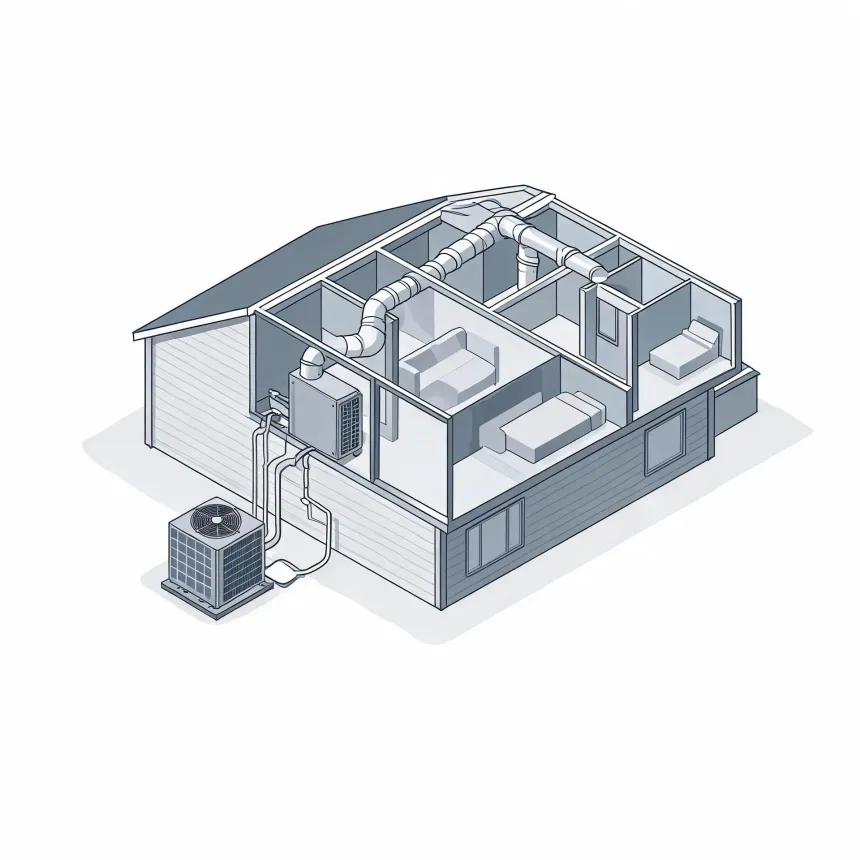
Isometric line illustration of a cutaway house showing interior rooms with furniture, ceiling ductwork, an indoor air handler, and an outdoor condenser unit connected by lines.
Your air conditioner works hardest from May through October.

NOAA nClimDiv, 1991–2020 normals

Cooling runs February through November here, almost the whole year.

January is when to put in the new system, before the heat and the rush both hit.

Almost every home here runs on electricity, so your new system will too

90.6% of homes heat with electricity
Cooling runs February through November
Summer afternoons average 97°F

Ten months of cooling a year, February through November, and afternoon highs averaging 97 degrees in June, July and August. That's what a new system here has to stand up to. One sized right for your home carries that load without strain. One that's too small runs almost nonstop and still falls behind on the hottest afternoons. One that's too big cools the air fast and shuts off before it pulls the moisture out, so the house feels damp even at the temperature you set. Either mistake wears on the system faster here than it would somewhere that only sees a few hot months.

Plan for the outages before you plan for the heat

Hidalgo County logged 148 severe weather events between 2015 and 2024, most of them damaging wind and hail. A third of Texas households went at least a day without power in 2024. Installing now is a chance to think about where the outdoor unit sits, what protects it, and whether you need a way to keep hot water and some cooling running when the power doesn't cooperate.

Find a contractor
A man in a dark shirt jacket and tan work pants, seen from behind, carries a worn canvas duffel bag up stone steps toward an orange front door flanked by a potted shrub.
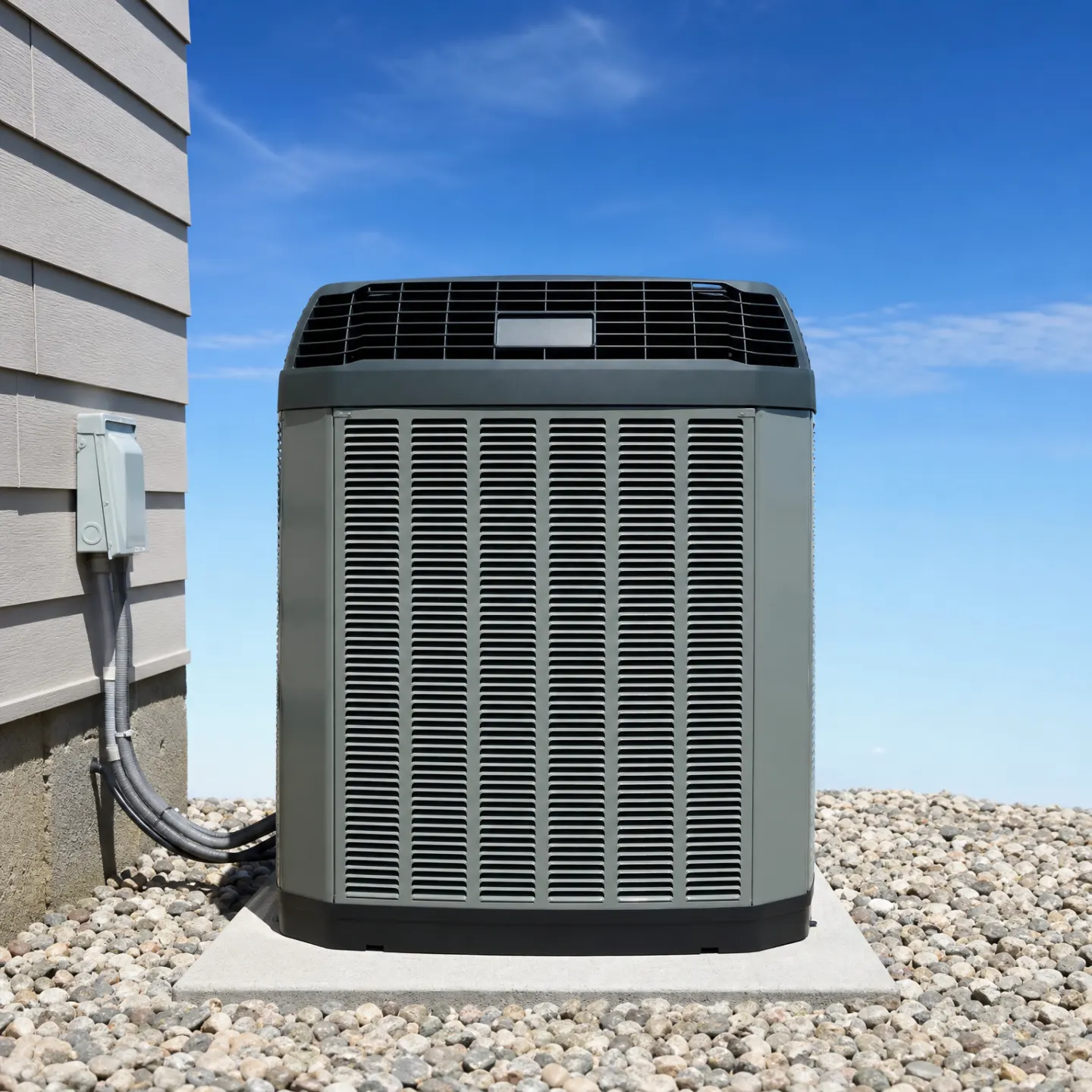
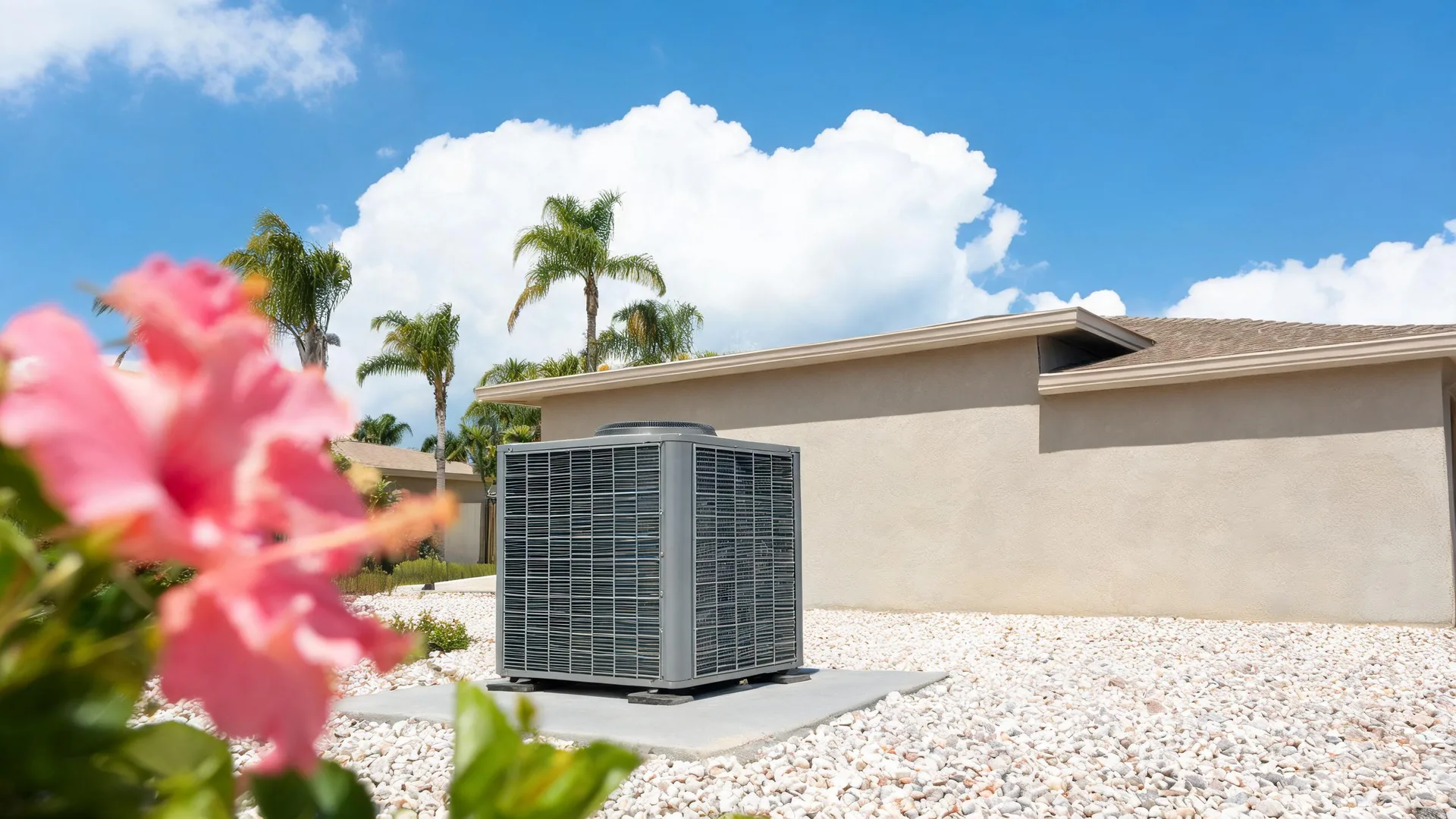
An outdoor air conditioning condenser unit mounted on a concrete pad beside a house, with electrical conduit running to a wall-mounted disconnect box.

Ask for a load calculation, not a guess

A load calculation is what sizing right actually means. A contractor measures your home room by room rather than going off square footage alone, so the unit matches what this place demands. Ask any contractor you're considering whether they run one before they quote a system. Ten months of cooling a year means the compressor is working almost always, so the size has to be right from the start, not adjusted later.

What the calculation weighs

A load calculation accounts for the direction your windows face, how much shade the walls get, the insulation in the attic, and how many people usually fill the rooms. Homes the same size on paper can still need different sized systems once those details are counted.
Why a close guess still works against you

An oversized compressor cycles on and off fast, cooling the air without running long enough to pull the humidity out. An undersized one runs constantly and still falls behind on the hottest afternoons. Either way the system fights its own sizing every time it runs.

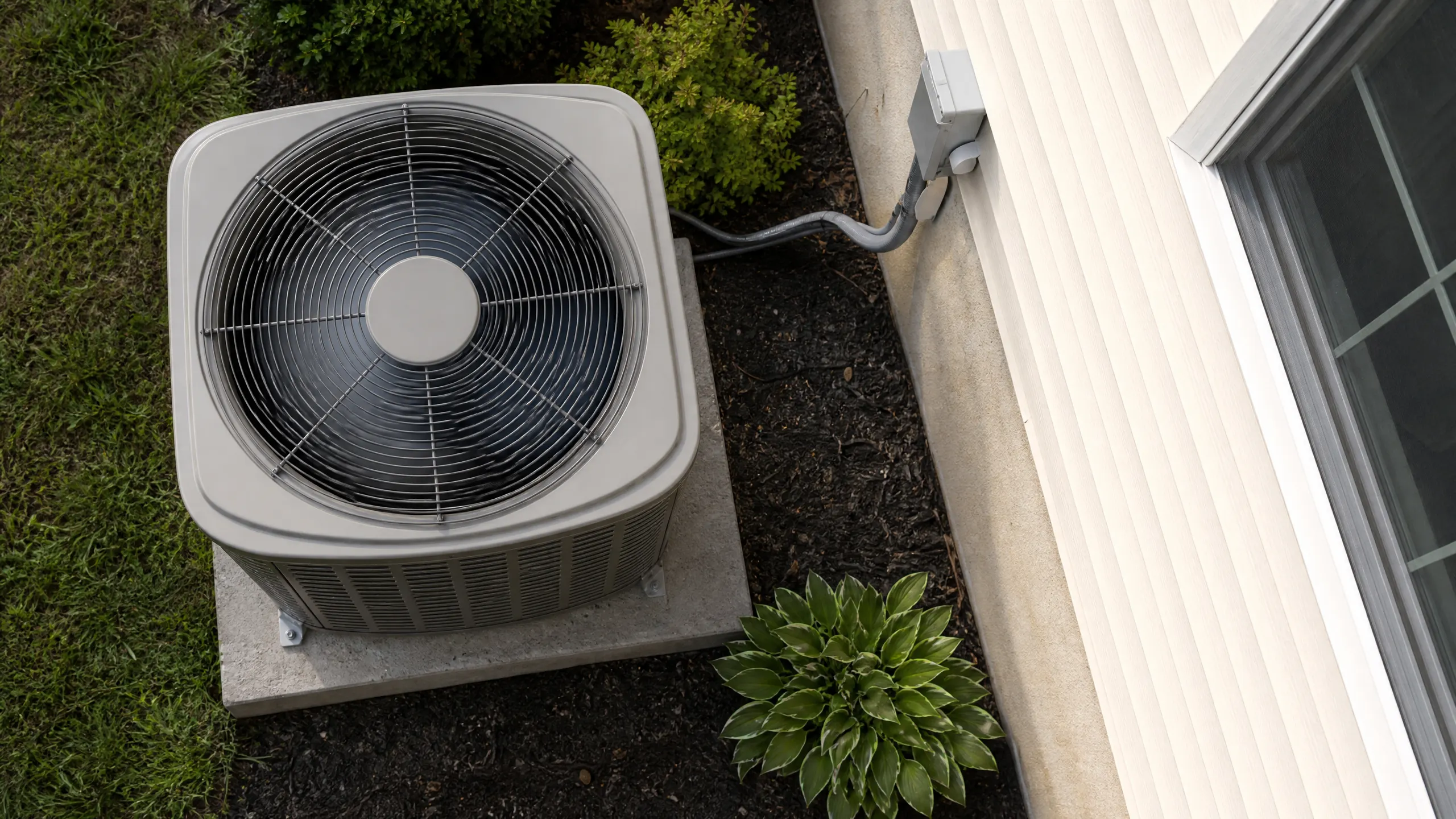
An overhead view of a residential air conditioning condenser unit mounted on a concrete pad next to a house with vinyl siding.

A higher-efficiency unit would save about $50 a year to run in Hidalgo County compared with a new unit at the federal minimum.

  • A higher-efficiency unit$740 a year
  • A new unit at the federal minimum, 14.3 SEER2$790 a year

Estimates for a typical Hidalgo County home, from EIA household energy data, Texas fuel prices and NOAA climate normals. Your home will differ.

Installation day starts with the old equipment coming out, the indoor coil, the outdoor condenser, and the line set connecting them. If the new system uses a different refrigerant or line size, that old line set usually comes out too instead of getting reused. Setting the new outdoor unit means leveling a pad and leaving clear air on all sides, since the condenser needs room to pull air through the coil and push it back out. Inside, the coil gets matched to the furnace or air handler, and the line set gets connected and pressure tested for leaks before any refrigerant goes in. Charging the system comes last, and it has to match the exact amount the manufacturer specifies, checked against the temperature split at the vents rather than just filled until a gauge looks right. Before the crew leaves, expect them to run the system for a while, checking airflow at the registers and making sure the thermostat is actually talking to the equipment.