



Texas Cooling Help
A single-story brick house with a two-car garage photographed at dusk, with interior lights glowing through the windows and trees on either side.

AC Installation in Fort Worth, TX

Tell us about the job

Takes about a minute. No obligation.

Step 1 of 3: Equipment

Texas homes paid 14.94 cents per kilowatthour for electricity in 2024. Fort Worth summers put real hours on an AC, so that rate shows up on the bill month after month, not just once. A new system's SEER2 rating only holds up if it's sized right for your home and matched to your ducts. One that's oversized or poorly matched will run less efficiently than its label says, no matter how high that number is. Getting the sizing and installation right is what makes an efficient unit actually efficient to run.

6 months
May through October, your air conditioner is on duty
94°F
the average summer afternoon it cools against
416 hail events
in ten years, and hail bends the fins on outdoor coils
13.4 SEER2
the federal minimum any new unit must meet
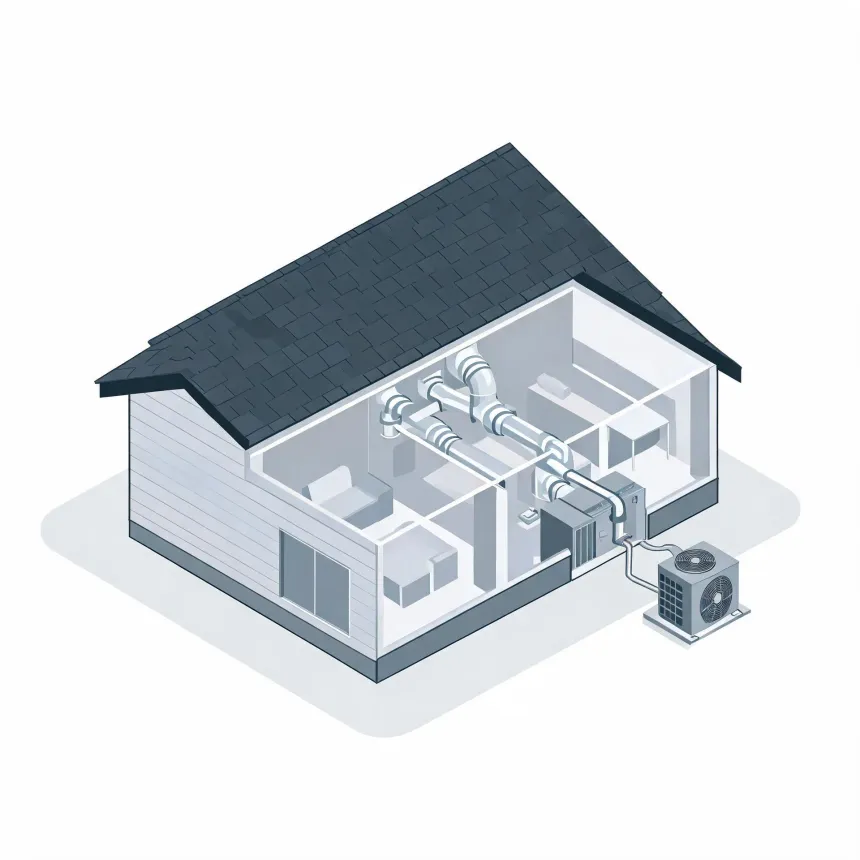
Isometric cutaway illustration of a house with a dark shingled roof, showing interior ductwork connected to an indoor air handler and an outdoor condenser unit beside the building.
Your air conditioner works hardest from June through September.

NOAA nClimDiv, 1991–2020 normals

Tarrant County logged 416 hail events between 2015 and 2024, more than one a week on average.

An outdoor condenser takes that hail directly, so where it sits and what shields it matters as much as what's inside it.

Six months of summer means this system never really gets a break

Cooling runs May through October
Summer afternoons average 94°F
253 damaging wind events from 2015 to 2024
Built for electric heatElectricity heats 66.6% of homes in Tarrant County, so most AC installs here tie into a system that already runs on electric.

A load calculation is what ties your home to the right size system, not a guess based on the square footage of the last house a contractor worked on. It accounts for your windows, your insulation, how many rooms you're cooling, and where the ductwork runs. Ask whoever quotes the job to walk you through theirs before you sign anything. If a contractor skips straight to a unit size and a price, that's worth asking about.

Any system installed here has to meet a higher bar than the national minimum

Fort Worth sits in climate zone 2A, and any new split system going in has to clear 14.3 SEER2 under 45,000 Btu/h, higher than what the rest of the country requires. That floor is set by the region, not by what a contractor happens to stock. A federal tax credit is available for qualifying equipment, worth asking about when you compare quotes.

Find a contractor
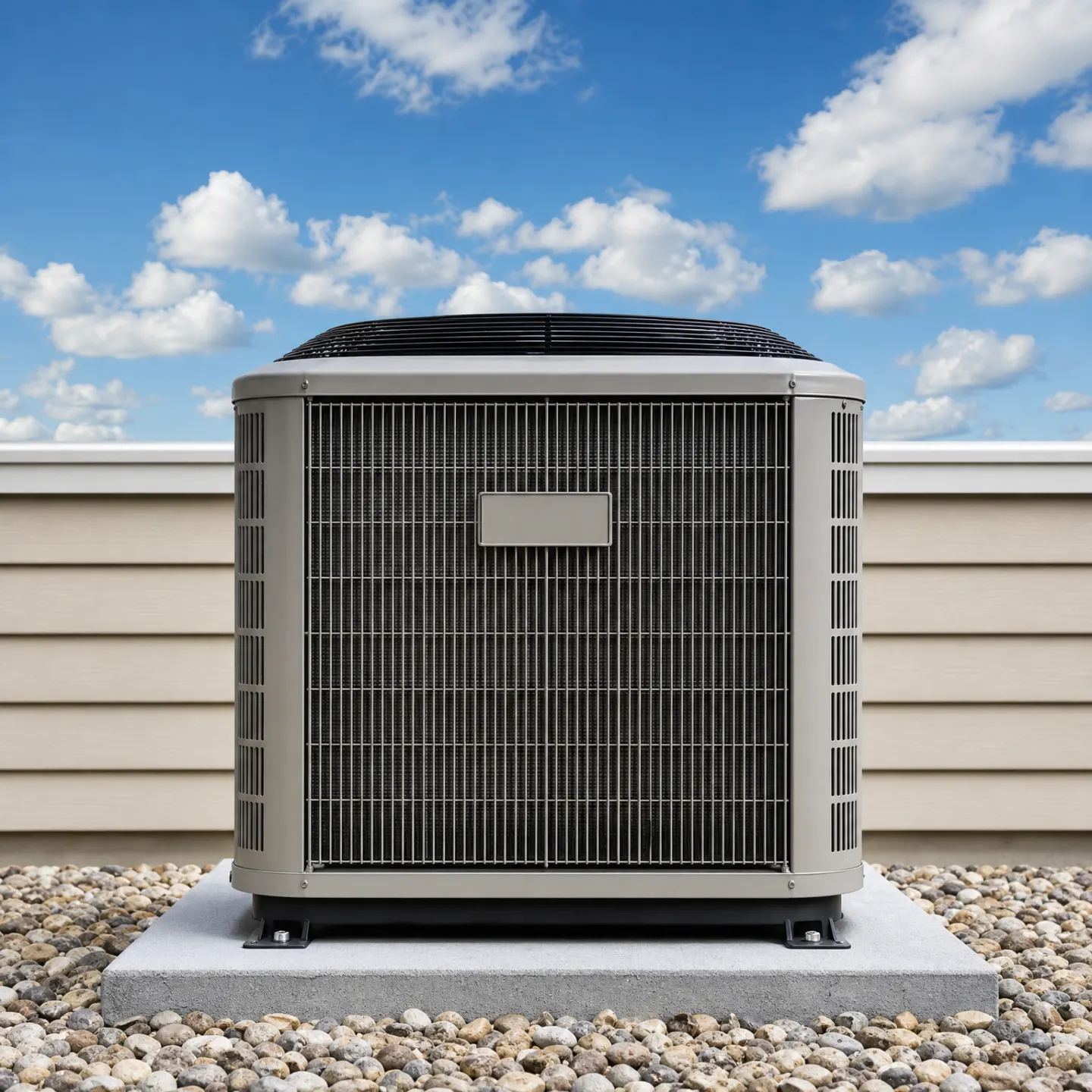
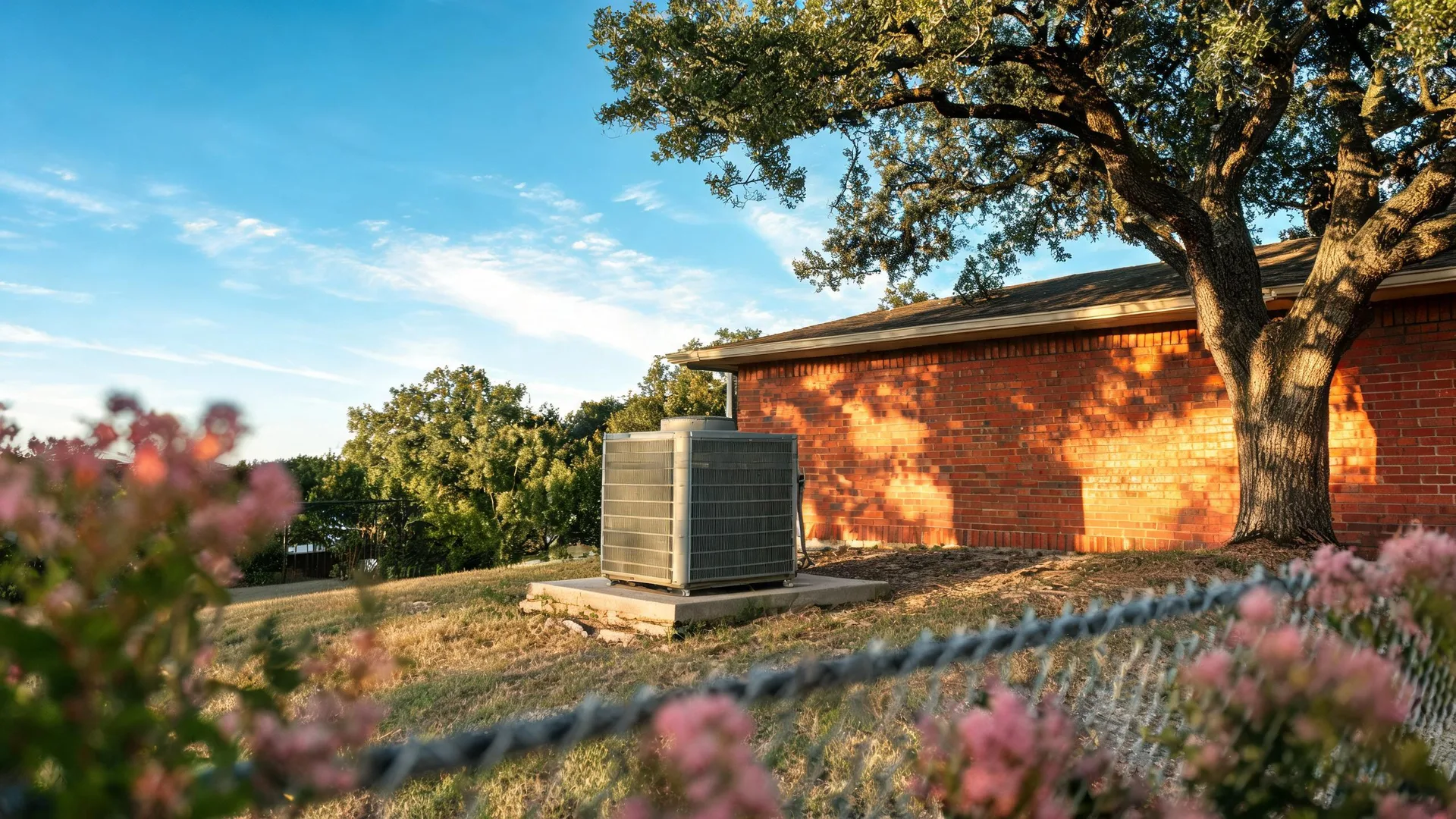
An outdoor residential air conditioning condenser unit mounted on a concrete pad, surrounded by gravel with a blue sky in the background.

This system starts working in May and doesn't stop until October

Six months of cooling here means a new system runs more hours in its first year than it would almost anywhere else. That's why the load calculation matters more than the brand on the unit. A system sized right for your home cycles on and off the way it's supposed to, even in August. One sized off a guess runs longer to make up for it, every day the heat holds at 94. Ask to see the load calculation before you sign anything.

The rating is measured in a lab, not your attic

SEER2 is worked out under set test conditions, with a specific duct static pressure assumed. Your ductwork, your return air, and where the unit sits all push the real number away from the label. Homes with the same rated system can see different results depending on how the rest of it was put together.
A higher number costs more up front

Equipment with a higher SEER2 rating generally costs more to buy than equipment at the regional floor. Whether that difference is worth it depends on how many hours a year the system runs and how long you plan to stay in the home. Ask for the efficiency rating at a few different price points so you can weigh them against each other.

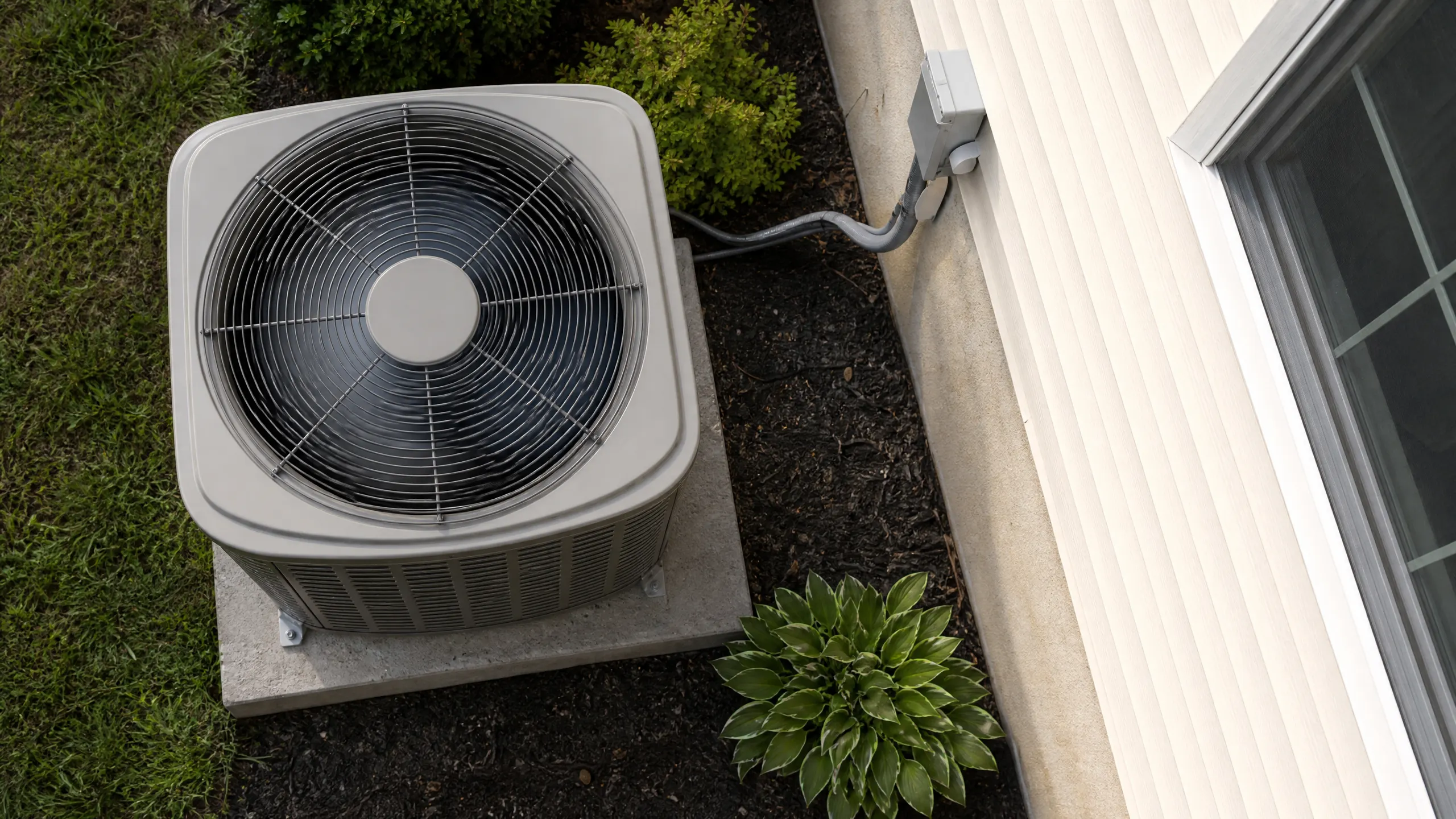
An overhead view of a residential air conditioning condenser unit mounted on a concrete pad next to a house with vinyl siding.

A higher-efficiency unit would save about $30 a year to run in Tarrant County compared with a new unit at the federal minimum.

  • A higher-efficiency unit$460 a year
  • A new unit at the federal minimum, 14.3 SEER2$490 a year

Estimates for a typical Tarrant County home, from EIA household energy data, Texas fuel prices and NOAA climate normals. Your home will differ.

Install day starts with the old equipment coming out, both the outdoor condenser and the indoor coil, along with the line set that connects them. A tech worth hiring will pull a vacuum on the new line set before any refrigerant goes in, which clears out air and moisture that would otherwise sit in the system and cause problems later. The new coil gets set in the plenum above or beside the furnace, and that joint has to be sealed well or you lose cooled air before it ever reaches your ducts. Outside, the condenser goes on a pad, leveled, with clearance around it for airflow. Once it's wired in and charged, the tech checks refrigerant levels against the manufacturer's spec and tests the system through a full cooling cycle before calling the job done.