


Texas Cooling Help
A single-story brick ranch house at night, lit by exterior lights that illuminate the facade, driveway, and several large mature trees in the front yard.

AC Installation in Sherman, TX

Tell us about the job

Takes about a minute. No obligation.

Step 1 of 3: Equipment

Electricity in Texas ran 14.94 cents per kilowatthour in 2024. That rate gets multiplied by every hour your air conditioner runs, and in Sherman that's a lot of hours. A unit's efficiency rating matters more here than in a place where power is cheap or the system barely runs. Two systems can cost the same to install and still leave you with very different bills once summer sets in. Ask what SEER2 rating you're buying, not just what the install costs.

5 months
May through September, your air conditioner is on duty
93°F
the average summer afternoon it cools against
150 hail events
in ten years, and hail bends the fins on outdoor coils
13.4 SEER2
the federal minimum any new unit must meet
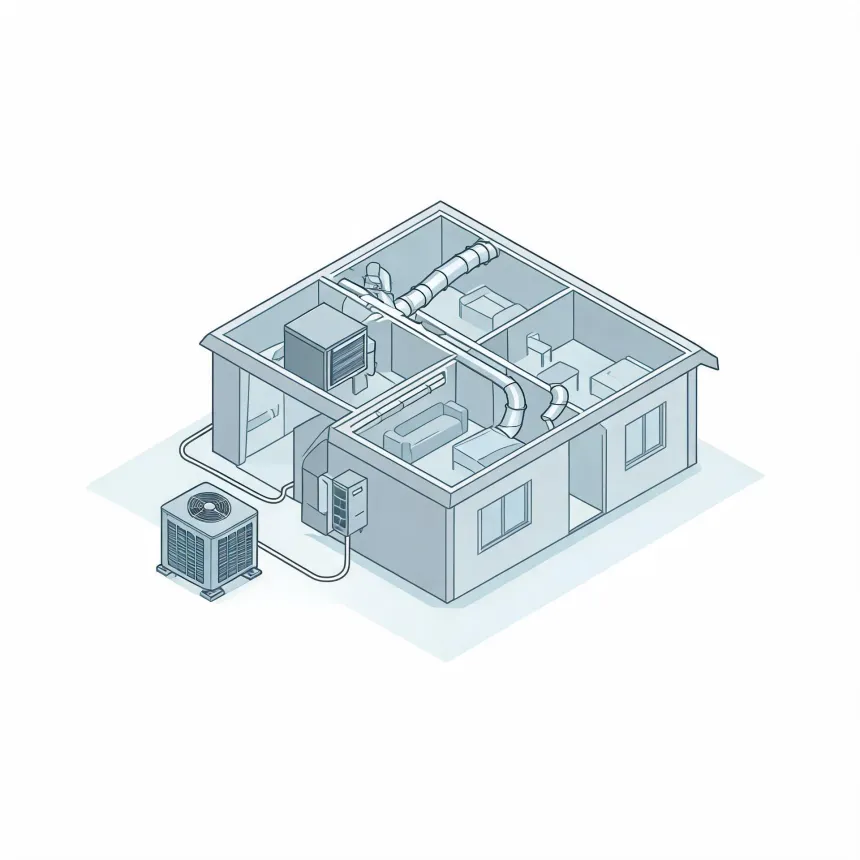
Isometric line illustration of a cutaway house showing interior rooms with ductwork, an air handler and furnace, connected by lines to an outdoor condenser unit on the ground outside.
Your air conditioner works hardest from June through September.

NOAA nClimDiv, 1991–2020 normals

Grayson County logged 150 hail events between 2015 and 2024.

The outdoor unit sits outside year round, so where it goes and what shields it matters.

Most homes here run on electricity, and yours probably will too

60% of homes heat with electricity
Cooling runs May through September
Summer afternoons average 93°F

Grayson County sits in a warm climate zone with a long run of hot months and real humidity alongside them. Because of that, any split-system air conditioner installed here has to meet 14.3 SEER2 if it's rated below 45,000 Btu/h, higher than what's required in milder parts of the country. That's not a suggestion a contractor can round down from. If you're comparing bids, check that the system they're proposing actually clears that number, not just a lower one that would pass somewhere else.

Get it in before May, not during the first hot week

Cooling starts in May here and runs through September. April is the one month before it, and it's the month to get a new system in. Install now and the unit gets tested and adjusted before it has to carry a full summer, not during the first hot week when every contractor's schedule is backed up.

Find a contractor
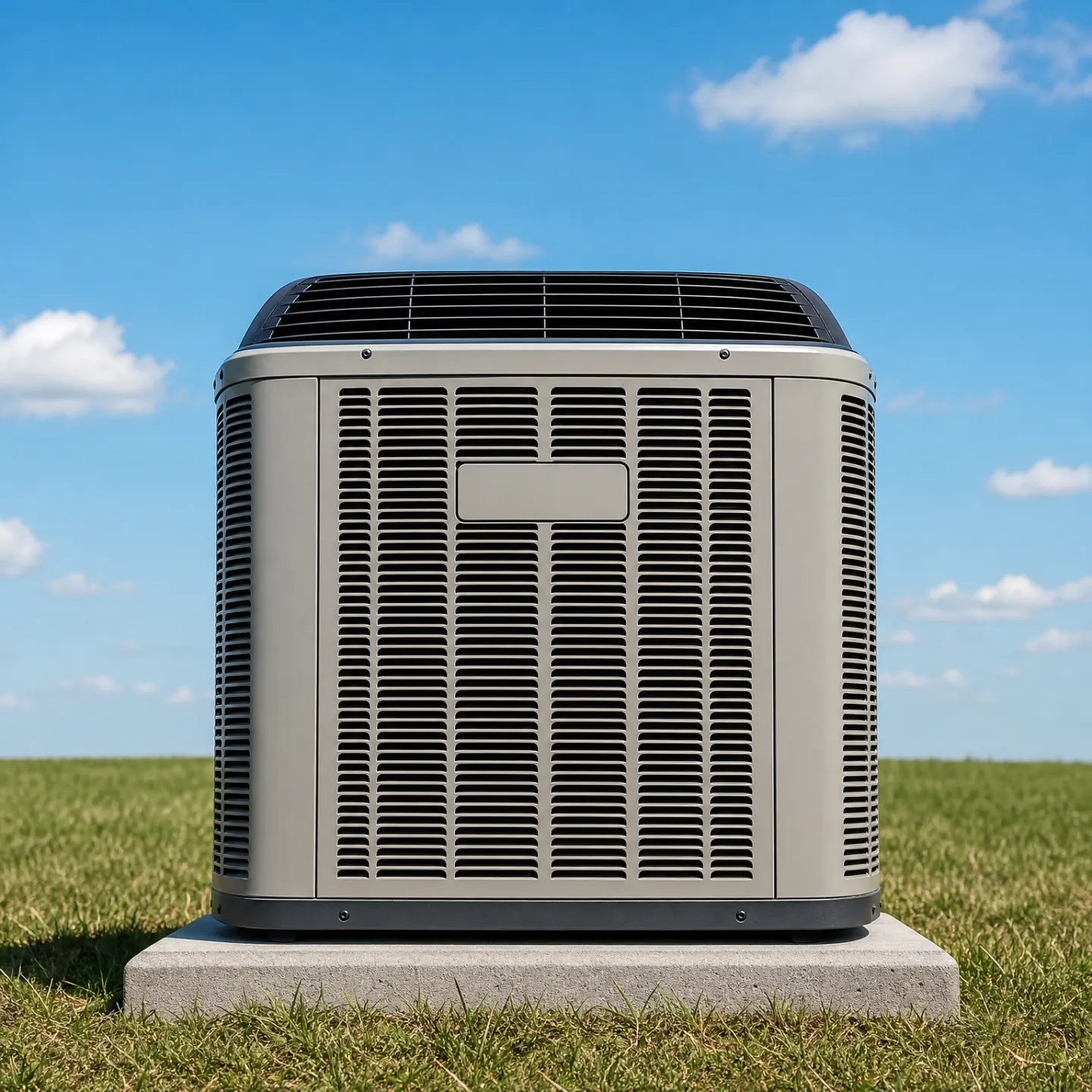
A gray residential air conditioning condenser unit mounted on a concrete pad outdoors, surrounded by green grass under a partly cloudy blue sky.

Five months of 93 degrees is the job this system has to do

Cooling runs about five months here, May through September, with afternoon highs averaging 93°F in June, July and August. That's not a few rough weeks. It's most of the year, and it's the load the system has to carry every one of those days. A unit sized wrong for the house doesn't just quit. It runs longer than it should to hit the same temperature, and the compressor and the capacitor feel that extra time running before a well-matched system would. Ask your contractor to size the system to your house, not just match the tonnage of the one coming out.

Ask who's doing the load calculation

Tonnage should come from a room by room load calculation, not a guess based on square footage or the size of the system already in the house. Houses the same size can need different tonnage depending on windows, ceiling height and what's upstairs versus down. A contractor who quotes a number before looking at the house is quoting the easy answer, not the right one.
Ask what happens to the ductwork

A new outdoor unit and coil matched to old, leaky or undersized ducts still won't deliver the cooling you paid for. Ask whether the ducts were inspected as part of the bid, and whether the quote includes sealing or modifying them if they're wrong for the new system. Air has to actually get to the rooms, and the system can't make up for ducts that lose it along the way.

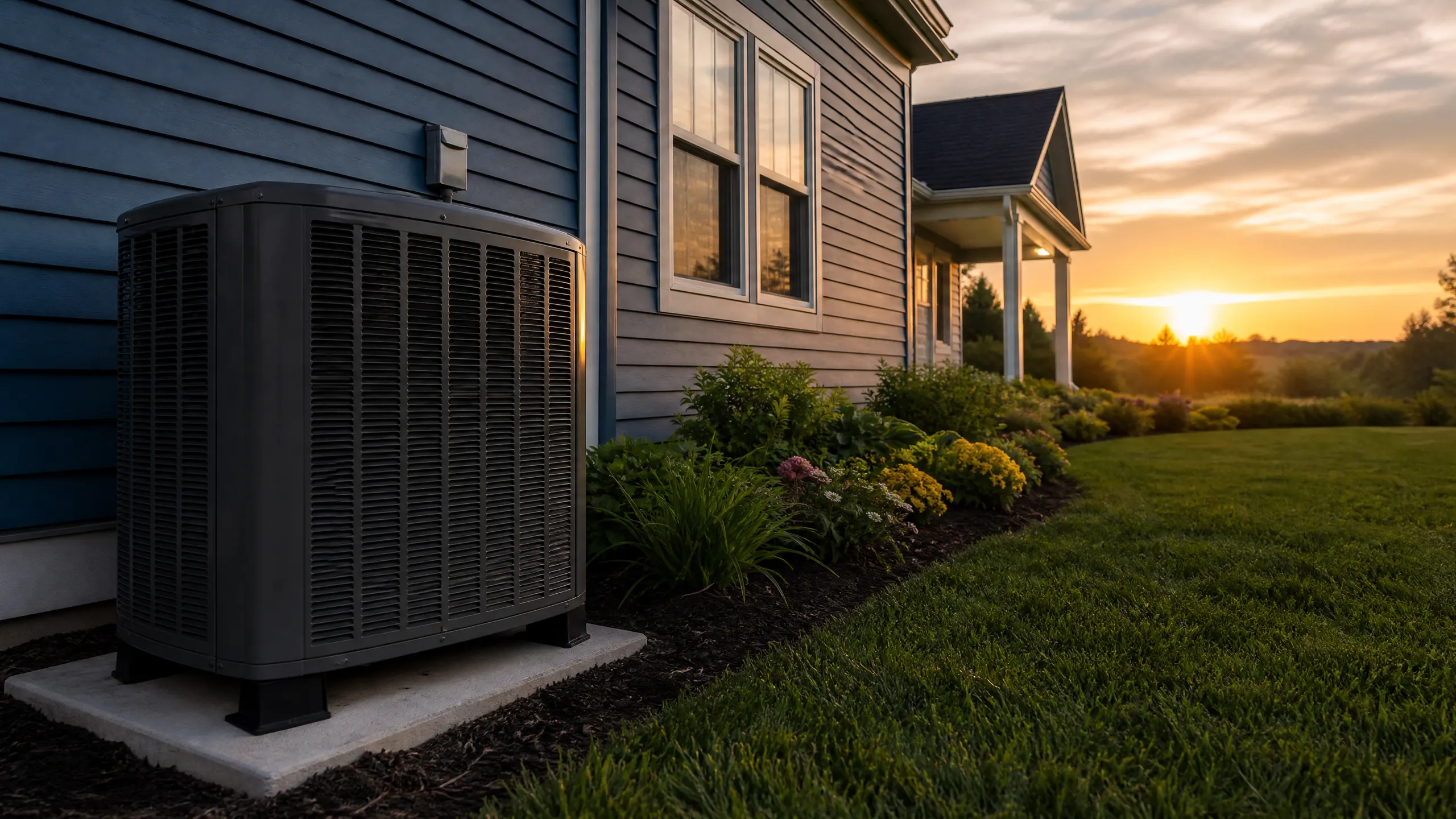
An outdoor air conditioning condenser unit mounted on a concrete pad next to a blue-sided residential house at sunset.

Going above the federal minimum saves little here, about $20 a year.

  • A higher-efficiency unit$400 a year
  • A new unit at the federal minimum, 14.3 SEER2$420 a year

Estimates for a typical Grayson County home, from EIA household energy data, Texas fuel prices and NOAA climate normals. Your home will differ.

Installation takes most of a day, sometimes longer if the ductwork needs work too. The old outdoor unit and indoor coil come out first, along with the old refrigerant, which gets recovered, not vented. Lines get flushed or replaced so the new system isn't running through contamination left by the old one. The new coil goes in, the new outdoor unit gets set on its pad, and the line set connecting them gets brazed and pressure tested before anything is charged with refrigerant. Charging has to match what the manufacturer specifies for that unit and that length of line, checked against the actual pressures and temperatures once it's running, not just filled and left. Only after that does a tech check airflow at the registers and confirm the thermostat is actually controlling the system the way it should.