




Texas Cooling Help
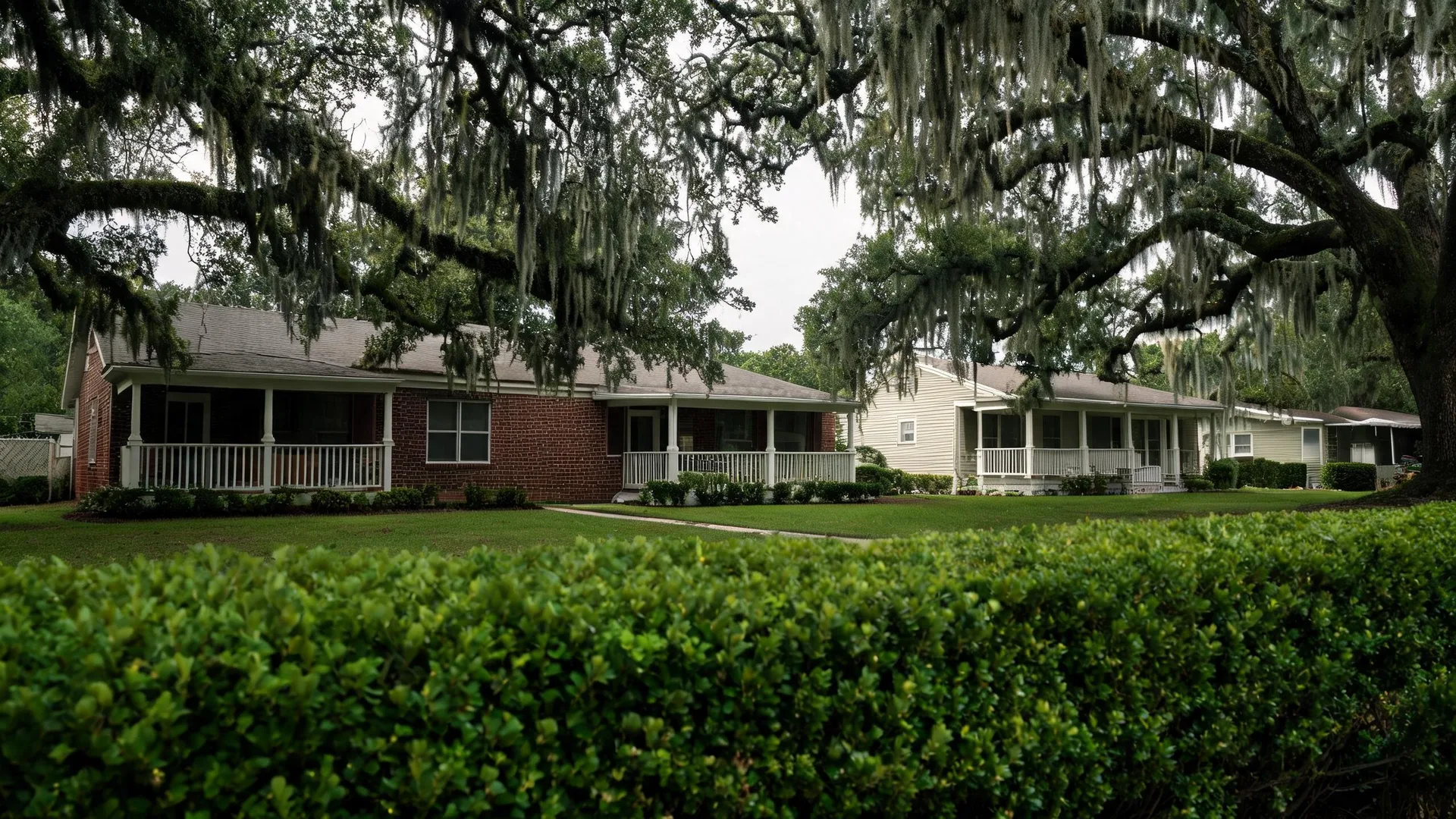
A row of single-story houses with covered porches, the nearest clad in red brick, seen behind a trimmed hedge and lawn beneath large moss-draped oak branches.

AC Installation in Houston, TX

Tell us about the job

Takes about a minute. No obligation.

Step 1 of 3: Equipment

Electricity in Texas ran 14.94 cents per kilowatthour in 2024, on the high side for the country. A new AC here is going to run most of the summer to keep up with the heat outside. A system sized right for your house, with a proper charge and good airflow, does that job on less power than one that's undersized, oversized, or just installed wrong. That difference shows up on every bill all summer, not just the first one.

7 months
April through October, your air conditioner is on duty
93°F
the average summer afternoon it cools against
149 hail events
in ten years, and hail bends the fins on outdoor coils
13.4 SEER2
the federal minimum any new unit must meet
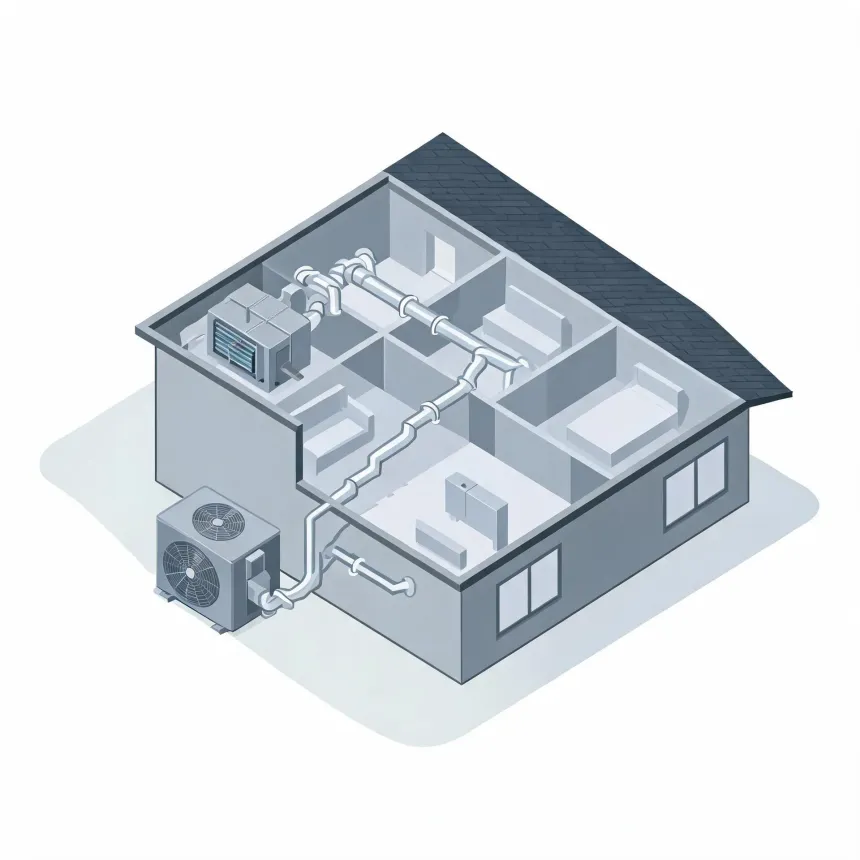
Isometric grey illustration of a cutaway single-story house showing interior rooms, ceiling ductwork connected to an indoor air handler, and an outdoor condenser unit linked by lines outside the wall.
Your air conditioner works hardest from May through September.

NOAA nClimDiv, 1991–2020 normals

The right size comes from a load calculation, not the size of the unit you had before.

Guess the size and you get short cycles or a system that never quite catches up.

Seven months of 93 degree afternoons, and wind on top of it

Cooling runs April through October
Summer afternoons average 93°F
178 damaging wind events from 2015 to 2024
Houston runs on electric heatMore homes here run on electricity than any other fuel, 55.4 percent, against 42.2 percent on gas.

March is the month to get this done. Cooling starts up in April here and runs through October, so by the time it's installed you're not scrambling to get it done while the house is already hot. A contractor working before the season has the time to do it right, pressure testing the lines, checking the charge, confirming the airflow matches your ductwork. Wait until the heat sets in and that same job gets done around whatever else is going on with your house that week.

Your new AC has to clear a higher bar here than most of the country sets

Any new system installed here has to meet 14.3 SEER2, the Southeast minimum for units under 45,000 Btu/h, higher than what manufacturers build to everywhere else. That narrows what a contractor can put in your house, and installing it right is what gets you that rating in practice, not just on paper. A system meeting this standard may also qualify for the federal tax credit on efficient equipment.

Find a contractor
A man in a dark t-shirt and tan work pants walks up concrete steps toward a red front door, carrying a worn canvas tool bag, with a potted shrub beside the entry.
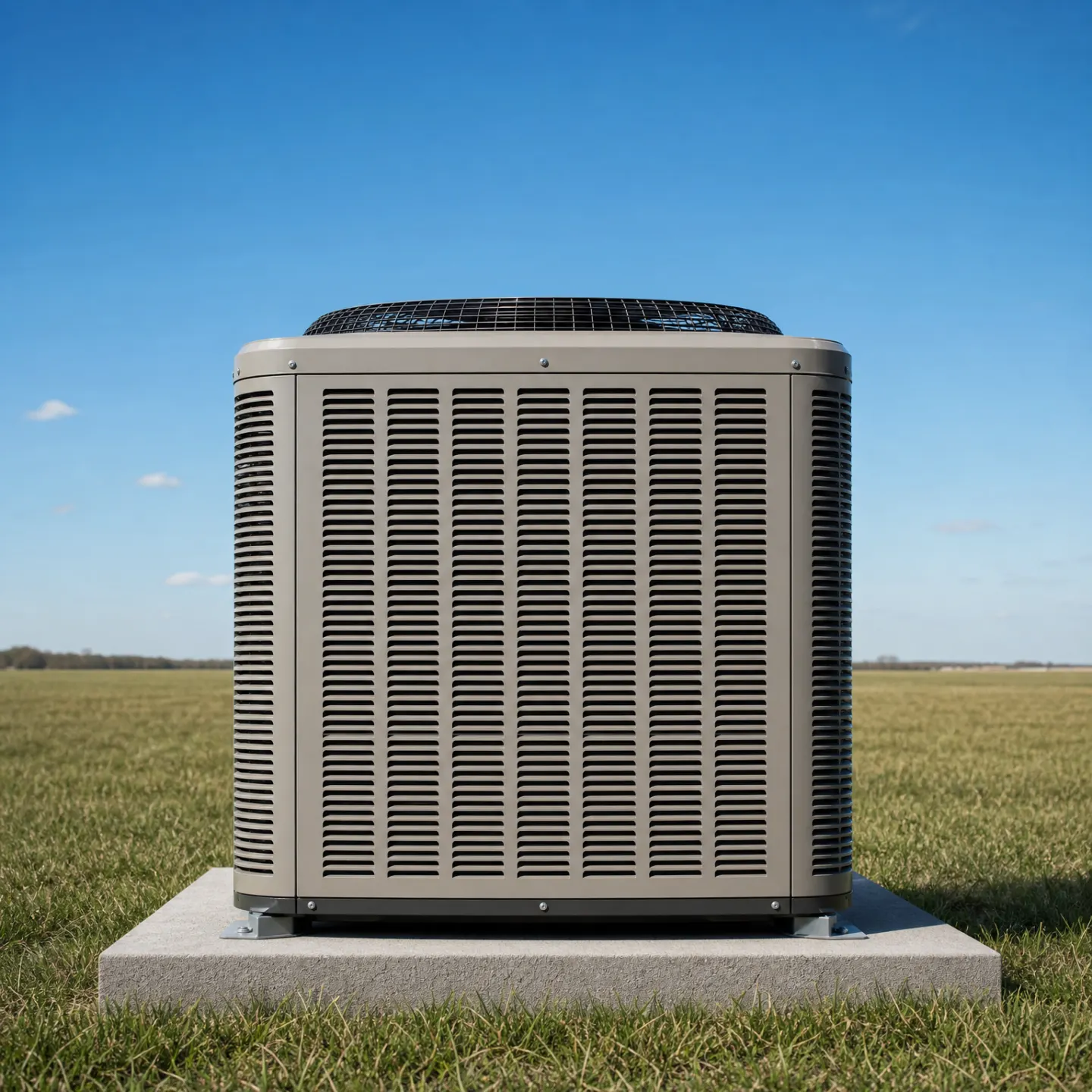
A gray residential air conditioner condenser unit mounted on a concrete pad in an open grass field.

Seven months of this, every year

This system runs about seven months straight here, April through October, with afternoons averaging 93 degrees across June, July and August. A load calculation before install tells the contractor the size your house actually needs. Get that number right and the unit you install can handle this workload for what it's built for. Size it wrong, whether too big or too small, and a Houston summer finds that mistake faster than a milder one would.

The rating is for one unit, not your whole setup

The number on the label gets tested on a matched system in a lab, with the right coil, the right airflow, the right charge. Put that same condenser on a mismatched coil or starve it for airflow and the house never sees that rating. The equipment makes the rating possible. The installation decides whether you get it.

A higher rating buys you less electricity for the same cooling

A system with a higher rating moves more heat out of the house for every bit of electricity it uses. Both might cool the house to the same temperature, but the one working more efficiently gets there on less power. Run that difference over a full season and it shows up on the bill, not in how cold any one room gets.

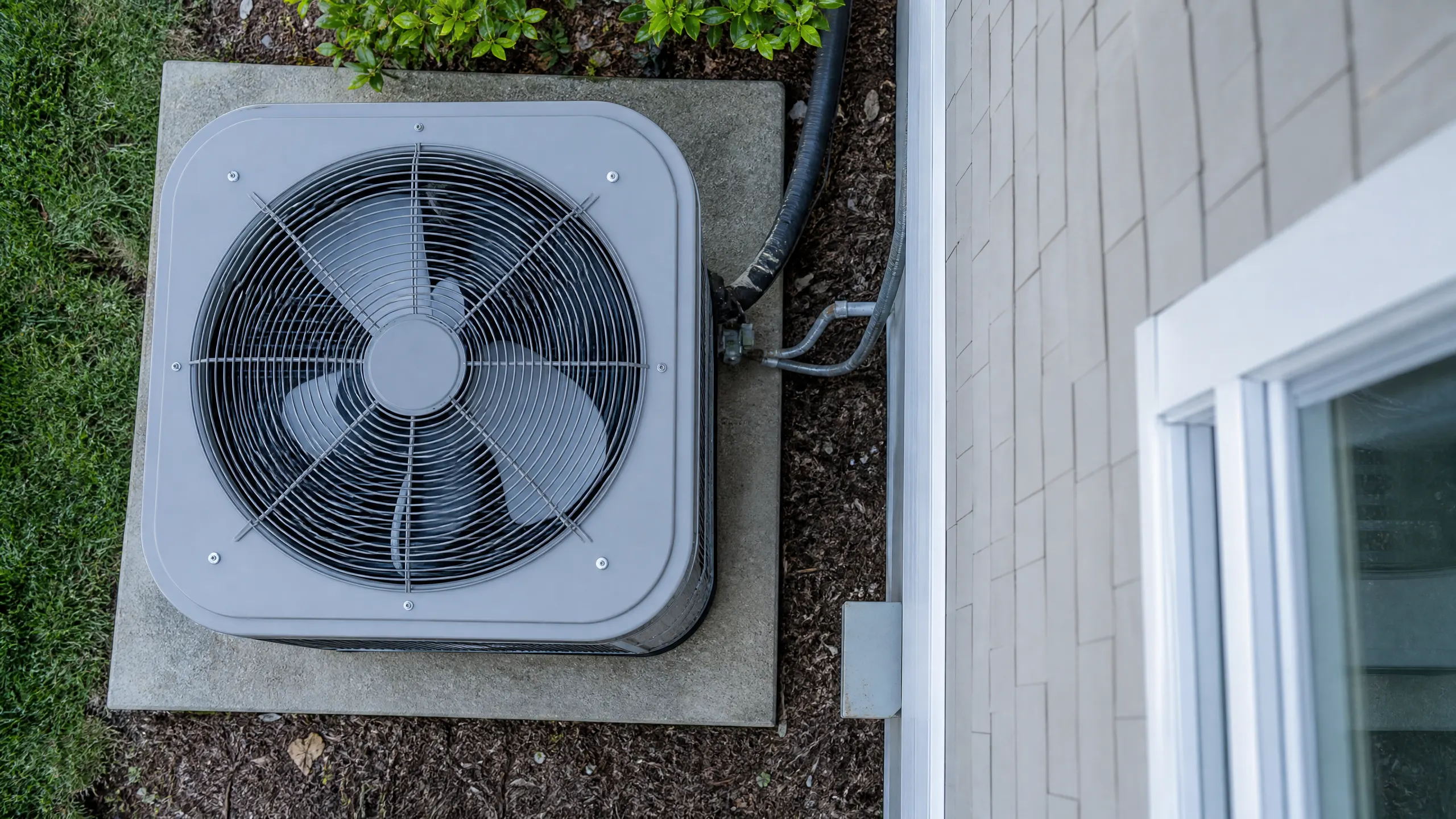
Aerial view of a residential air conditioning condenser unit mounted on a concrete pad next to a house with vinyl siding and a sliding glass door.

A higher-efficiency unit would save about $30 a year to run in Harris County compared with a new unit at the federal minimum.

  • A higher-efficiency unit$530 a year
  • A new unit at the federal minimum, 14.3 SEER2$560 a year

Estimates for a typical Harris County home, from EIA household energy data, Texas fuel prices and NOAA climate normals. Your home will differ.

Install day starts with the equipment already sized from the load calculation, not a decision made on site. The old unit comes out, lines get cut back, and the new coil and condenser go in against those numbers. A good contractor pressure tests the line set before any refrigerant goes in, because a leak found after charging means redoing work that should have been caught earlier. Charging comes next, weighed in against the manufacturer's spec rather than judged by feel. Airflow gets checked against the ductwork already in the house, since the best condenser on the market can't make up for a return that's too small. Before anyone leaves, the system runs long enough to settle in and get checked against what it's supposed to be doing, not just whether cold air is coming out of the vents.