


Texas Cooling Help
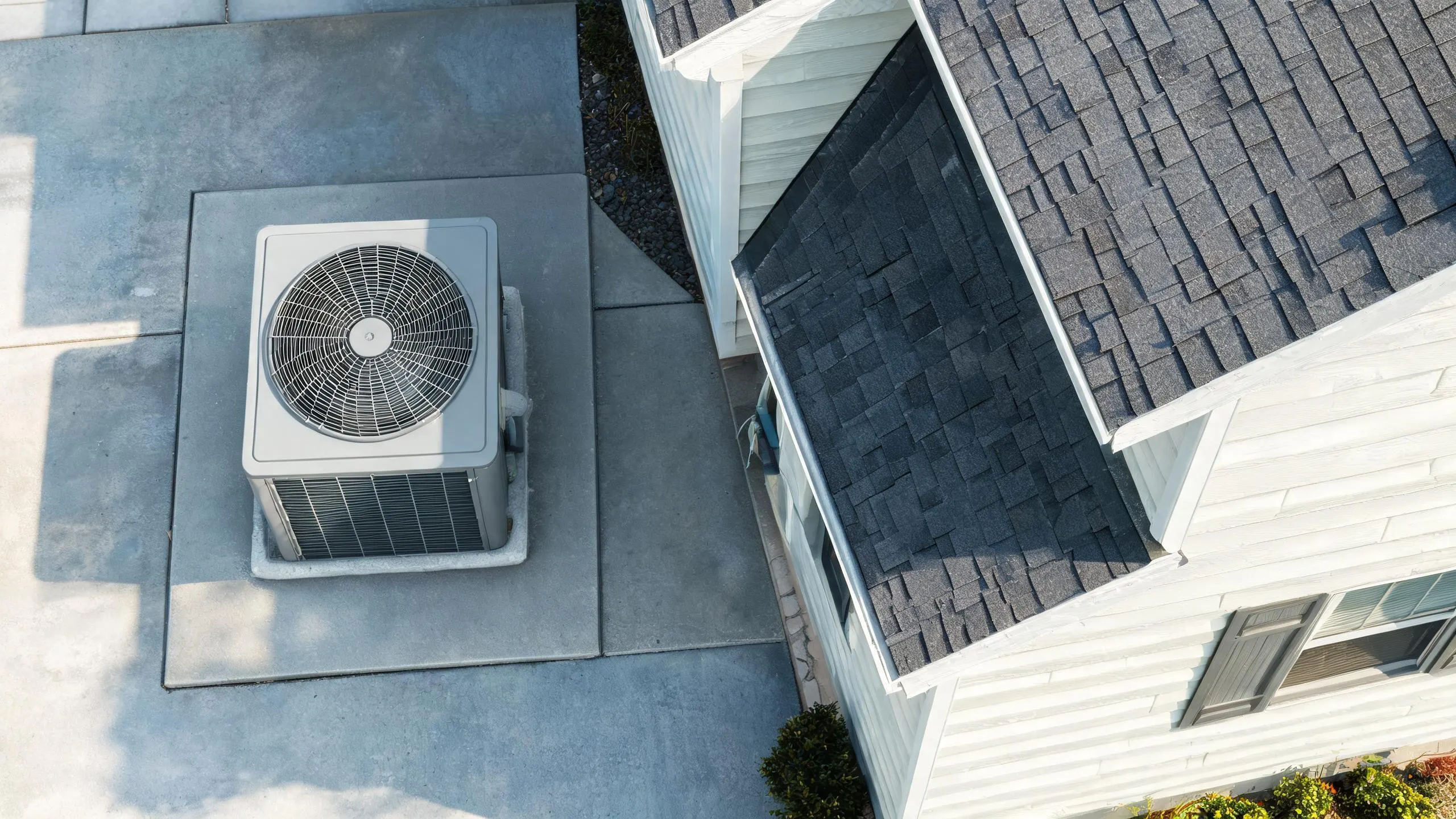
Overhead view of an outdoor AC condenser unit on a concrete pad next to a house with a dark shingle roof.

AC Installation in Weatherford, TX

Tell us about the job

Takes about a minute. No obligation.

Step 1 of 3: Equipment

Texas homes paid 14.94 cents per kilowatthour in 2024. That rate applies every time the compressor kicks on, all summer long. A unit sized wrong for your house, or an old one losing efficiency, turns that rate into a bigger bill than it needs to be. When you're installing new, the SEER2 rating on the unit tells you how much cooling you get for that power. A higher rating costs more up front but draws less for the same cooling, and at Texas electric rates that difference shows up on every bill, not just the first one.

6 months
May through October, your air conditioner is on duty
94°F
the average summer afternoon it cools against
113 hail events
in ten years, and hail bends the fins on outdoor coils
13.4 SEER2
the federal minimum any new unit must meet
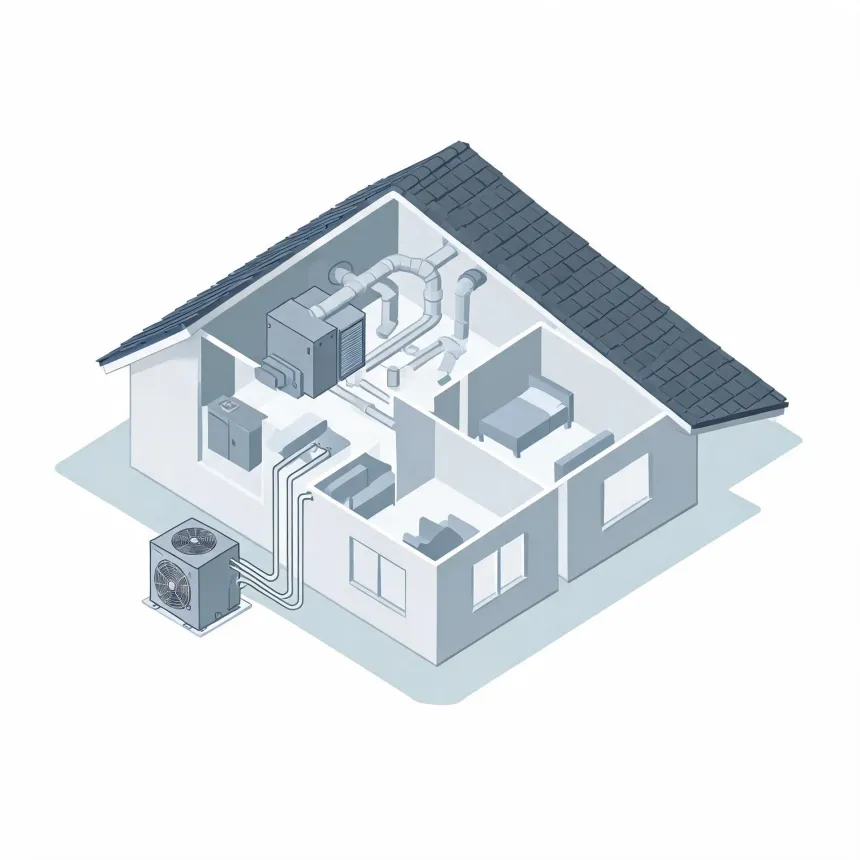
Isometric cutaway illustration of a single-story house showing interior rooms, ductwork and an air handler in the attic space, and an outdoor condenser unit connected by lines at the exterior wall.
Your air conditioner works hardest from June through September.

NOAA nClimDiv, 1991–2020 normals

Homes in Parker County run air conditioning May through October.

April is the month to get a new system in, before the first hot stretch puts it to work.

Most homes here run on electricity, and the AC should match

77.1% of homes heat with electricity
Cooling runs May through October
Summer afternoons average 94°F

Parker County falls under zone 3A, and Texas is in the federal Southeast region for AC rules. That means a new split system rated below 45,000 Btu/h has to hit at least 14.3 SEER2, and larger units need 13.8. Both are higher than what the rest of the country requires. A contractor quoting a unit here should already be working from these numbers. A federal tax credit is also available for qualifying high-efficiency equipment, worth asking about when you compare quotes.

Plan the installation around the weather it has to survive

Parker County sees more hail, wind and tornadoes than most places, and the outdoor unit sits outside through all of it. Where it goes and what's planted or stacked around it is worth deciding before installation, not after a storm. Worth asking, too, how the system handles an outage, since a third of Texas households lost power for a day or more in 2024.

Find a contractor
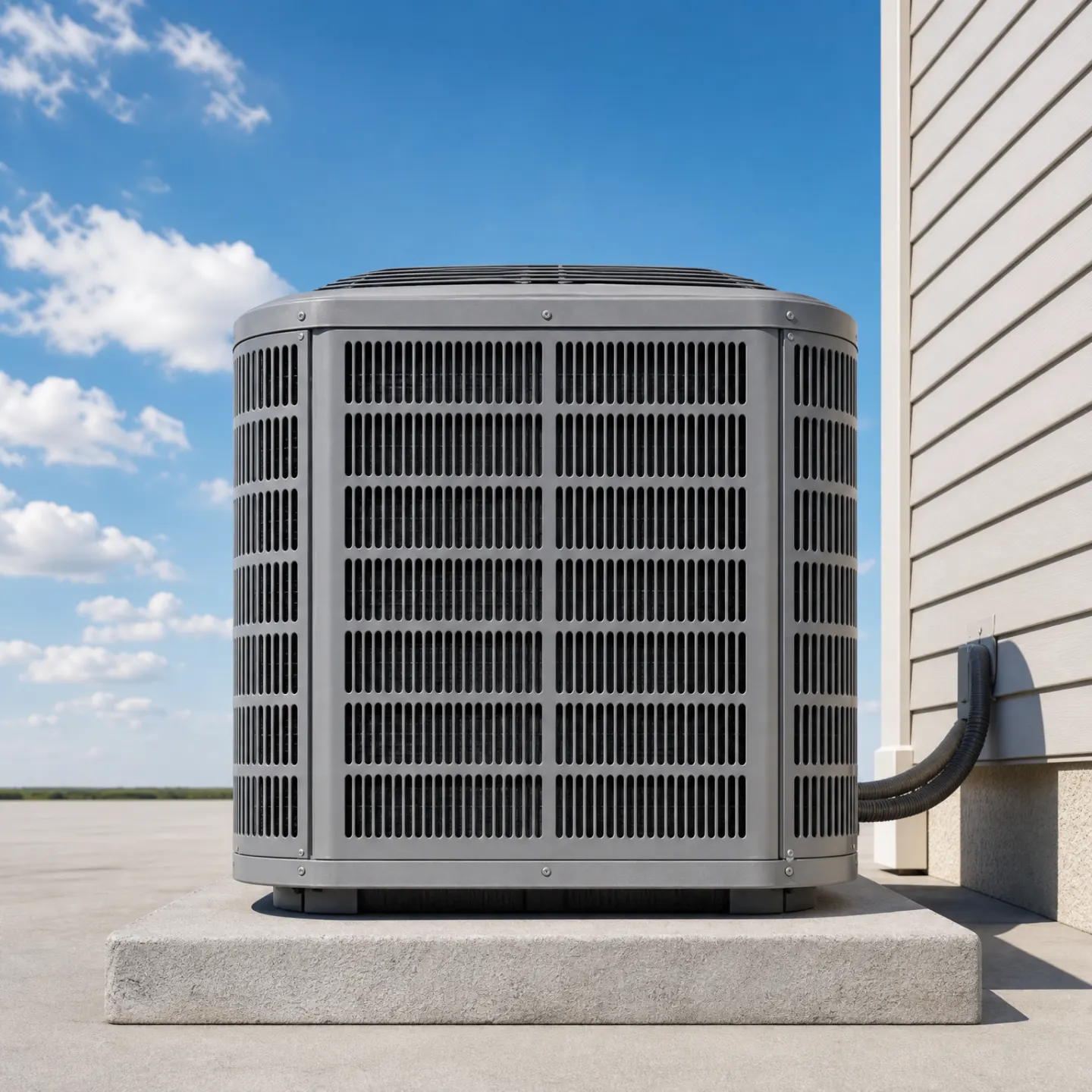
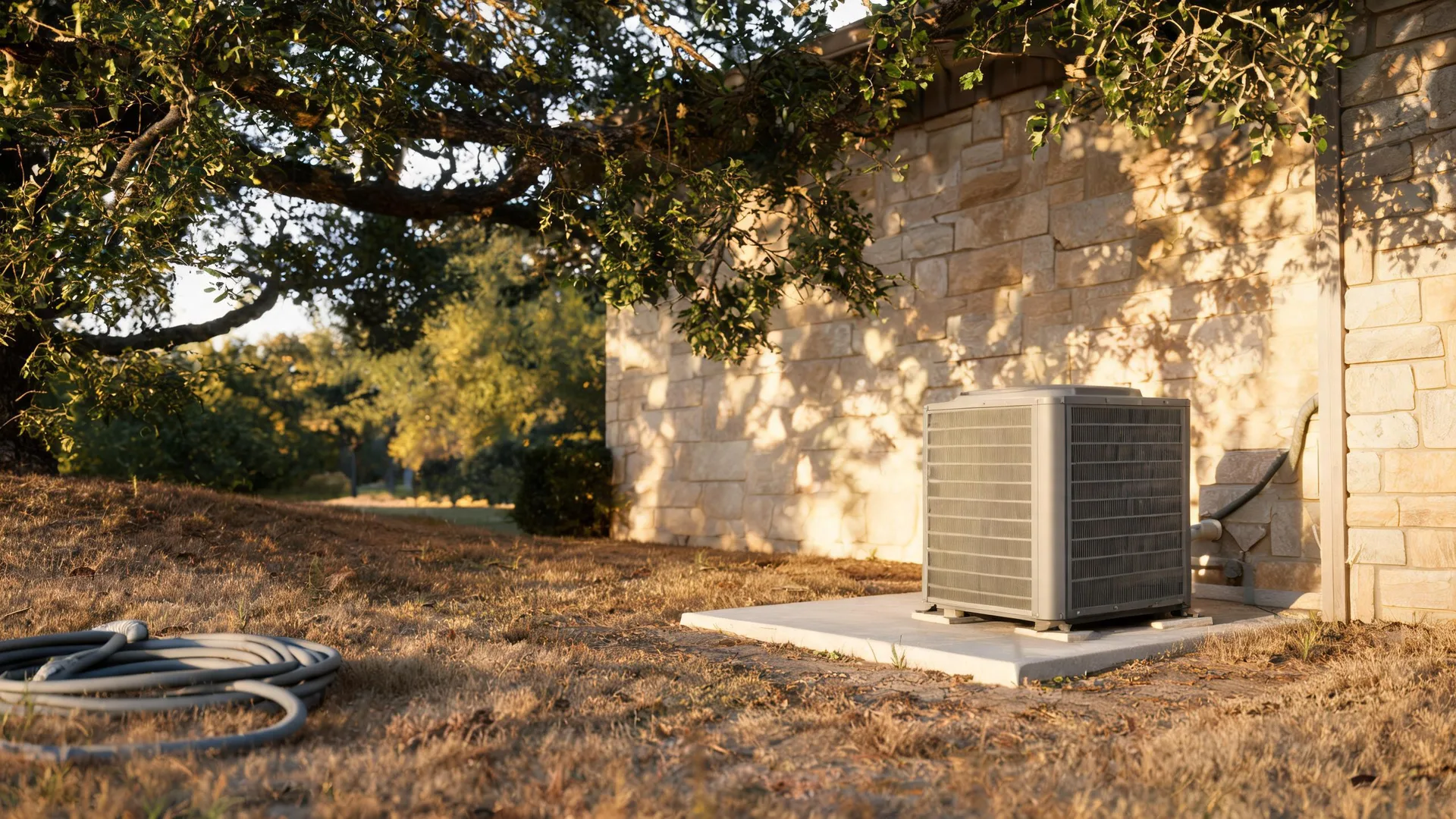
A gray cylindrical air conditioning condenser unit mounted on a concrete pad next to a light-colored vinyl-sided house exterior.

Six months of summer, every year

Cooling runs here from May through October, and June through August the afternoon high averages 94 degrees. That is the stretch a new system has to work through every year. The outdoor unit also sits through Parker County weather, hail included, so it takes a beating beyond just the hours it runs. Size it right for the house and it handles that load without straining. Size it wrong, too small or too big, and it works harder than it should from the first summer on.

A load calculation, not a square footage chart

The right size comes from a room by room load calculation, weighing window area, insulation, ceiling height and which way the house faces. Houses the same size on paper can need different tonnage once those factors are weighed. A contractor who quotes off square footage alone is guessing, not sizing.
Oversized fails differently than undersized

A unit too big cools the air fast and shuts off before it pulls the moisture out, so the house feels clammy even at the right temperature. A unit too small runs constantly and never quite catches up on the hottest afternoons. Both wear out their parts faster than a system matched to the house.

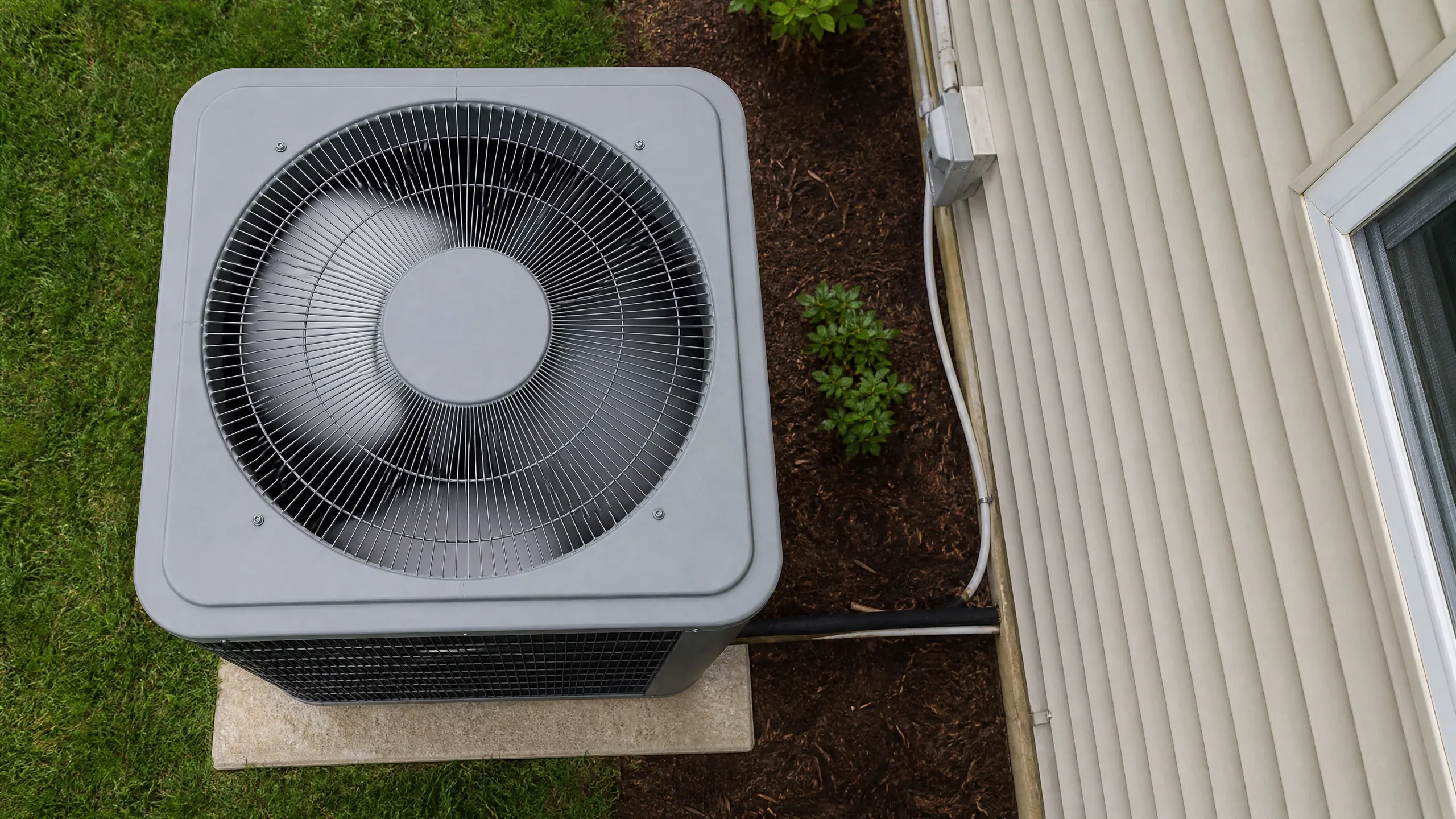
Aerial view of a gray outdoor air conditioning condenser unit mounted on a concrete pad next to a house with vinyl siding.

A higher-efficiency unit would save about $30 a year to run in Parker County compared with a new unit at the federal minimum.

  • A higher-efficiency unit$420 a year
  • A new unit at the federal minimum, 14.3 SEER2$450 a year

Estimates for a typical Parker County home, from EIA household energy data, Texas fuel prices and NOAA climate normals. Your home will differ.

Install day starts with the old equipment coming out. The indoor coil, the outdoor unit, and the line set between them all come out together. If the new system runs a different refrigerant or a different line size, that old line set gets replaced rather than reused. The outdoor pad gets leveled or replaced if it's cracked, since the new unit has to sit flat to drain and run right. Inside, the coil goes in above the furnace or air handler, matched to the outdoor unit's capacity. Once everything's connected, the line set gets evacuated to pull out moisture and air before refrigerant goes in, then charged to the weight the manufacturer specifies. Last comes the startup check. Airflow, pressures, the temperature split across the coil, all measured before anyone calls the job done.