13.4 SEER2 is the floor
Randall County falls under the national manufacturing minimum, not the stricter Southeast rule. Any new split-system AC under 45,000 Btu/h has to be rated at least 13.4 SEER2.
Takes about a minute. No obligation.
Randall County falls under the national manufacturing minimum, not the stricter Southeast rule. Any new split-system AC under 45,000 Btu/h has to be rated at least 13.4 SEER2.
The 2021 energy code puts this area in zone 4B, a mixed climate with real heating and cooling demand. A system sized and rated for this zone has to hold up in summer heat and winter cold alike.
NOAA nClimDiv, 1991–2020 normals
The size of the system matters more than the brand on the unit.
A load calculation looks at square footage, windows, insulation and layout, and it decides what tonnage actually belongs in this house.



Texas homes paid 14.94 cents per kilowatthour in 2024, among the higher rates in the country. An AC unit sitting at the SEER2 floor will run you more every summer than one rated higher, and in Canyon that gap shows up on the bill fast. Efficiency rating matters more here than in a place where power is cheap. When you're comparing units, look past the price tag on the install and ask what SEER2 number you're actually getting.
Cooling runs May through September here. April is the month before it starts, and the month to get a new system in. Install it now and it's set before the first hot stretch, not scrambled into place after one.
Find a contractor
Cooling runs five months here, May through September, with afternoon highs averaging 91°F through the worst of it. That's a long stretch of the system holding a big gap between outside and in, day after day. The outdoor unit sits through wind and hail too, not just heat, so it has to hold up to whatever the weather throws at it, not just run. A system sized right for this house handles that. One that's undersized starts showing wear early, sooner than it would somewhere milder.
SEER2 is a ratio of cooling delivered to power used across a whole season of running, not a reading of how the unit performs on any one afternoon. A unit can carry a high SEER2 number and still struggle on the hottest days if it's sized wrong for the house. The rating tells you how efficiently it converts electricity into cooling over time, not how strong it is.
Units rated above the floor cost more upfront, usually because they're built with a variable-speed compressor or a bigger coil to hit that number. That money comes back over years of lower power bills, not right away. Whether it's worth paying for depends on how long the system is expected to run and how much it's used, which is worth working out before deciding on a unit.
Estimates for a typical Randall County home, from EIA household energy data, Texas fuel prices and NOAA climate normals. Your home will differ.
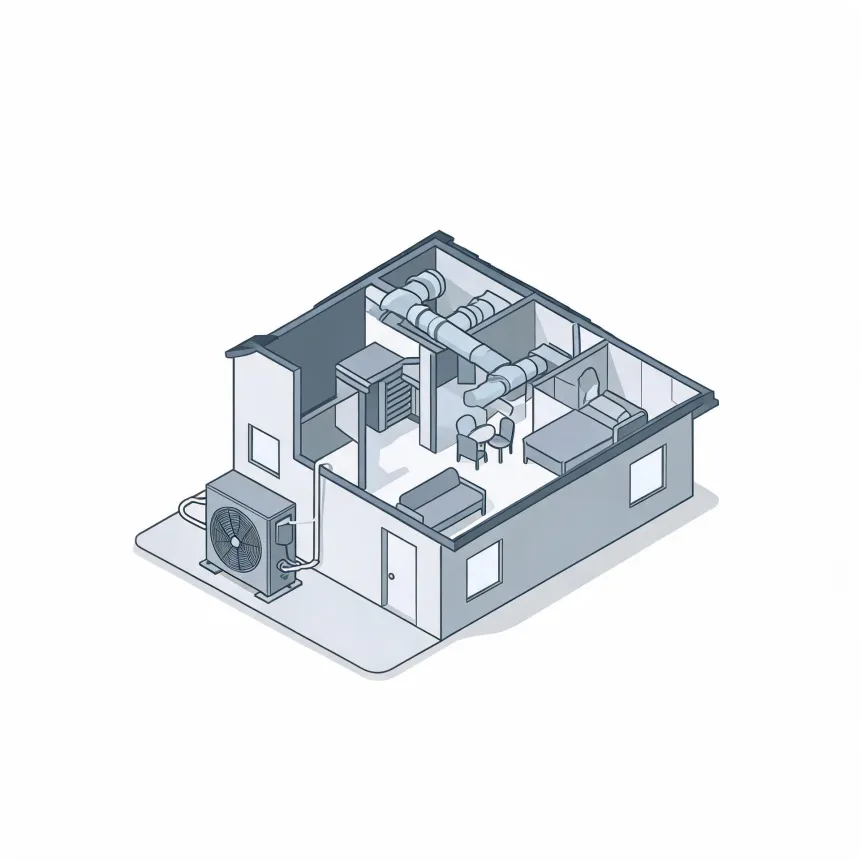
Installation day starts with the old equipment coming out, not the new one going in. The indoor coil, the outdoor unit and the line set between them all get disconnected and pulled before anything new goes in. If the ductwork needs changes, that work happens first too. The outdoor unit gets set on a pad and leveled, with clear space around it for airflow. Inside, the new coil goes in above or beside the furnace, and the line set gets run, connected and sealed before any refrigerant goes in. Once everything's in place, the system gets charged to the manufacturer's spec rather than just topped off and left. Then it gets tested, airflow, pressures, the temperature difference between the air going in and the air coming out, and the thermostat gets checked to make sure it's actually talking to the system. A system that looks installed can still run wrong for years if that last check gets skipped.