



Texas Cooling Help
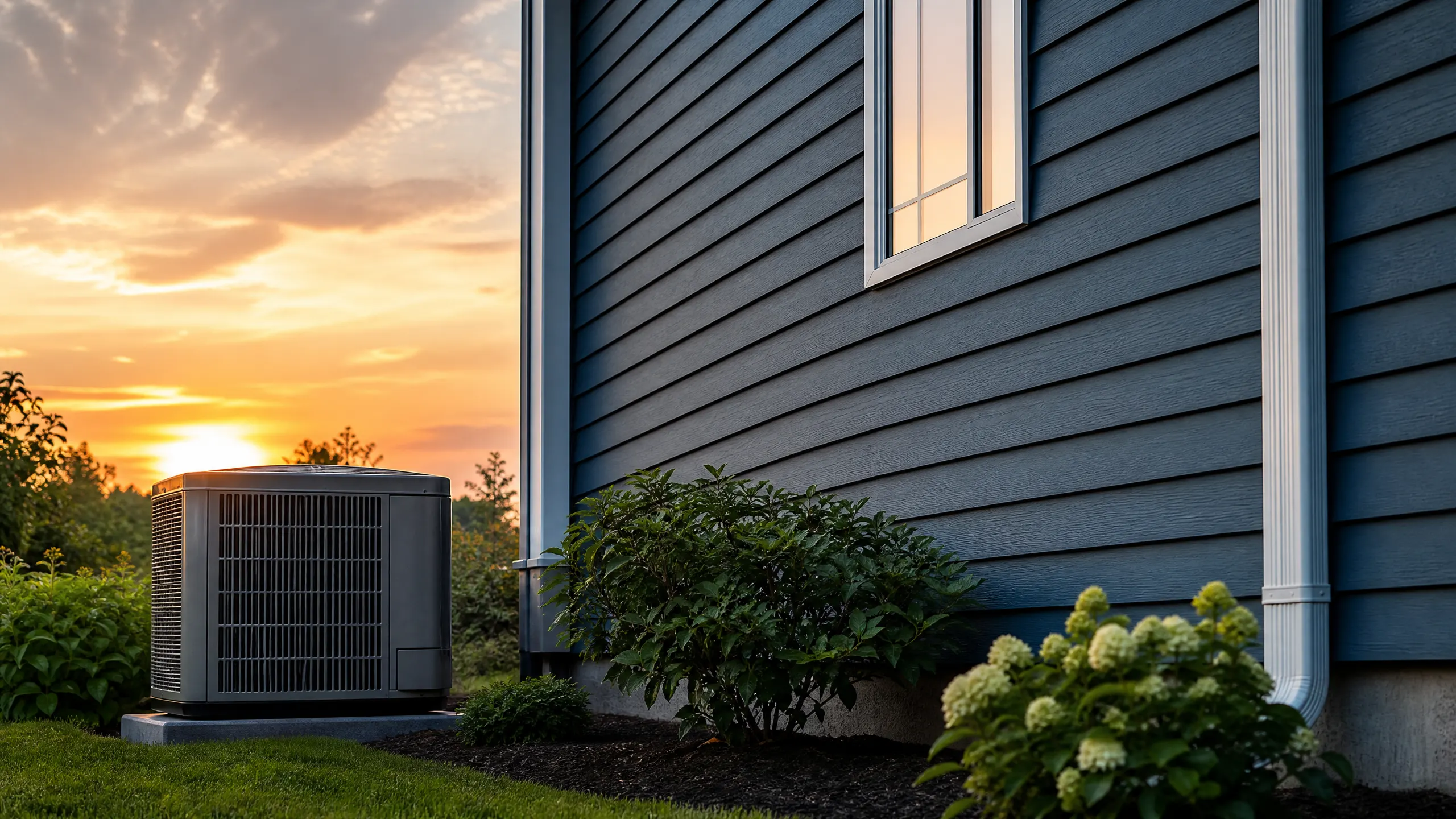
An outdoor air conditioning condenser unit positioned on a concrete pad next to a blue-sided house, surrounded by green shrubs and flowering hydrangeas at sunset.

AC Installation in College Station, TX

Tell us about the job

Takes about a minute. No obligation.

Step 1 of 3: Equipment

A unit sized wrong will leave the house uncomfortable no matter how well it's installed. Too big and it cools the air fast, shuts off, and never runs long enough to pull the humidity out, so the house feels clammy even at the right temperature. Too small and it runs constantly, straining to catch up on the hottest afternoons and never quite getting there. A contractor works out the right size with a load calculation, which looks at the square footage, the windows, the insulation, and the direction the house faces, not just a rule of thumb based on the old unit. If someone offers to size your new system by matching the tonnage on the nameplate of the one you're replacing, that's a shortcut, not a measurement.

7 months
April through October, your air conditioner is on duty
94°F
the average summer afternoon it cools against
50 hail events
in ten years, and hail bends the fins on outdoor coils
13.4 SEER2
the federal minimum any new unit must meet
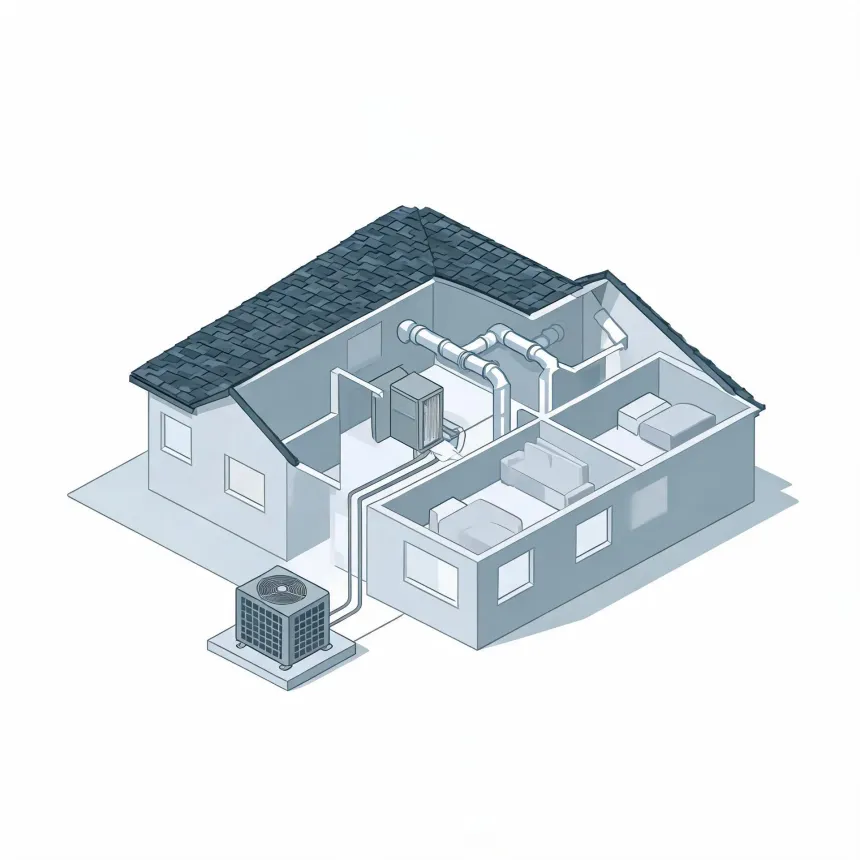
Isometric cutaway illustration of a single-story house showing interior rooms with furniture, attic ductwork connected to an indoor air handler, and an outdoor condenser unit on a pad linked by refrigerant lines.
Your air conditioner works hardest from May through September.

NOAA nClimDiv, 1991–2020 normals

The old condenser and coil don't just get left behind.

A contractor disconnects the refrigerant lines, pulls the unit, and hauls it off, so you're not stuck finding a way to get rid of it yourself.

Brazos County sees enough storms that where the condenser sits, and how you'll keep cool when the power doesn't, are part of the installation

140 severe weather events from 2015 to 2024
33% of homes statewide lost power a day or more in 2024
75 damaging wind events from 2015 to 2024
Install before AprilCooling runs April through October here, so March is the month to get it done.

Most homes in Brazos County heat with electricity, 63.5% of them, with gas a distant second at 32.8%. That matters for an AC installation because an electric furnace and an AC condenser can share the same air handler, and a lot of what gets replaced when the cooling side goes out is already set up that way. If your home is part of that majority, swapping in a new system usually means working with the ductwork and electrical already in place rather than rethinking the fuel source. Homes on gas heat still cool the same way, since the furnace and the AC are separate systems sharing only the ducts, so the fuel underneath doesn't change what the cooling side needs.

Your new system has to clear a higher bar here

Any new system here has to meet 14.3 SEER2, the minimum set for this region, higher than what's required in most of the country. That rules out the lower-efficiency units still sold elsewhere. A federal tax credit is available toward the cost of a qualifying system, on top of what you'd already be getting in a unit built to meet this standard.

Find a contractor
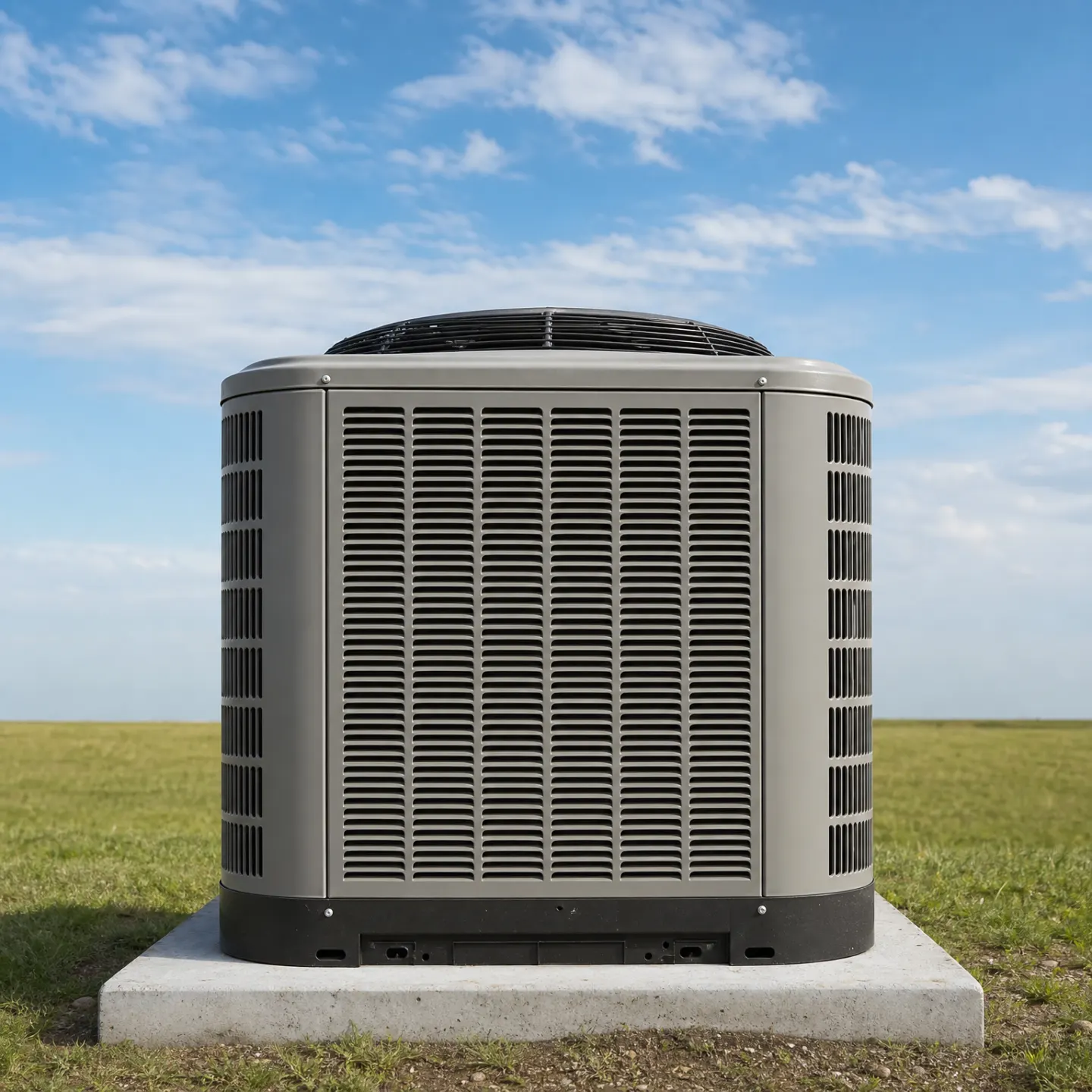
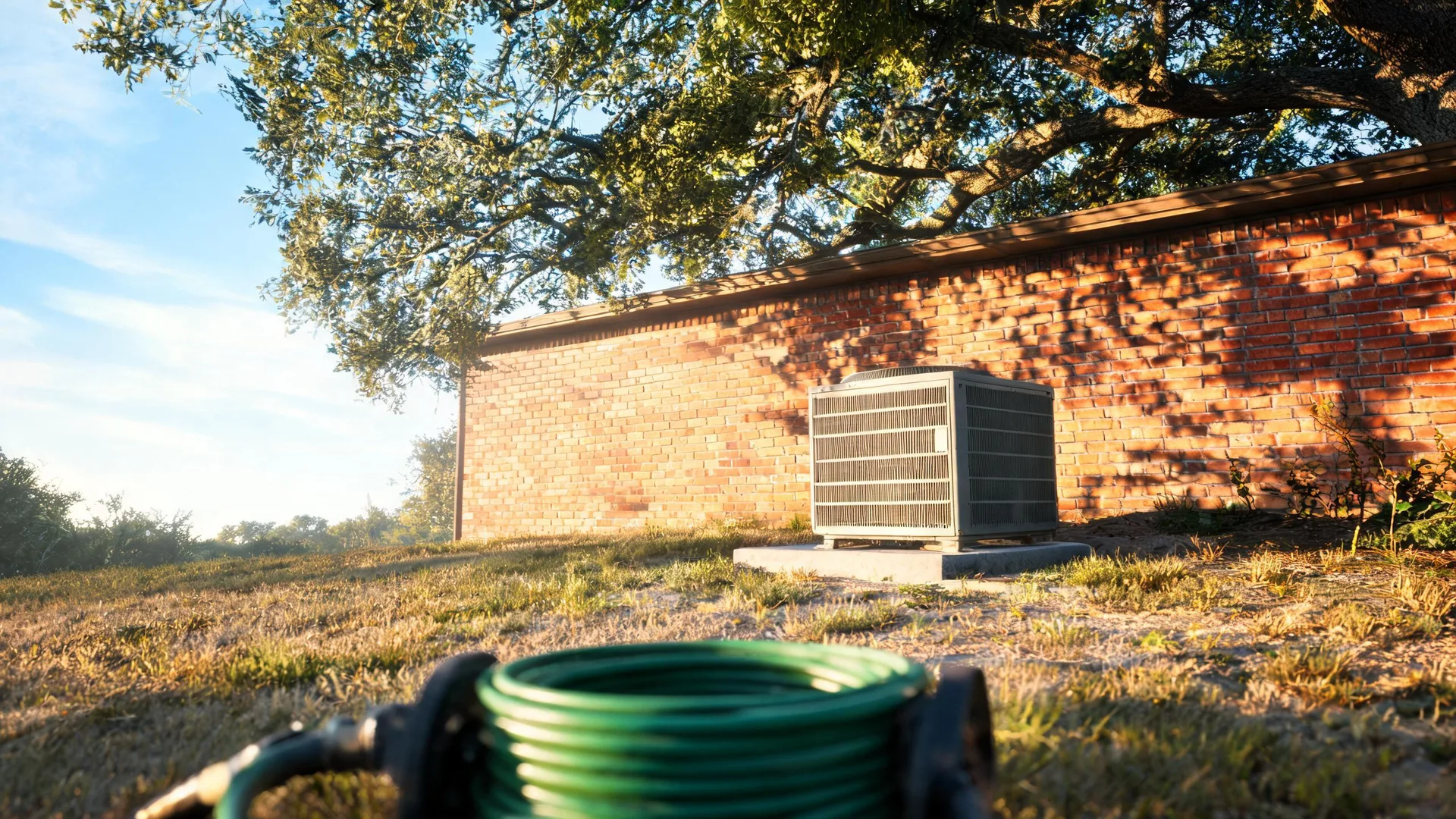
A gray metal air conditioning condenser unit mounted on a concrete pad in a flat grassy field under a partly cloudy sky.

Seven months of this, every year

Cooling runs April through October here, seven months of the year. And through June, July and August, the afternoon high averages 94. That's what this system runs against, all season, every year it's in the ground. Size it right and it'll hold up under that load. Size it wrong and the strain shows up early, in the one part that was already working harder than it should.

The equipment is one line item among several

The condenser and coil are only part of what you're paying for. Line sets, a new disconnect, a pad for the condenser to sit on, refrigerant, and the electrical whip that feeds the unit all factor in. A straightforward swap where the old equipment matches the new in size and location costs less to install than one where any of that has to be reworked.
What's hidden in the walls can change the job

Ductwork sized for the old system doesn't always suit the new one, especially if the new unit moves more air or less. A contractor checks the supply and return runs before installing, not after, because undersized or leaky ducts will choke a new system's performance no matter how good the equipment is. Finding that problem during installation costs less than finding it the summer after.

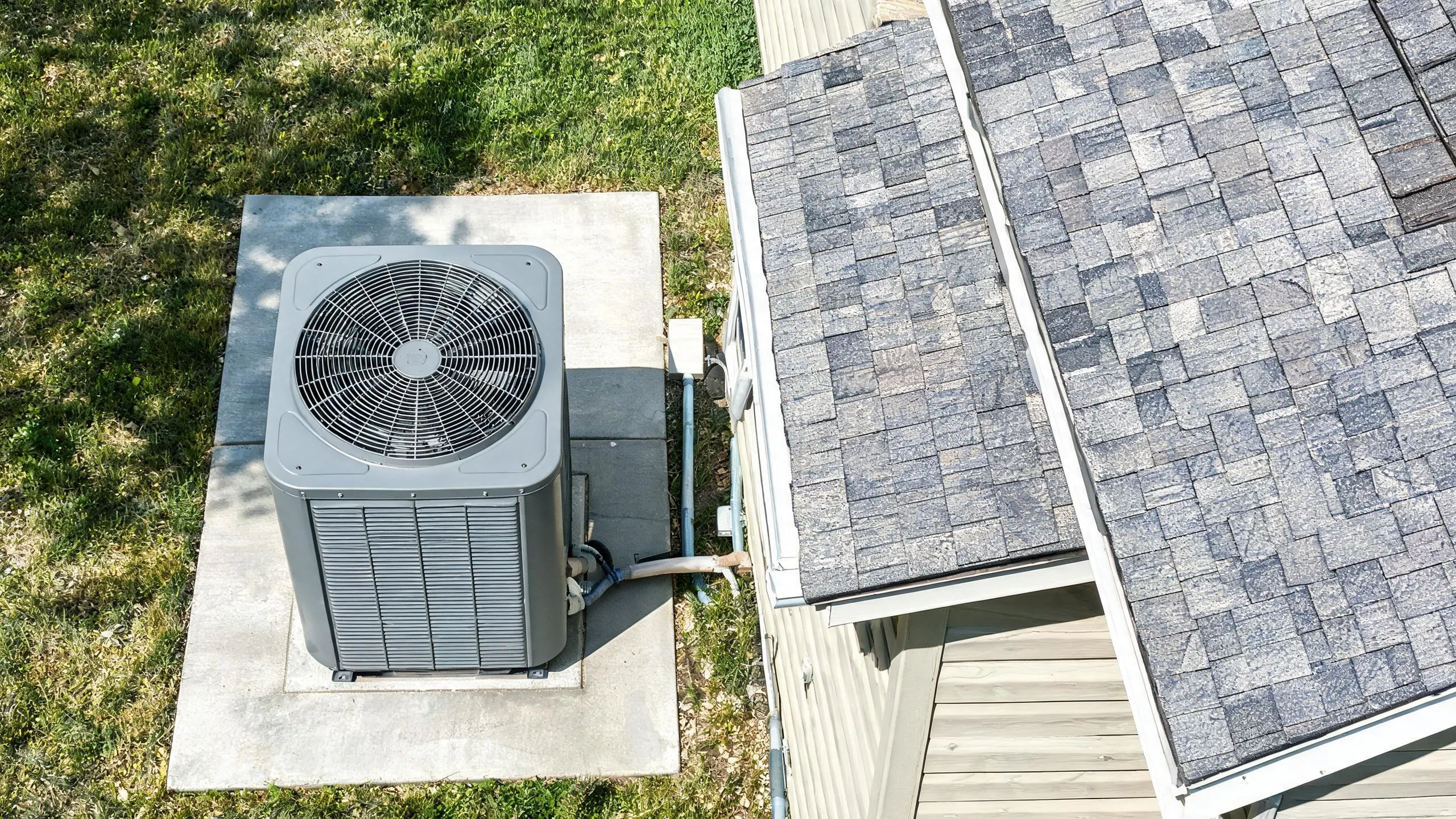
Overhead view of a gray residential air conditioning condenser unit mounted on a concrete pad beside a house with asphalt shingle roofing.

A higher-efficiency unit would save about $30 a year to run in Brazos County compared with a new unit at the federal minimum.

  • A higher-efficiency unit$490 a year
  • A new unit at the federal minimum, 14.3 SEER2$520 a year

Estimates for a typical Brazos County home, from EIA household energy data, Texas fuel prices and NOAA climate normals. Your home will differ.

The SEER2 number on the label tells you how much cooling the system delivers for the power it draws, averaged over a whole season of running, not just at one setting. A higher number means the compressor and fan are doing more with less electricity, often through a variable-speed motor that can run low and steady instead of slamming on and off. It's not a measure of how strong the system is or how large a house it can cool. Systems with the same rating can still behave differently once installed, because the rating comes from a lab test, not your ductwork. What it does tell you, reliably, is that a unit meeting the regional minimum will cost less to run than one built to an older, lower standard. Beyond that, correct sizing and a careful installation decide more about comfort than the number on the sticker does.