



Texas Cooling Help
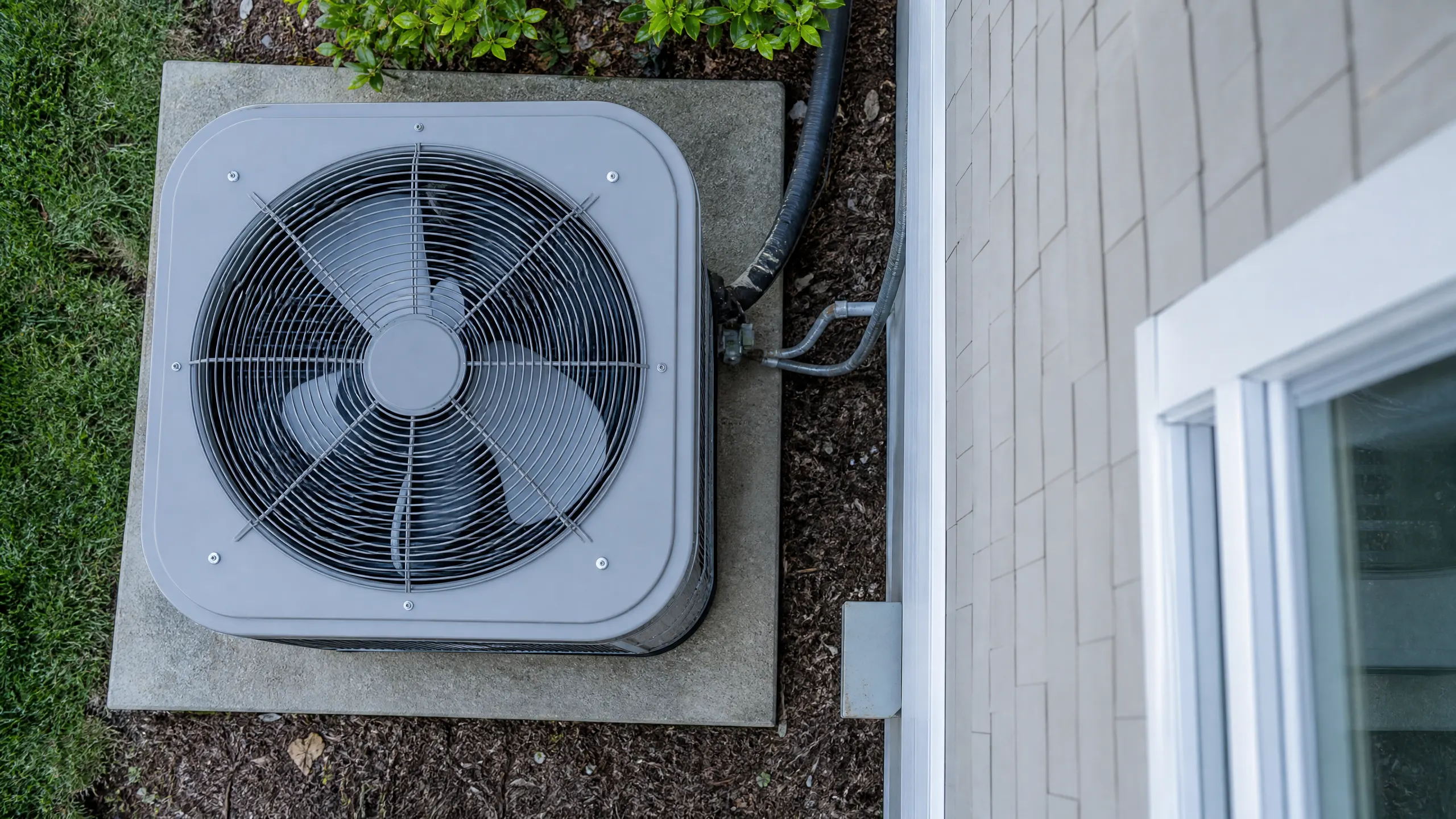
Aerial view of a residential air conditioning condenser unit mounted on a concrete pad next to a house with vinyl siding and a sliding glass door.

AC Installation in League City, TX

Tell us about the job

Takes about a minute. No obligation.

Step 1 of 3: Equipment

Texas homes paid 14.94 cents per kilowatthour in 2024. A new AC runs on that rate every time it cycles on, all summer and into fall here. The SEER2 rating on the unit you choose decides how much of that rate turns into cooled air and how much just runs the compressor harder. Two systems can cool the same house and still pull a different amount of power to do it. That gap is worth asking about before you pick a system, not after it's installed.

7 months
April through October, your air conditioner is on duty
90°F
the average summer afternoon it cools against
19 hail events
in ten years, and hail bends the fins on outdoor coils
13.4 SEER2
the federal minimum any new unit must meet
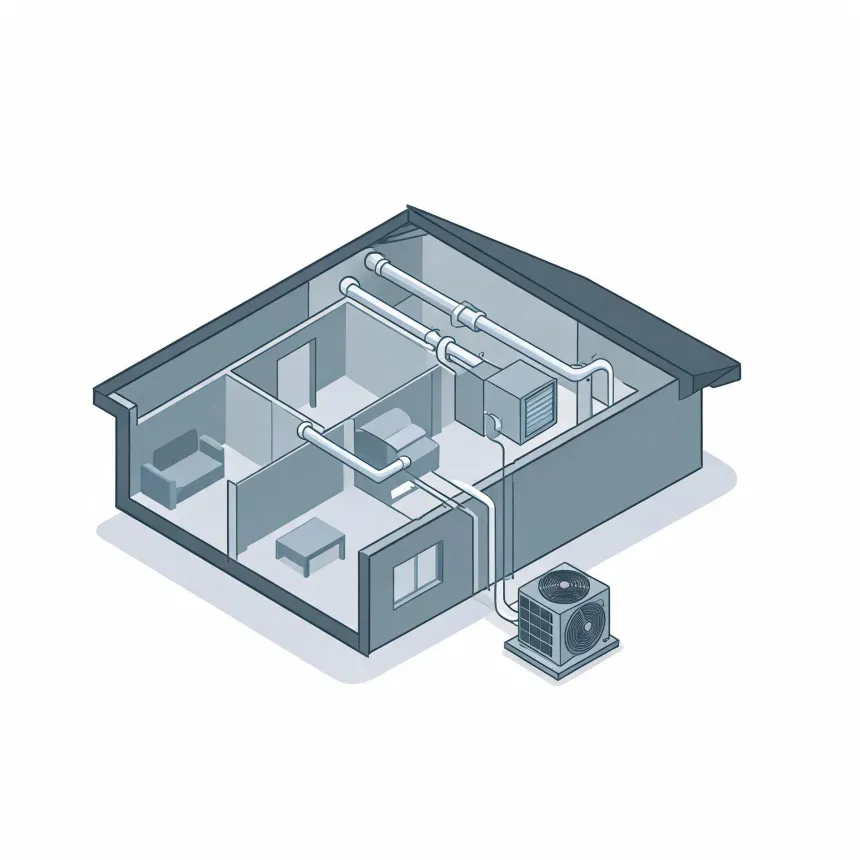
Isometric cutaway illustration of a house interior showing ducted air handling equipment, ceiling ducts, furniture in two rooms, and an outdoor condenser unit connected by lines outside the wall.
Your air conditioner works hardest from May through September.

NOAA nClimDiv, 1991–2020 normals

Cooling in League City starts in April and runs seven months, into October.

Get the new system in during March and it's running on day one instead of the first hot week.

Just over half the homes in Galveston County run on electric heat, and that's what AC installation here usually matches

51.6% of homes heat with electricity
Cooling runs April through October
Summer afternoons average 90°F

Galveston County has seen 94 severe weather events over the past decade, and 48 of those were damaging wind. An outdoor condenser sits outside through all of it, exposed to wind-blown debris and whatever hail comes through. Where it goes and what shields it are worth deciding at install, not after. Cooling here runs on electricity, so when the power goes out, so does the AC. Ask what backup options exist for keeping the system running when the grid doesn't.

The system has to clear 14.3 SEER2 here before it can go in

League City sits in climate zone 2A, and any new split system installed here has to meet 14.3 SEER2, higher than the national minimum of 13.4. That floor is already set before you compare anything else. A system that clears it may still qualify for the federal efficiency tax credit, worth checking against what you're quoted.

Find a contractor
A man in a cap, dark shirt and tan work pants walks up concrete steps toward a red front door, carrying a canvas tool bag with tools in its side pocket.
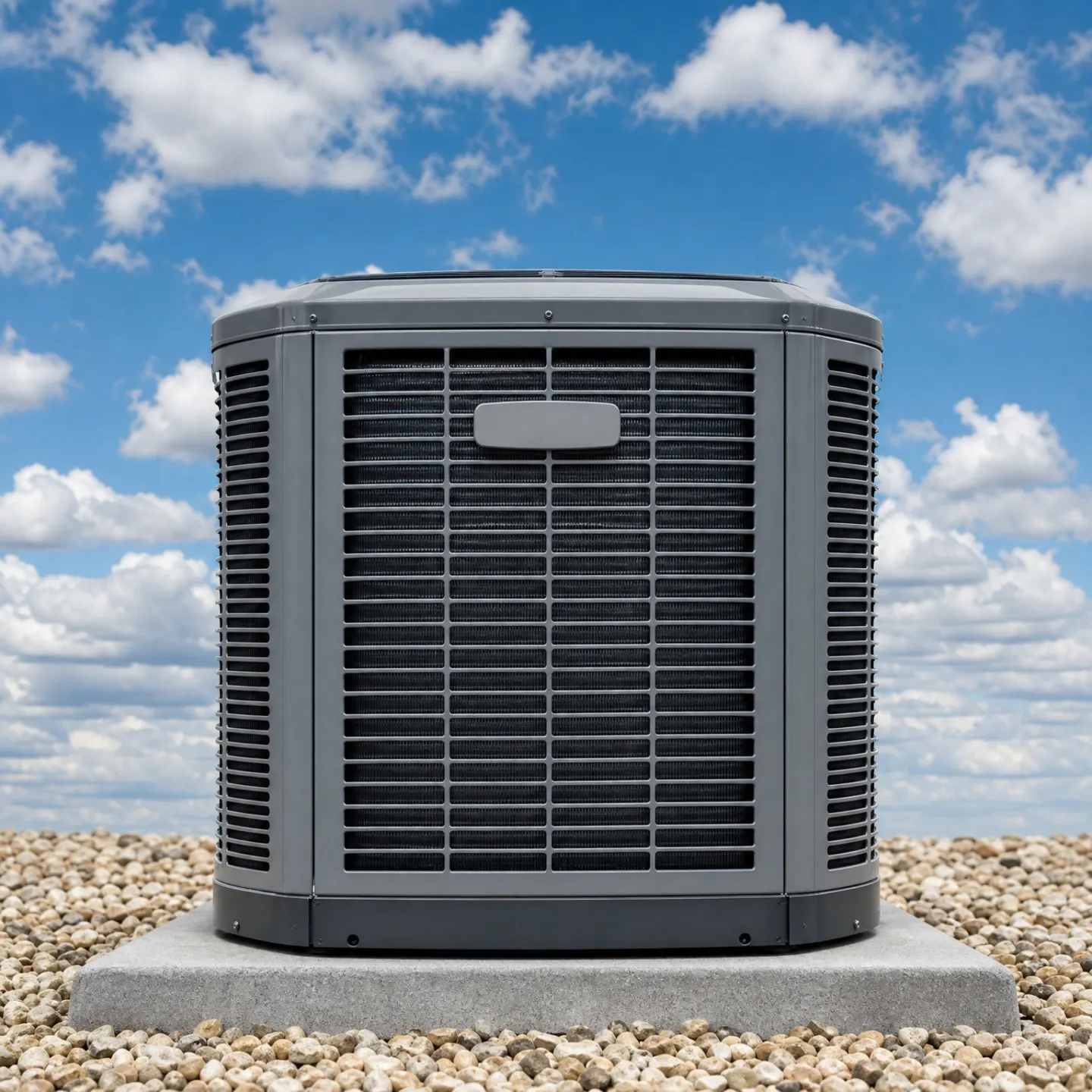
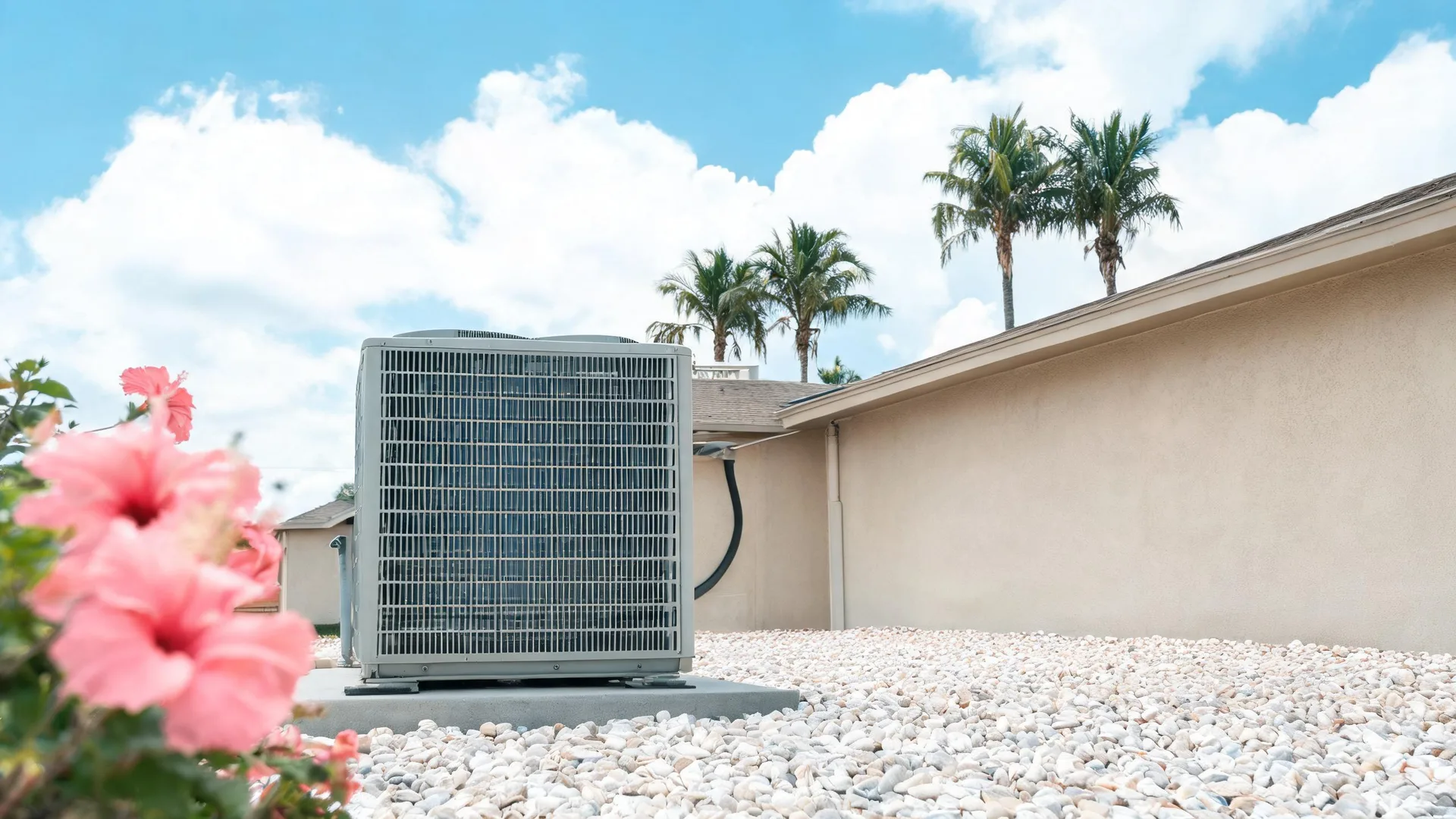
An outdoor air conditioning condenser unit mounted on a concrete pad surrounded by gravel, photographed against a partly cloudy blue sky.

Seven months of cooling, every year

Seven months of cooling here, April through October, with afternoon highs averaging 90°F through June, July and August. That's a long stretch for a compressor to cycle on and off without a break. A system sized right for the house handles that load the same way in August as it did in April. One sized wrong strains through all seven months, and whatever is going to wear out early gets there sooner under a run like this.

The size has to match the house

A contractor works out the load from square footage, windows, insulation and layout before quoting a system. Bigger isn't safer here. An oversized unit cools the air fast and shuts off before it pulls the moisture out, so the house feels clammy even at the right temperature. One sized to the actual load runs longer, steadier cycles and does both jobs at once.
The ductwork decides more than the unit does

A new condenser and air handler can be sized right and still underperform if the ducts feeding them are leaking, crushed, or too narrow for the airflow the new system needs. Installers often have to seal, resize or replace sections of duct to match the new equipment, and that work is part of what makes one installation cost more than another with the same size unit.

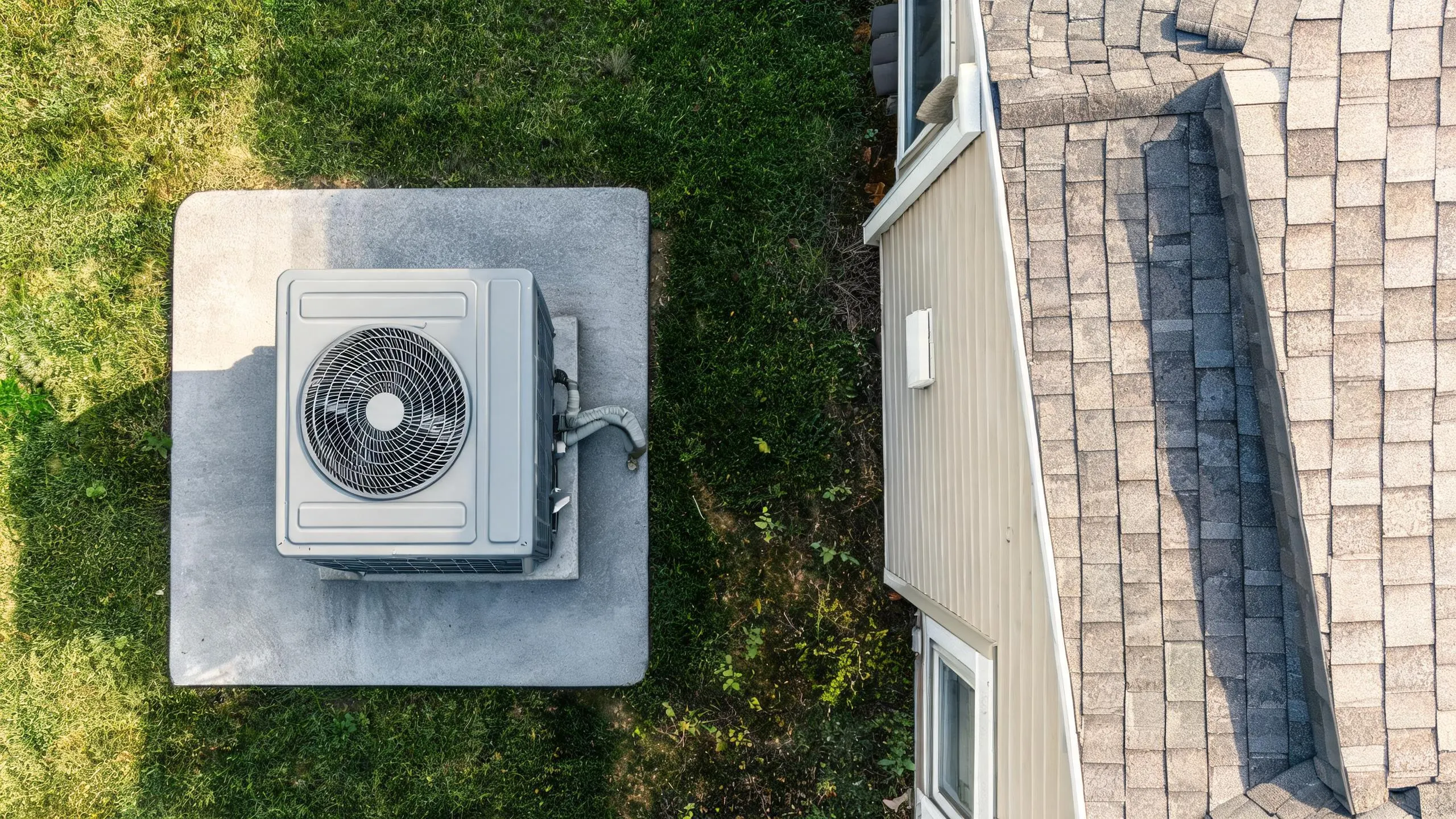
Overhead view of an air conditioning condenser unit on a concrete pad next to a house with asphalt shingle roofing and vinyl siding.

A higher-efficiency unit would save about $30 a year to run in Galveston County compared with a new unit at the federal minimum.

  • A higher-efficiency unit$540 a year
  • A new unit at the federal minimum, 14.3 SEER2$570 a year

Estimates for a typical Galveston County home, from EIA household energy data, Texas fuel prices and NOAA climate normals. Your home will differ.

Installation day starts with the old system coming out, not the new one going in. The condenser gets disconnected, the refrigerant lines drained and capped, and the old air handler or coil pulled before anything new sets down. Once the new condenser is set on its pad and leveled, the line set gets run or reused, and the system is evacuated to pull out moisture and air before any refrigerant goes in. That step matters more than it looks. Any moisture left in the lines turns to acid once the system runs and wears at the compressor from the inside. After charging, a tech checks the refrigerant level against the manufacturer's spec, confirms airflow at the registers, and checks that the thermostat is actually talking to the new equipment before calling it done.