Electricity here runs 14.94 cents per kilowatthour
Texas homes paid that rate on average in 2024. An AC that runs most days of the year in Laredo adds that rate up fast.
Takes about a minute. No obligation.
Texas homes paid that rate on average in 2024. An AC that runs most days of the year in Laredo adds that rate up fast.
A new system that uses less power to do the same cooling costs less to run every month it's working. That difference matters more here than in a place where the rate per kilowatthour is lower.
NOAA nClimDiv, 1991–2020 normals
The old condenser and coil get disconnected and hauled off once the new system is in.
Whatever refrigerant is left in the old coil gets recovered first, not vented, so the job includes more than dropping in new equipment.



Electricity heats 85 percent of homes in Webb County, and almost none run on bottled or LP gas. That number matters for an AC installation because the same wiring and breaker panel that run your heat likely already support a heat pump if you want one instead of a straight AC and furnace setup. A contractor sizing the new system will look at what's already feeding the house before recommending equipment. Matching what's already there keeps the installation simpler and avoids work on gas lines that most homes in this county don't have anyway.
Webb County logged 84 severe weather events between 2015 and 2024, most of them hail and damaging wind. Statewide, a third of Texas households lost power for a day or more in 2024. Where the new outdoor unit sits and how it's protected is worth deciding now, along with how you'll keep cooling and hot water running if the power goes out.
Find a contractor
Eight months of cooling a year is the norm here, March through October. Add afternoon highs averaging 98 in June, July and August, and the new system spends most of its life running at or near full load, not cycling on and off like it would somewhere milder. That load adds up on the parts that do the work, the compressor and the fan motor especially. A system sized too small for the house will run even harder trying to keep up on the worst afternoons, and one sized too large will short cycle and wear differently. Either way shows up sooner here than it would in a place where the unit gets to rest most of the year.
A contractor measures the house, the windows, the insulation and the layout before quoting equipment, because the size of the condenser and the coil has to match the actual cooling load. Guessing the size off the square footage alone skips that step. Too small and the system runs constantly without catching up. Too large and it cools the air fast without pulling the humidity down, then shuts off before the room feels right.
New equipment connected to old ducts that are too small, leaky, or routed poorly will never perform the way the rating on the box suggests. Sealing joints, replacing a crushed run, or adding a return can matter more to how the house actually feels than which condenser gets installed. A contractor who walks the attic or crawlspace before quoting is pricing the job that's actually needed, not just the equipment sitting in the truck.
Estimates for a typical Webb County home, from EIA household energy data, Texas fuel prices and NOAA climate normals. Your home will differ.
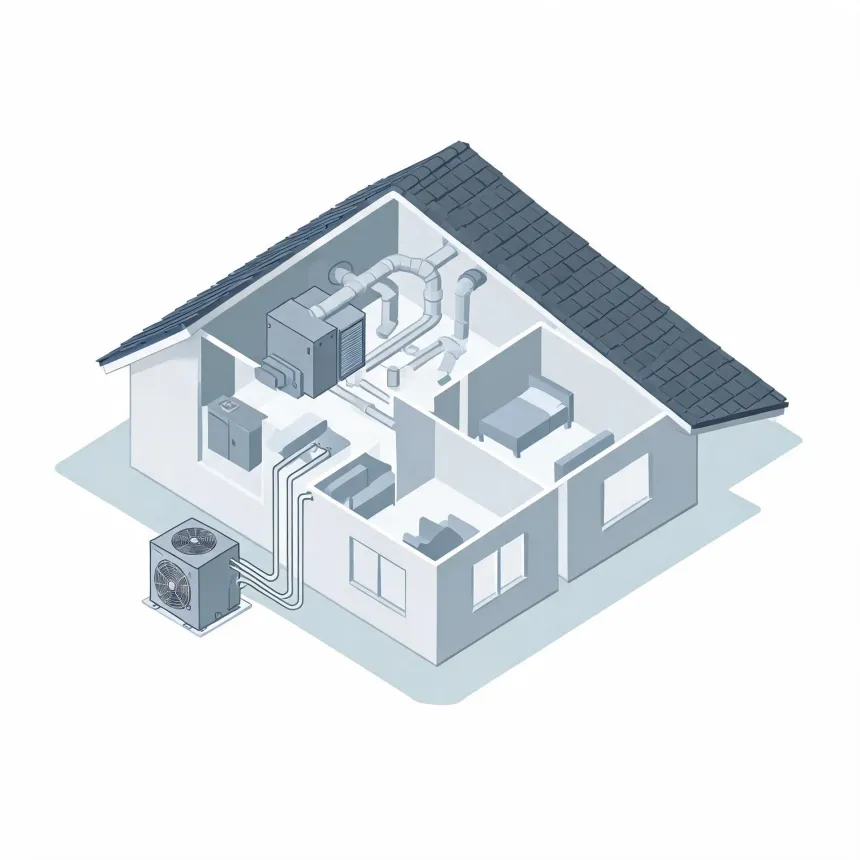
The old condenser, coil, and line set come out before anything new goes in. The new line set gets run, the condenser sits on its pad, and the coil goes in at the air handler or furnace before anyone touches refrigerant. Once the lines are connected, the system gets pressure tested and checked for leaks before any charge goes in, because a leak caught after the charge means draining it back out to fix the joint. The charge itself gets weighed in to the manufacturer's spec, not judged by feel, and airflow across the coil gets checked once the system is running. Before the crew leaves, expect them to run the thermostat through a cooling cycle and walk through what was done. A system installed right holds a steady temperature and doesn't need a second visit to get there.