


Texas Cooling Help
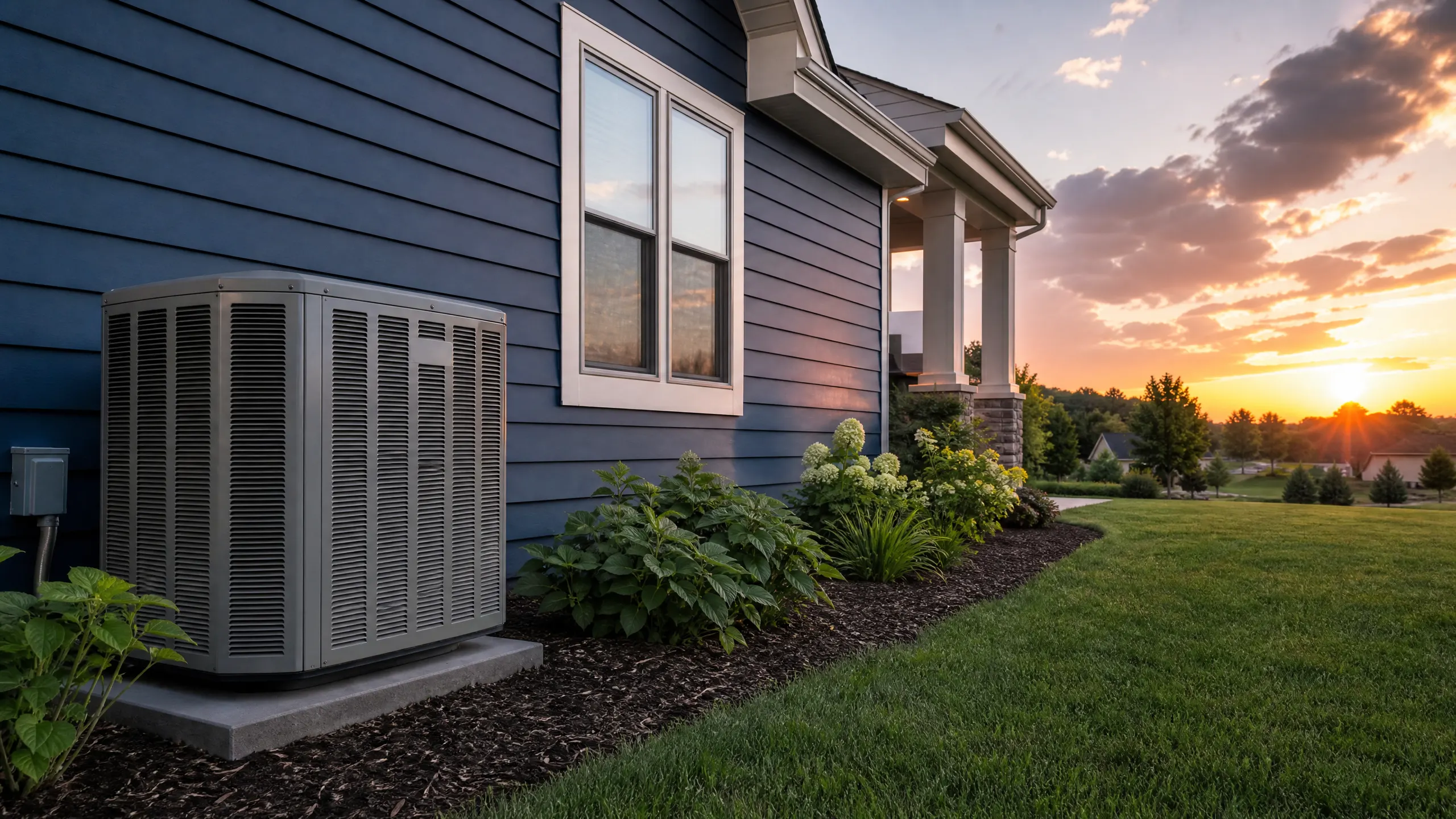
An outdoor central air conditioning unit mounted on a concrete pad beside a blue-sided house at sunset.

AC Installation in Lubbock, TX

Tell us about the job

Takes about a minute. No obligation.

Step 1 of 3: Equipment

Lubbock County recorded 93 hail events between 2015 and 2024. An outdoor condenser sits outside year round, so hail is something to plan for, not just weather to wait out. Ask the installer about a hail guard and where on the property the unit will take the least hit from wind and blowing debris. Storms here also knock out power, and a new AC does nothing until the power is back. A third of Texas households went at least a full day without power in 2024. Worth asking what the installer recommends for that, whether it's a generator hookup or just knowing where the breaker is.

5 months
May through September, your air conditioner is on duty
92°F
the average summer afternoon it cools against
93 hail events
in ten years, and hail bends the fins on outdoor coils
13.4 SEER2
the federal minimum any new unit must meet
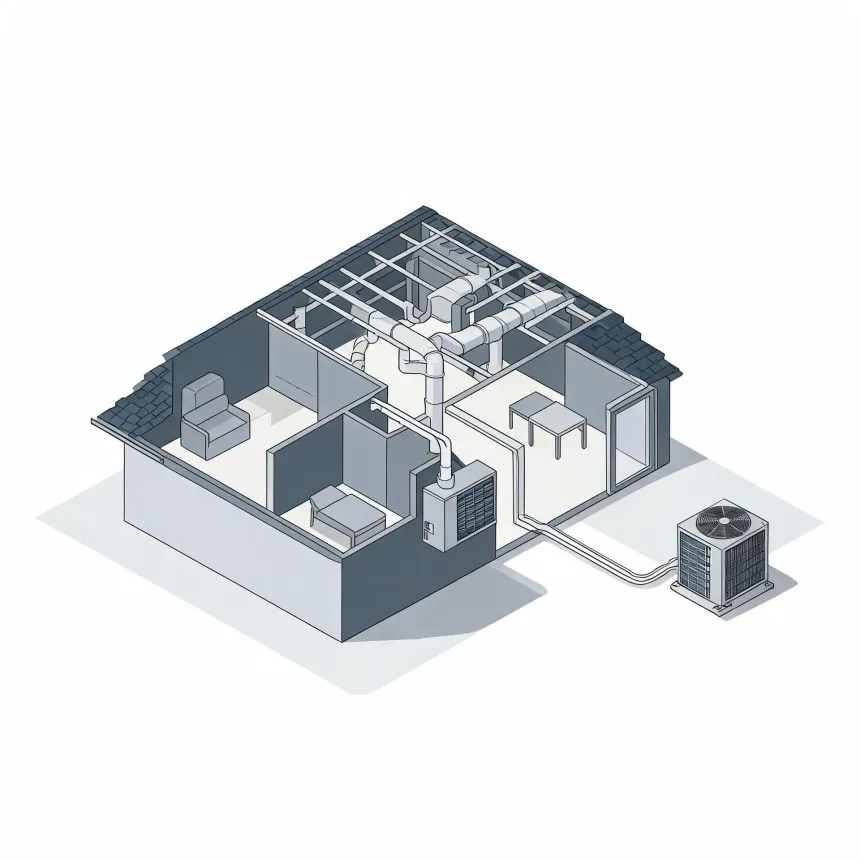
Isometric cutaway illustration of a house showing attic ductwork, an indoor air handler, and an outdoor condenser unit connected by lines.
Your air conditioner works hardest from June through August.

NOAA nClimDiv, 1991–2020 normals

Cooling runs May through September in Lubbock County.

Get the new system in during April and it's already running before the first hot day.

At 14.94 cents a kilowatt-hour, every point of efficiency shows up on the bill

Power costs 14.94 cents a kWh statewide
Cooling runs May through September
Summer afternoons average 92°F

More than half the homes in Lubbock County heat with electricity, at 53.4 percent, and most of the rest heat with utility gas. If your AC installation is replacing a split system, whatever furnace or air handler you already have is probably one of these two, and that's worth telling the installer up front, since the new condenser and coil need to match what's moving the air on the other end. A gas furnace paired with a new AC is a straightforward swap on the cooling side alone. An all-electric home has more to think through, since the air handler and the outdoor unit are both part of the same decision. Either way, say which one you have before the quote, not after.

Size it for five months of Lubbock summer

Five months of summer here, with afternoons averaging 92°F, means your new system runs harder and longer than one installed almost anywhere else. That's five months of real load on the compressor every year it's in service. Get the sizing right for this house before you decide anything else.

Find a contractor
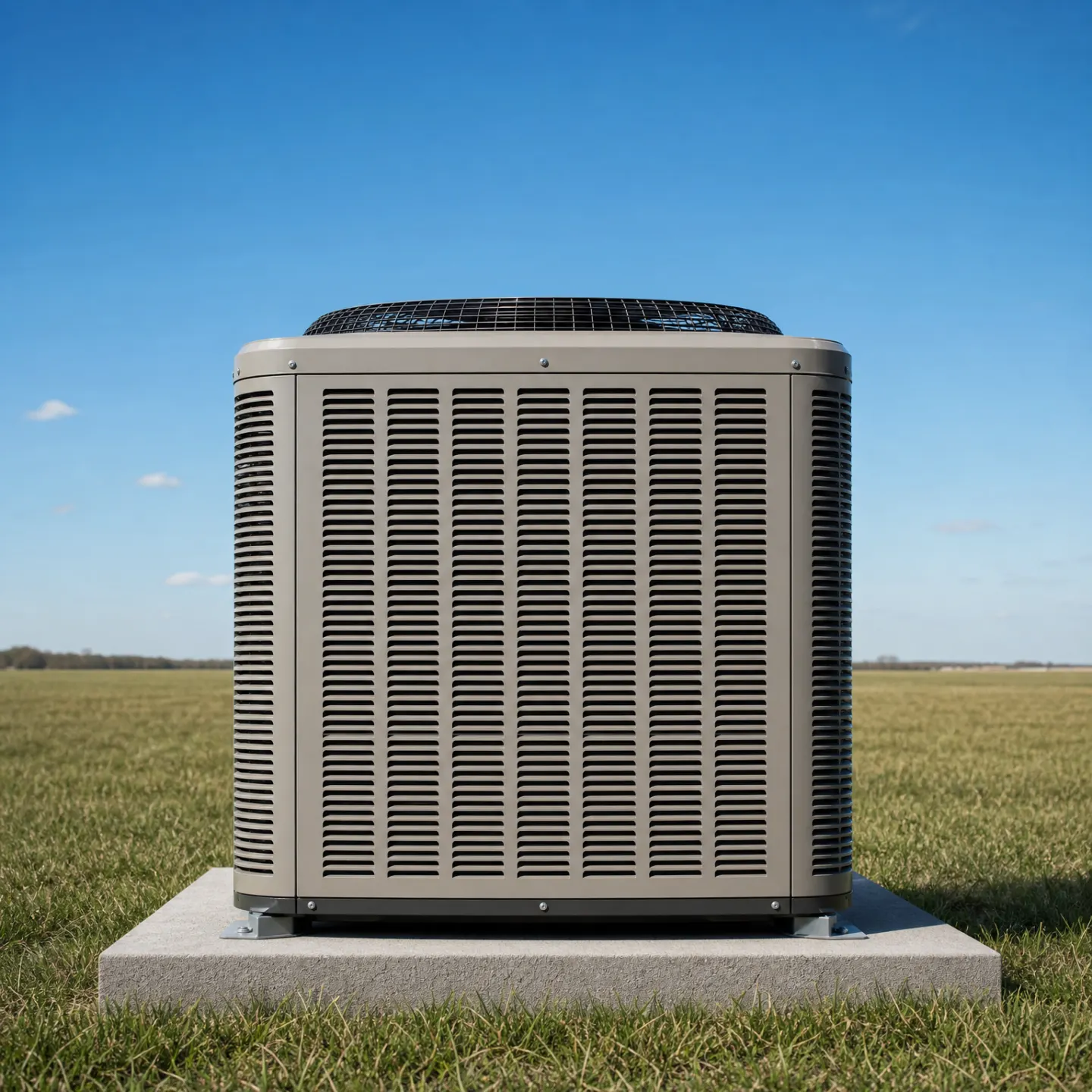
A gray residential air conditioner condenser unit mounted on a concrete pad in an open grass field.

What you're actually paying for

What drives the price of an install is mostly what has to change for the new equipment to fit. A straight swap, same type of system, same spot, same ductwork, is the simple case. Once the line set has to be rerouted, the ductwork needs modifying, or the electrical panel can't handle the new unit's load, the job picks up labor and material the swap doesn't need. The equipment itself varies by size and efficiency tier, and higher efficiency usually means a bigger coil and sometimes a variable-speed blower, which costs more up front. Ductwork condition matters too. An installer who finds undersized or leaky ducts during the walkthrough will often recommend fixing them at the same time, since a new system pushing air through old, leaky ducts won't deliver what it's rated for. None of this shows up in a phone quote. It shows up when someone's actually in the attic or crawlspace looking at what's there.

The rating is a seasonal average

SEER2 measures how much cooling a system delivers per unit of electricity across a full season of changing weather, not on any single afternoon. A higher SEER2 number means the system moves the same heat out of the house using less electricity. It describes efficiency, not cooling power. Systems built to cool the same size house can still carry very different SEER2 numbers, and that difference shows up on the power bill, not in how cold the house gets.
The number only holds if the rest of the job is right

A high-efficiency condenser paired with the wrong coil, or pushing air through ducts that leak, will not actually run at its rated efficiency. That rating assumes the refrigerant charge is correct, the coil is the one the manufacturer tested it with, and the airflow isn't choked off somewhere along the duct run. Ask the installer how they check charge and airflow once the system is in, since that is what decides whether the house gets the efficiency on the label or something less.

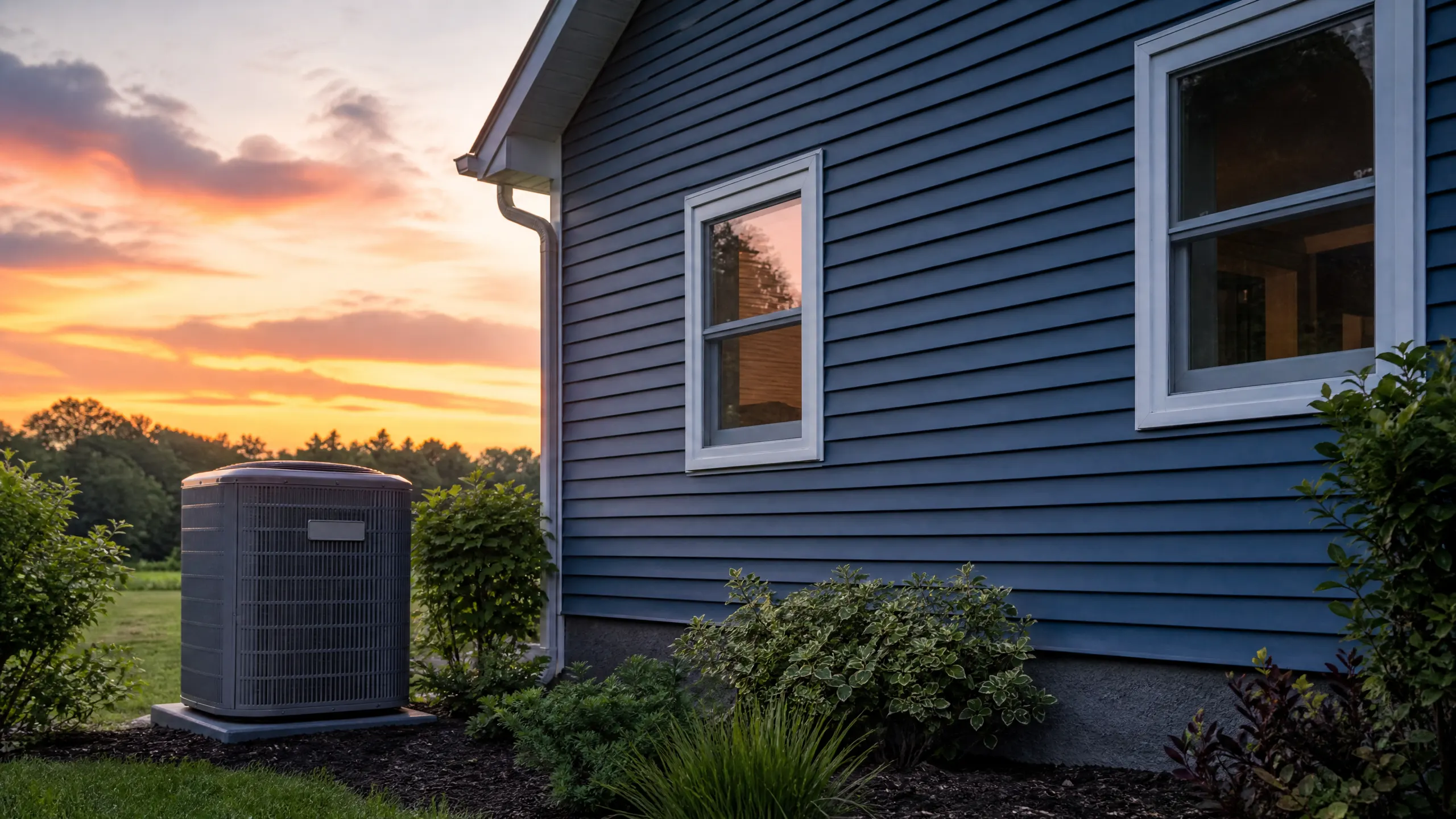
An outdoor air conditioning condenser unit installed beside the exterior wall of a blue vinyl-sided house at sunset.

Going above the federal minimum saves little here, about $20 a year.

  • A higher-efficiency unit$300 a year
  • A new unit at the federal minimum, 14.3 SEER2$320 a year

Estimates for a typical Lubbock County home, from EIA household energy data, Texas fuel prices and NOAA climate normals. Your home will differ.

Install day starts with the old equipment coming out, not the new one going in. The line set gets disconnected, refrigerant recovered, the old condenser and coil pulled before anything new sets down. If it's a straight swap, the outdoor unit goes in on the same pad, the indoor coil matches up to the existing air handler or furnace, and the line set gets connected, pressure tested, then pulled into a vacuum to clear out moisture and air before any refrigerant goes in. That vacuum test matters more than it looks like it does, since any moisture left in the lines turns to acid once the system runs. Electrical gets tied in last, breaker and disconnect checked against what the new unit actually draws. Once it's charged and running, a tech should be checking the temperature split between the air going in and the air coming out, not just listening for the compressor to kick on. A system can run and still not be charged right.