Texas power costs more
Electricity in Texas ran 14.94 cents per kilowatthour in 2024. A new AC system in Conroe runs on that rate every summer, for years.
Takes about a minute. No obligation.
Electricity in Texas ran 14.94 cents per kilowatthour in 2024. A new AC system in Conroe runs on that rate every summer, for years.
You can't change what the power company charges. You can choose a system that uses less of it to cool the same house. That choice is the installation.
NOAA nClimDiv, 1991–2020 normals
Montgomery County logged 119 severe weather events between 2015 and 2024, most of it damaging wind.
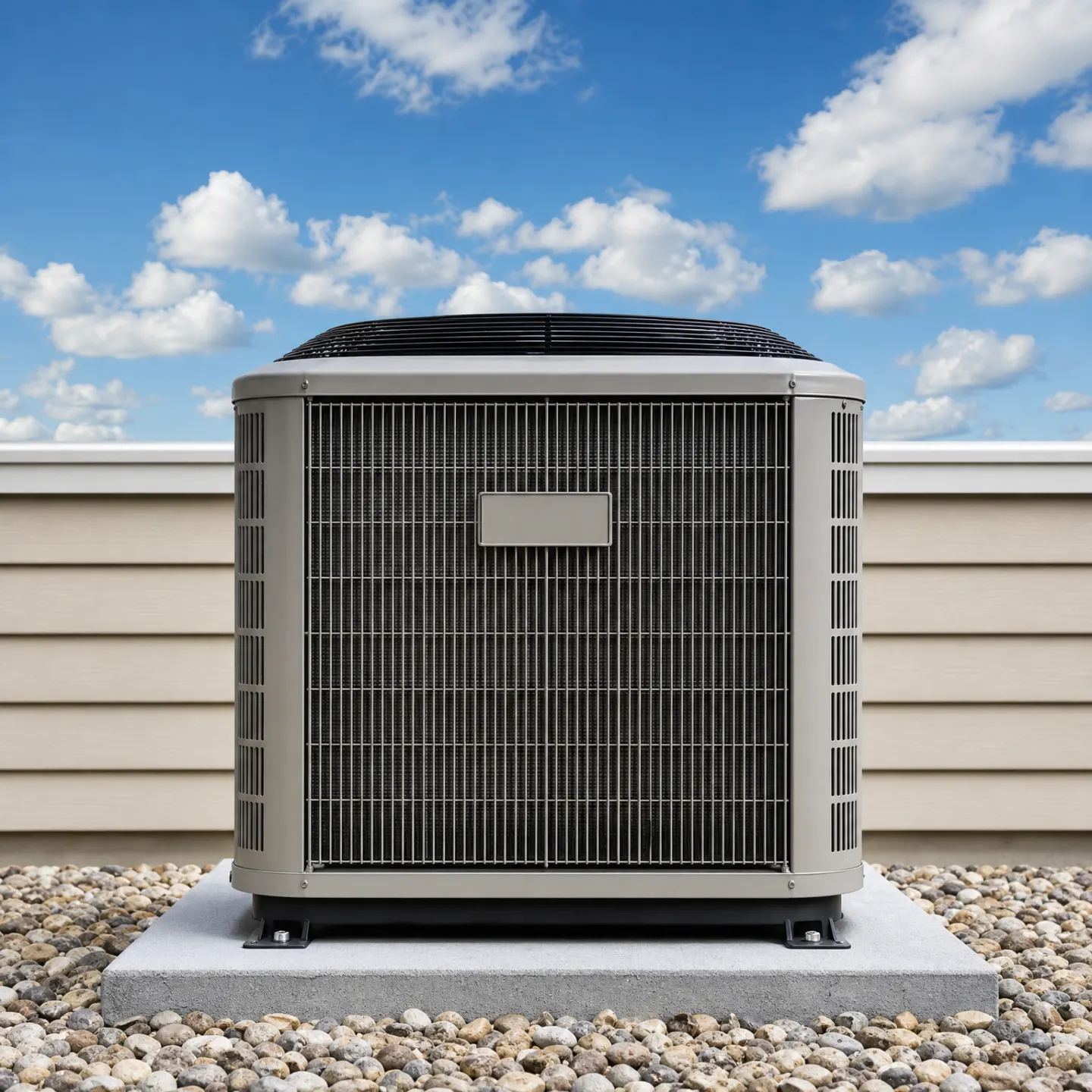
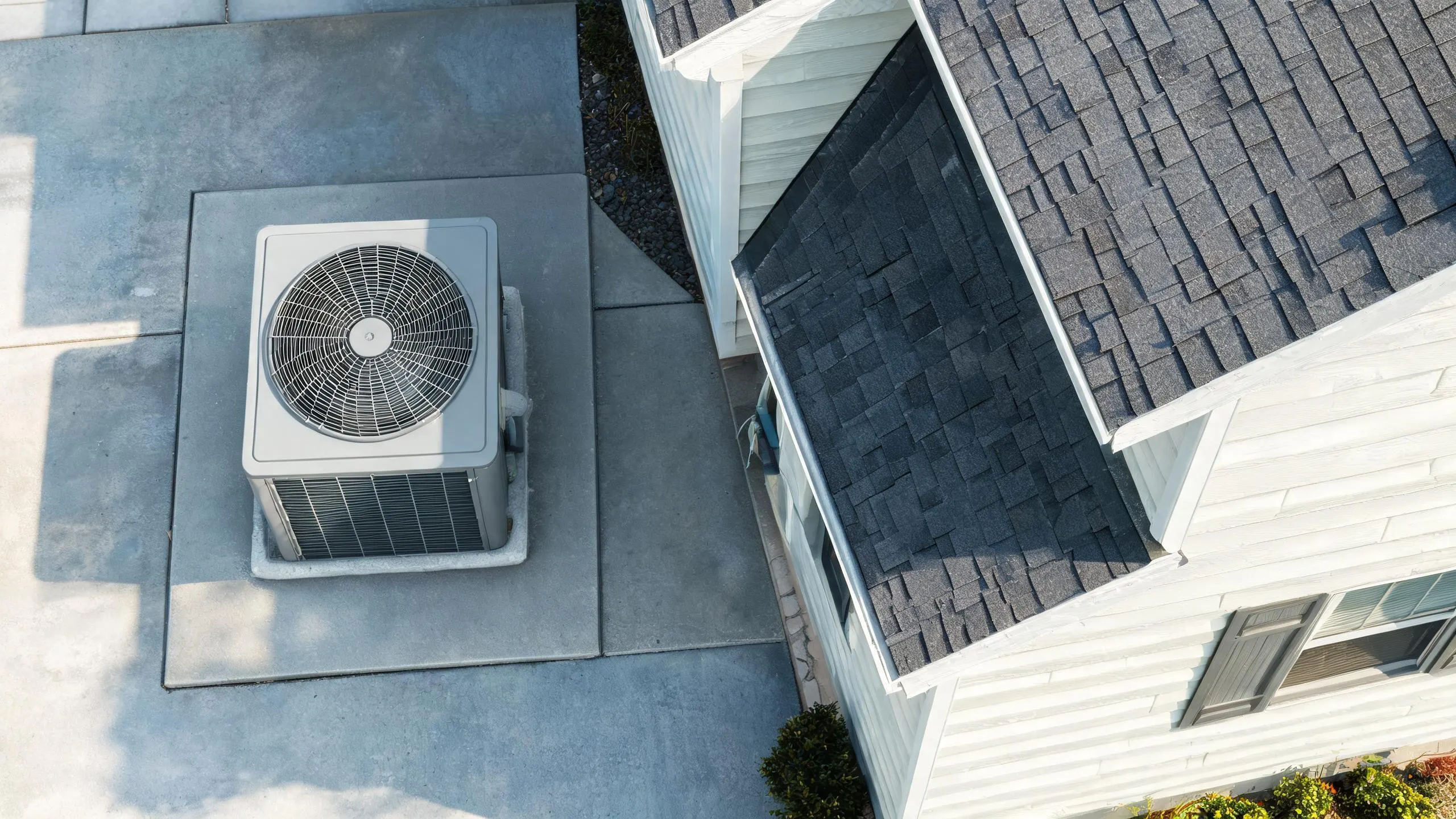
An outdoor AC unit needs a spot with some cover from flying debris, not just clearance for airflow.




Cooling starts in April here and runs through October. March is the month to get a new system in. Wait until the first hot week and you're choosing from whatever's in stock, on whatever day a crew is free. Plan it for March and you pick the system sized right for your house, and it's running and tested before it has seven months of work ahead of it.
Montgomery County falls under zone 2A, a hot, humid climate where cooling carries most of the year's load. Any new split system installed here has to meet at least 14.3 SEER2, a higher bar than the national minimum of 13.4 because this region demands more from the equipment. A federal tax credit is available for qualifying high-efficiency systems. Installing to meet just the minimum misses what that credit can offset.
Find a contractor
This system runs April through October here, with afternoons near 93 degrees most of the summer. That's a long, steady load, and sizing has to match the house for it. Too big, and the unit short cycles, shutting off before it pulls the humidity down. Too small, and it runs flat out all afternoon without catching up. Either way the parts work harder than they should, every one of those seven months.
SEER2 is a seasonal average, built from how the system performs across a wide range of outdoor temperatures, not just the worst afternoons. A higher number means the compressor does the same cooling with less electricity across that whole range, including the milder days on either end of summer.
A SEER2 rating is tested in a lab with the refrigerant charge correct and airflow where it should be. A system installed with the wrong charge, a return too small for it, or ductwork that restricts airflow will run below its rating no matter what the label says. The equipment earns the number. The crew that installs it is what lets the system keep it.
Estimates for a typical Montgomery County home, from EIA household energy data, Texas fuel prices and NOAA climate normals. Your home will differ.
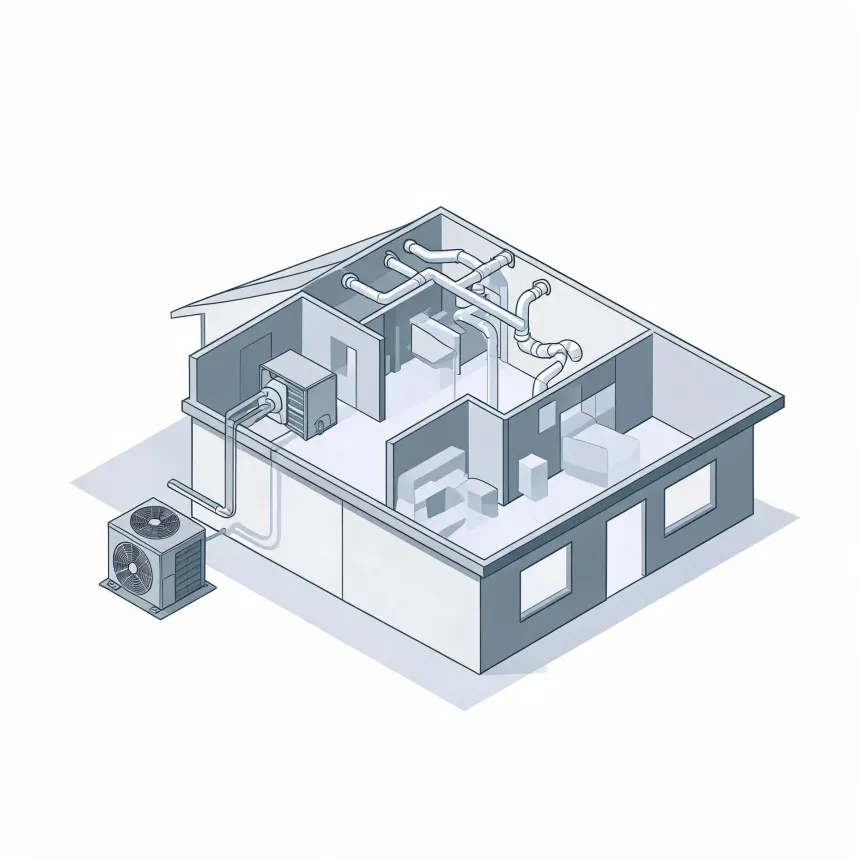
Installation day starts with the old equipment coming out, indoor and outdoor units both, along with the old line set if it isn't reusable. The new outdoor unit goes on its pad, the indoor coil ties in above or beside the furnace or air handler, and new copper lines run between them if the old ones aren't being reused. The line set gets connected, pressure tested for leaks, then pulled into a vacuum to clear out air and moisture before any refrigerant goes in. That vacuum step matters more than people think, because moisture left in the lines turns to acid and eats at the compressor over time. Once the system holds vacuum, refrigerant goes in to the exact charge the equipment calls for, not by feel. Then it gets powered up, checked for proper airflow and temperature split, and run long enough to see it cycle correctly before the crew leaves.