Electricity here runs 14.94 cents a kilowatt-hour
Texas homes paid that rate on average in 2024. A system that wastes power turns that rate into a bigger number every single month it runs.
Takes about a minute. No obligation.
Texas homes paid that rate on average in 2024. A system that wastes power turns that rate into a bigger number every single month it runs.
The SEER2 rating on the unit you choose decides how much electricity it takes to cool this house. That choice gets made once, at install, and you live with it on every bill after.
NOAA nClimDiv, 1991–2020 normals
The SEER2 number on the label tells you how much cooling the system squeezes out of every unit of electricity it uses.
A system with a higher rating can cool a house to the same temperature while drawing less power from the wall to do it.




Travis County sits in climate zone 2A, hot and humid, where cooling is the main load on the system all year. Because of that, new split-system units installed here have to hit at least 14.3 SEER2 below 45,000 Btu/h, higher than the 13.4 SEER2 minimum that applies in most of the country. Whatever gets installed in your house has to clear that bar before it can legally go in. A federal tax credit is also available for qualifying high-efficiency equipment, which is worth asking about when you're comparing systems.
Cooling runs April through October here, seven months straight once it starts. March is the last quiet month on the system. Installing before the first hot week means the sizing, the setup and any permit work happen on a normal schedule instead of a rushed one, and the unit is already broken in by the time it has to run every day.
Find a contractorThis one runs April through October, seven months straight once the heat starts. Afternoon highs average 95 through June, July and August, so most of its working life is spent against real heat, not mild days. A unit sized right for this house holds steady through that stretch. One that is undersized or just cheaply matched runs longer hours to hit the same temperature, and seven months is a long time to be working harder than it needs to.
A contractor works out the right size by adding up how much heat the house gains through its walls, windows, roof and attic air, along with heat from people and appliances inside. Houses the same size can need different sized systems depending on window placement, insulation and how many floors they have. Picking a size off a chart or matching what the old unit had skips that math.
An oversized system cools the air fast and shuts off before it has run long enough to pull humidity out of the house, so the air feels cold and damp at the same time. An undersized one never shuts off at all on the hottest days, straining to reach a temperature it can't hold. Either way the house ends up less comfortable than it would be with a system sized to the load.
Estimates for a typical Travis County home, from EIA household energy data, Texas fuel prices and NOAA climate normals. Your home will differ.
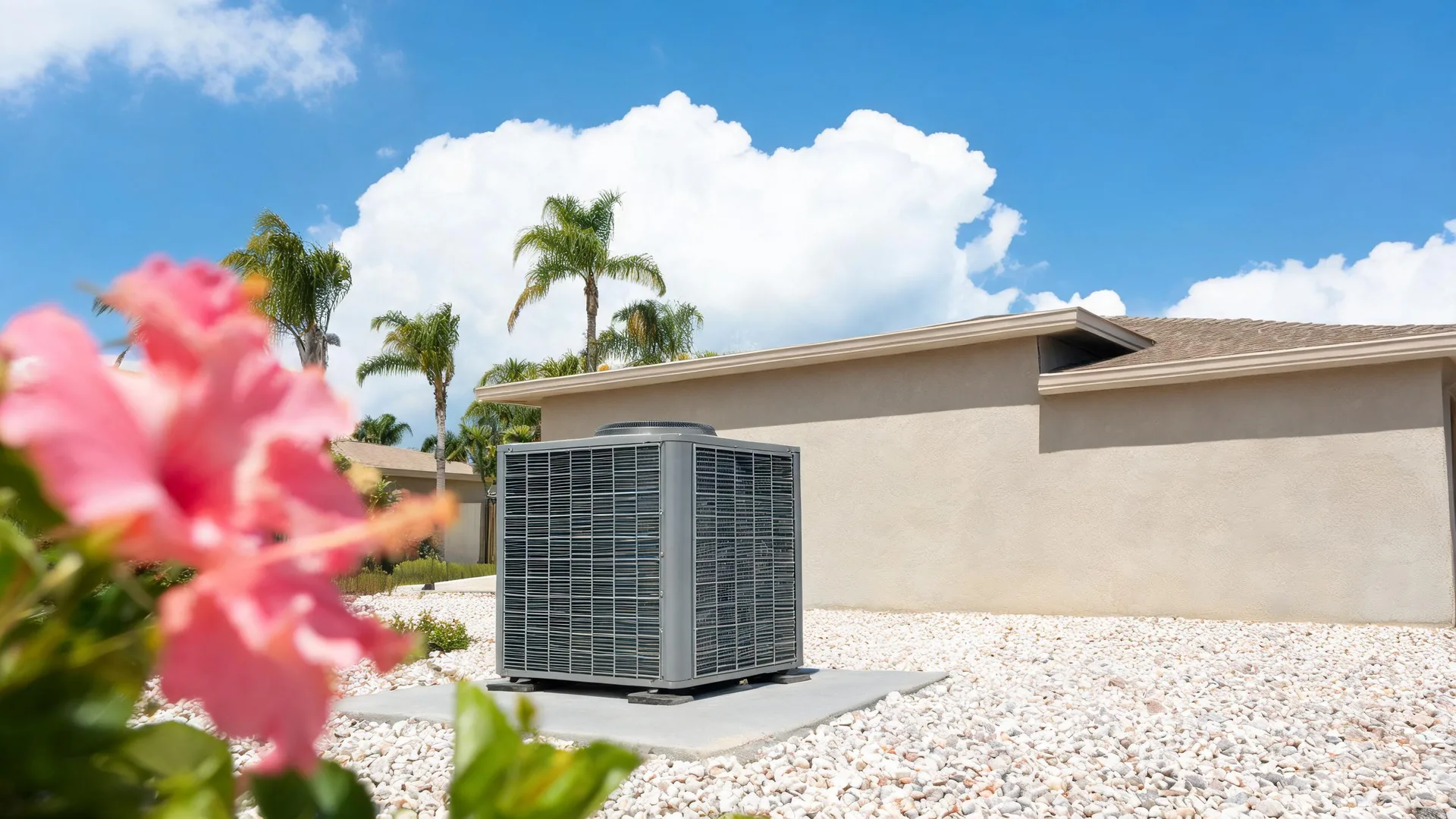
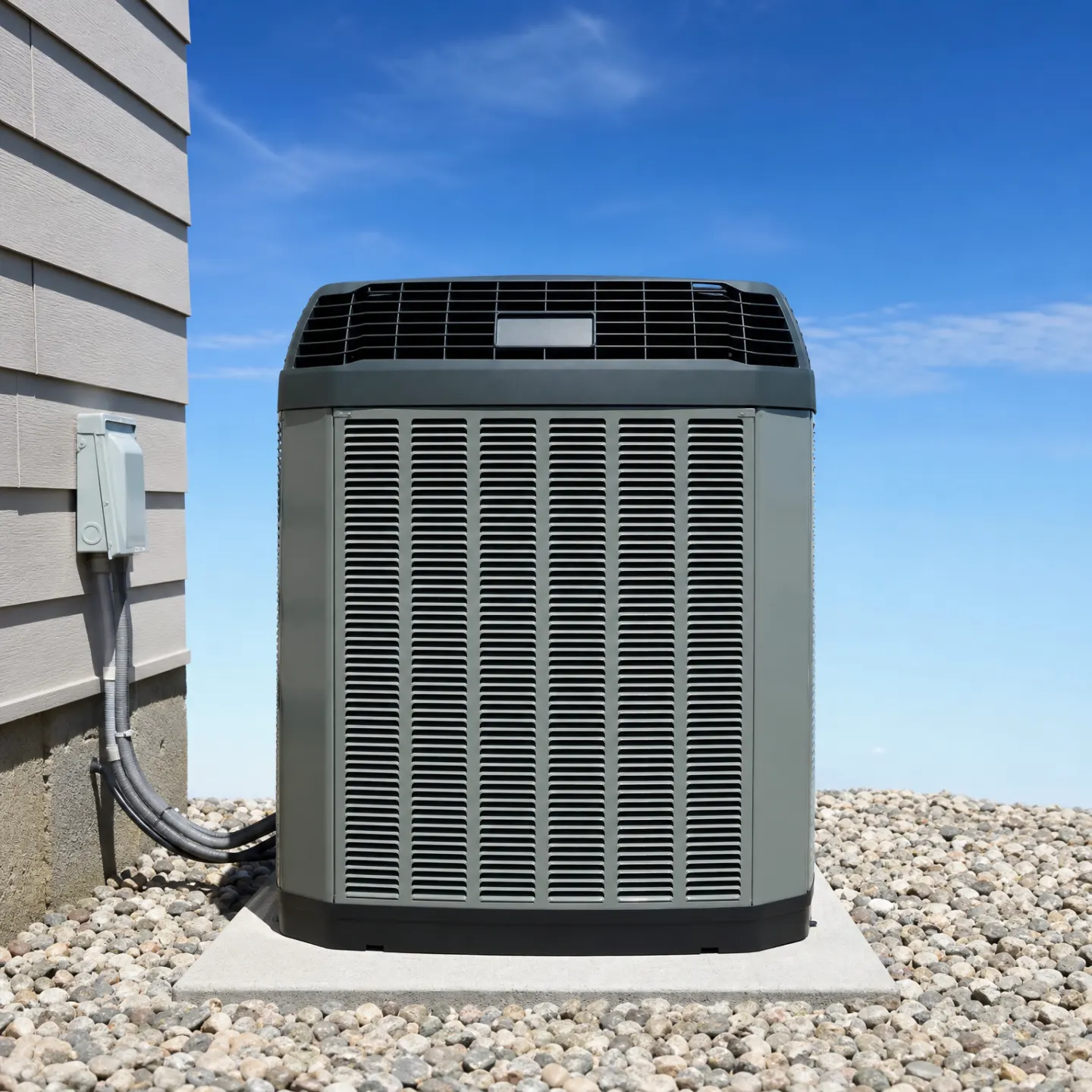
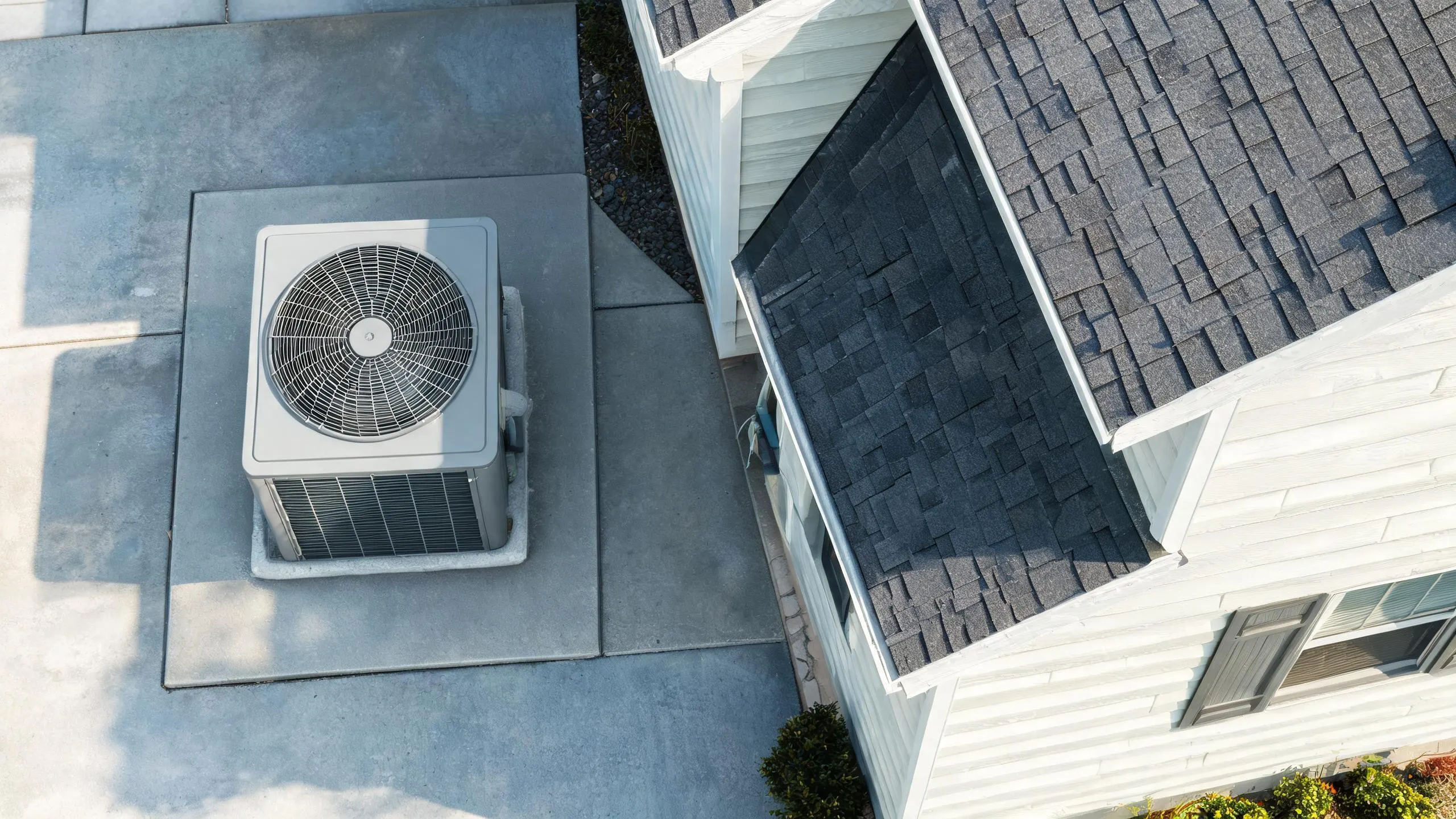
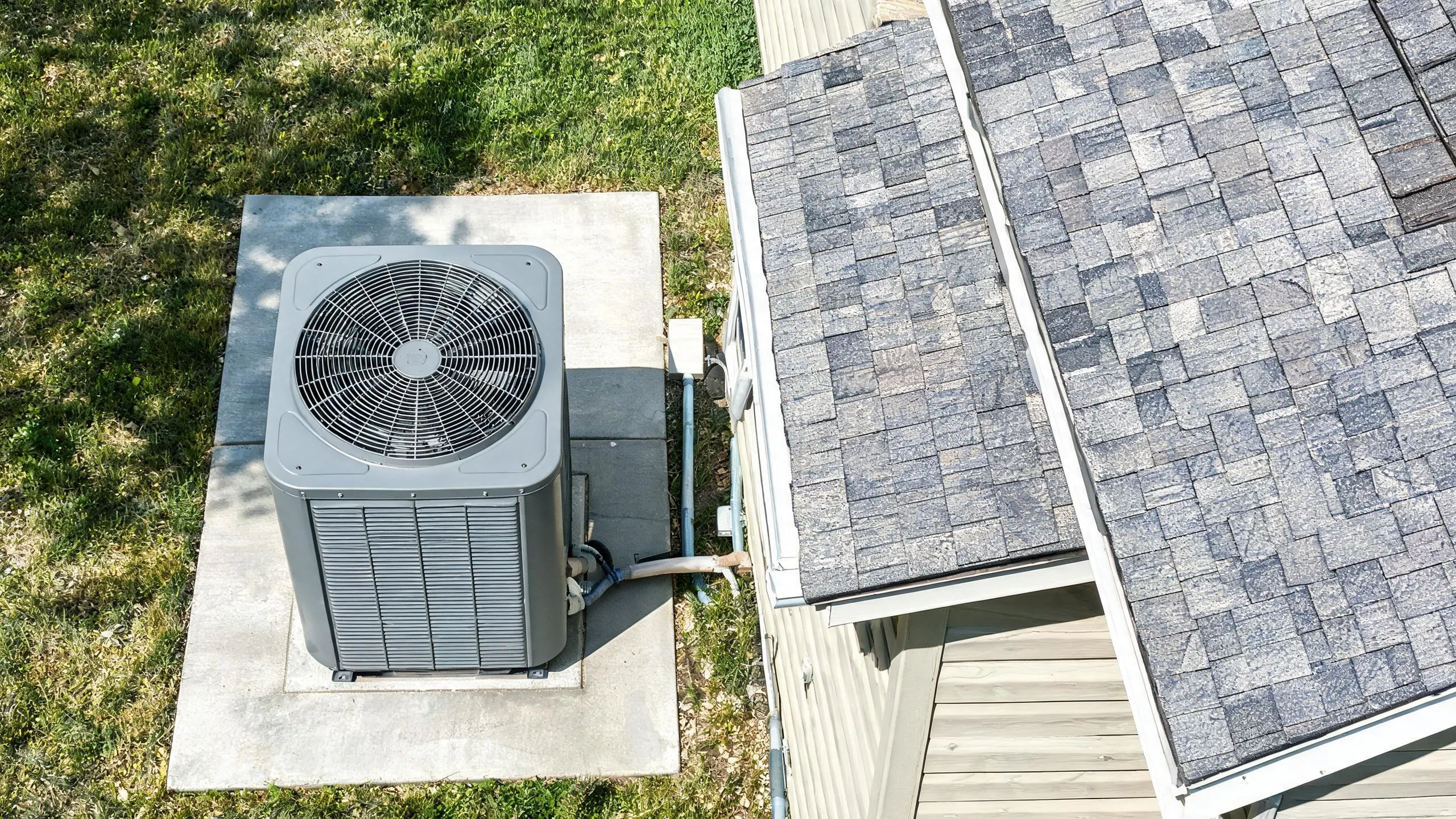
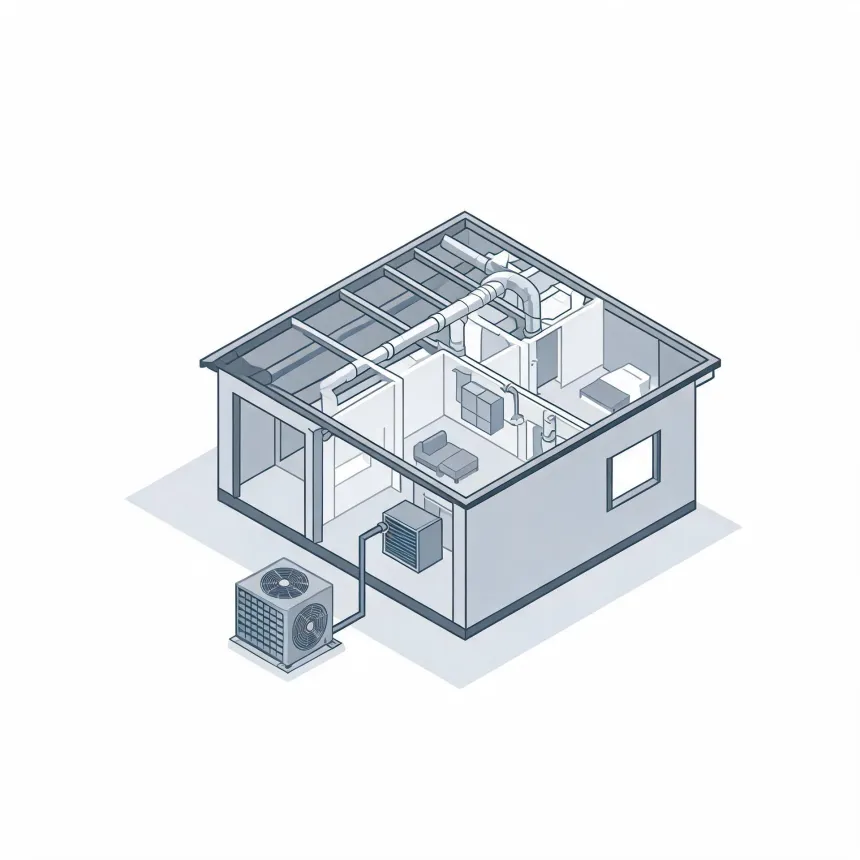
Installation starts with pulling out the old condenser and coil, then running new line set to connect the outdoor unit to the indoor coil. Before any refrigerant goes in, the lines get pulled down to a vacuum to clear out moisture and air, because either one left behind causes problems later. Once the system is charged, the technician checks refrigerant pressure against the manufacturer's spec, confirms airflow at the vents, and tests the thermostat connection. If ductwork needs work too, that gets handled before the system is sealed up and charged. A permit inspection may happen separately depending on what the job involved. Before anyone leaves, the system should run a full cooling cycle so you can feel cold air at the vents and hear it shut off on its own when the thermostat is satisfied.