



Texas Cooling Help
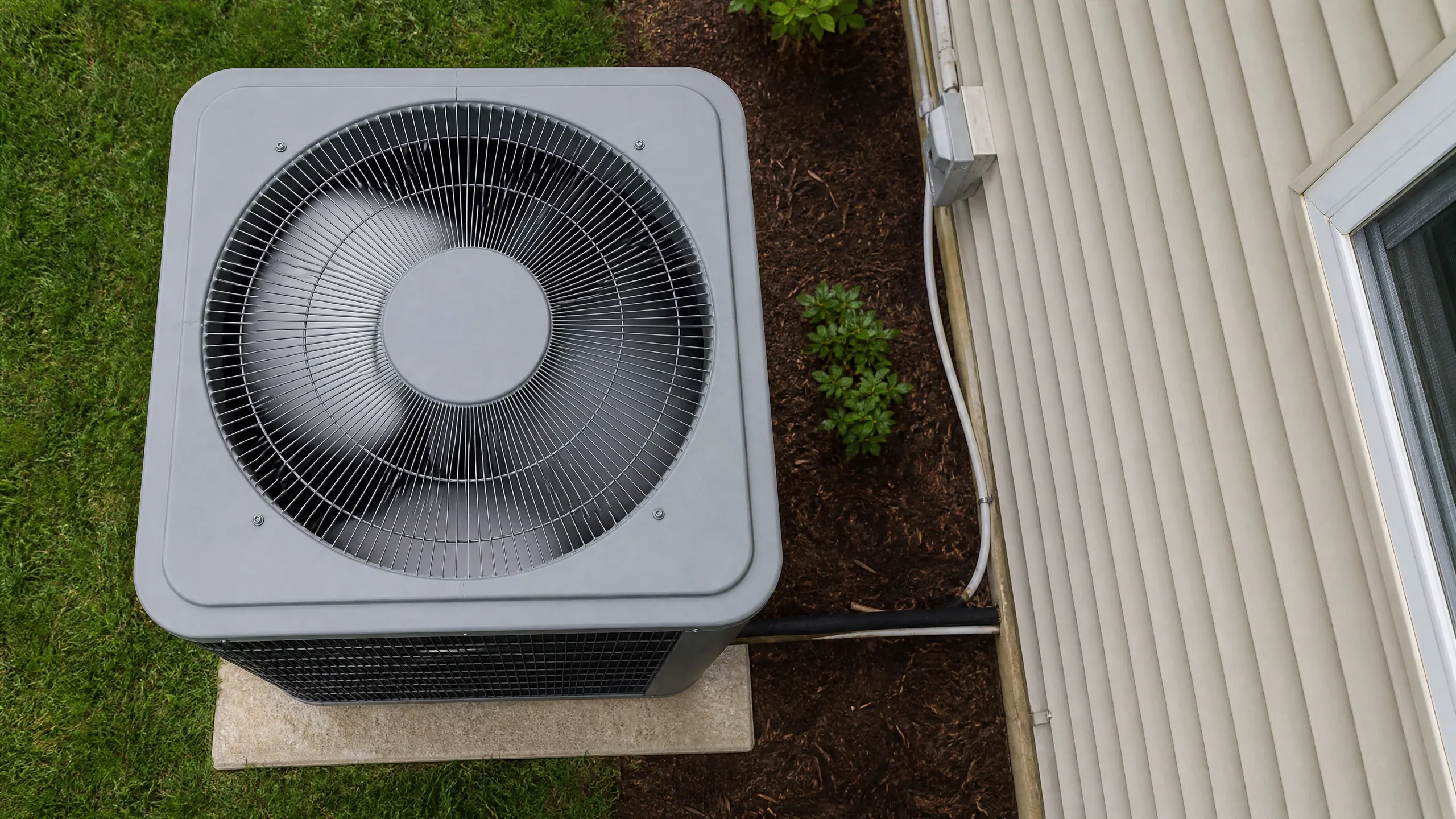
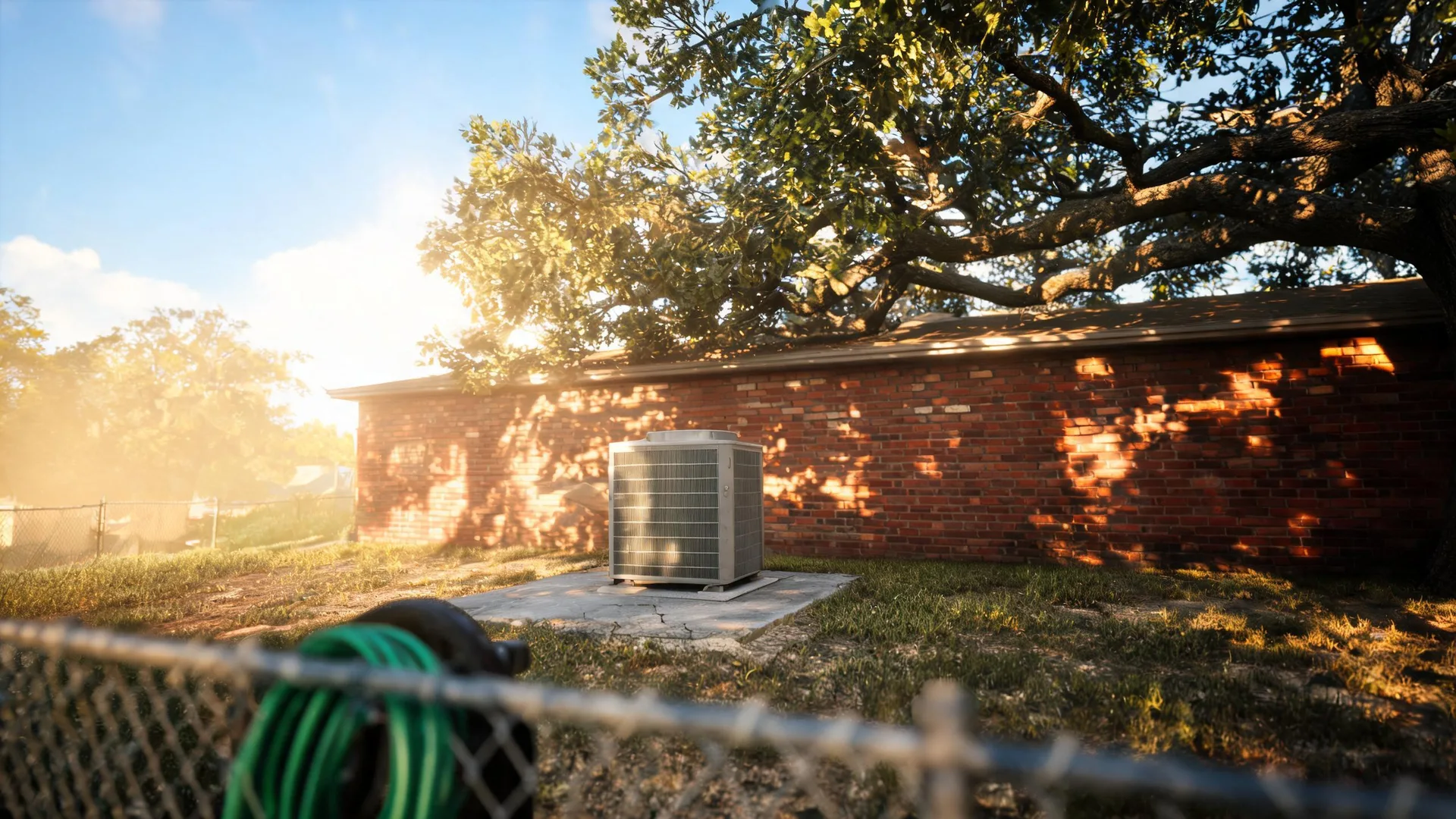
Aerial view of a gray outdoor air conditioning condenser unit mounted on a concrete pad next to a house with vinyl siding.

AC Installation in Tyler, TX

Tell us about the job

Takes about a minute. No obligation.

Step 1 of 3: Equipment

A contractor sizes your AC with a load calculation, not a tape measure on the old unit. That calculation looks at your square footage, but also your windows, your insulation, your ceiling height, and which way your house faces. Too big and the system short cycles, cooling the air fast but shutting off before it pulls the humidity out, so the house feels clammy even at the right temperature. Too small and it runs constantly during the hottest part of the day and still can't keep up. Either mistake wears out the compressor faster than a correctly sized unit would. The right size is the one matched to your house, not the biggest one that fits the budget.

6 months
May through October, your air conditioner is on duty
93°F
the average summer afternoon it cools against
107 hail events
in ten years, and hail bends the fins on outdoor coils
13.4 SEER2
the federal minimum any new unit must meet
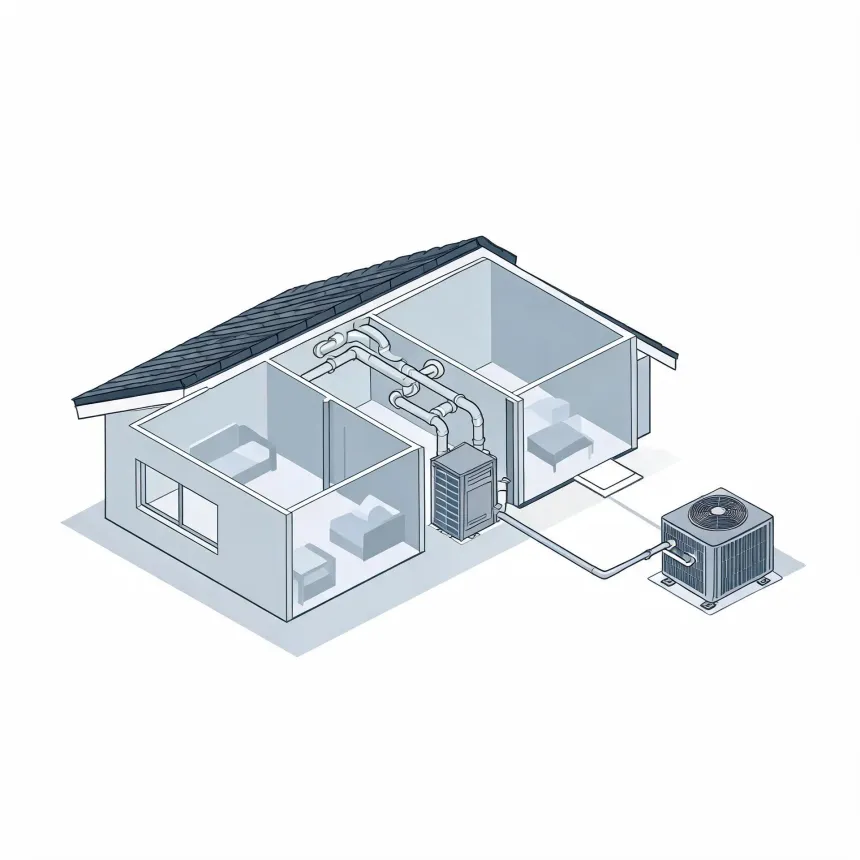
Isometric line illustration of a cutaway single-story house showing interior rooms, ductwork, an indoor air handler or furnace, and a refrigerant line running to an outdoor condenser unit on a pad.
Your air conditioner works hardest from June through September.

NOAA nClimDiv, 1991–2020 normals

Most homes in Smith County heat with electricity, at 58.9 percent.

An electric furnace or heat pump is the safer bet to pair with your new AC, since it matches what the house was likely built to run.

Cooling runs May through October here, at 14.94 cents a kWh, so an efficient system earns its keep

Power costs 14.94 cents a kWh statewide
Cooling runs May through October
Summer afternoons average 93°F

Tyler sits in the Southeast region for efficiency standards, which runs stricter than the rest of the country. A split-system air conditioner installed here has to hit at least 14.3 SEER2 if it's under 45,000 Btu/h. That's higher than the federal minimum elsewhere, so it narrows what a contractor can legally install, no matter what you find listed online or at a big box store. A federal tax credit is also available for qualifying high-efficiency equipment, worth asking about before you settle on a model.

Have your new AC in before May

Cooling runs May through October here. Put the new system in during April and it's up and running before the first hot week, installed on your schedule instead of after the old one quits in the middle of summer.

Find a contractor
A man in a dark cap, dark shirt and brown pants, seen from behind, walks up porch steps toward an orange front door while carrying a brown canvas tool bag.
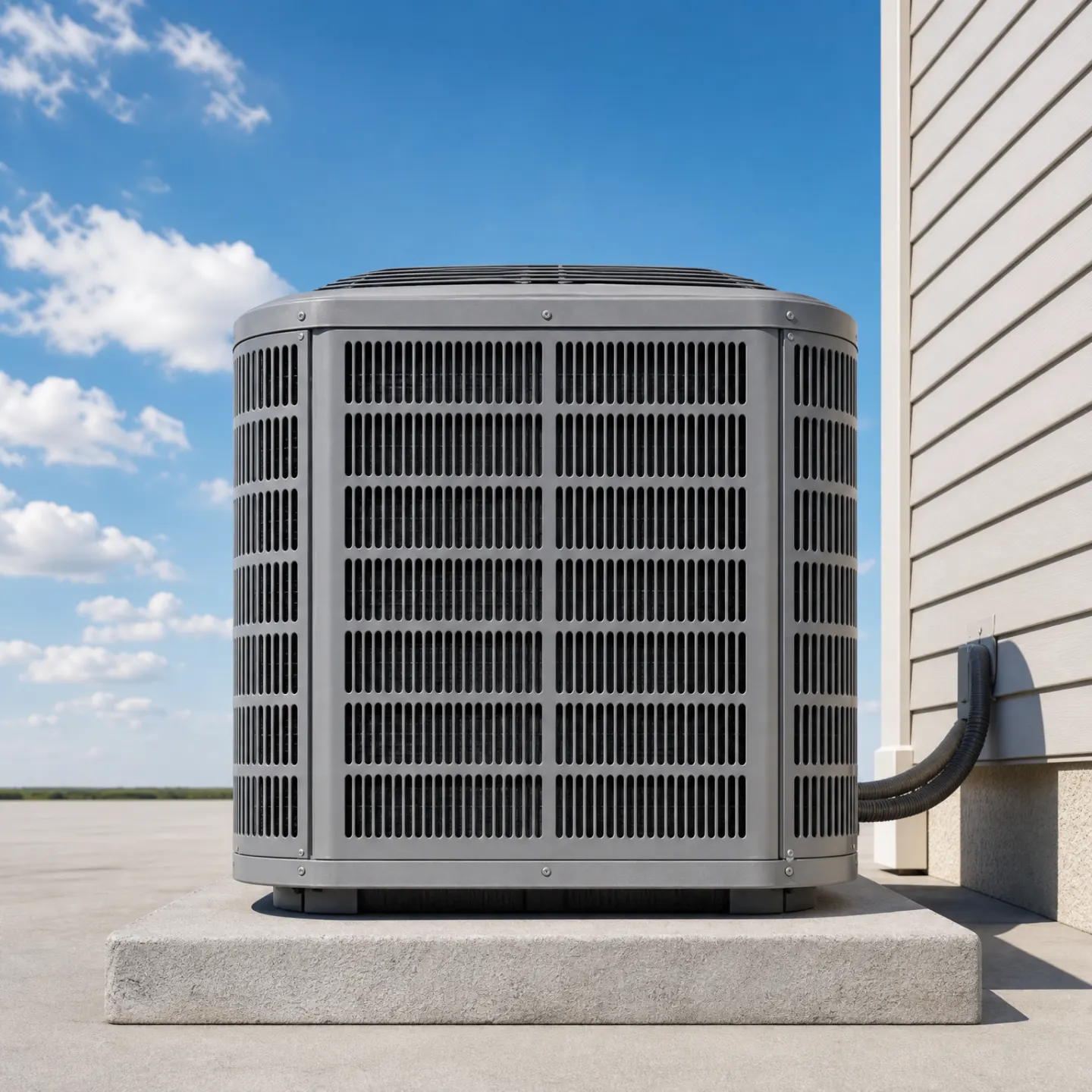
A gray cylindrical air conditioning condenser unit mounted on a concrete pad next to a light-colored vinyl-sided house exterior.

The questions that matter after the sizing is right

Ask what the warranty covers on the compressor versus the rest of the system, and whether it requires registration within a set window after install. Ask how the contractor verified the refrigerant charge, since a system that's overcharged or undercharged wears the compressor early no matter how good the equipment is. Ask about the blower motor type, since a variable-speed motor holds steadier airflow over the life of the system than a single-speed one running on and off. Ask what maintenance the manufacturer requires to keep the warranty valid, and get it in writing rather than taking a verbal promise. A system running daily for months at a stretch depends on these details more than on the brand name stamped on the side.

The equipment is only part of the bill

Systems with the same efficiency rating can still cost different amounts to put in. Where the condenser sits, how far the refrigerant lines have to run, and whether the ductwork already matches the new unit all factor into the labor. A straight swap in the same spot goes faster than a job that needs new line sets or modified ducts to work right.
Correcting what's already there adds to the job

If the ductwork was sized for the old system, a contractor may need to adjust it to handle the new one's airflow, especially moving to a variable-speed blower. Old refrigerant lines sometimes need replacing rather than reusing, particularly if the new system runs on a different refrigerant than the old one. None of this shows up until the contractor is actually in the attic or crawlspace looking at what's there.

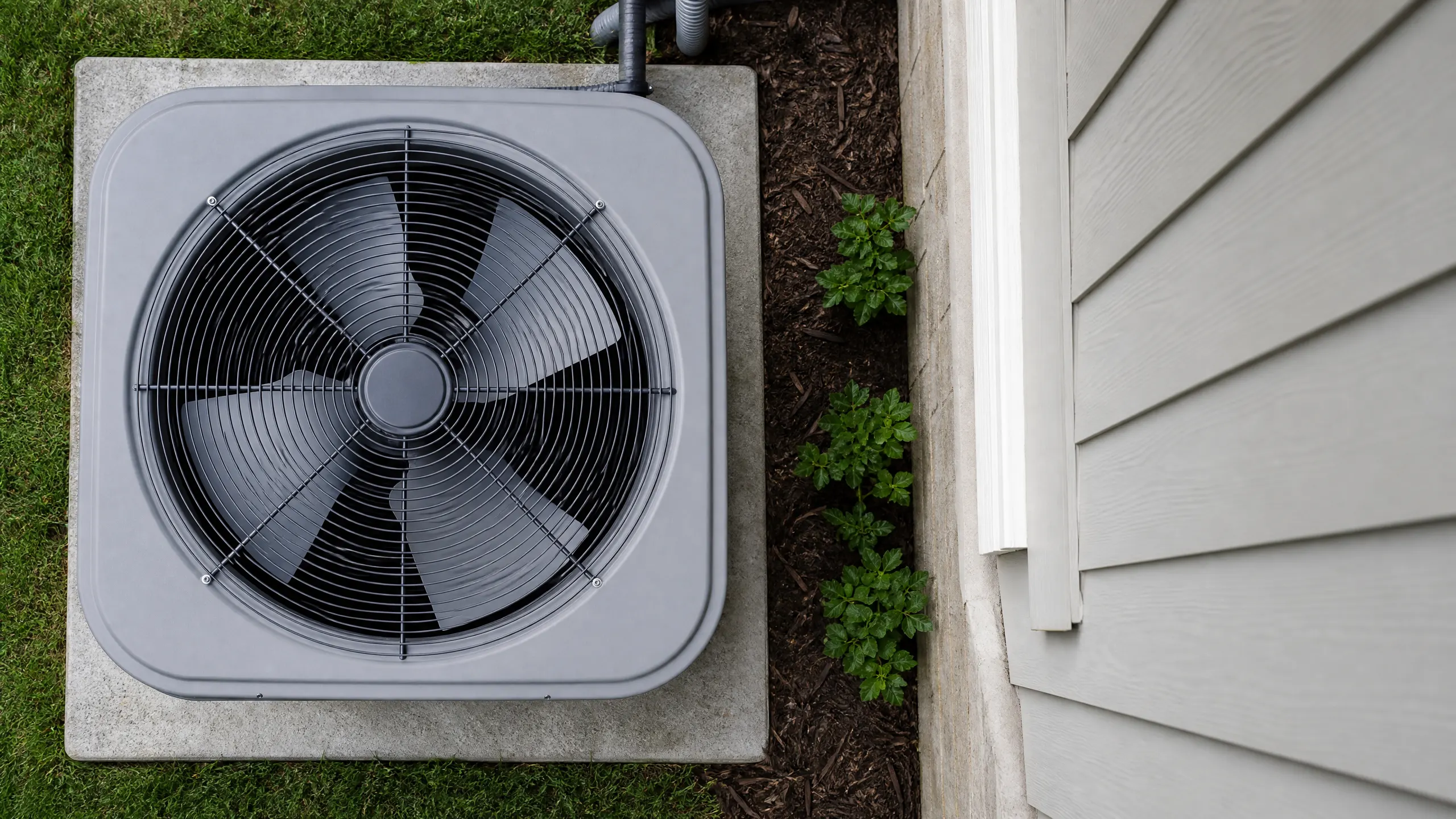
Aerial view of a gray central air conditioning condenser unit on a concrete pad next to a house with vinyl siding.

A higher-efficiency unit would save about $30 a year to run in Smith County compared with a new unit at the federal minimum.

  • A higher-efficiency unit$410 a year
  • A new unit at the federal minimum, 14.3 SEER2$440 a year

Estimates for a typical Smith County home, from EIA household energy data, Texas fuel prices and NOAA climate normals. Your home will differ.

Installation day starts with the old equipment coming out, not the new one going in. The contractor recovers the refrigerant from the old system before disconnecting anything, since it can't just be vented to the air. Once the old condenser and coil are out, they'll check the line set, the electrical disconnect, and the condensate drain to see what can be reused and what can't. Setting the new condenser means leveling the pad outside and making sure there's clearance on all sides for airflow. Inside, the coil goes in above or beside the furnace or air handler, and that connection has to be sealed well or the system loses efficiency before it ever runs a cycle. Once everything's connected, the contractor pulls a vacuum on the line set to clear out moisture and air before charging it with refrigerant, then checks the charge against the manufacturer's spec rather than just running it and calling it done.