Texas Cooling Help
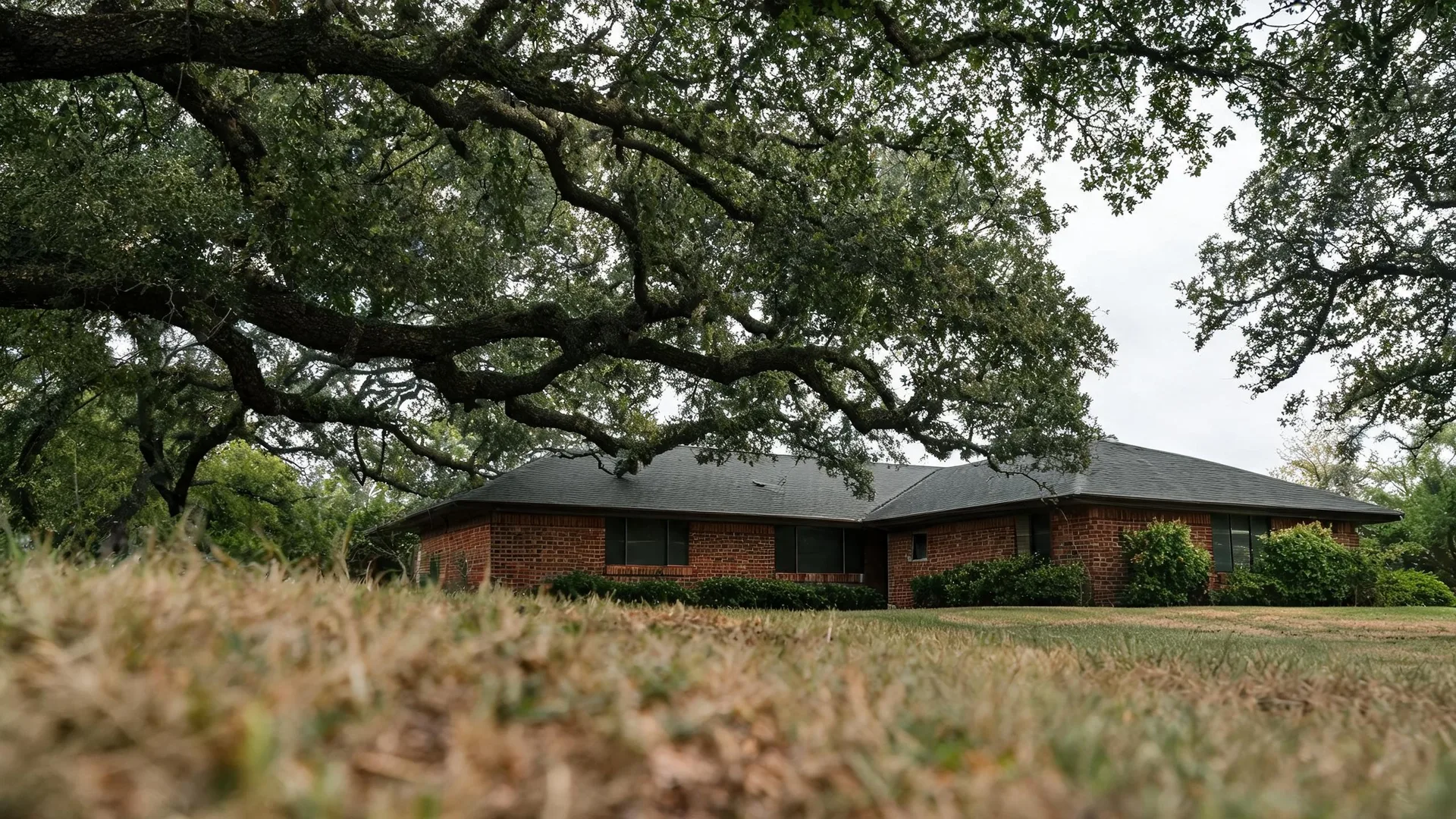
A single-story brick house with a dark shingled roof seen from a low angle across a lawn, framed by the spreading branches of a large oak tree under an overcast sky.

AC Installation in Killeen, TX

Tell us about the job

Takes about a minute. No obligation.

Step 1 of 3: Equipment

Electricity here runs 14.94 cents per kilowatthour

Texas homes paid that rate in 2024, and an air conditioner is one of the biggest draws on a home's electric bill. The efficiency rating on the unit you choose matters more here than in a state where power costs less.

The SEER2 rating is worth comparing

Two systems can cool the same house and pull different amounts of power doing it. When you're sizing up options for Killeen, ask what SEER2 rating each one carries, not just the upfront price.

7 months
April through October, your air conditioner is on duty
95°F
the average summer afternoon it cools against
116 hail events
in ten years, and hail bends the fins on outdoor coils
13.4 SEER2
the federal minimum any new unit must meet
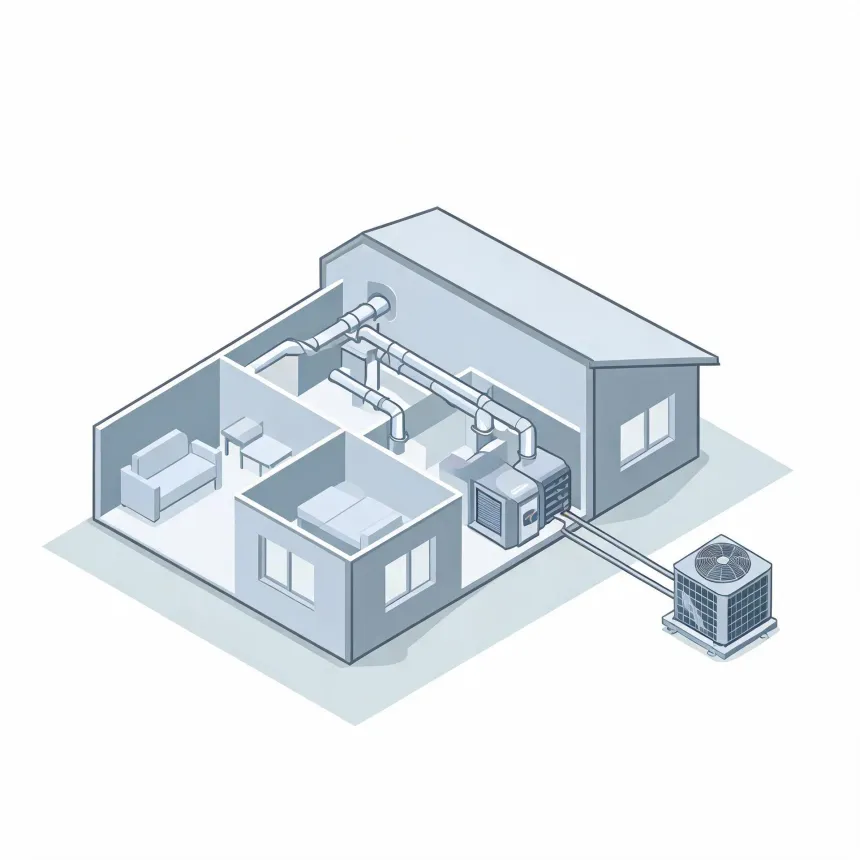
Isometric line illustration of a cutaway house showing interior rooms with furniture, ductwork leading to an indoor air handler, and an outdoor condenser unit connected by a line set.
Your air conditioner works hardest from June through September.

NOAA nClimDiv, 1991–2020 normals

Electricity heats 86 percent of homes in Bell County.

An electric AC system will fit the wiring and setup already in place here.

Bell County sees its share of storms, so plan for the outdoor unit and the outages

177 severe weather events from 2015 to 2024
33% of homes statewide lost power a day or more in 2024
44 damaging wind events from 2015 to 2024
Built for Bell County heatAC here runs April through October, with afternoon highs averaging 95°F in June, July and August.

Cooling runs April through October in Bell County, about seven months out of the year. That makes March the month to replace a system before it has to work, not during. An install booked in March happens on your schedule. The contractor has time to size the unit to your house and get the ductwork connections done right, instead of rushing to get something, anything, running again. Wait until the heat is already on and you're choosing from whoever has an opening that week.

Any system installed here has to meet 14.3 SEER2

Bell County falls under the Southeast's efficiency rule, not just the national one. A split system below 45,000 Btu/h has to carry at least 14.3 SEER2, and 13.8 at or above that size. That's higher than what's required in much of the country. A federal tax credit is available on qualifying equipment, worth checking against whatever unit you're considering.

Find a contractor
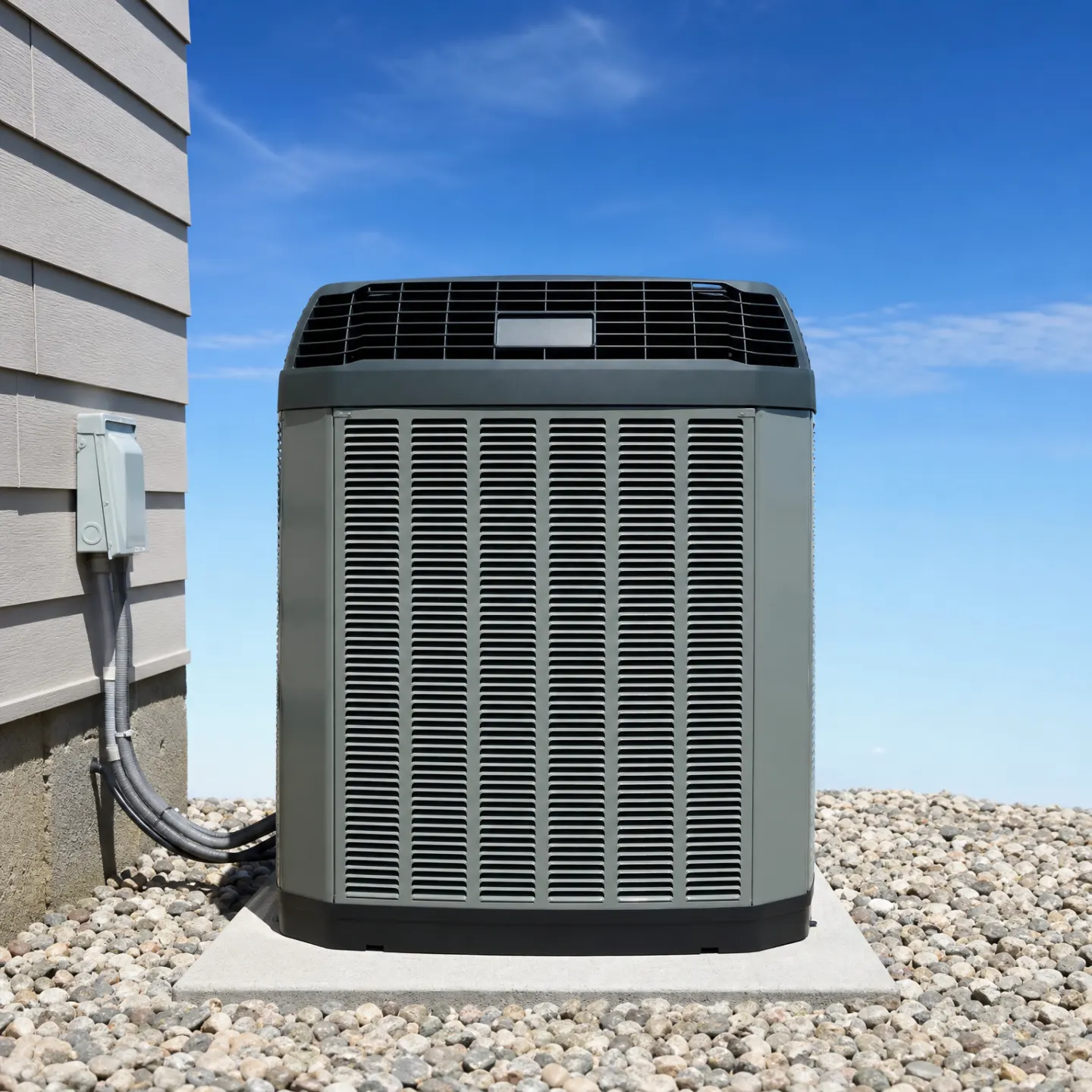
An outdoor air conditioning condenser unit mounted on a concrete pad beside a house, with electrical conduit running to a wall-mounted disconnect box.

Seven months a year, this is working

Seven months of cooling and afternoon highs near 95 put real hours on a system here, more than most of the country asks of one. That load is exactly why sizing matters at install. A unit too big for the house short cycles, a unit too small runs flat out all summer, and either way the wear shows up early. This is the one chance to get the size matched to the house before it runs a single July. Worth asking the contractor to run a load calculation on your house rather than quote off the system you're replacing.

Ask for a load calculation, not a guess

A contractor should measure the house, the windows, the insulation and the layout before naming a system size. Matching the new unit to the old one skips that step. A system sized off square footage alone can end up wrong in either direction.

Ask what happens to the ductwork

The outdoor and indoor units are only part of the job. Air has to move through the existing ducts to cool the house. A contractor should check duct size and condition as part of the quote, not treat the equipment as the whole project.

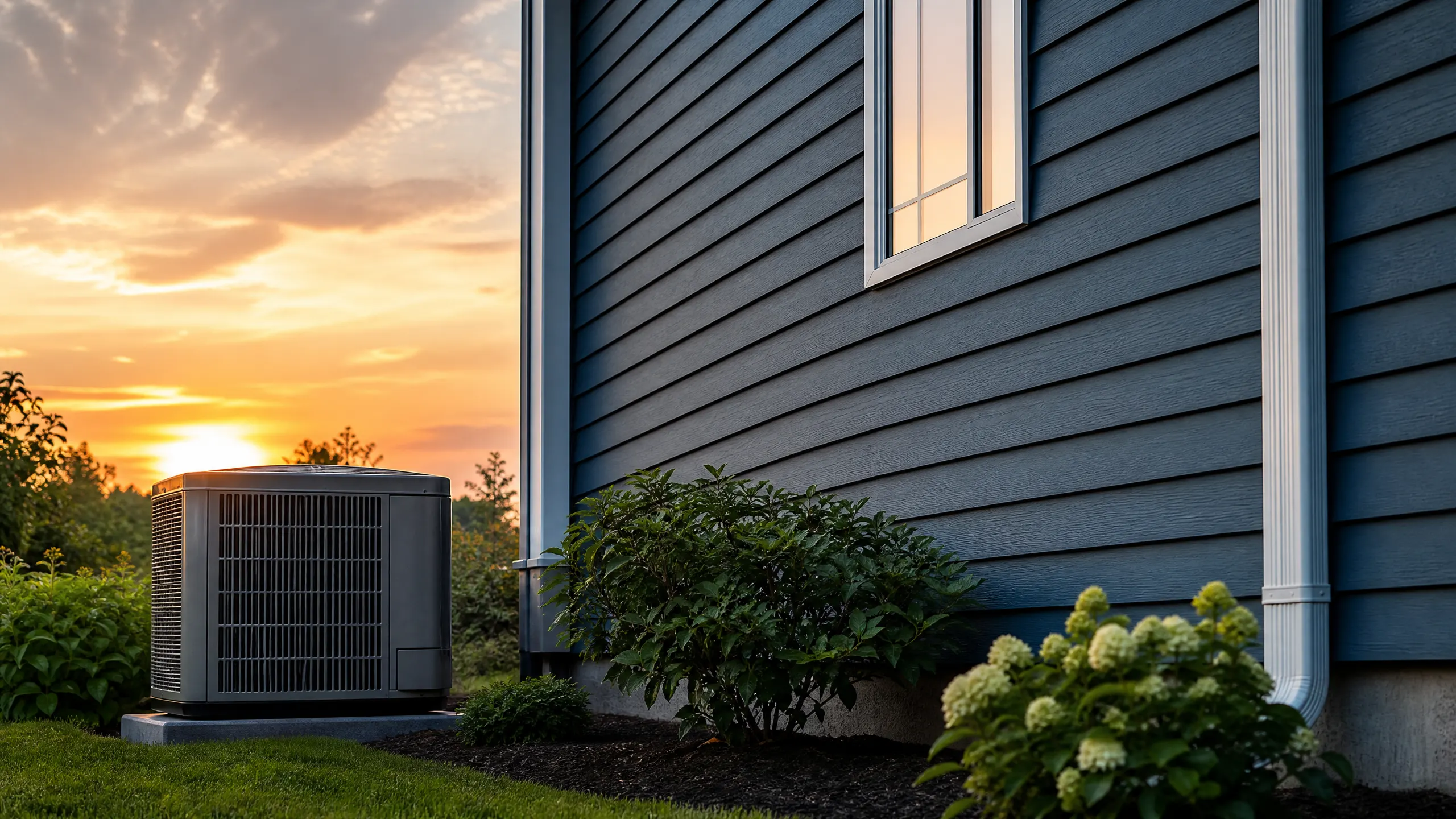
An outdoor air conditioning condenser unit positioned on a concrete pad next to a blue-sided house, surrounded by green shrubs and flowering hydrangeas at sunset.

A higher-efficiency unit would save about $30 a year to run in Bell County compared with a new unit at the federal minimum.

  • A higher-efficiency unit$470 a year
  • A new unit at the federal minimum, 14.3 SEER2$500 a year

Estimates for a typical Bell County home, from EIA household energy data, Texas fuel prices and NOAA climate normals. Your home will differ.

Install day starts before anyone touches the old unit. The contractor should walk the house first, checking duct connections, the electrical disconnect, and where the line set runs between indoor and outdoor units. Then the old equipment comes out, refrigerant recovered properly rather than vented. The new outdoor unit gets set on a pad, leveled, with clearance on all sides for airflow. Indoors, the coil and air handler go in, connections get brazed, and the line set is pressure tested for leaks before anything gets charged with refrigerant. Only after the system holds pressure does it get charged and switched on, then checked for proper airflow and temperature split at the vents.