Electricity here runs 14.94 cents per kilowatt-hour
Texas homes paid that on average in 2024. A new AC system runs on that rate for as long as it sits in your home, and a unit that wastes power shows it on every bill.
Takes about a minute. No obligation.
Texas homes paid that on average in 2024. A new AC system runs on that rate for as long as it sits in your home, and a unit that wastes power shows it on every bill.
The rating you choose now sets what the system costs to run every month after. A lower efficiency unit costs less to buy and more to run, for as long as you own it.
NOAA nClimDiv, 1991–2020 normals
Electricity heats 84.6% of homes in Guadalupe County.
A new AC system almost always means a new heat pump or electric furnace too, so this install is really two decisions, not one.




Guadalupe County saw 104 severe weather events between 2015 and 2024, including dozens of hailstorms and damaging wind. An outdoor condenser sits outside year-round, so it takes that weather directly. Where the installer places it, and what if anything shields it, is worth deciding now rather than after a hailstorm. Power loss is the other side of this. A third of Texas households went at least a full day without power in 2024, and when the grid goes down a heat pump or AC system goes down with it. If backup power matters to you, that's a conversation to have during installation, not after the next outage.
Zone 2A means cooling is the main load on this system, and the installed minimum here is 14.3 SEER2, higher than what the rest of the country requires. That floor is already built into what a licensed installer can sell and install in Guadalupe County. A system that clears it may also qualify for the federal tax credit on efficient equipment, worth checking before you settle on a unit.
Find a contractorGet the size wrong on a system that runs this hard and the mistake does not sit quiet. Too small, and it never catches up on the afternoons that hold at 95. Too big, and it shuts off before it pulls the moisture out of the air, so the house feels damp even at the temperature you set. Either way you are living with it every day this runs, which here is April through October. Sizing to the house, not to whatever unit was there before, is what a load calculation is for. Ask whether the installer is running one.
A straight swap, same spot, same ductwork, same electrical, is the simplest version of this job. Add new ductwork, a line set that has to run farther, or a breaker panel that needs upgrading to carry the new system, and the labor and material climb with it. The unit itself is only part of what you're paying for.
The cooling side usually means a new heat pump or furnace paired with it, so the quote covers both pieces of equipment and the work to set them. A mismatched coil and condenser can undercut the efficiency rating you paid for, so an installer pricing them as a matched pair is protecting what you bought, not padding the bill.
Estimates for a typical Guadalupe County home, from EIA household energy data, Texas fuel prices and NOAA climate normals. Your home will differ.
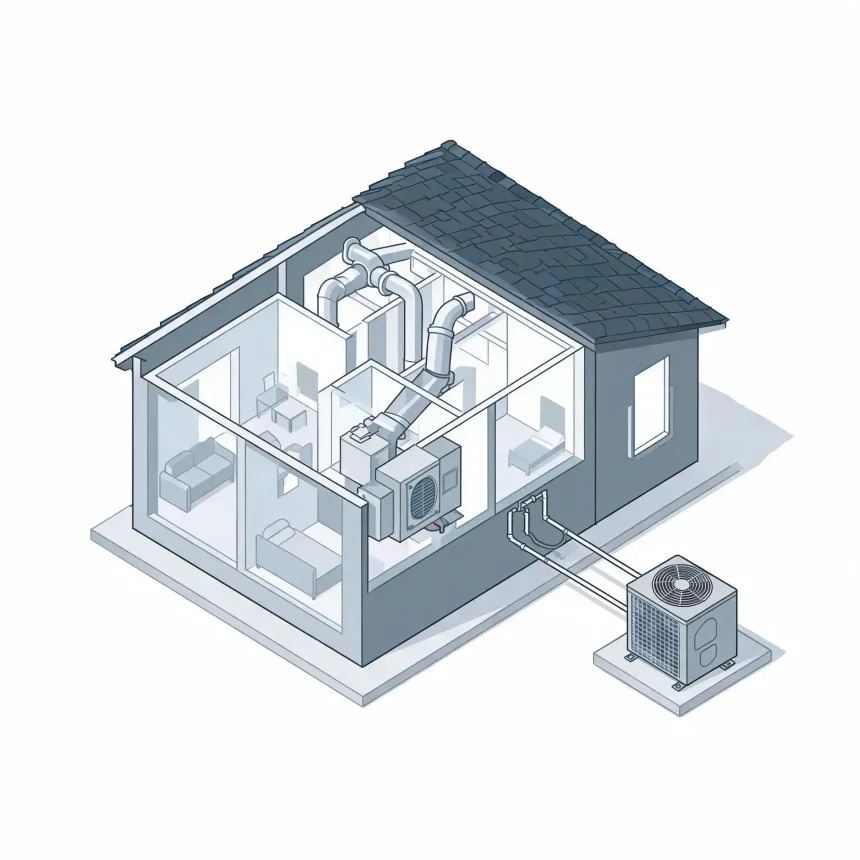
Installation day starts with the old equipment coming out, not the new one going in. The condenser outside gets disconnected and hauled off, and if there's an old furnace or air handler paired with it, that comes out too. The line set gets replaced or flushed, because old refrigerant oil left behind can contaminate a new system. Ductwork gets checked at the connections for leaks or crushed sections while it's open and accessible. The new coil goes in, the new condenser gets set on its pad outside, and the line set between them gets brazed, pressure tested, and evacuated before any refrigerant goes in. Once it's charged and the electrical is tied in, the installer runs the system and checks airflow at the vents, the temperature split between the air going in and the air coming out, and that the refrigerant charge matches what the equipment calls for. None of that last part is visible from the couch, but it's the difference between a system that hits its rated efficiency and one that just runs.