
Heat Pump Repair in Texas
Homes in Texas need heat for fewer months of the year than in 41 of the other 49 states.
Tell us about the job
Takes about a minute. No obligation.
- 41°Fwinter overnight low where people live
- 5 monthsof heat, November through March
- 94°Fsummer afternoon high where people live
- 7 monthsof cooling, April through October
What does a heat pump in Texas face?
How hot do summer afternoons get?
94°Faverage afternoon high where people live
Alaska66°F
Arizona101°F
How cold do winter nights get?
41°Faverage overnight low where people live
North Dakota4°F
Hawaii65°F
How many months does the heat run?
5 monthsof heating a year
Hawaii0 months
Alaska12 months
What does electricity cost?
14.94¢per kWh (kilowatt hours, the unit on an electric bill), what homes paid in 2024
North Dakota11.51¢
Hawaii42.86¢
How often do storms hit?
292severe weather events per county from 2015 to 2024
Alaska5
Wyoming1,057
How many homes lost power for a day or more?
33%of homes in 2024
Arizona7%
Maine54%
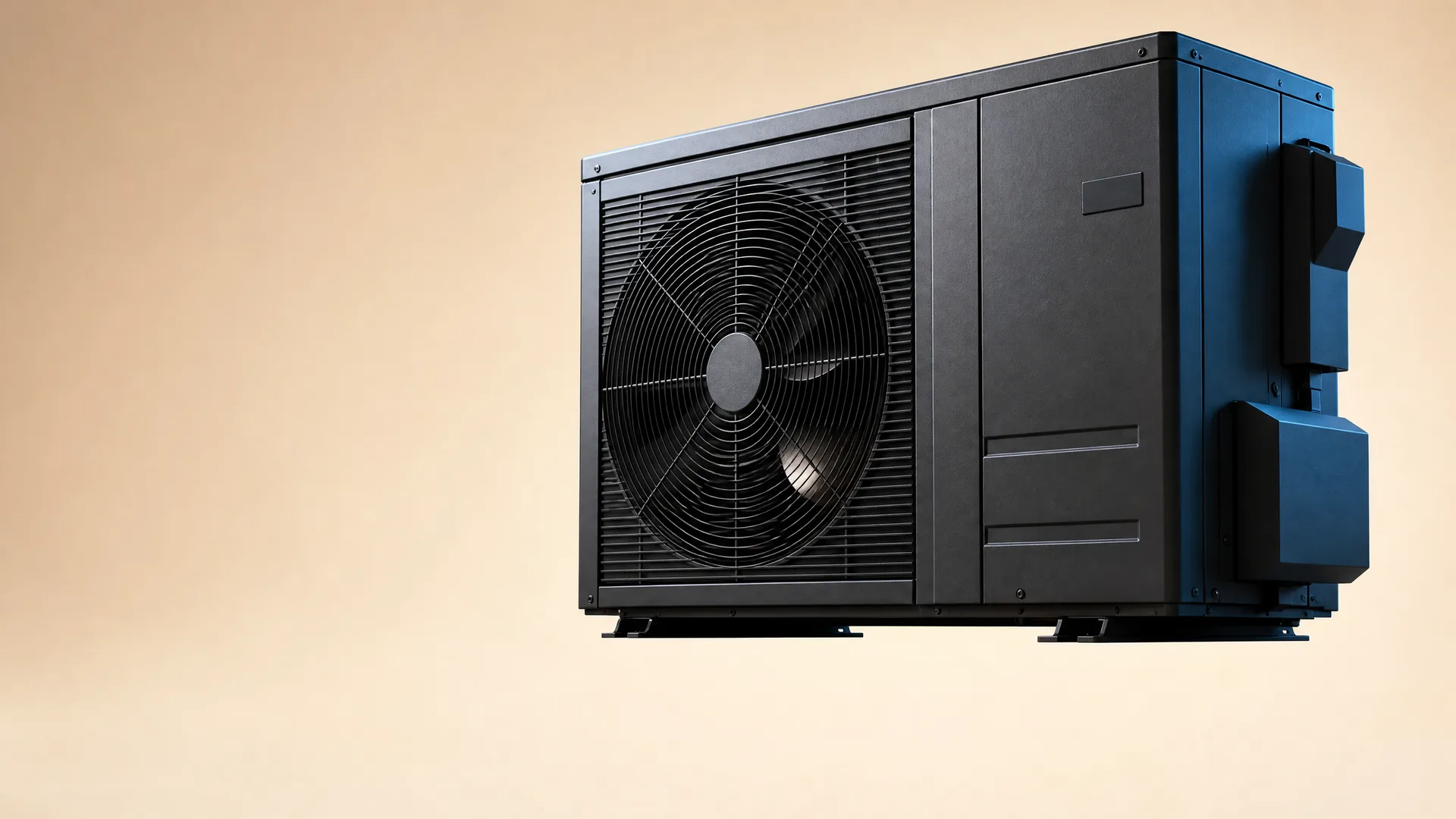
A heat pump that barely gets a season off
A heat pump in Texas does not get much of a break. It runs seven months of the year to cool the house and comes right back in November to run the other way for heat. Most states give the system a longer rest between seasons. Texas does not. That back and forth puts real hours on the compressor and the reversing valve, the part that switches the unit between heating and cooling. When one of those starts to go, you might notice the system blowing air that is not quite warm enough, or short cycling, or running long without catching up. Worth having someone check it before it gets worse.
Half the homes in Texas were built in 1992 or later, which puts this state ahead of 44 others for newer housing stock.
A newer system still has to run those long summers and the switch into heating every fall, so even one within its working life is worth having checked at the first sign of trouble.
Letting it run won't fix it
Some heat pump problems only get worse the longer they're ignored
A heat pump that is struggling does not fix itself by staying on. A reversing valve that is starting to stick will wear its seat further every time it switches, and what started as the system landing in cooling mode when it should heat can turn into a valve that will not shift at all. A compressor running low on charge draws more current to do the same work and runs hotter than it should, and heat is what kills a compressor over time. Ice on the outdoor coil during a heating cycle usually means the defrost cycle is not kicking in right, and a coil that stays frozen stops pulling heat from the air altogether, so the unit runs constantly and still cannot keep up. None of that gets better with time. A contractor who looks at it early is usually looking at a part. Left alone, it can turn into the whole system.
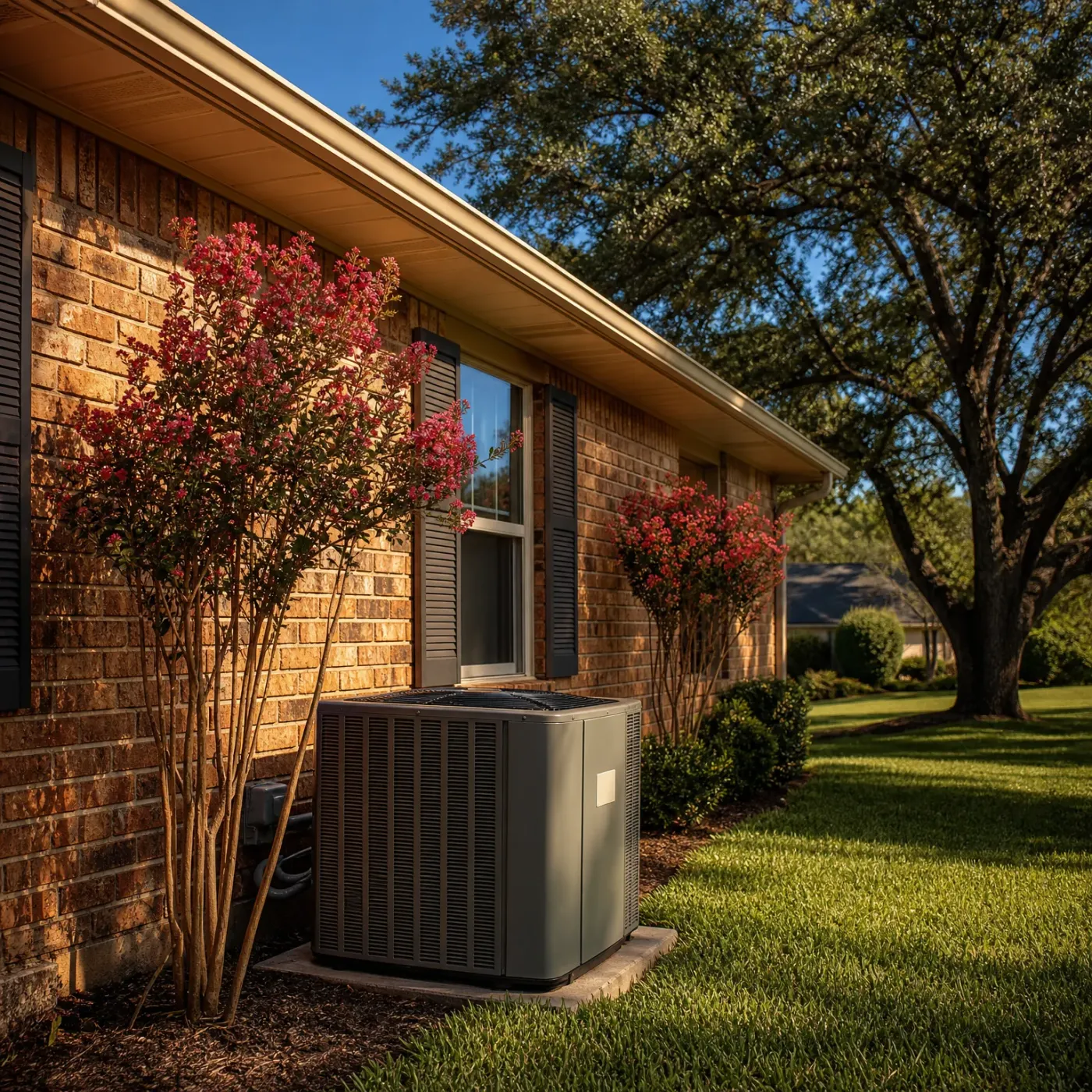
Where you are in Texas changes what a heat pump is actually up against. Homes across the northern counties need about 78% more heat over a year than homes across the southern counties. Cooling runs the other way. Homes across the southern counties need about 27% more cooling over a year than homes across the northern counties. A heat pump works both sides of that trade, so neither half of the state gets off easy.
Dallam County, up in the north, sees winter nights average 22°F across December, January and February. Homes there need about eight times the heating that homes in Cameron County do, where the state's heating need is lowest and winter nights average 53°F. A heat pump working in Dallam County leans hard on its heating cycle, its defrost cycle and its reversing valve, all winter.
Down in Hidalgo County the load runs the other direction. Homes there need about three and a half times the cooling that homes in Dallam County do, where cooling need is lowest in the state. That means a compressor and a reversing valve logging long hours in cooling mode, month after month, April through October.
So a heat pump in Dallam County and one in Hidalgo County are not failing for the same reasons. In the north, weak heat output or frost that will not clear off the outdoor coil points to the heating side. In the south, the compressor is the part doing most of the work, since that's where the system spends most of its hours. That's where a diagnosis should start, depending on which end of the state the house sits in.
Barely a season off, year to year Cooling most of the year, heat right after
- Northern counties need about 78% more heat than southern ones
- Winter nights average 41°F where people live
- Summer afternoons average 94°F where people live
- Heat runs November through March
- Cooling runs April through October
- 1,393 winter storms from 2015 to 2024
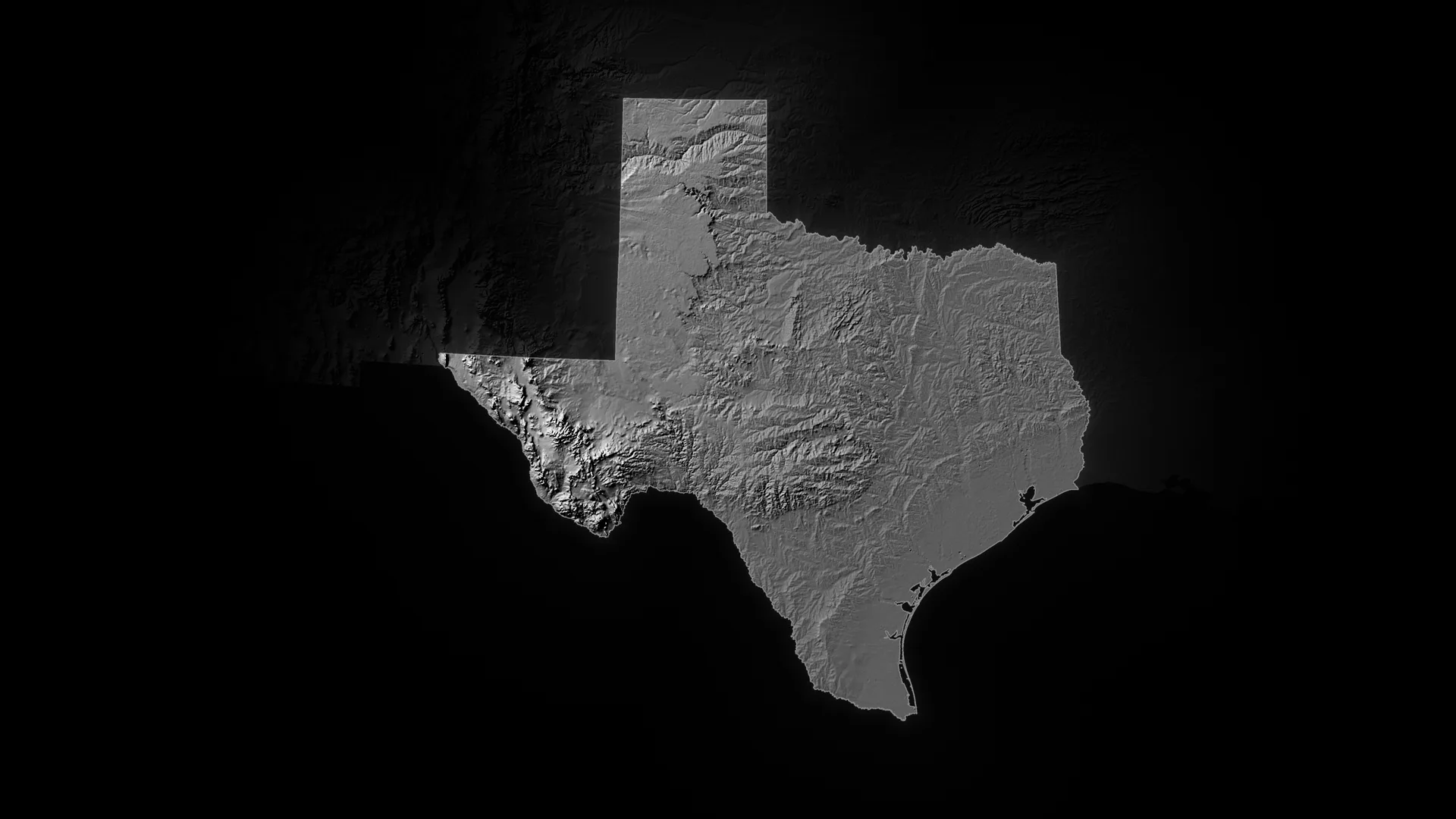
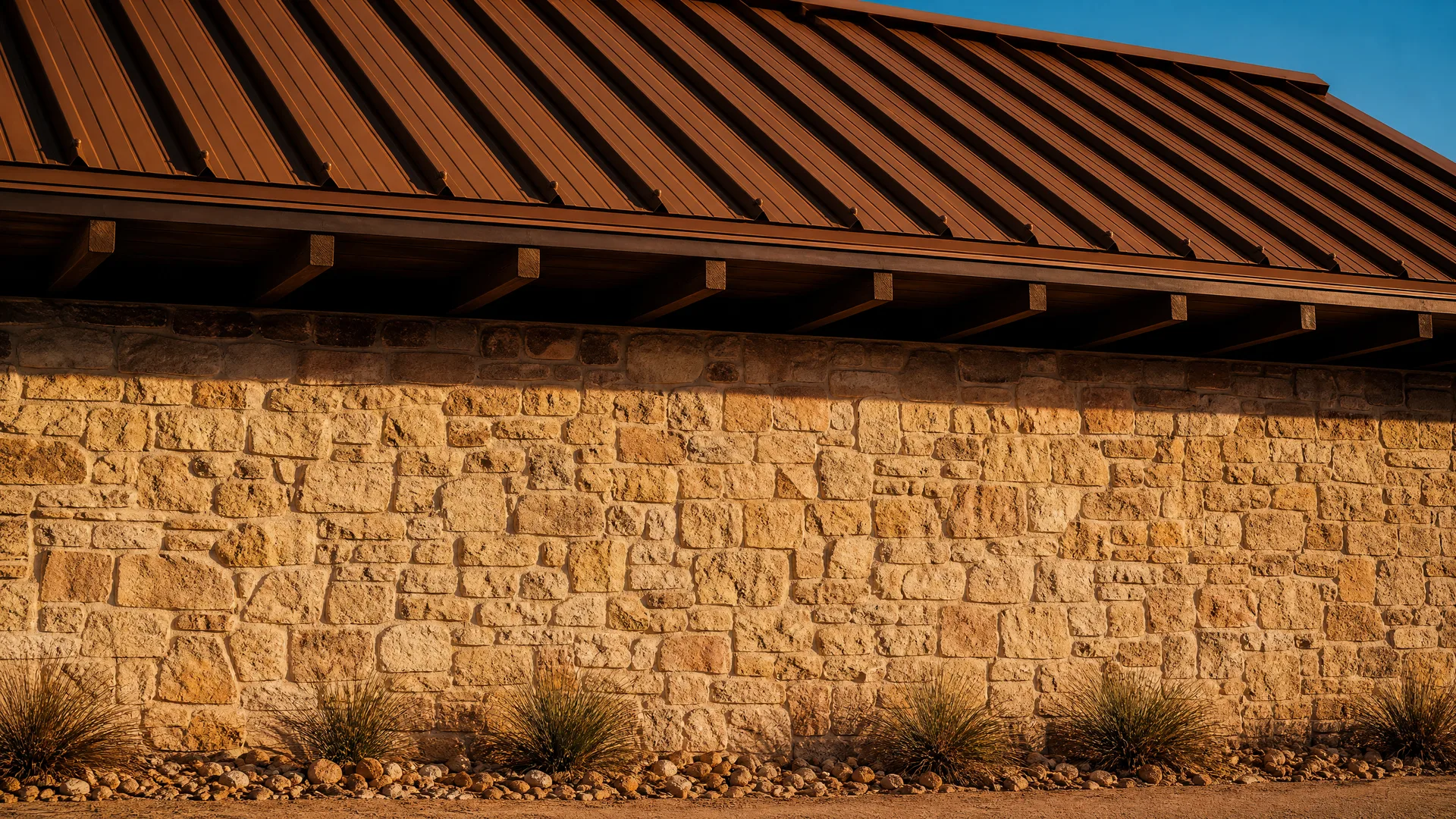
Texas storms test the outdoor unit more than most states' weather does
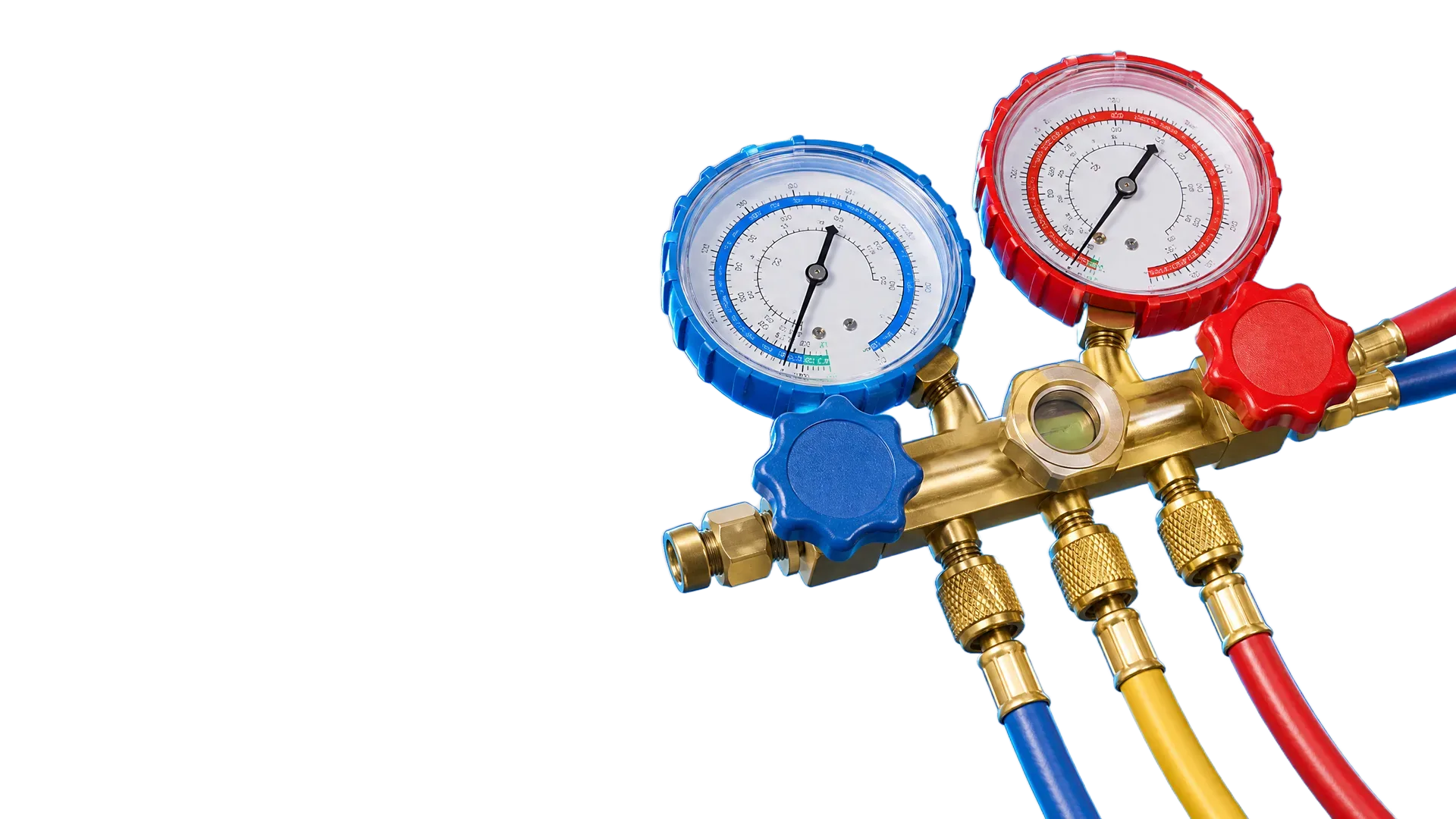
What a failing heat pump actually sounds and feels like
A heat pump that needs attention rarely just shuts off. It tells you first. Warm air out of the vents during a heating cycle, or cool air that is not quite cool enough, usually means the system is running but struggling, not broken outright. Short cycling, where it kicks on and off in quick bursts instead of running a full cycle, points to a control issue or a refrigerant charge that is off. A unit that runs and runs without ever reaching the set temperature is often low on charge or losing the fight against a coil that is not transferring heat the way it should. Listen to it too. A hard clunk when it switches between heating and cooling is often the reversing valve. Grinding or squealing from the outdoor unit points to the fan motor or a bearing going bad. Ice building up on the outdoor coil and staying there during a heating cycle means defrost is not doing its job. And if the system trips its breaker or shuts itself off on its own, that is the unit protecting itself from something, not a glitch to reset and ignore.

A few things are worth checking before anyone comes out. Look at the thermostat first. Make sure it is set to heat or cool as intended and the set point is actually past room temperature, since a setting bumped by accident looks exactly like a system that will not respond. Check the air filter next. A filter clogged with dust chokes airflow across the indoor coil, and that alone can cause warm air in heating mode, weak cooling, or a coil that ices over. Walk outside and look at the outdoor unit. Leaves, grass clippings or a cover crowding the sides block airflow the same way a dirty filter does.
Check the breaker panel too. A heat pump that will not come on at all sometimes just needs a tripped breaker reset, though if it trips again right away, leave it off and call someone. Ice on the outdoor unit is worth watching. If it is there during a heating cycle and does not clear on its own after a while, that points to a defrost problem, not something to chip off by hand. Check whether the outdoor fan is spinning when the system is running. If the unit is humming but the fan is not turning, shut the system off at the thermostat rather than let it keep trying. Refrigerant lines, the compressor and anything behind the outdoor panels are not for a homeowner to open. Those need gauges and training.
A heat pump running on borrowed time in Texas heat and cold deserves a real diagnosis, not a guess.
Tell us about the job
Takes about a minute. No obligation.
Fill out the form and hear from a licensed contractor who works on heat pumps in Texas.