


Texas Cooling Help
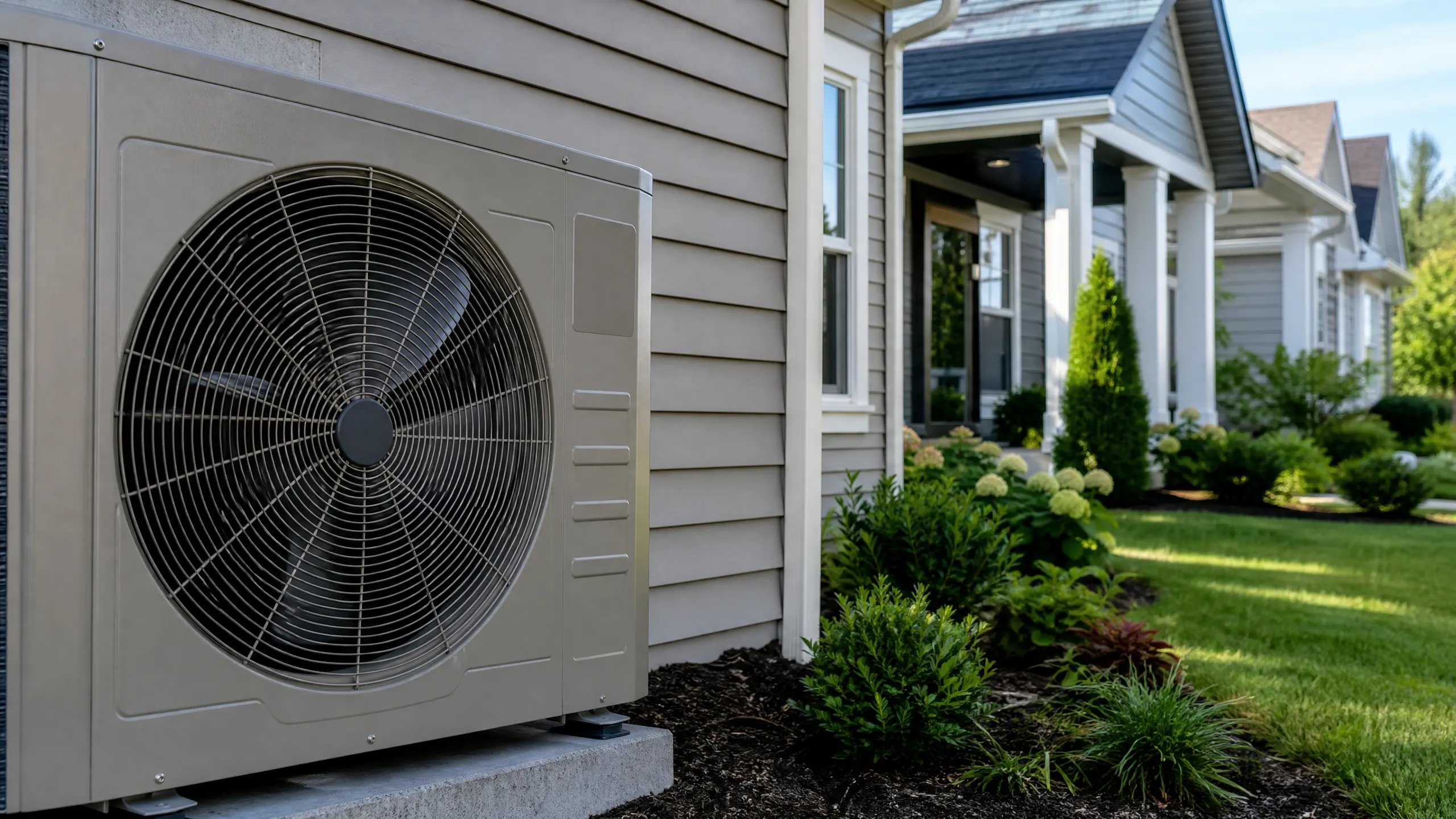
A large outdoor air-conditioning unit mounted beside a vinyl-sided house, surrounded by mulched garden beds and green shrubs.

Heat Pump Repair in Weatherford, TX

Tell us about the job

Takes about a minute. No obligation.

Step 1 of 3: Equipment

Air coming out of the vents that feels cool instead of warm does not always mean the heat pump is broken. It can mean the system has switched to backup heat, which feels different from the heat pump running normally. Ice on the outdoor unit is normal in small amounts, but a heavy coat of frost that does not clear during the defrost cycle points to a failed defrost control board or a reversing valve stuck in place. A unit that switches between heating and cooling on its own, or will not switch when asked, usually has the same reversing valve problem. Short cycling, where it shuts off and restarts every few minutes instead of running a full cycle, puts extra wear on the compressor each time it happens. Grinding, clicking, or a hum with no fan movement outside means the fan motor or compressor is struggling to start. Any of these are worth having looked at before the system is asked to run through another stretch of hot or cold weather.

5 months
November through March, your system heats
6 months
May through October, it cools
36°F
the average winter night it heats against
94°F
the average summer afternoon it cools against
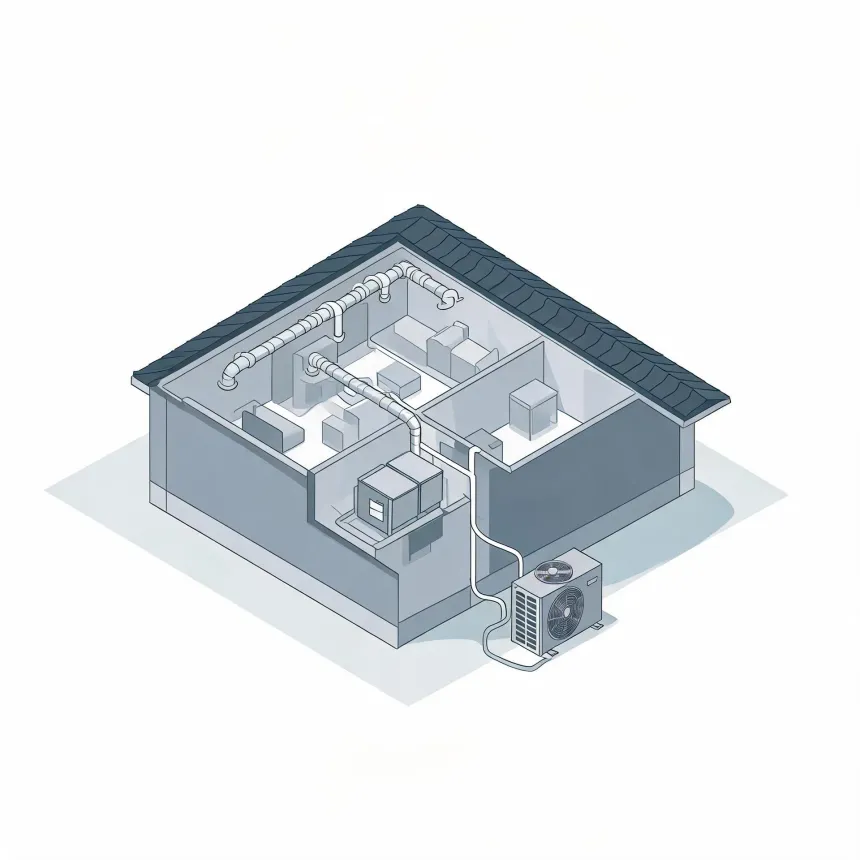
Isometric cutaway illustration of a single-story house showing interior ductwork, an indoor air handler, and an outdoor condenser unit connected by lines along the exterior wall.
Your system heats November through March and cools May through October.

NOAA nClimDiv, 1991–2020 normals

Half the homes in Parker County were built in 2002 or later.

A heat pump that age still has years left in it, so a repair call makes more sense than a replacement call.

Heat pumps here work in both directions, so November and May are when a weak part gives out

Cooling runs May through October
Heat runs November through March
113 hail events from 2015 to 2024

Most heat pump problems in Weatherford come down to a part wearing out, not the system being pushed past what it can handle. Texas homeowners paid 14.94 cents per kilowatt-hour in 2024, so a repair gets the heat pump back to running the way it's supposed to without adding a bigger bill on top of the service call. A failed capacitor, a worn contactor, a low refrigerant charge, these are common faults in any heat pump, in any county. Nothing about Weatherford's weather wears a heat pump down faster than normal. When one quits or starts acting up, the fix is almost always the same one a tech would make anywhere else.

Repair it

If your system came with a newer house, it likely has plenty of life left. Repair is usually the right call.

Find a contractor
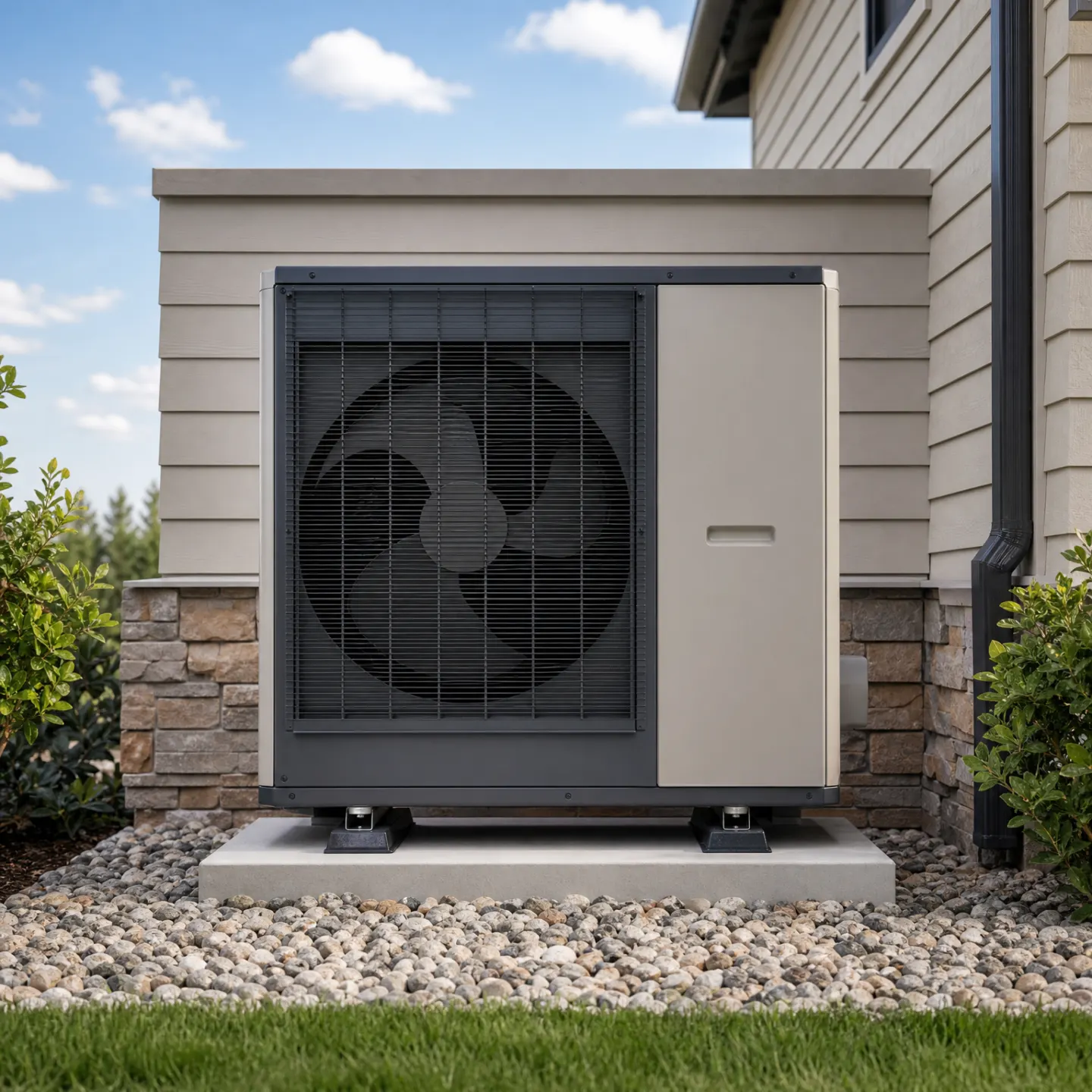
A gray heat pump outdoor unit mounted on a concrete pad next to the stone-accented exterior wall of a house.

Worth a repair call before a replacement quote

If the heat pump giving you trouble came with the house and the house is newer, get it looked at rather than priced for replacement. A technician can check the compressor and the board behind the cover panel before anything gets written off as too old to fix.

The reversing valve wears from constant switching

Every time a heat pump changes between heating and cooling, the reversing valve shifts a slide inside its body. That slide moves thousands of times over the life of the unit, and the seals around it are what eventually give out. Once a valve starts leaking internally, the system loses the ability to switch cleanly, and refrigerant goes where it isn't supposed to.
A worn part rarely takes the whole system down at once

A bad capacitor keeps a motor from starting strong, a weak contactor causes the outdoor unit to hesitate or not kick on, a low refrigerant charge makes the system run long without reaching the temperature asked of it. Each of these shows up as the heat pump working harder or less effectively, not as a dead system. Catching the worn part early keeps it from taking the compressor down with it.

Before calling anyone, check the thermostat first. Make sure it's set to heat and not fan only, and that the set temperature is actually above room temperature. Go outside and look at the unit. Clear away leaves, mulch or anything stacked against it, since the outdoor coil needs open air moving through it to work at all. Check the filter. A filter clogged with dust chokes airflow and can make a perfectly good system seem like it's failing. Look at the breaker box too. A heat pump that won't start at all sometimes just has a tripped breaker, and resetting it is worth trying before anything else. If the outdoor fan is spinning but no air comes out warm, or the system runs without ever catching up to the set temperature, that's past what a homeowner can fix at the panel.

A diagnostic visit starts outside at the unit itself. A technician checks the refrigerant charge with gauges, since a system low on charge will run long and never quite catch up to the set temperature. The capacitor gets tested under load, not just looked at, because a capacitor can read fine sitting still and still fail to kick the compressor on. The contactor gets checked for pitting, since a pitted contactor is why an outdoor unit sometimes hesitates before starting. The reversing valve gets tested by switching the system between heating and cooling to see if it responds cleanly or sticks. The defrost control board gets checked too, especially if frost has been building up outside without clearing. Each part either passes or it doesn't, and the failed one is usually what gets replaced that same visit.