



Texas Cooling Help
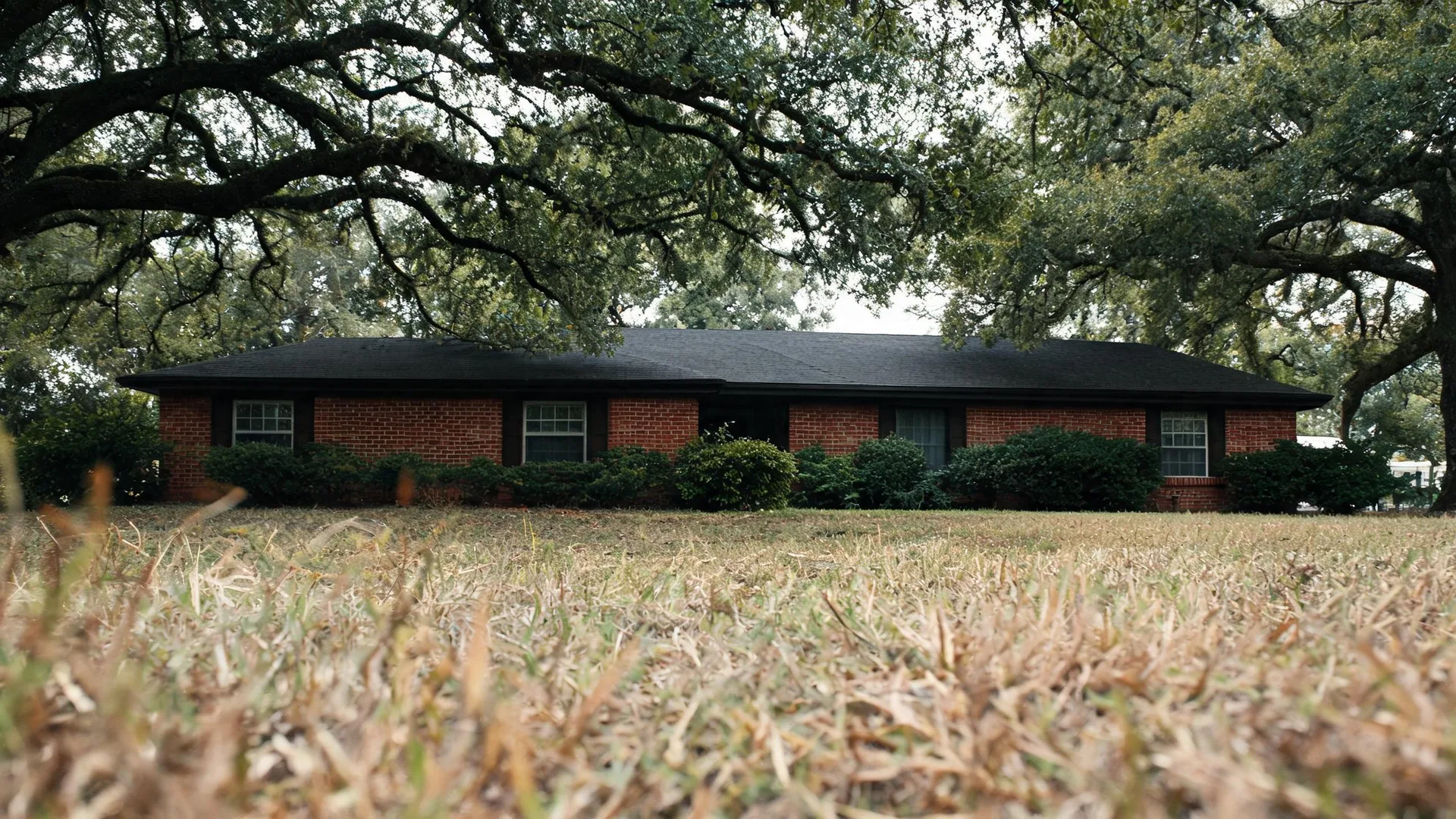
A single-story red brick ranch house with a dark roof, framed by overhanging oak branches, behind a dry grass lawn shot from ground level.

Heat Pump Repair in Killeen, TX

Tell us about the job

Takes about a minute. No obligation.

Step 1 of 3: Equipment

Hail is part of life in Bell County. The area logged 116 hail events between 2015 and 2024, and the outdoor unit of your heat pump sits right outside taking that along with everything else. A dented cabinet is one thing, but hail that bends the fins on the coil chokes off airflow, and that makes the whole system work harder to move the same amount of heat. If your heat pump is running longer cycles than it used to, or short cycling and never quite catching up, that kind of damage is worth ruling out. A tech can tell you whether the coil is restricted or something else is going on, and fix the actual problem instead of a guess.

5 months
November through March, your system heats
7 months
April through October, it cools
39°F
the average winter night it heats against
95°F
the average summer afternoon it cools against
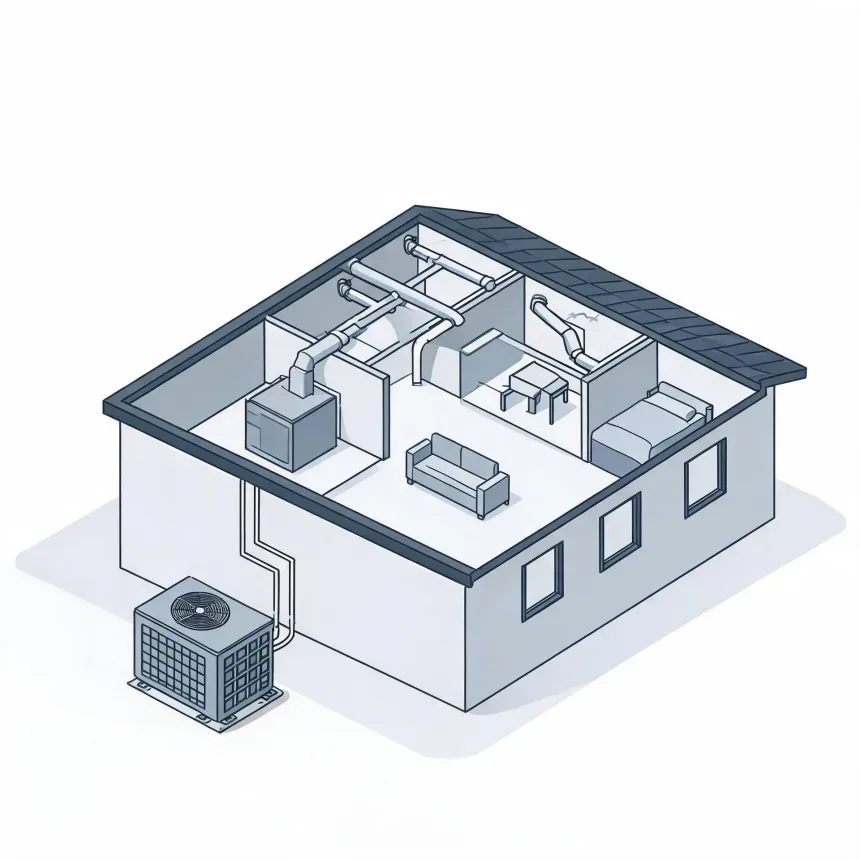
Isometric line illustration of a cutaway single-story house showing interior rooms with ducted air distribution, an indoor air handler, furniture, and an outdoor condenser unit connected by lines outside the wall.
Your system heats November through March and cools April through October.

NOAA nClimDiv, 1991–2020 normals

Heat pumps in Bell County switch over to heat in November, after running cooling since April.

The first cold snap finds whatever the coil or the compressor was already hiding.

Bell County sees 177 severe weather events a decade, and that outdoor unit sits through all of it

177 severe weather events from 2015 to 2024
33% of homes statewide lost power a day or more in 2024
44 damaging wind events from 2015 to 2024
Killeen, TXElectricity here runs 14.94 cents per kilowatt-hour, so a heat pump losing efficiency costs you more every month it runs that way.

Half the homes in Bell County were built in 1996 or later, so there's a good chance yours is one of them. A heat pump that came with a newer house hasn't had to fight hail and heat waves for decades yet. That matters when you're deciding what to do about a breakdown. A compressor or coil problem in a system that age is usually a repair, not a reason to replace the whole unit. The house being newer doesn't mean nothing can go wrong, it means whatever's wrong probably isn't old age.

Have the coil checked first

Get the coil checked before you decide anything else about this repair. Hail damage narrows down what a tech has to look at, and a straight answer on the coil tells you whether that's the fix or whether to keep looking.

Find a contractor
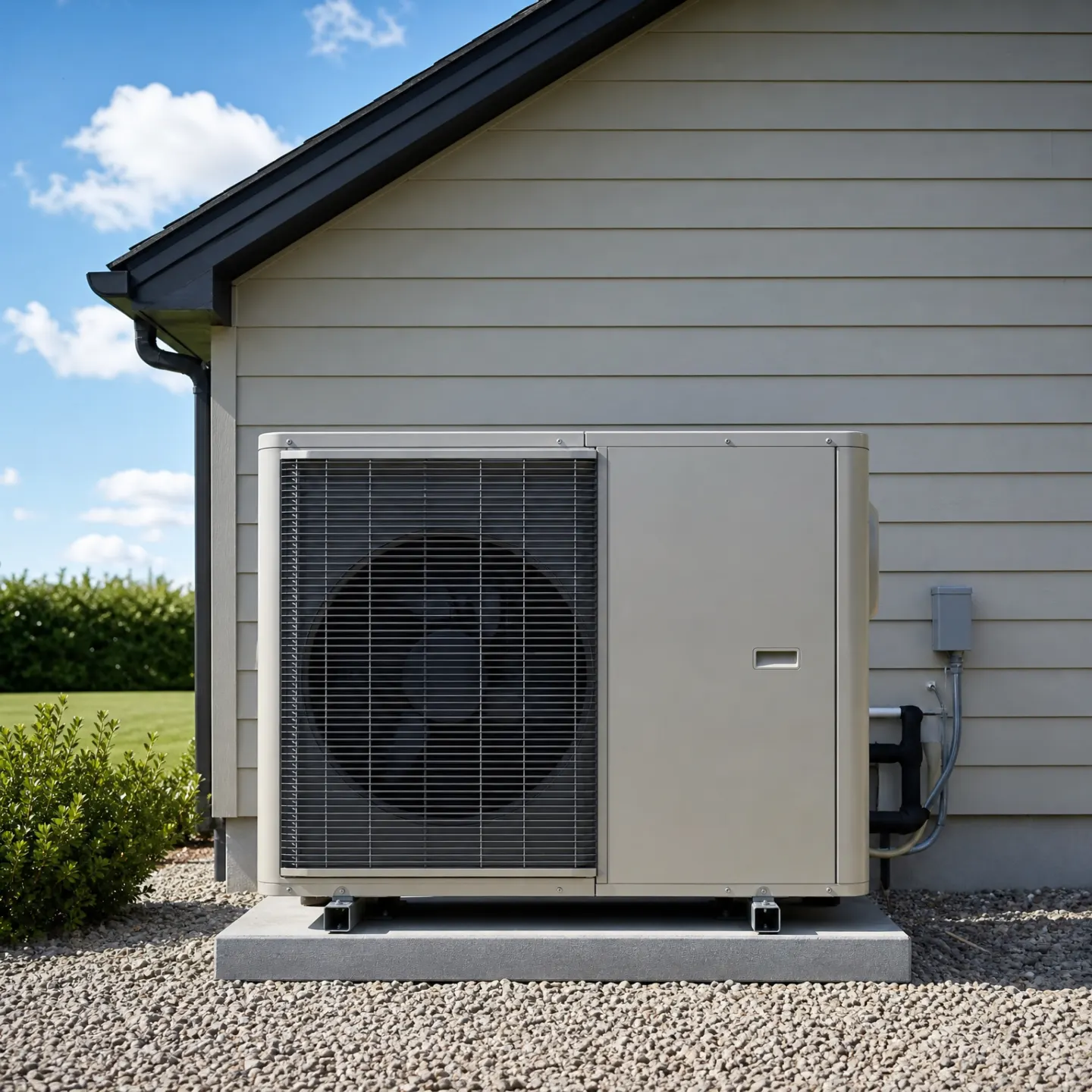
A residential heat pump outdoor unit mounted on a concrete pad next to a house with gray vinyl siding.

Find the install date before you decide

If the heat pump came with the house, the install date is probably on a sticker on the unit itself, and it's worth finding before you decide anything. A system that's only run a handful of years hasn't put in the cycles that wear out a compressor or crack a coil, so a repair gets you a lot more life for the money. That calculus changes once a unit's been running for a decade or more, especially one that's been through the hail and heat this area gets. The house's age only gets you to a good guess. The sticker gets you the real number.

What you can check outside

Look at the outdoor unit before you call anyone. Clear away leaves, grass clippings or anything stacked against it, since the coil needs open air moving through it to work at all. Check that the fan on top spins freely and isn't grinding or rattling. Look at the coil itself, the fins running around the outside, for crushed or bent spots blocking airflow. None of this tells you what's broken, but it rules out the easy stuff before you pay someone to find it.
What you can check inside

Pull the filter and hold it up to a light. If you can't see through it, air isn't getting through it either, and that alone can make a heat pump run constantly without ever catching up. Check the thermostat is set to heat, not auto or cool, since a wrong setting looks exactly like a breakdown. Walk around and check every vent is open and nothing's been pushed in front of one. If the system still won't keep up after all that, the problem is past what you can see from the outside.

A heat pump that's struggling doesn't fix itself by staying on. If the coil is restricted or the charge is low, the compressor still tries to hit the setpoint, so it runs longer and works harder each cycle instead of shutting off and resting. That extra strain is what turns a worn part into a failed one. A compressor overheats when it keeps pushing against a problem that isn't going away, and a failed compressor is a much bigger job than whatever started it. Shutting the system off and calling someone beats letting it run while you decide.

A diagnostic starts outside at the unit, not inside with the thermostat. The tech checks refrigerant pressure first, because a low charge shows up on the gauges before it shows up as anything you'd notice. From there it's the compressor amp draw, the condition of the coil fins, and whether the fan motor is pulling the current it's supposed to. Inside, they'll check the air handler for the same airflow problems you can spot yourself, a dirty filter or a blocked vent, since those get ruled out before anything gets taken apart. A lot of what looks like a failing heat pump is actually something restricting airflow or charge, and that distinction is the whole point of the visit. By the end you get a part, not a guess.