Texas Cooling Help
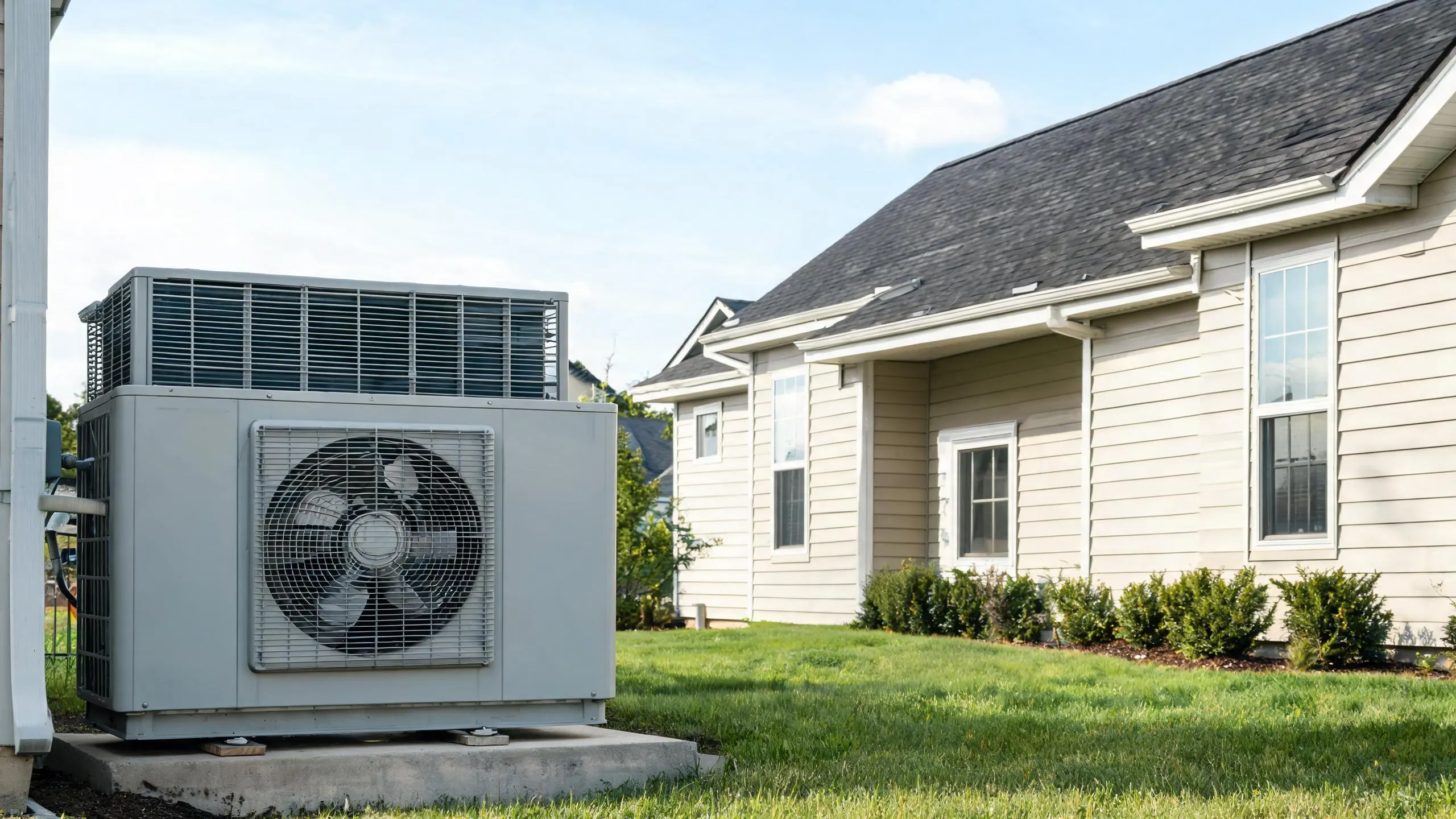
An outdoor HVAC condensing unit on a concrete pad next to a beige single-story house with a dark shingle roof.

Heat Pump Repair in New Braunfels, TX

Tell us about the job

Takes about a minute. No obligation.

Step 1 of 3: Equipment

A small fault turns into a bigger repair

A heat pump low on refrigerant keeps trying to hit the set temperature anyway, and the compressor is what pays for it. Running low charge through a compressor wears it down well before its time. A failing capacitor does the same kind of damage. It makes the motor struggle on every cycle until the motor itself gives out.

Some signs mean stop, not wait

Ice building up on the outdoor coil is a sign to shut the system off, not wait and see. Same with a breaker that trips more than once or a burning smell from the indoor unit. Letting the system keep running in those conditions can turn a part repair into a full system replacement.

5 months
November through March, your system heats
7 months
April through October, it cools
41°F
the average winter night it heats against
94°F
the average summer afternoon it cools against
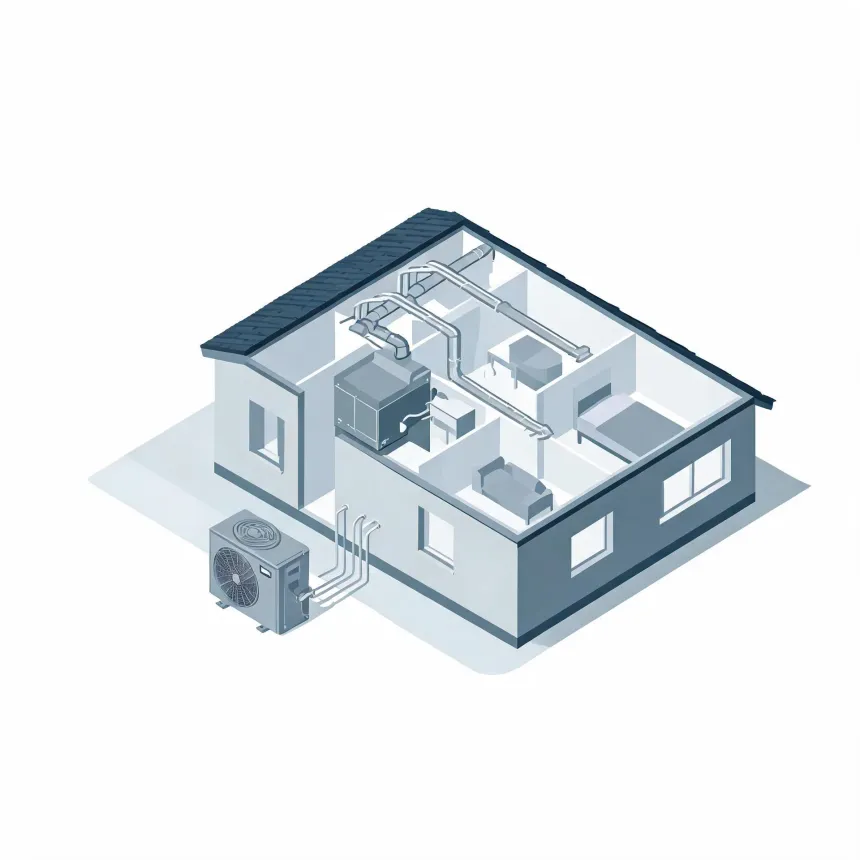
Isometric cutaway illustration of a single-story house showing interior rooms with ductwork, an indoor air handler unit, and an outdoor condenser unit connected by lines along the exterior wall.
Your system heats November through March and cools April through October.

NOAA nClimDiv, 1991–2020 normals

A heat pump that runs in short bursts all day instead of long steady cycles is struggling to satisfy the thermostat.

Short cycling like that wears down the compressor and the contactor faster than normal use ever would.

October asks a heat pump to switch sides, and a weak part fails right there

Cooling runs April through October
Heat runs November through March
Power costs 14.94 cents a kWh statewide

The age of the compressor is usually what decides this. A capacitor or a contactor is a small, inexpensive part, and replacing one brings a heat pump back to full working order no matter how old the system is. The compressor is different. It's the most expensive part in the unit, and once it's worn or failing, the rest of the system is only as good as that one part. A tech can tell early on which kind of repair this is. If the compressor itself is the problem, especially on a system that's already old, putting money into it is often just delaying the same decision. If it's a part around the compressor, fixing it is usually the right call.

Get it looked at early

Problems tend to show up in the first weeks of the season, when the load hits a part that was already weak.

Find a contractor
A man in a dark shirt and tan work pants carries a waxed canvas bag up wooden porch steps toward an orange front door, with a potted shrub to the right.
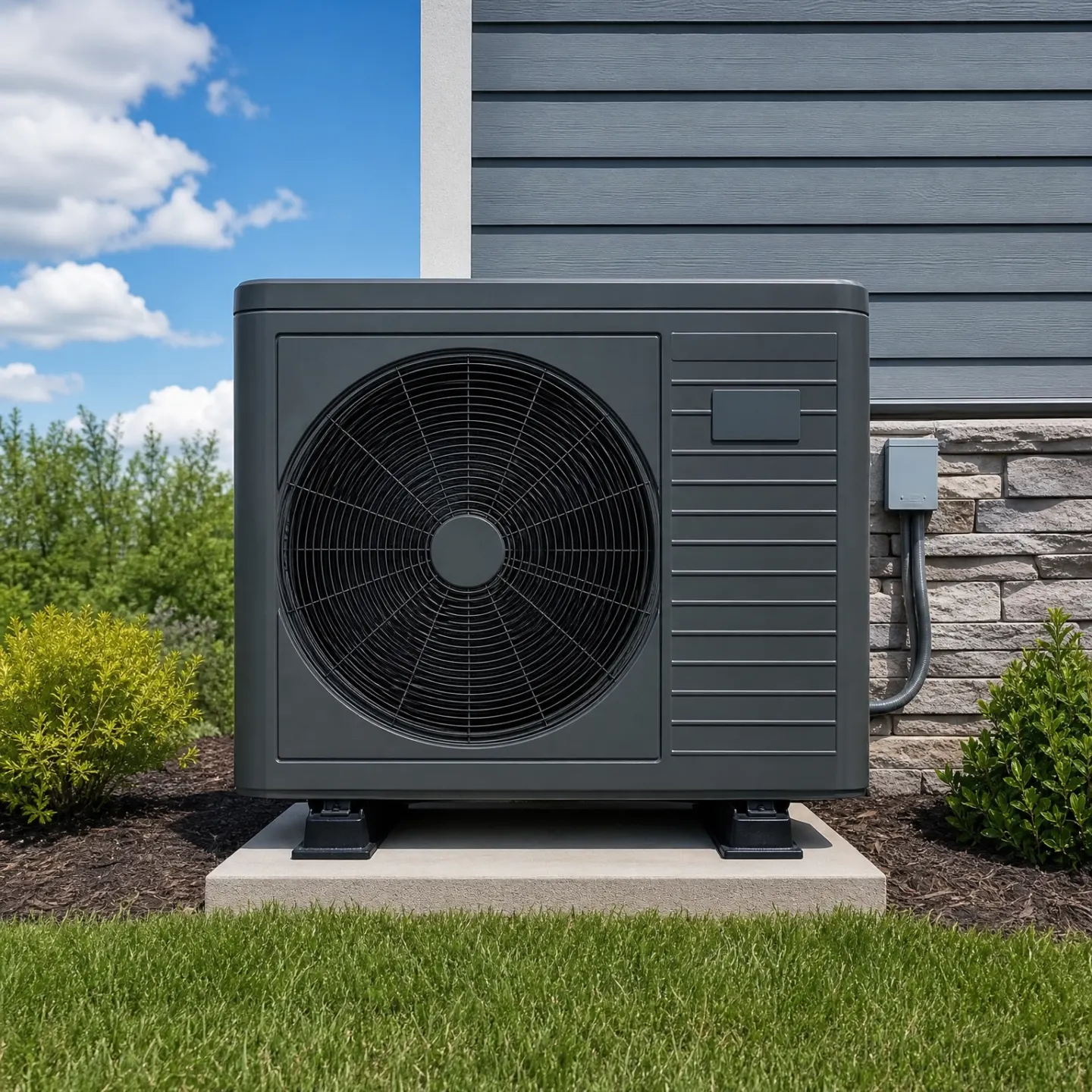
A dark gray heat pump unit mounted on a concrete pad next to a house with gray siding and a stone veneer wall.

A newer house usually means a newer system

Half the homes in Comal County were built in 2005 or later. If yours is one of them, the heat pump itself may still be the original, or close to it, with most of its working life still ahead. That changes the math on a repair. A compressor doesn't wear out on a schedule, but fewer years of hard cycles means less wear to start with. Ask the tech straight out whether this is a part around the compressor or the compressor itself.

Nothing unusual is going on here

New Braunfels doesn't put any special strain on a heat pump. It's the same machine doing the same job it does everywhere else, and when one breaks here, it's almost always a capacitor, a contactor, or a refrigerant leak. Nothing about the area changes that.

What that means for the bill

Electricity in Texas ran 14.94 cents per kilowatt-hour in 2024. A heat pump low on charge or struggling on a bad capacitor pulls more power to do the same job, so a small worn part can show up on the electric bill before it shows up as a breakdown.

Before calling anyone, look at the thermostat setting against what the house actually feels like. If it's set to heat but the air coming out feels cool, let it run a few minutes and check again, since heat pumps don't blow air as hot as a furnace does. Check the outdoor unit for ice on the coil or anything blocking airflow around it, leaves, a cover, anything packed against the sides. Look at the breaker panel to see if anything tripped. Change the air filter if it's been a while, a clogged filter restricts airflow and can make a healthy system act like a broken one. If the outdoor unit isn't running at all, make sure nothing cut power to it at a nearby disconnect box. None of this fixes a bad capacitor or a refrigerant leak, but it rules out the simple stuff first.

A diagnostic visit starts outside at the unit itself, not with a clipboard. A tech checks refrigerant pressure, looks at the capacitor and contactor, and watches how the compressor behaves when it kicks on. Electrical readings catch a lot of this early, a motor drawing more current than it should, a capacitor reading weak before it fails outright. Airflow gets checked too, since a return that's choked or a coil packed with ice can mimic a much bigger problem. The point of all this is to find which part is actually failing before anything gets replaced. Guessing leads to swapped parts that didn't need swapping, and a system that still doesn't work right.