



Texas Cooling Help
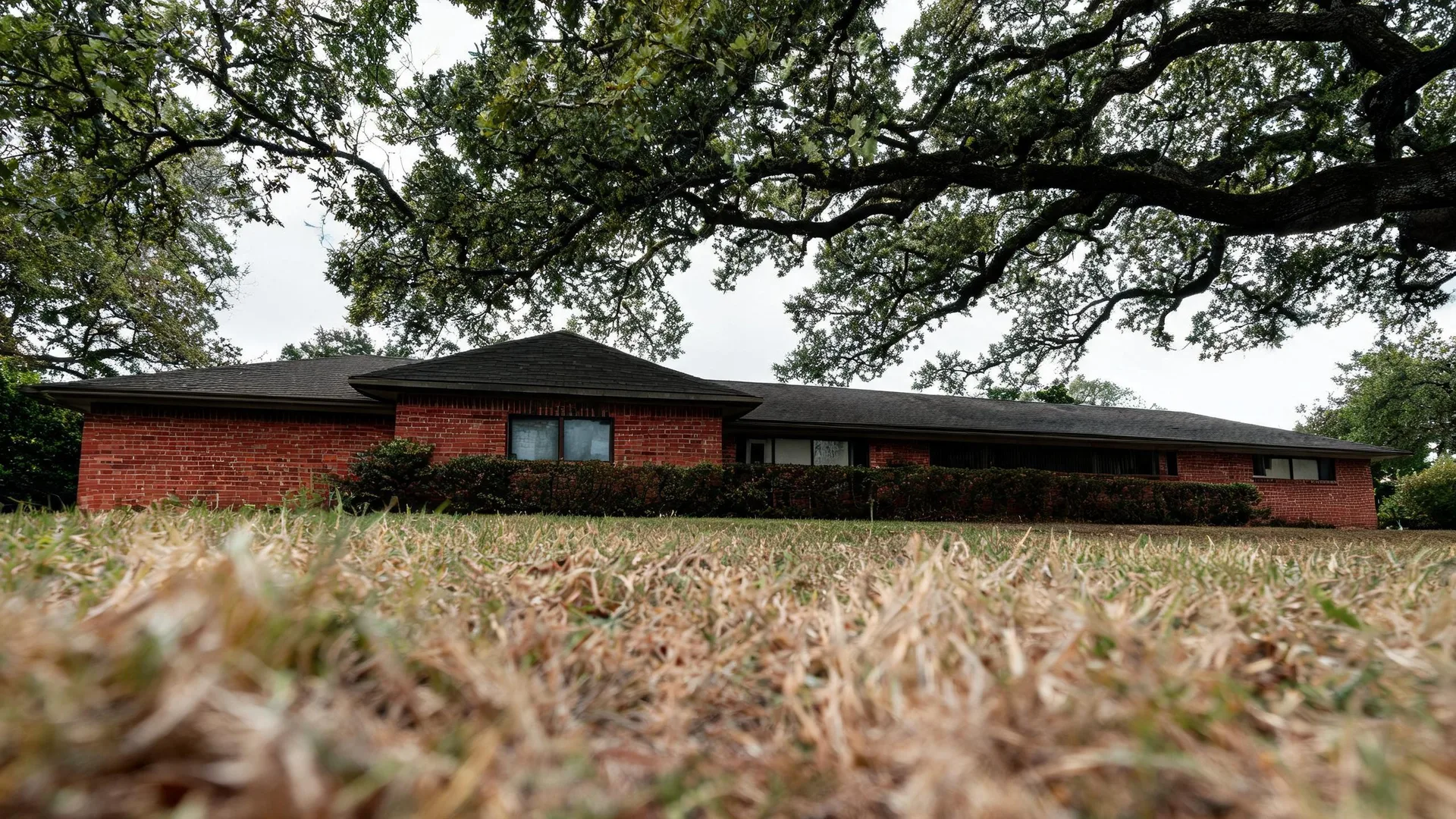
Low-angle view across a dry brown lawn toward a single-story red brick house with dark shingled roof, framed by large overhanging oak branches under an overcast sky.

Heat Pump Repair in Waxahachie, TX

Tell us about the job

Takes about a minute. No obligation.

Step 1 of 3: Equipment

A heat pump outside in Waxahachie takes a beating, and not just from heat and cold. Ellis County saw 133 hail events between 2015 and 2024, and every one of those is a chance for the outdoor unit to take a hit. Hail bends the fins on the coil, and bent fins choke off airflow the system needs to work right. A unit that's been through a few storms can run down well before it should, and the cause isn't always obvious from a quick look. If your heat pump is struggling, it's worth having someone check the coil and the fins, not just the parts that are easy to get to.

5 months
November through March, your system heats
6 months
May through October, it cools
38°F
the average winter night it heats against
94°F
the average summer afternoon it cools against
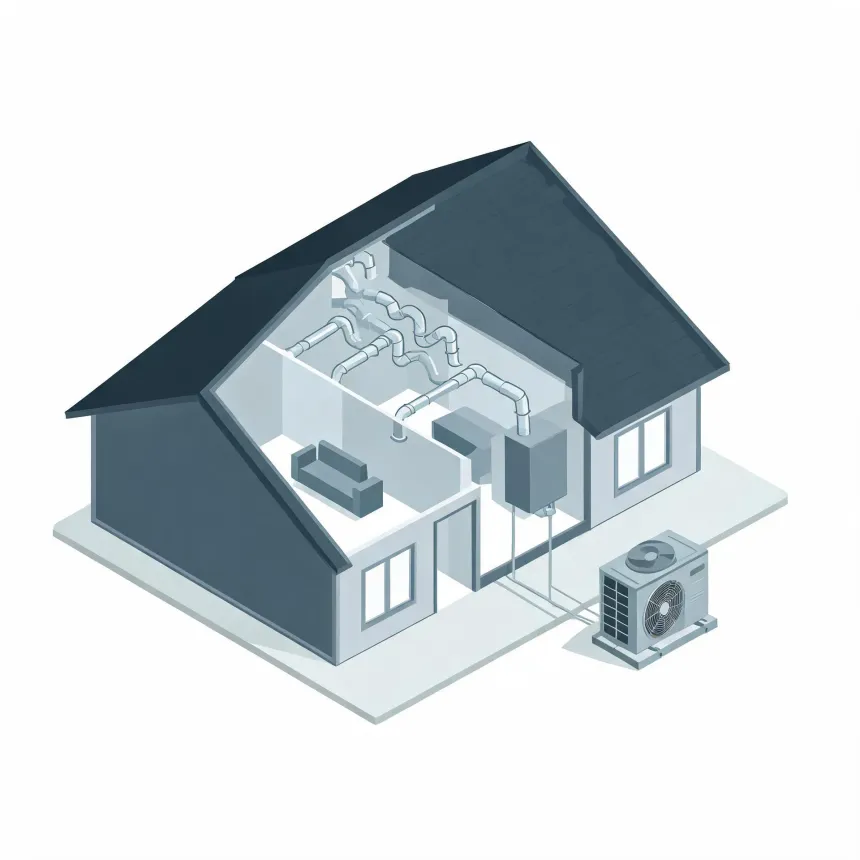
Isometric cutaway illustration of a house showing interior ductwork, an indoor air handler unit, and an outdoor condenser unit beside the building.
Your system heats November through March and cools May through October.

NOAA nClimDiv, 1991–2020 normals

November is the first month heat runs here.

Whatever your heat pump has been hiding since spring shows up the first cold snap.

Ellis County sees more storms than most counties ever will

196 severe weather events from 2015 to 2024
33% of homes statewide lost power a day or more in 2024
43 damaging wind events from 2015 to 2024

Most heat pump problems in Waxahachie are not storm damage. They are the same wear every heat pump sees, like a capacitor going weak or a contactor pitting after years of cycling on and off. That matters here because of what it costs to run one. Texas homes paid about 14.94 cents per kilowatt-hour in 2024, and a heat pump losing efficiency from a worn part burns more of that every month it goes unfixed. The fix is usually straightforward once a contractor gets the panel off and checks the electrical components, not just the coil.

Half the homes in Ellis County were built in 2002 or later

If your heat pump came with the house, there's a good chance age isn't the problem. Half the homes in Ellis County were built in 2002 or later, and a system that age still has plenty of working life left in it. A weak capacitor or a pitted contactor is a repair, not a reason to replace a unit that's barely middle aged.

Find a contractor
A man in a dark shirt and tan pants carries a waxed canvas tool bag up porch steps toward an orange front door, with a potted olive tree beside the entry.
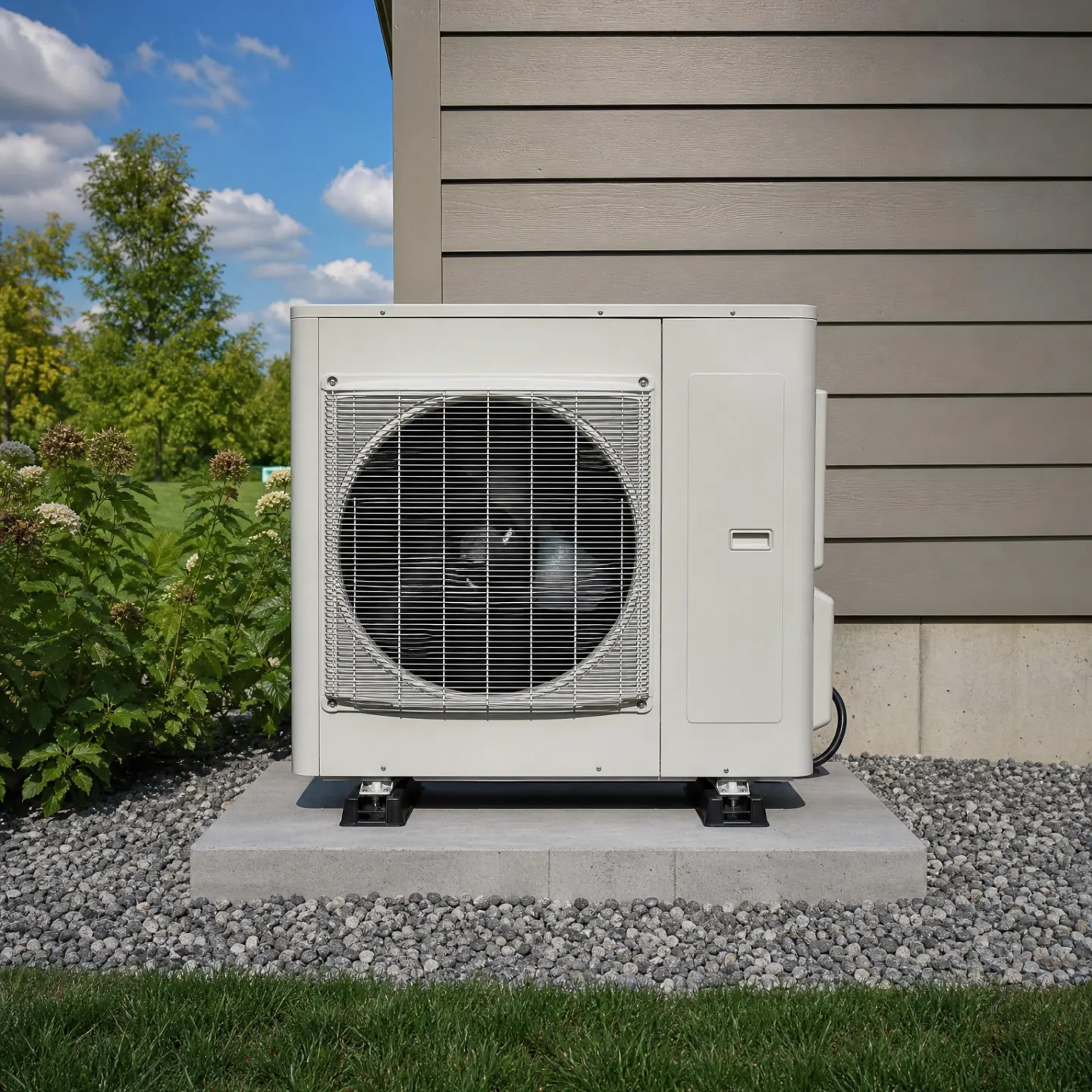
A white mini-split heat pump outdoor unit mounted on a concrete pad beside a gray-sided house, surrounded by gravel and green shrubs.

It runs all year, and a damaged coil never gets a rest

This runs most of the year here, cooling through the summer and carrying the heat load once it turns cold. That's a lot of hours on the coil, and a coil that took hail damage years ago doesn't get a break to show it. The bent fins keep choking airflow every single cycle, not just when a storm rolls through. If yours has been running long hours without a real look at the coil, have someone check it before the wear turns into a breakdown.

The reversing valve is the part a plain AC never had

A heat pump has a reversing valve that switches it between heating and cooling, and that part has no equivalent in a regular air conditioner. When it sticks, the system can get stuck in one mode, blowing cool air when it should be heating, or it won't switch at all. A stuck reversing valve is one of the more common reasons a heat pump stops heating even though the outdoor unit is still running.
The defrost cycle is where a lot of heat pumps fail

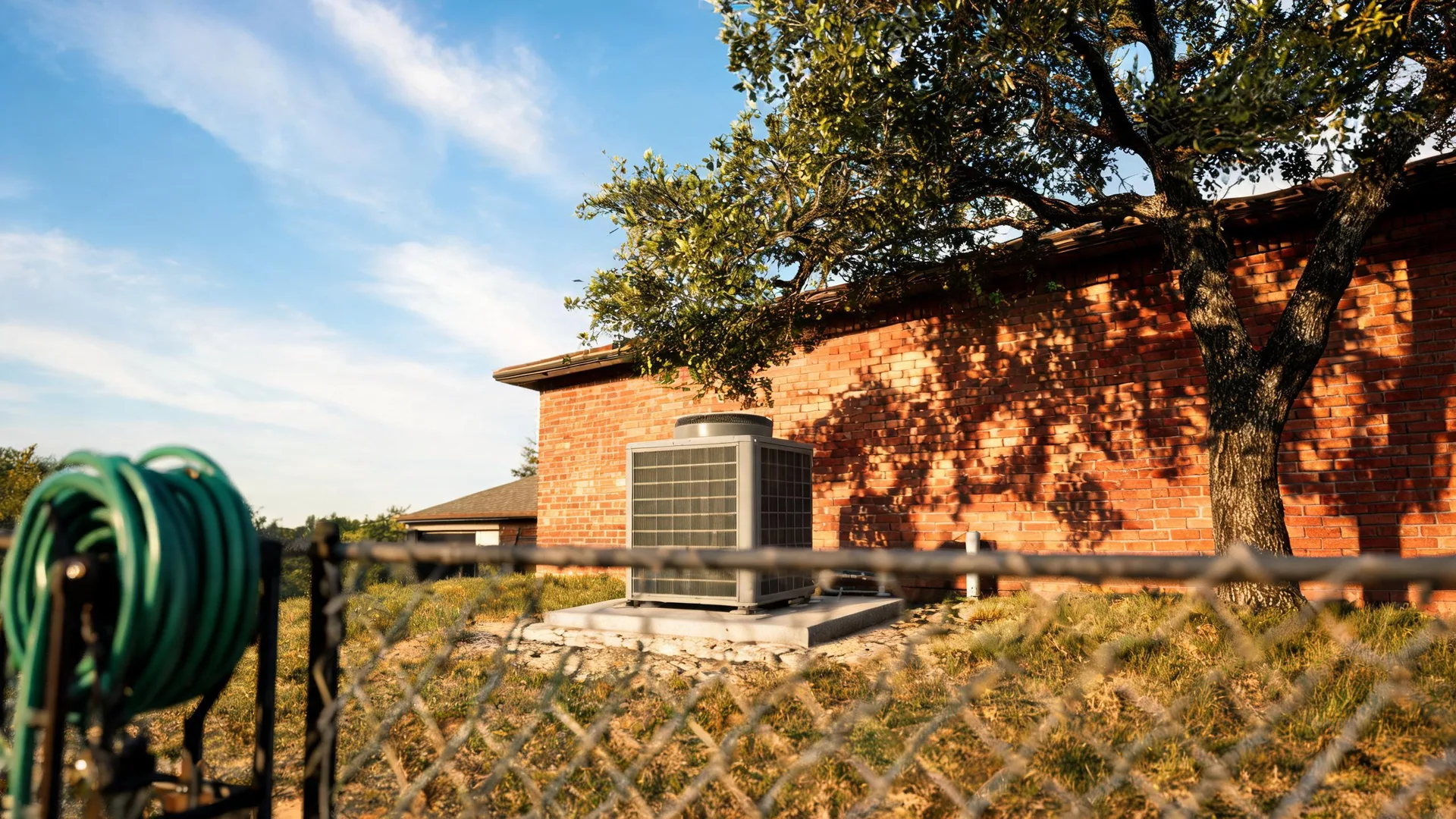
In cold weather, a heat pump has to melt frost off the outdoor coil on a regular cycle, and that depends on a defrost thermostat or sensor doing its job. When that sensor fails, frost builds up on the coil and chokes airflow the same way bent fins do, except now it's getting worse every cycle instead of staying the same. A unit that ices over outside in cold weather usually has a defrost problem, not a refrigerant problem.

A heat pump that's struggling doesn't fix itself by staying on. A weak capacitor makes the compressor work harder to start each cycle, and that strain is what kills a compressor early. A failing contactor arcs a little more each time it closes, and that pitting only gets worse with more cycles, never better. Low refrigerant from a slow leak means the compressor runs hotter than it should, every single cycle, until it burns out. None of these fix themselves by running longer. The part that's already failing just fails faster, and it usually takes the compressor down with it when it finally goes.

A compressor failure is usually the line between repair and replacement. The compressor is sealed, and nobody opens it up to fix what's inside it. If it's seized or shorted, the whole outdoor unit gets replaced, not just that part. Everything else on a heat pump, the capacitor, the contactor, the reversing valve, the defrost sensor, gets swapped out on its own without touching the rest of the system. A heat pump that starts, runs, and holds steady is worth fixing almost every time. One that hums and trips the breaker without starting, or won't start at all, is a different conversation, and that's true no matter how old the unit is.