


Texas Cooling Help
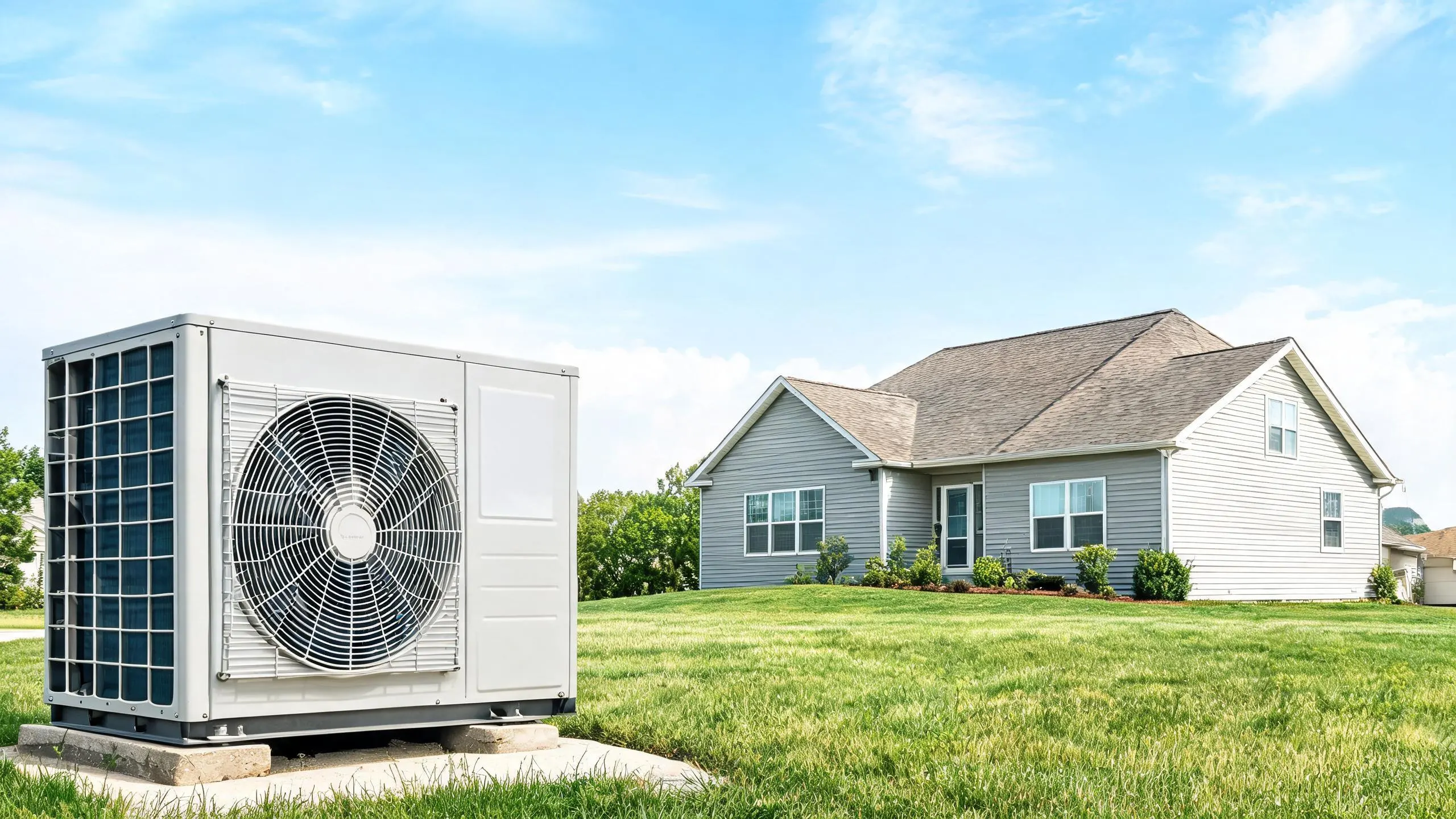
An outdoor HVAC condenser unit on a concrete pad in front of a single-story house with gray siding and a shingle roof.

Heat Pump Repair in Pearland, TX

Tell us about the job

Takes about a minute. No obligation.

Step 1 of 3: Equipment

Most heat pump failures trace back to a handful of usual suspects. The reversing valve sticks, and the system gets stuck in one mode when it should switch between heating and cooling. The defrost control board fails, so the outdoor coil ices over and never gets the signal to clear itself. A capacitor weakens and the compressor or fan motor struggles to start, drawing harder each time until it gives out. Low refrigerant from a slow leak forces the compressor to work past what it's built for, and that shortens its life fast. The outdoor unit also takes a beating just sitting outside, so dirt and debris choke the coil and airflow drops, pushing every part of the system harder than it should have to work.

3 months
December through February, your system heats
7 months
April through October, it cools
47°F
the average winter night it heats against
91°F
the average summer afternoon it cools against
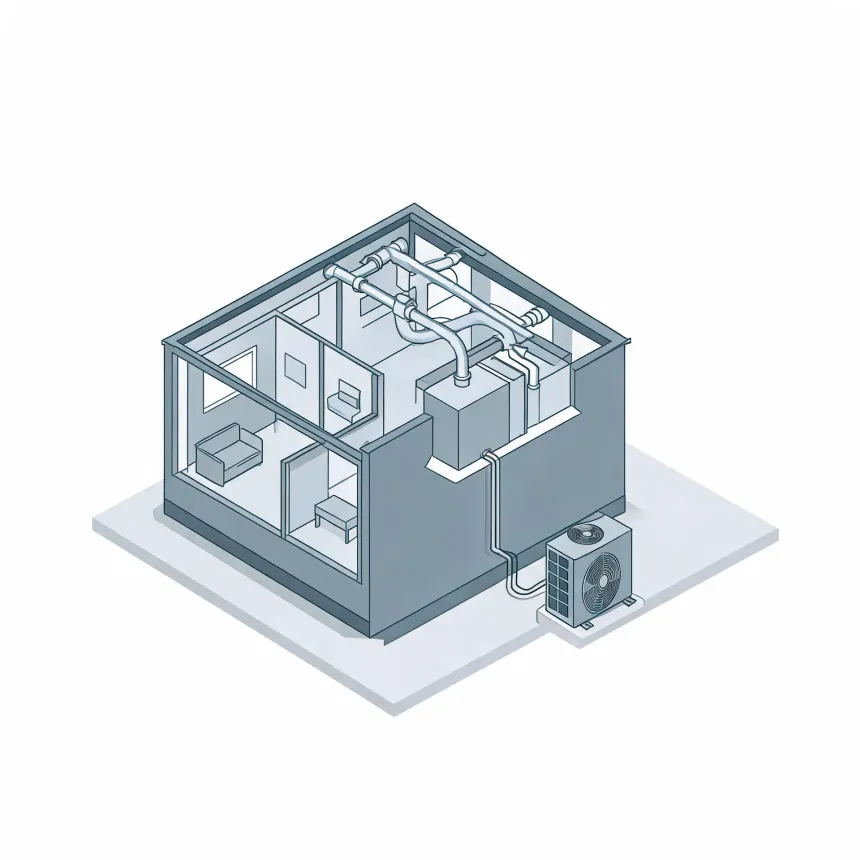
Isometric line illustration of a cutaway house showing interior rooms with furniture, ceiling ductwork connected to an indoor air handler, and refrigerant lines running to an outdoor condenser unit on a pad.
Your system heats December through February and cools April through October.

NOAA nClimDiv, 1991–2020 normals

Heat pumps in Pearland switch over to heating in December.

November is the month to get a stressed part looked at, before the first cold snap finds it.

Half the homes in Pearland were built in 1996 or later

Half the homes here were built by 1996
Power costs 14.94 cents a kWh statewide
Climate zone 2A

Brazoria County saw 124 severe weather events between 2015 and 2024, and damaging wind was behind most of them. An outdoor heat pump unit sits out in that every year. Hail dents the fins and bends the coil in ways you can't always see from a few feet back. Wind throws branches and debris into the cabinet, and that can nick a coil or jam the fan without stopping the unit from running. A heat pump that still turns on after a storm isn't the same as one that came through it fine. If your area took hail or a bad wind event recently, it's worth having the outdoor unit looked at before you rely on it for the first cold morning.

A newer system is usually worth repairing

A heat pump that came with a newer build hasn't put in the years that wear out a compressor or a control board. One stressed part usually points to a fix, not a replacement. Worth having it looked at and repaired rather than written off.

Find a contractor
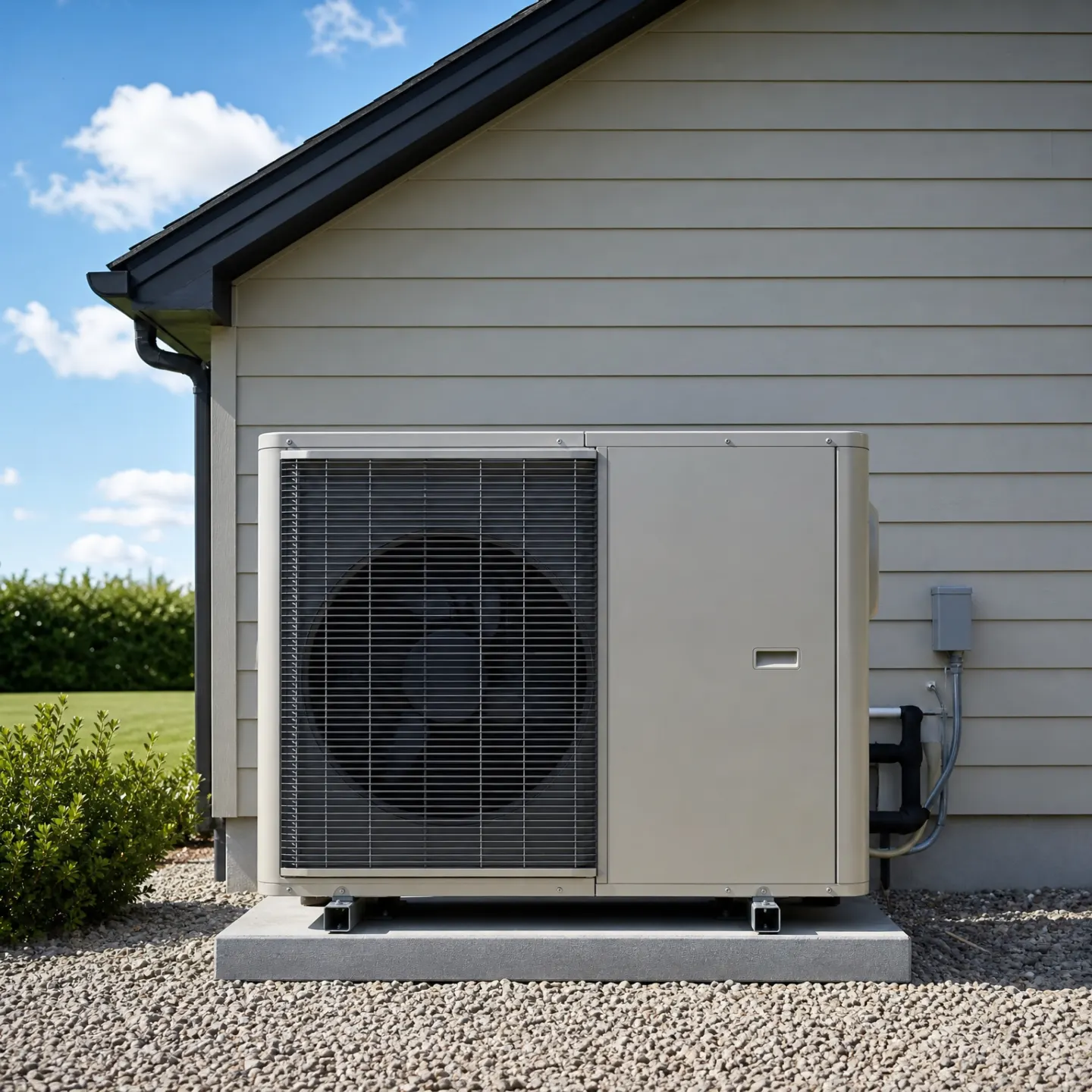
A residential heat pump outdoor unit mounted on a concrete pad next to a house with gray vinyl siding.

The wear doesn't stop for the season

A heat pump doesn't get a season off. It cools the house all summer, then switches direction and pulls heat from the outside air all winter, so the compressor and the outdoor coil stay busy either way. That switching back and forth is what wears on the reversing valve, and it's often the first part to act up. You'll notice warm air coming out when you asked for cool, or the system stuck in one mode no matter what the thermostat says. A short cycle, where the unit kicks on and off every few minutes instead of running a full cycle, usually points to an electrical problem, and it puts more strain on the compressor than steady running does. Some frost on the outdoor coil during cold weather is normal, and it should clear on its own within a short defrost cycle. Frost that stays, or builds up thick across the coil, means the defrost control isn't sending the signal it should. None of these signs clear up by running the system more. Left alone, they put more hours of strain on the compressor, and the compressor is the part you don't want to lose.

A weak capacitor draws harder every time it starts

A capacitor that's lost its charge still gets the compressor started most of the time, just slower, with a harder pull. Each hard start heats the windings a bit more than the last one did. Keep running it that way and the compressor is doing the wearing, not the capacitor.
Low refrigerant does not get better with more run time

A slow leak stays a slow leak no matter how many hours the system runs. With less refrigerant the compressor has to work harder to move the same heat, and it runs hotter doing it. That heat is what shortens a compressor's life, faster the longer it keeps running low.

Before you call, check the thermostat first. Make sure it's set to heat, not cool, and that the set temperature is actually above room temperature. Go outside and look at the unit. If the outdoor coil is caked in ice, leave it alone and don't chip at it, but if it's just covered in leaves or grass clippings, clearing that away is safe to do yourself. Check the indoor filter. A filter clogged with dust chokes airflow and can make the system look like it's failing when it just can't breathe. Walk through the house and listen for air coming out of the vents at all. No airflow points to the blower or a duct problem rather than the heat pump itself. If the unit outside isn't running and isn't making any noise, check the breaker before assuming the worst.

A diagnostic visit starts outside at the unit itself, checking refrigerant pressure, electrical draw at the compressor and fan motor, and whether the reversing valve is actually shifting when it's told to. Inside, the tech checks the air handler, the filter, and whatever the control board is reporting, since most boards keep a fault history even after the symptom stops showing. Temperature readings at the supply and return vents tell whether the system is actually moving heat the way it should, not just running. A lot of this comes down to process of elimination. The visible stuff, ice on the coil, a tripped breaker, a dead capacitor, gets ruled in or out fast. The slower causes, like a refrigerant leak or a reversing valve that sticks only sometimes, take longer to pin down. Once the actual cause is found, you get a straight answer on whether it's worth fixing and what it'll take to do it.