




Texas Cooling Help
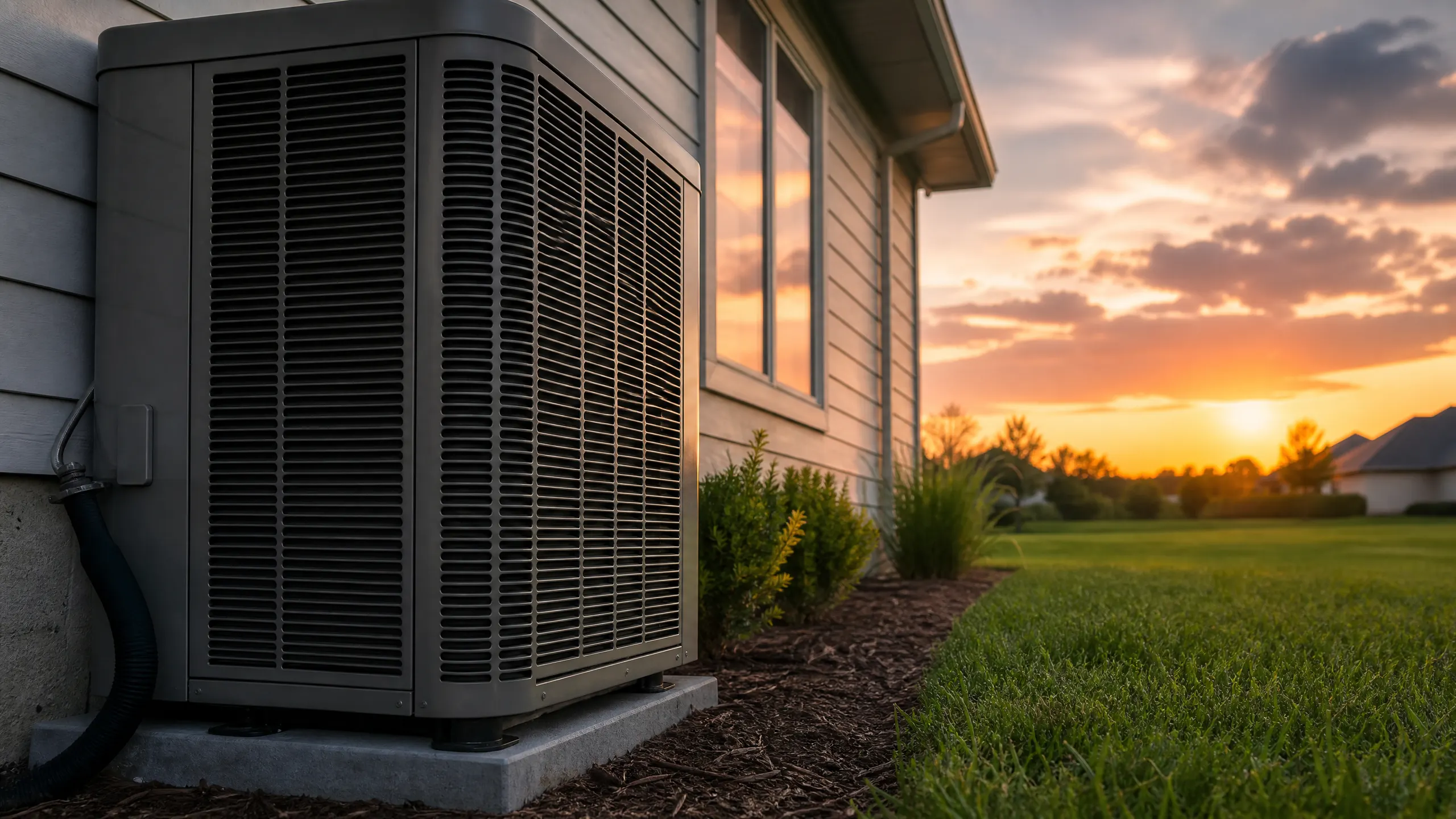
An outdoor air conditioning condenser unit mounted on a concrete pad beside a house at sunset.

Heat Pump Repair in Midland, TX

Tell us about the job

Takes about a minute. No obligation.

Step 1 of 3: Equipment

A tech starts outside at the heat pump itself, checking the compressor, the reversing valve, and the refrigerant charge. Low charge shows up as frost on the coil or weak airflow at the vents, so that gets checked early. Next comes the thermostat and the air handler inside, since a heat pump that won't switch between heating and cooling often points to a stuck reversing valve rather than anything electrical. The tech also checks the defrost cycle, because a heat pump that can't defrost itself will ice over and stop pulling heat from the outside air. Capacitors and contactors get tested too, since a weak capacitor can make the outdoor unit hum without starting. By the end, the tech can tell you what part failed, why, and whether it makes sense to repair it or plan for something bigger.

5 months
November through March, your system heats
5 months
May through September, it cools
33°F
the average winter night it heats against
95°F
the average summer afternoon it cools against
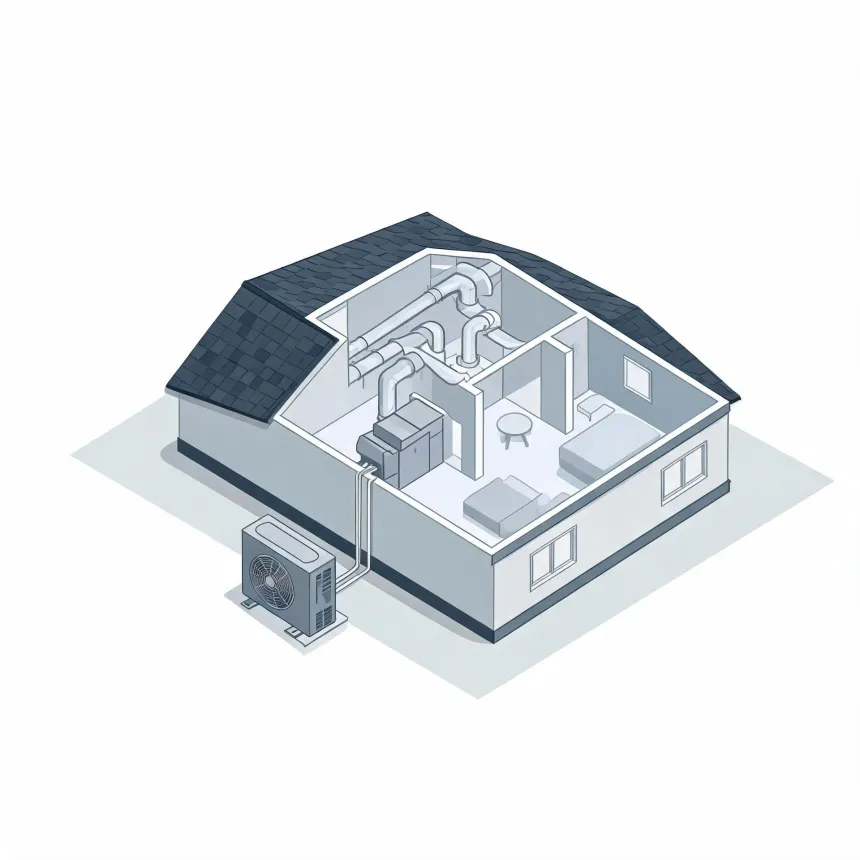
Isometric cutaway illustration of a single-story house showing interior rooms with furniture, an attic duct system connected to an indoor air handler, and an outdoor condenser unit linked by lines along the exterior wall.
Your system heats November through March and cools May through September.

NOAA nClimDiv, 1991–2020 normals

Midland County logged 154 hail events between 2015 and 2024.

A heat pump sitting outside through storms like that needs its coil and cabinet checked for dents and damage, not just the part that failed.

Your heat pump runs five months, then five more. November and May are when a weak part gives out.

Cooling runs May through September
Heat runs November through March
154 hail events from 2015 to 2024
Midland heat pump repairSame compressor, same reversing valve, same fixes as anywhere else.

Half the homes in Midland County were built in 1992 or later. If your house falls in that half, the heat pump likely isn't that old either, especially if it's the original unit. A compressor or reversing valve failure on a newer system is usually one bad part, not a sign the whole thing is done. Age is worth checking before anyone talks replacement. If the system came with the house, that's the first thing to tell the tech.

Get it diagnosed properly

Your heat pump works hard here, and that's usually what's behind the problem. Have it diagnosed properly so the fix lasts.

Find a contractor
A man in a cap, dark shirt and tan work pants, seen from behind, carries a worn canvas tool bag up porch steps toward an orange front door, with a potted shrub beside the entry.
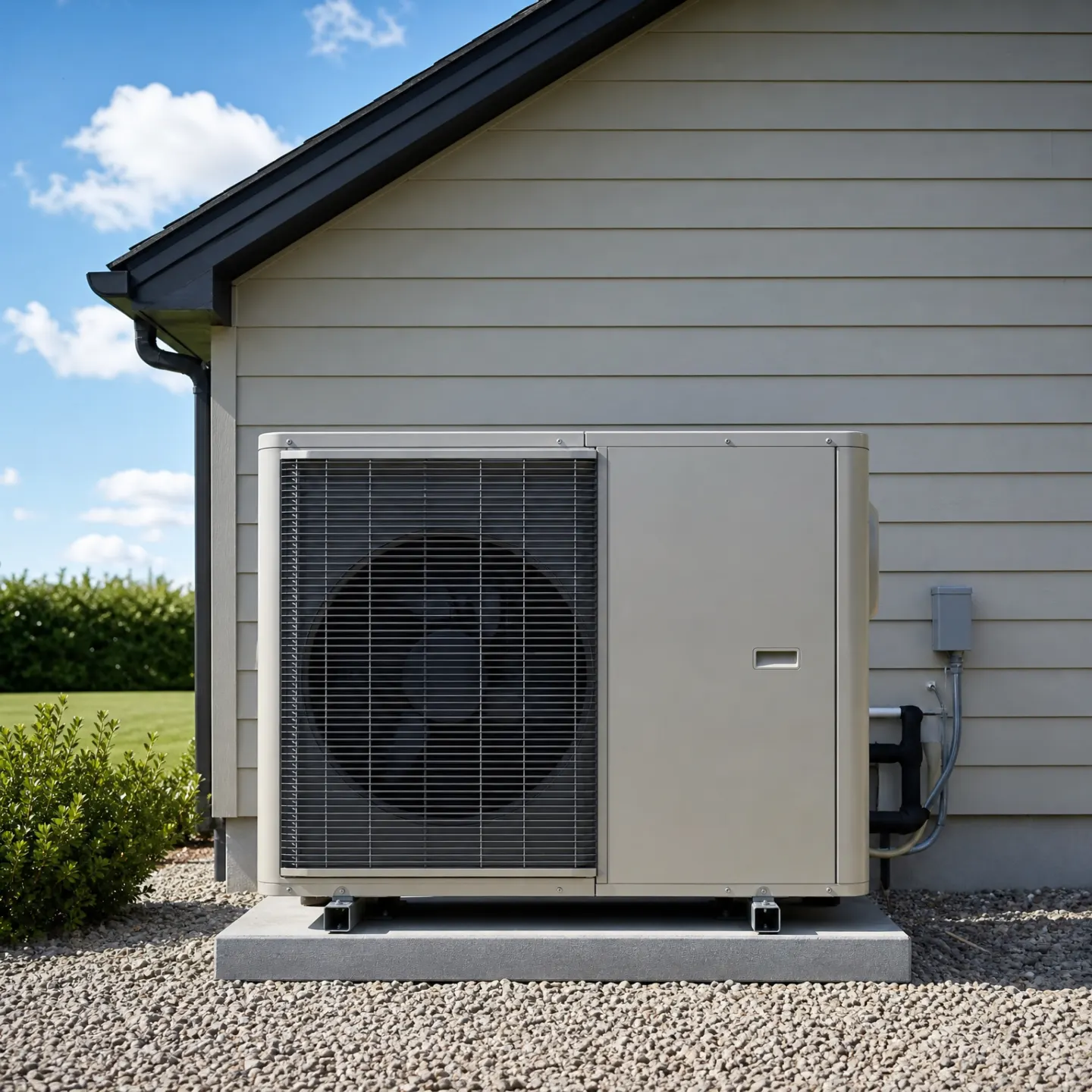
A residential heat pump outdoor unit mounted on a concrete pad next to a house with gray vinyl siding.

Newer system, same part count

A heat pump installed with a newer house hasn't logged the hours an older one has. Fewer hours on the compressor and reversing valve means less wear behind whatever's failing now. Tell the tech the system's age and whether it's original to the house. That one fact steers the whole visit, toward a repair instead of a conversation about replacing the unit.

What you can check at the thermostat

Set it to heat and bump the temperature up a few degrees, then listen for the outdoor unit to kick on. Switch it to cool and do the same thing. If one mode works and the other doesn't, that's worth telling the tech before they arrive. Also check the batteries if the display is blank or dim, since a dying thermostat can look like a dead system.
What you can check outside

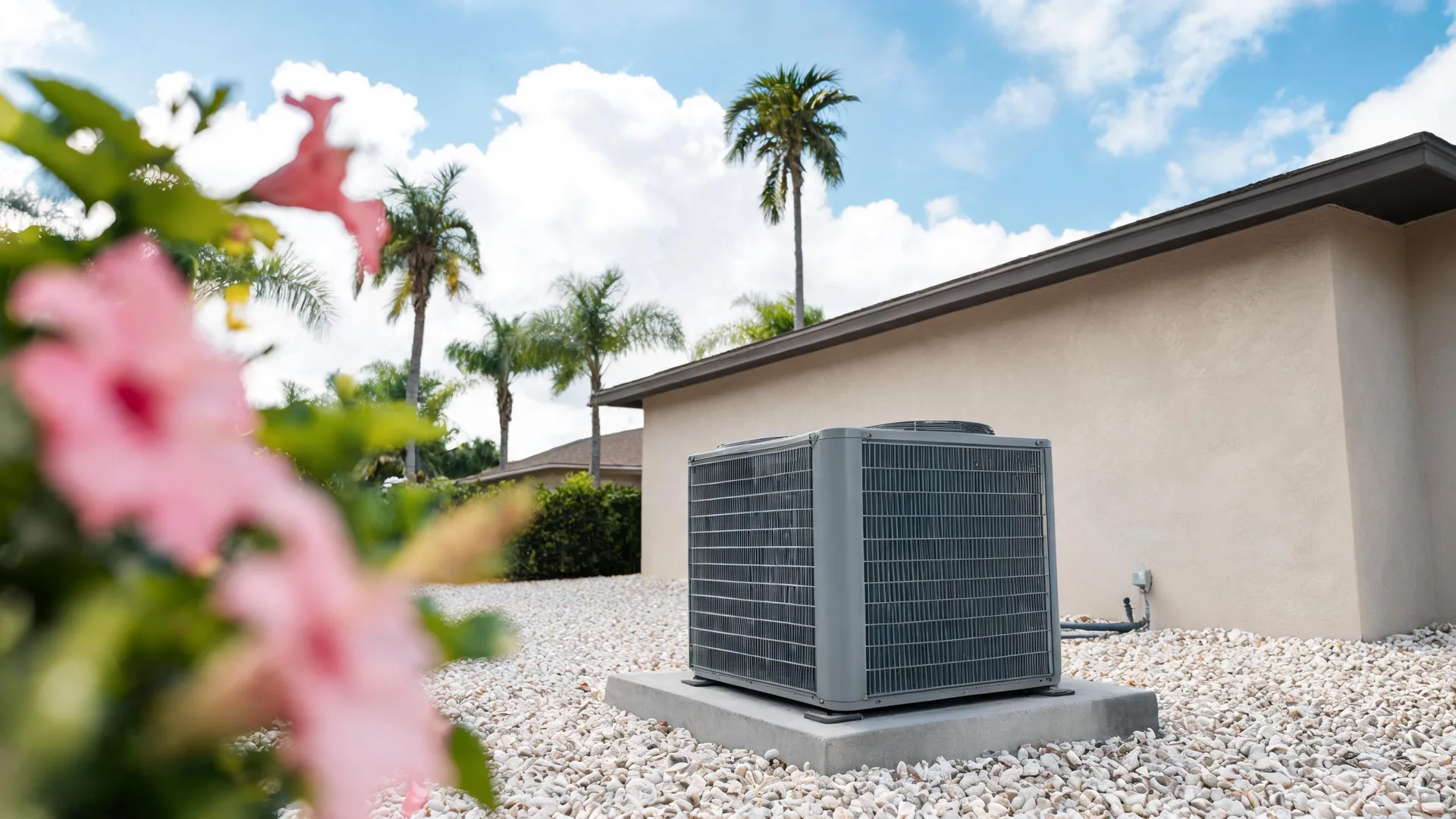
Walk out to the unit and look at the coil for ice or frost. Clear away leaves, grass clippings or anything stacked against the cabinet, since blocked airflow around the unit can cause the same symptoms as a failing part. Don't chip at any ice you find. Just note where it is and let the tech see it before it melts.

Most heat pump failures trace back to the same handful of parts. The compressor is the big one, and it usually fails from running low on refrigerant for too long or from an electrical fault that burns out the windings. The reversing valve sticks when it doesn't get cycled enough or when dirt builds up inside it, and once it sticks the system gets stuck in one mode. Capacitors just wear out with age and heat, and when one goes weak the outdoor fan or compressor struggles to start or runs hotter than it should. The defrost board and sensor fail quietly, you won't know until the coil ices over and stops pulling heat. Dirty coils and weak airflow don't break anything by themselves, but they make every other part work harder and fail sooner.

A failed part doesn't always mean a failed system. What matters most is which part failed and what else has gone wrong around it. A compressor or reversing valve that's original and has simply worn out is often worth replacing on its own, especially if the coils, the air handler and the ductwork are all in good shape. What changes the math is a system that keeps nickel-and-diming you, a capacitor one season, a contactor the next, the coil icing up every other month. That pattern means something is working the system harder than it should, and the next part to fail is only a matter of time. A tech who's seen the unit before can tell you which kind of problem you're looking at.