


Texas Cooling Help
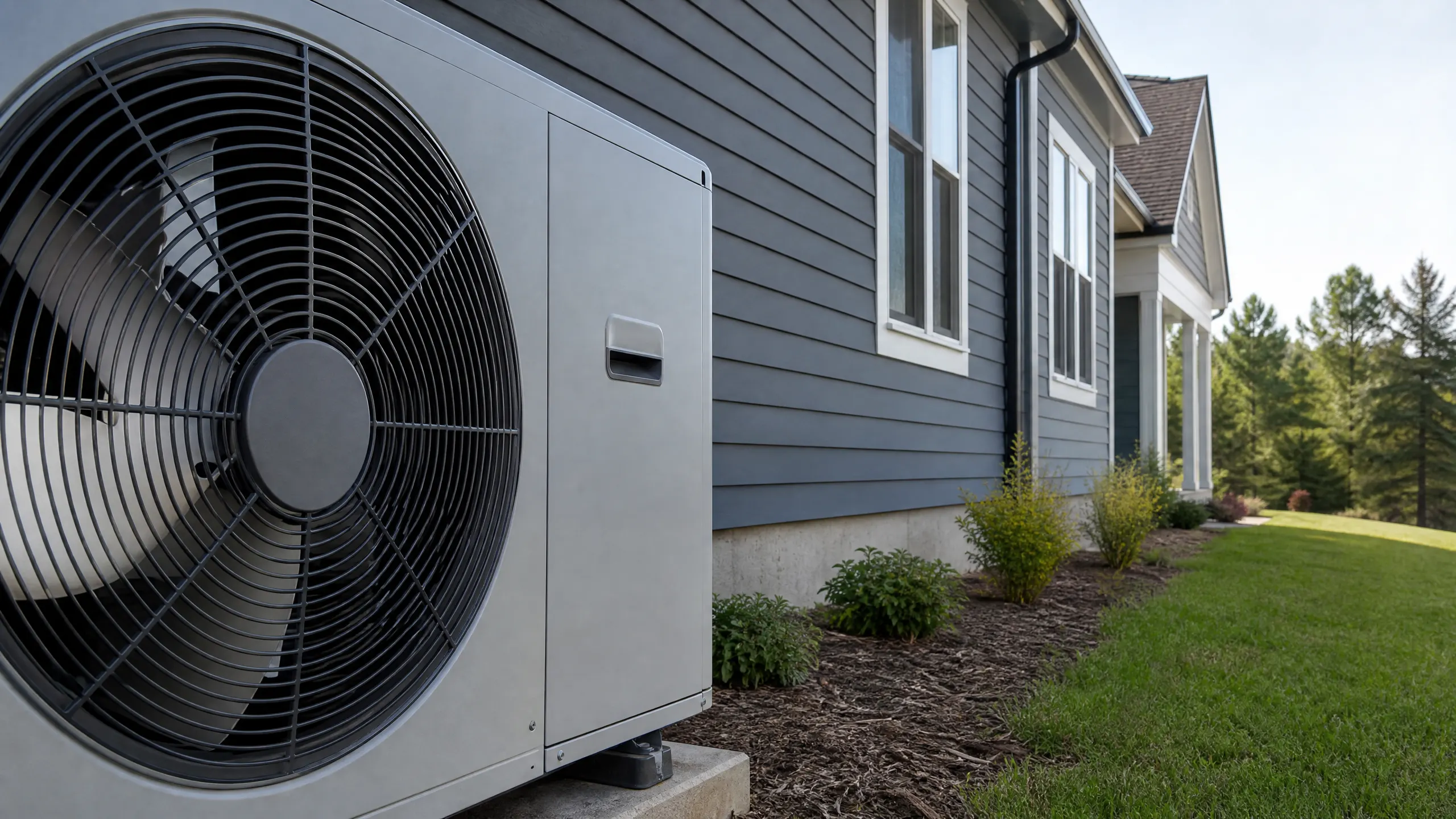
A heat pump outdoor unit mounted on a concrete pad next to the gray-sided exterior wall of a residential house.

Heat Pump Repair in San Marcos, TX

Tell us about the job

Takes about a minute. No obligation.

Step 1 of 3: Equipment

A heat pump acting up in San Marcos is usually a straightforward repair. Nothing about the area makes this machine fail in some unusual way. A failing capacitor, a dirty coil, low refrigerant, a reversing valve stuck in one position. These are the common causes anywhere this kind of system runs. Texas electricity averaged 14.94 cents per kilowatt-hour in 2024, so a unit losing efficiency tends to show up on the bill before it quits altogether. If your costs have crept up lately, that is worth mentioning when a contractor comes out. Most of the time they can tell what is wrong after checking the refrigerant charge and the electrical components.

5 months
November through March, your system heats
7 months
April through October, it cools
41°F
the average winter night it heats against
94°F
the average summer afternoon it cools against
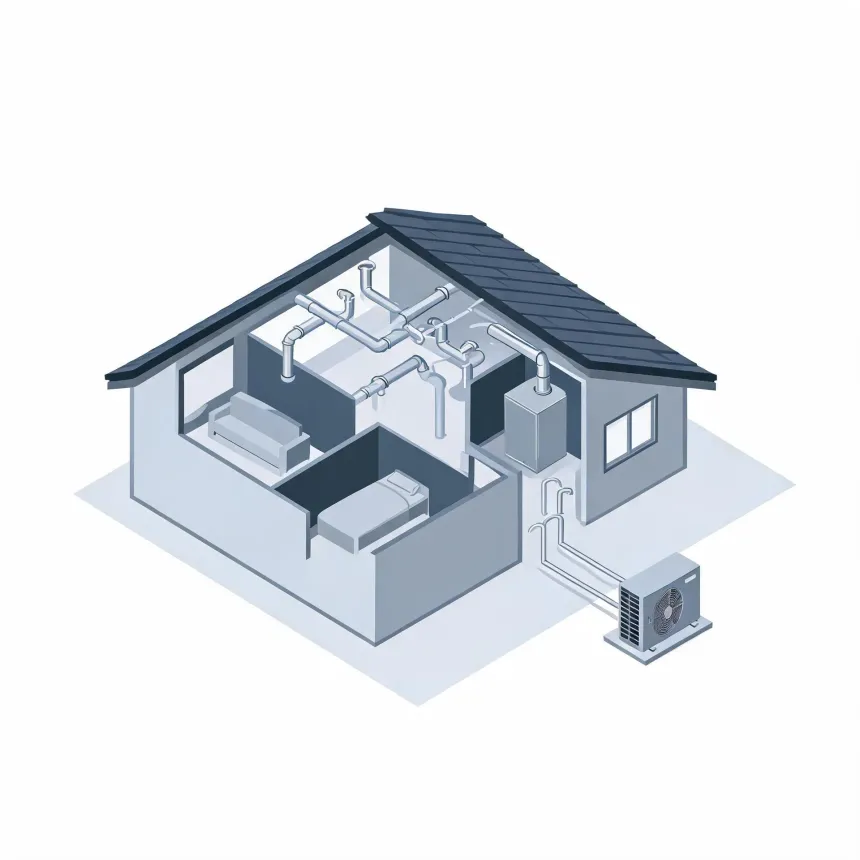
Isometric cutaway illustration of a small house showing ducted air distribution, an indoor air handler, and an outdoor condenser unit connected by lines, with a sofa and bed in the rooms.
Your system heats November through March and cools April through October.

NOAA nClimDiv, 1991–2020 normals

Heat pumps in Hays County switch over to heating in November, right after seven straight months of cooling.

A part that barely held on all summer often fails in the first cold snap of November.

If hail or wind hit the unit this year, say so when you call. That's worth a look even if it still runs fine.

108 severe weather events from 2015 to 2024
33% of homes statewide lost power a day or more in 2024
36 damaging wind events from 2015 to 2024

Half the homes here were built in 2007 or later

Half the homes in Hays County were built in 2007 or later. If your heat pump came with a newer house, it hasn't had years of hard use to wear it down. A repair is usually enough to get it back to normal.

Find a contractor
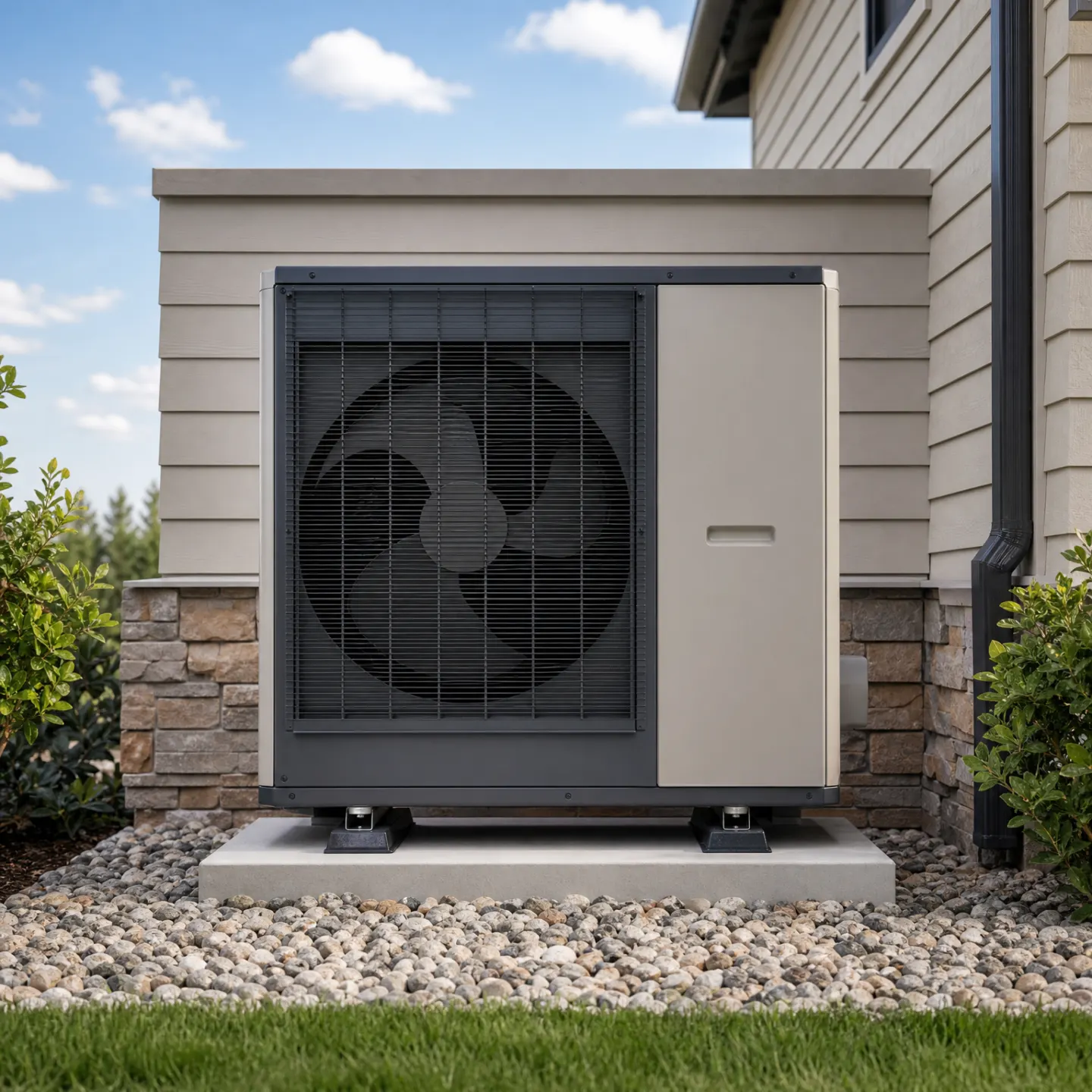
A gray heat pump outdoor unit mounted on a concrete pad next to the stone-accented exterior wall of a house.

Running it longer doesn't buy you time

A heat pump that's struggling doesn't fail cleanly. It fails harder the longer it keeps running. A compressor working against low refrigerant charge runs hotter than it should, and that heat breaks down the oil that's supposed to protect it. A reversing valve stuck halfway strains the compressor every time the system tries to switch modes. Weak electrical components make the compressor draw more current to do the same work, and that wears out windings that were fine a month earlier. None of these get better on their own. A system that's cycling oddly or blowing air that's not quite right is usually still a repair. The same system, run another few weeks in that condition, is more often a compressor replacement.

What you'll actually notice first

Air coming from the vents that's warm but not warm enough, or cool but not cold enough. Short cycling, where the system kicks on and off every few minutes instead of running a full cycle. A unit that runs constantly and still doesn't reach the set temperature. Ice forming on the outdoor coil when it shouldn't. Any of these means something is already wrong, not something about to go wrong.
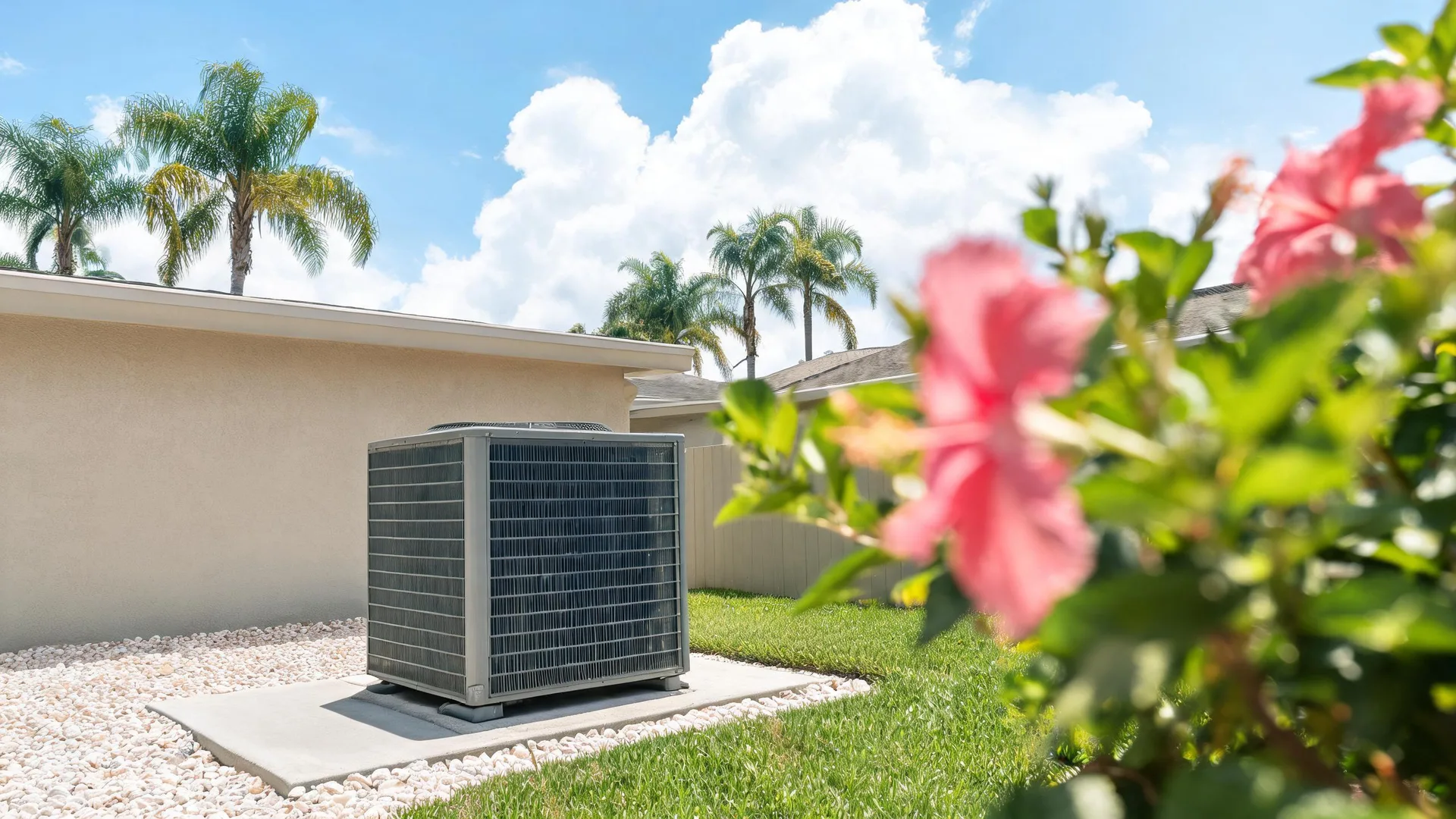
Sound and smell tell you where to look

A hard clunk when the system switches between heating and cooling points at the reversing valve. A grinding or screeching sound points at the fan motor or a bearing going out. A burning smell from the vents means an electrical problem, not a dirty filter, and that one is worth shutting the system off for until someone looks at it.

Before you call anyone, check the thermostat batteries and make sure it's set to the right mode. It sounds obvious, but a dead battery or a thermostat set to cool when you meant heat looks exactly like a bigger problem. Go outside and look at the unit itself. Leaves, grass clippings or a cover left on from winter can choke airflow across the coil, and that alone can make a heat pump run weak. Check the breaker box too. A tripped breaker means the system has no power at all, and that's not a repair call, that's a reset. Inside, pull the air filter and hold it up to a light. If you can't see light through it, it's restricting airflow badly enough to cause most of the symptoms people call about. None of this fixes a bad capacitor or a stuck reversing valve, but it rules out the simple stuff first.

A repair call usually comes down to one part failing while everything else is fine, and a heat pump has a lot of parts that can fail on their own without taking the rest of the system with them. A capacitor, a contactor, a blower motor, a reversing valve. Replace the one that's bad and the compressor, the coils and the rest of the electrical system keep going like nothing happened. What changes the math is the compressor itself. It's the one part that's expensive enough and central enough that a tech will stop and ask whether it's worth putting a new one into an old system, instead of just doing it. If the compressor is still good, almost anything else is worth fixing. If the compressor is the problem, that's the point to ask about replacing the unit instead of the part.