Webb County sees a lot of hail and wind
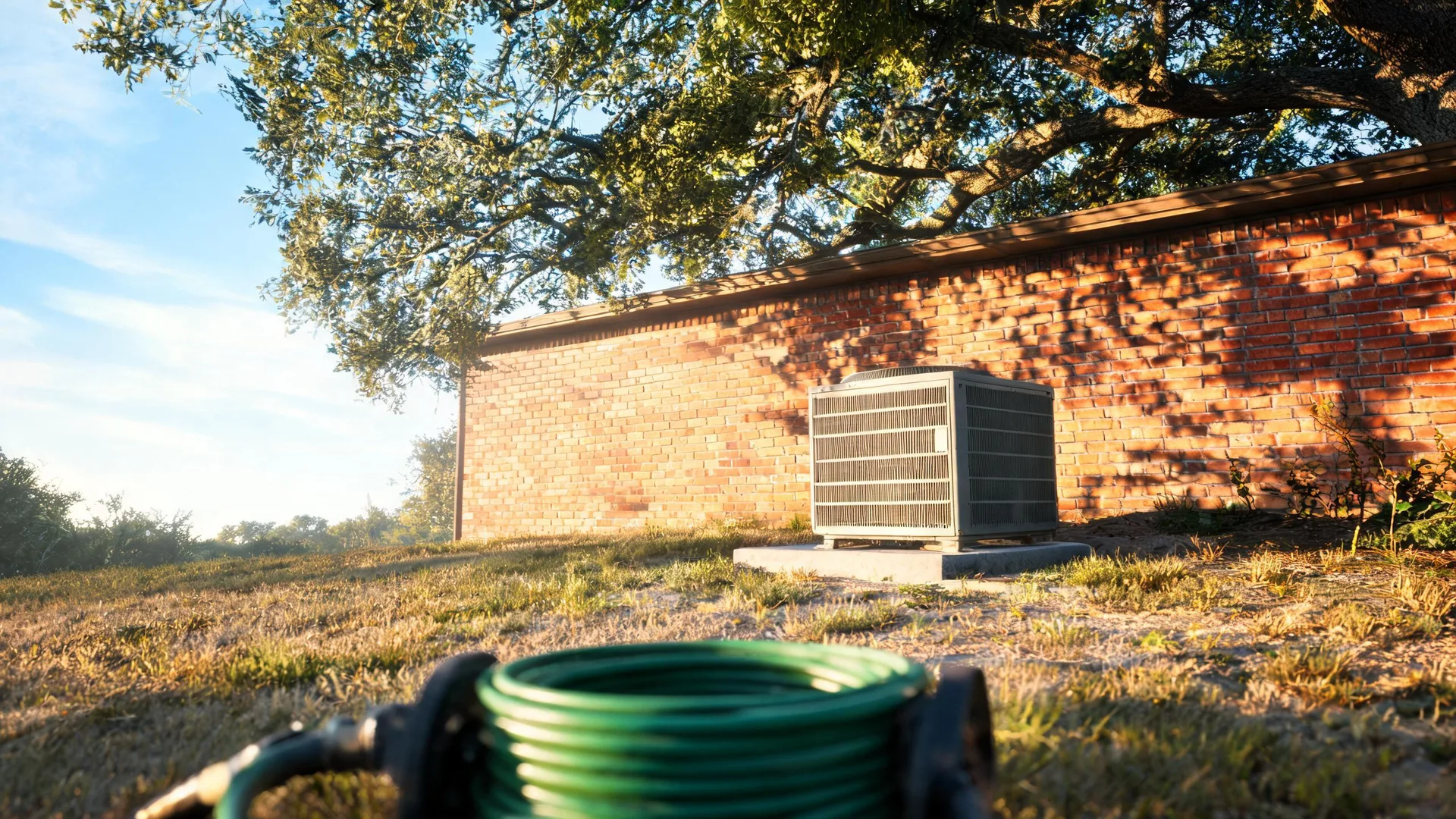
Webb County logged 84 severe weather events between 2015 and 2024, most of them hail and damaging wind. A heat pump's outdoor unit sits right outside, in the path of both.
Takes about a minute. No obligation.
Webb County logged 84 severe weather events between 2015 and 2024, most of them hail and damaging wind. A heat pump's outdoor unit sits right outside, in the path of both.
Hail dents the outer coil and wind driven debris can get into the cabinet around the fan. A heat pump can keep running for a while after that kind of damage before it shows up as weaker heating or cooling.
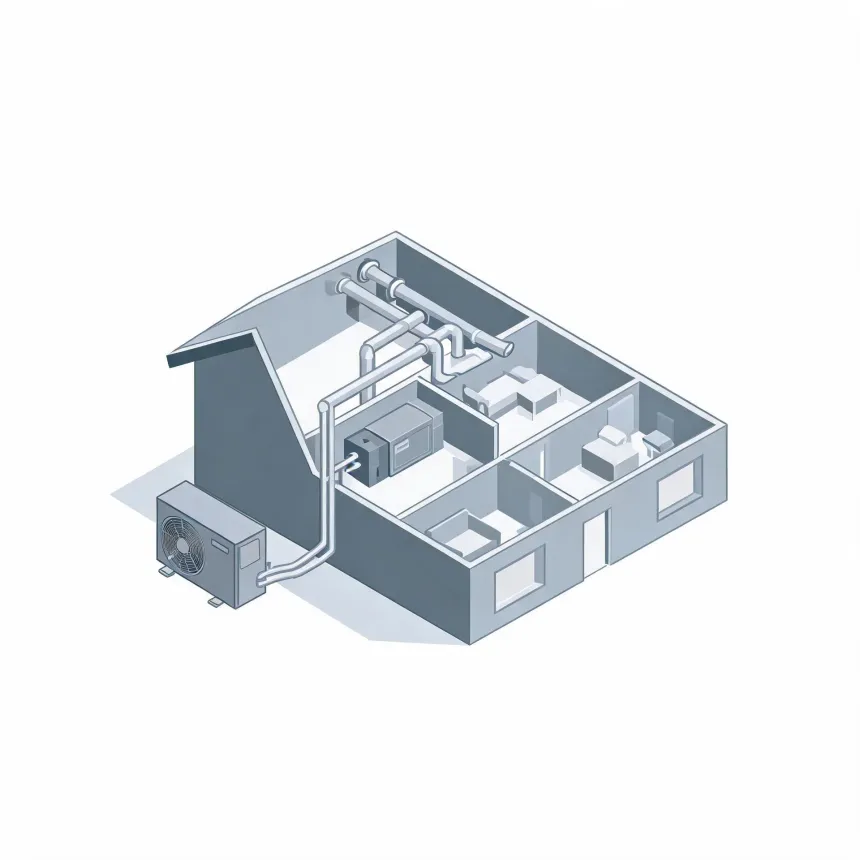
NOAA nClimDiv, 1991–2020 normals
Half the homes in Webb County were built in 1997 or later.
A heat pump installed with a newer house still has years of working life, so repair is the right call before anyone talks replacement.



November is the quiet month here, after cooling shuts off and before heat takes over in December. Whatever has been drifting out of adjustment over eight months of cooling does not announce itself until the heat pump switches modes and has to work the other direction. A low charge or a failing reversing valve can sit unnoticed through a mild stretch, then show up as soon as the system has to hold a house warm. That first push in December is usually when it happens, not three months in.
If a heat pump went through a hailstorm or a bad wind event this year, don't wait for a repair that doesn't happen to find out. Have the outdoor unit checked, even if heating and cooling still seem fine.
Find a contractorIf the heat pump came with the house and the house is from the last couple decades, parts failing now are failing early, not late. That's worth telling whoever comes out to look at it. A repair on a system that young is usually straightforward, because the rest of the unit hasn't had the years to wear down around whatever broke.
Once a reversing valve starts sticking, it drags on every switch between heating and defrost after that. Each cycle it fails to complete fully adds wear to the valve body and puts more strain on the compressor pushing against it. A valve that sometimes sticks turns into one that stays stuck.
Refrigerant carries oil along with it to lubricate the compressor. When the charge drops, less oil reaches the compressor, and it runs hotter than it should. Kept running that way, a compressor wears toward a failure that a simple leak repair would have prevented.
Most heat pump trouble shows up as a comfort complaint before anyone finds a broken part. Air blowing from the vents that doesn't feel warm, or feels only barely warm, often points to a reversing valve not fully switching into heating mode. A unit that runs and runs without reaching the set temperature is telling you it has lost refrigerant or lost airflow across the indoor coil. Ice building up on the outdoor unit and staying there, instead of clearing during a normal defrost cycle, means the defrost sensor or the valve itself isn't doing its job. Short cycling, where the system kicks on and off every few minutes instead of running a full cycle, points to a control problem or a compressor struggling to start. Any grinding, clicking, or buzzing from the outdoor unit that wasn't there before is worth a call before it gets worse.
Age and repair history tell you more than the symptom in front of you. A compressor is the expensive part to replace, and if it's the compressor that's failing, that's usually the point to weigh the whole unit against a new one rather than just that part. A failed capacitor, a bad contactor, a sensor out of calibration, those are worth fixing on almost any system, because they're inexpensive and replacing one doesn't leave the rest of the unit any older. The pattern matters too. One repair after years of none is normal wear. A system that keeps bringing a tech back out for something new is telling you something, even if each visit was minor on its own. Ask what failed and why before deciding it's fixed for good.