




Texas Cooling Help
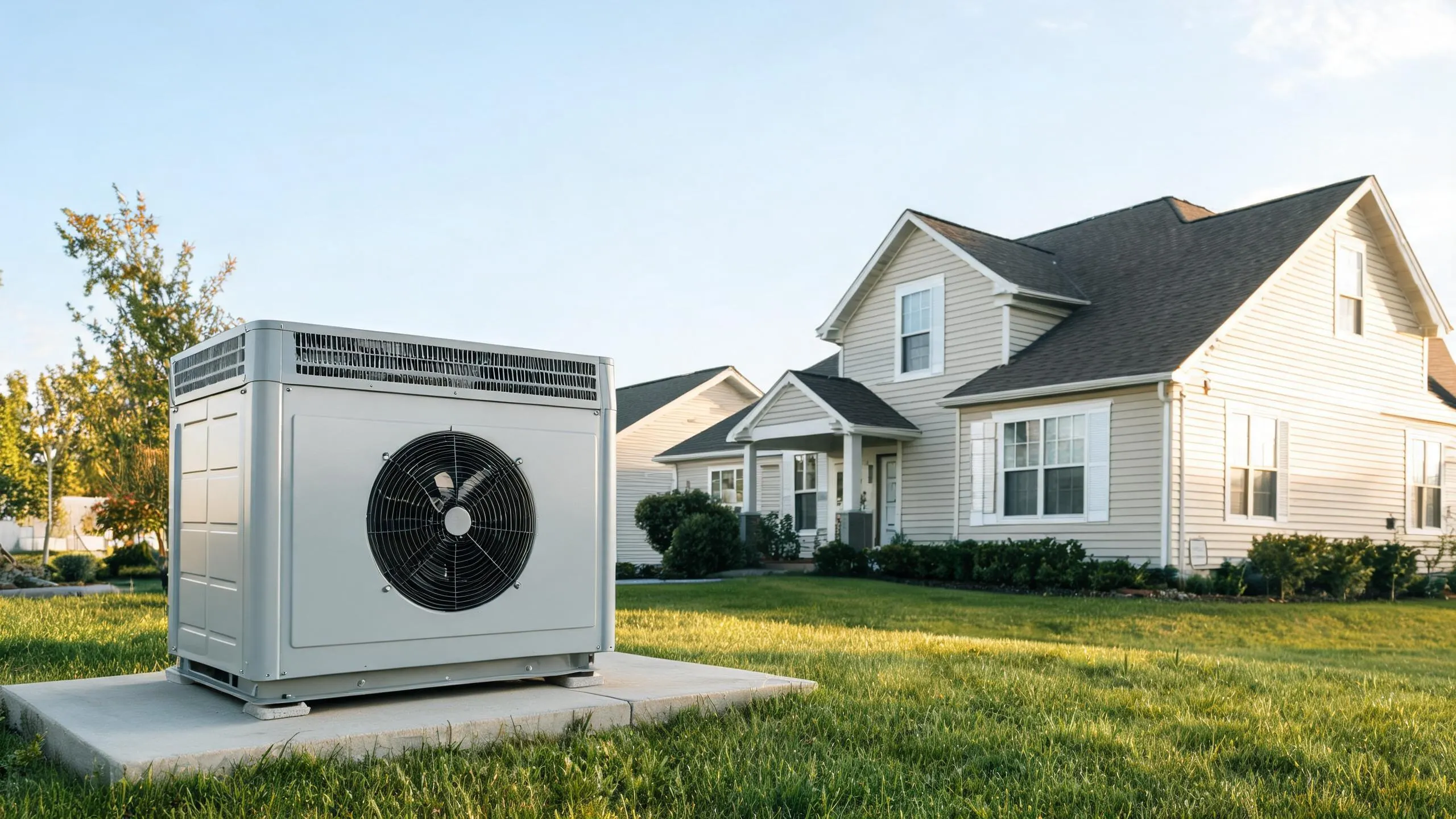
An outdoor heat pump unit mounted on a concrete pad in the front yard of a gray suburban house.

Heat Pump Repair in Conroe, TX

Tell us about the job

Takes about a minute. No obligation.

Step 1 of 3: Equipment

A diagnostic visit starts outside at the unit, checking the refrigerant pressures and the condition of the compressor and fan motor. The tech will check the reversing valve too, since that's the part that lets a heat pump switch between heating and cooling, and a stuck valve can mean warm air when you need heat. Inside, they check the air handler, the thermostat signal, and the temperature of the air coming out of the vents compared to the air going in. If the outdoor coil is frosted over or caked with dirt, that gets noted, since a coil that can't absorb heat from the outside air will leave the whole system struggling. By the end, you should have a straight answer on what part is failing and what it will take to fix it.

5 months
November through March, your system heats
7 months
April through October, it cools
43°F
the average winter night it heats against
93°F
the average summer afternoon it cools against
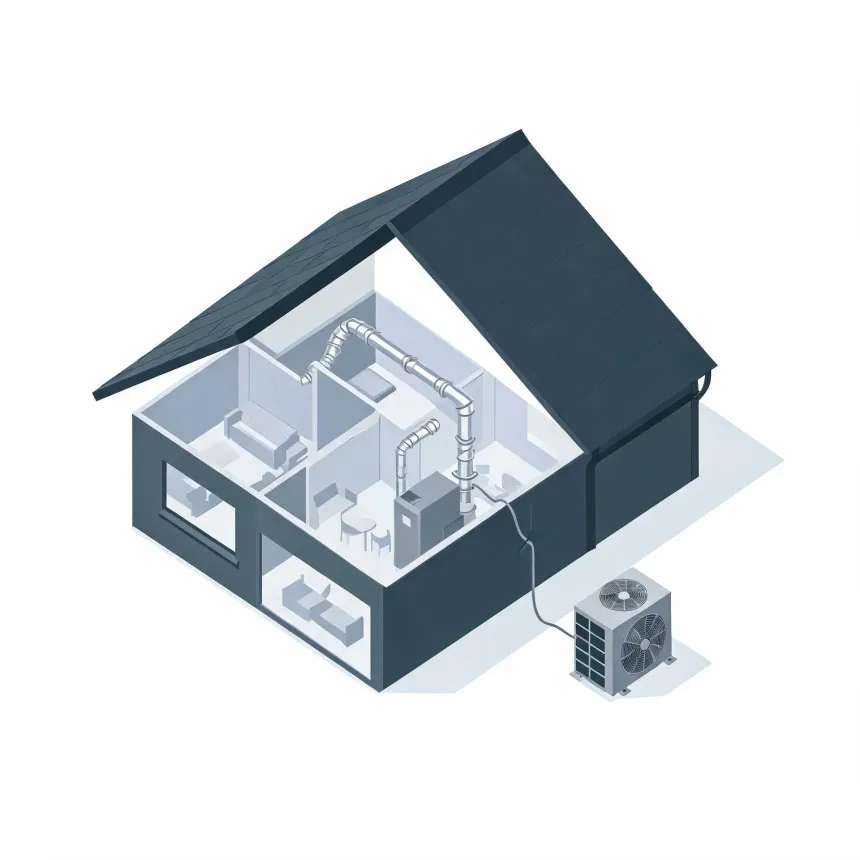
Isometric illustration of a cutaway house showing interior rooms with furniture, a furnace and ductwork, connected by a line to an outdoor condenser unit on the ground outside.
Your system heats November through March and cools April through October.

NOAA nClimDiv, 1991–2020 normals

Electricity in Texas ran 14.94 cents a kilowatt-hour in 2024.

A heat pump that's low on charge or struggling to switch modes works harder and pushes that number higher on your bill.

Seven months of cooling, five of heat, and this machine switches between them on its own

Cooling runs April through October
Heat runs November through March
Power costs 14.94 cents a kWh statewide
Built for ConroeHalf the homes in Montgomery County were built in 2004 or later.

Montgomery County saw 119 severe weather events between 2015 and 2024, most of them damaging wind. Your heat pump's outdoor unit sits outside through all of it, and wind-driven debris can bend the fins on the coil or nick the fan blades without stopping the unit from running. A bent fan blade can throw it off balance and wear the motor bearing down faster than it should. Hail leaves its own mark, denting the coil or the cabinet even when the system still turns on afterward. If a storm has come through recently, it's worth having the outdoor unit looked at even if it still blows air, since damage like this doesn't always show up as a breakdown right away.

A newer system is usually worth fixing

If your heat pump came with the house, it's probably not old. That doesn't rule out a real repair, but it does mean the compressor, the reversing valve, and the rest of it likely have years left in them. Worth having a tech confirm what's wrong before anyone talks about replacing it.

Find a contractor
A man in a cap, brown jacket and tan pants, seen from behind, carries a canvas tool bag up concrete steps toward an orange front door.
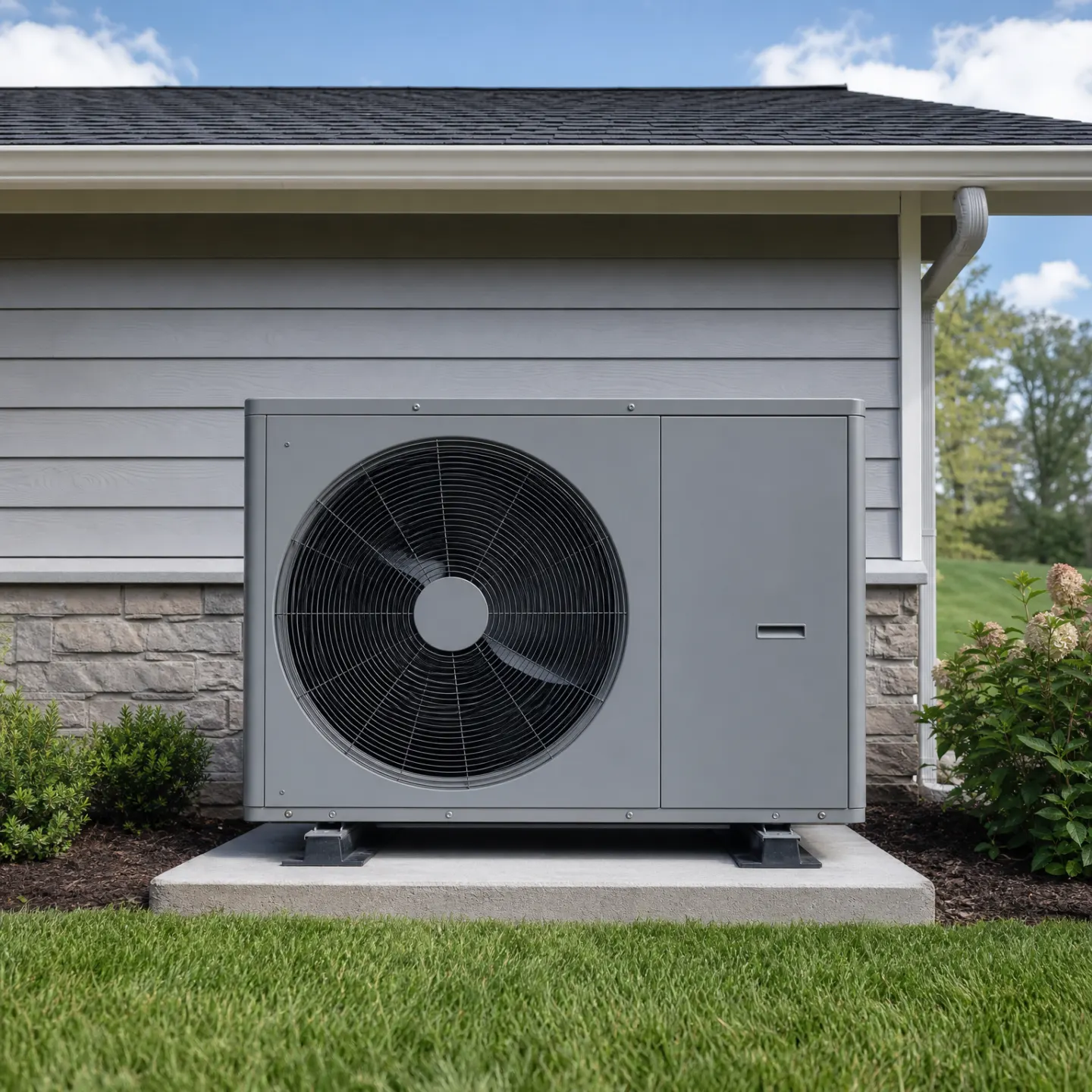
A gray outdoor HVAC unit mounted on a concrete pad beside a house with gray lap siding and a stone foundation.

What to listen for and feel for as it switches

The most common complaint is warm air blowing when the thermostat is set to heat, which usually means the reversing valve is stuck in the wrong position. Short cycling, where the unit kicks on and off every few minutes instead of running a full cycle, puts real strain on the compressor and is worth a call before it gets worse. Some frost on the outdoor coil during the colder months is normal and clears on its own during the defrost cycle. A coil that stays frosted over means that cycle isn't working right. Listen for the unit outside too. A grinding or squealing sound from the fan motor usually means a bearing is going bad, and it won't fix itself. If the air from the vents doesn't seem to change when you switch from heat to cool, that points back to the reversing valve, not the thermostat. Any of these is worth having looked at before the system has to work harder to make up for it.

The reversing valve wears from switching, not running

Every time a heat pump changes from heating to cooling, a solenoid shifts the reversing valve to send refrigerant the other direction. That shift happens often, and the valve can stick partway or stop sealing fully. A stuck valve is one of the most common reasons a heat pump blows the wrong temperature air, and it's a valve problem, not a thermostat problem.
The outdoor coil takes the punishment

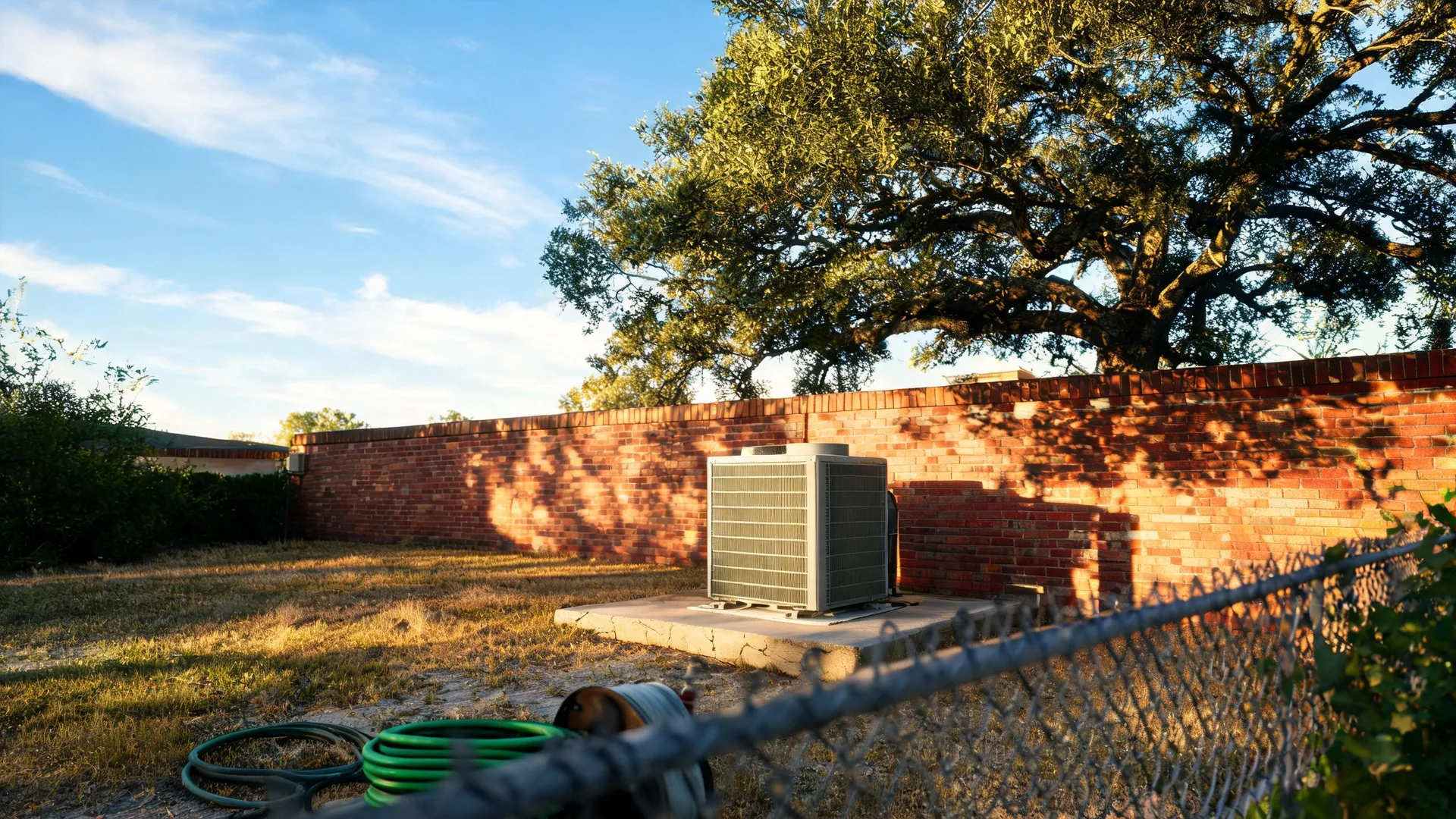
The outdoor coil has to give up heat or pull it in depending on the season, and it only works if air moves freely through the fins. Dirt, leaves, and bent fins choke that airflow, and the compressor ends up working harder to do the same job. Over time that extra strain is what shortens a compressor's life, more than age by itself.

Before anyone comes out, there's a few things worth checking yourself. Start at the thermostat. Make sure it's set to the mode you want and the batteries aren't dead, since a blank or sluggish display can look like a system failure when it's not. Check your breaker panel too. A tripped breaker will shut the whole system down, and resetting it is simple if that's all it is. Walk outside and look at the unit. If leaves or grass clippings are packed against the side, clear them away so air can move through the coil. Inside, pull the air filter and hold it up to the light. If you can't see through it, swap it out, since a clogged filter chokes airflow and can make a working system act like a broken one. None of this fixes a stuck reversing valve or a failing compressor, but it rules out the easy stuff first.

Age matters less than what's actually failing. A reversing valve or a fan motor can be replaced on their own, and doing that is usually the right call on a system that's otherwise sound. The compressor is different. It's the most expensive part in the unit, and when it's failing, the refrigerant and electrical system around it have usually been stressed the same way. A tech can tell you which situation you're in by checking the refrigerant pressures and how the compressor is drawing current, not by guessing from the outside. If you're replacing a second major part in a few years, that pattern is worth paying attention to, since it usually means the strain that broke the first part is still there. A heat pump that's thrown one isolated problem, on the other hand, is usually worth fixing and getting back to work.