



Texas Cooling Help
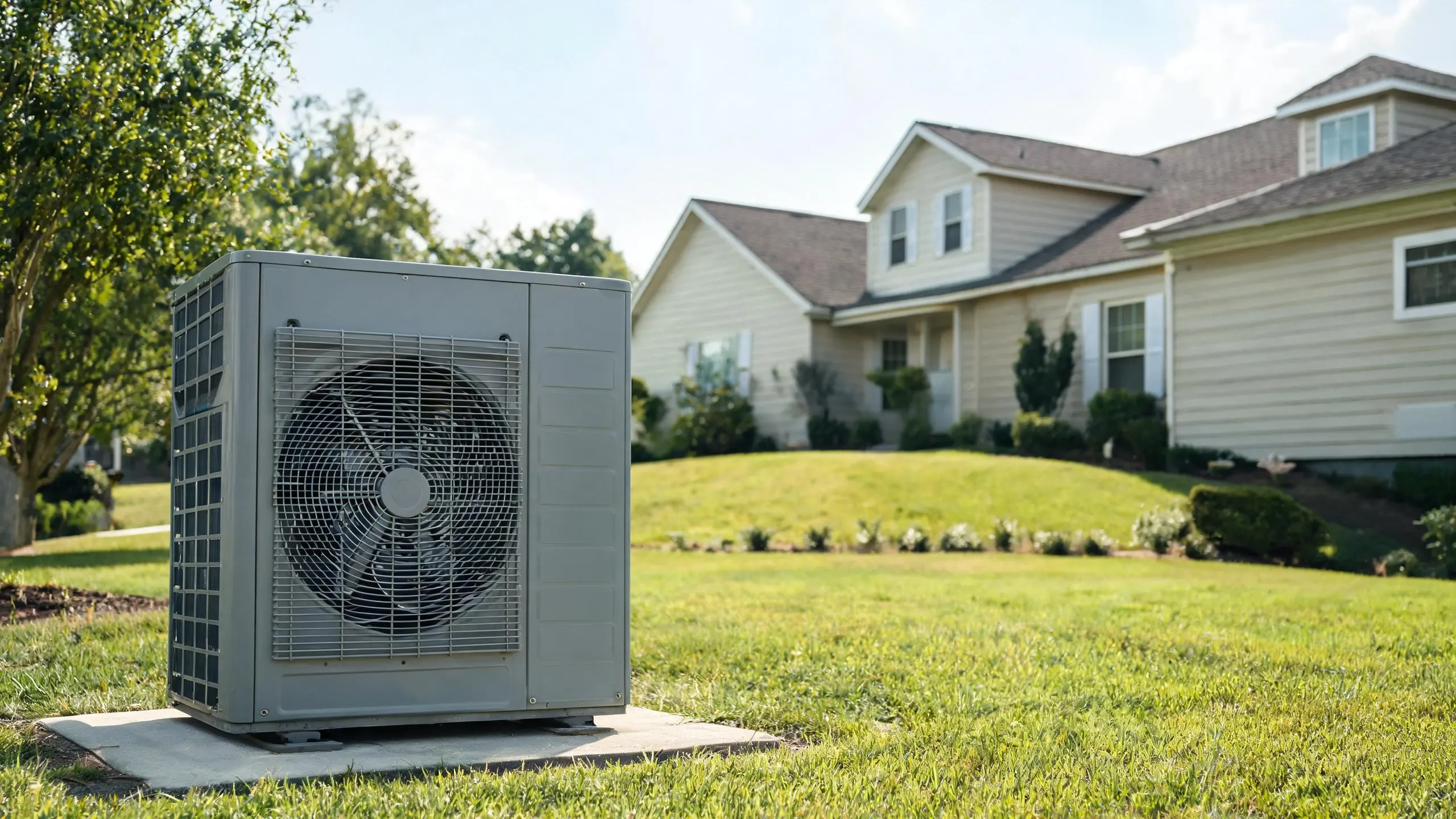
A gray outdoor HVAC condenser unit mounted on a concrete pad in the front yard of a two-story suburban house.

Heat Pump Repair in Odessa, TX

Tell us about the job

Takes about a minute. No obligation.

Step 1 of 3: Equipment

A heat pump outside Odessa sits exposed to whatever the weather sends its way, and hail is part of that. Ector County saw 137 hail events between 2015 and 2024. That kind of hail can bend the thin fins on the outdoor coil, and bent fins choke the airflow the system needs to move heat. The dents are easy to miss from a few feet away, but they add up to a unit working harder than it should just to keep your home comfortable. If your heat pump is struggling or short-cycling, have someone check the coil before assuming the problem is electrical or mechanical.

5 months
November through March, your system heats
5 months
May through September, it cools
33°F
the average winter night it heats against
95°F
the average summer afternoon it cools against
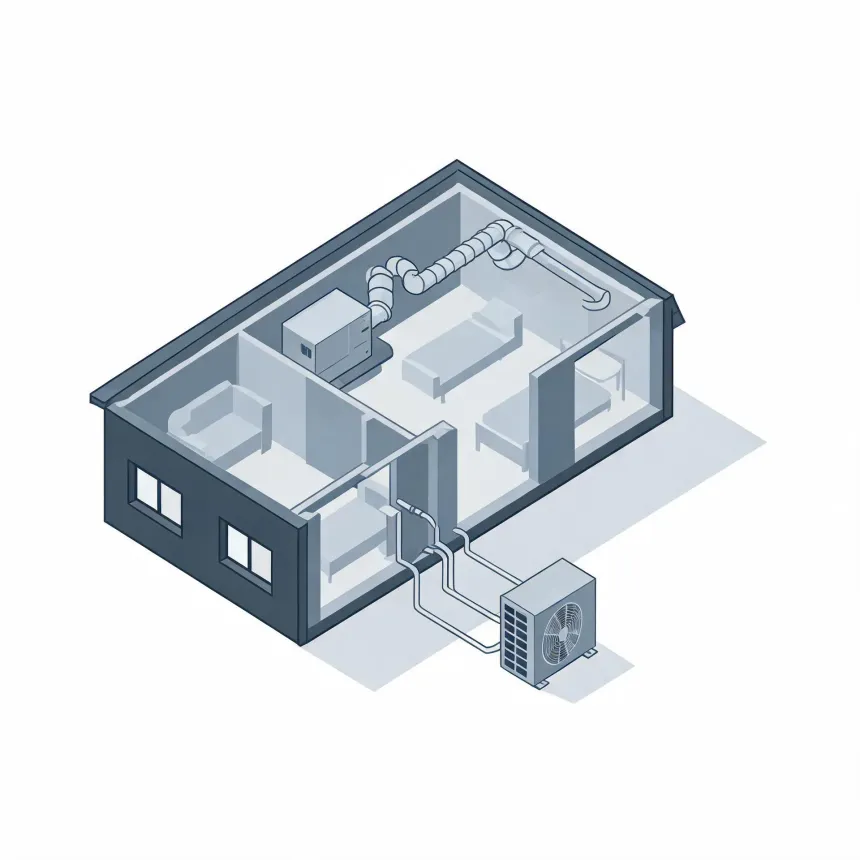
Isometric cutaway illustration of a small house showing interior rooms with furniture, an indoor air handler with flexible ducting, and refrigerant lines running to an outdoor condenser unit beside the building.
Your system heats November through March and cools May through September.

NOAA nClimDiv, 1991–2020 normals

Ector County logged 71 damaging wind events between 2015 and 2024.

Wind that strong carries branches and grit into the outdoor unit, and that's worth a look if yours is running rough.

Power costs the same here as anywhere in Texas, and that's most of what these numbers say

Power costs 14.94 cents a kWh statewide
137 hail events from 2015 to 2024
Climate zone 3B

Heat here starts in November, which makes October the month to get a heat pump looked at. A heat pump that sat idle all summer in switchover mode still has to prove itself the first cold morning it's asked to run the other direction. If a contactor was pitted or a capacitor was already weak, that's when it shows. The same goes for May, when cooling starts and the system reverses again. Problems rarely wait for the dead of winter. They show up in the first week the system is asked to do something it hasn't done in months.

Get it diagnosed properly

Your heat pump works hard here, and that's usually what's behind the problem. Have it diagnosed properly so the fix lasts.

Find a contractor
A man in a dark long-sleeved shirt and brown work pants carries a worn canvas tool bag up wooden porch steps toward a red-orange front door, with a potted shrub beside the entry.
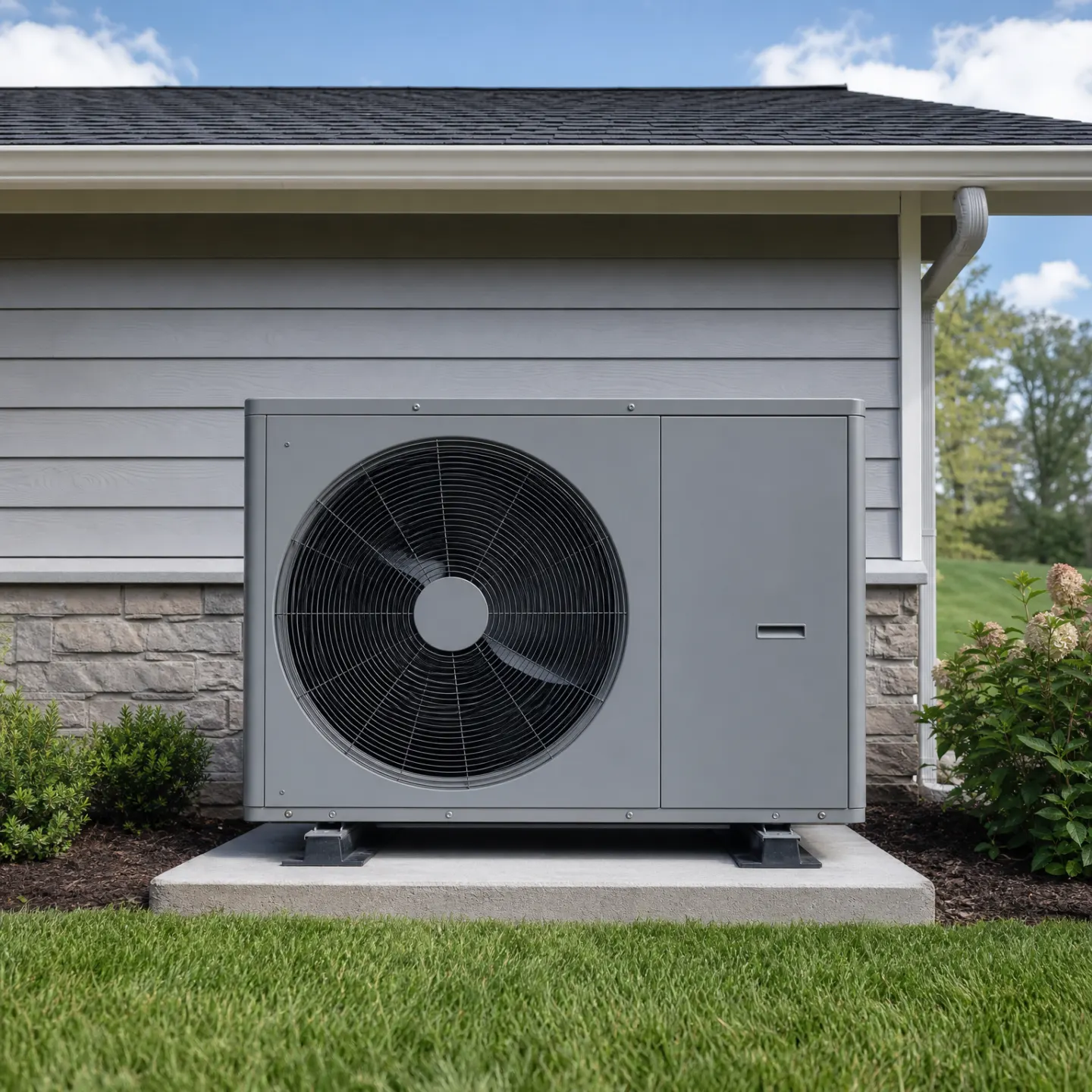
A gray outdoor HVAC unit mounted on a concrete pad beside a house with gray lap siding and a stone foundation.

Check the coil first

Have the coil checked before anything gets swapped out. A technician can straighten bent fins and clear out what's lodged between them, and that alone can bring a struggling unit back to normal. If the fins are fine, the problem is somewhere else, and ruling the coil out first points the repair where it actually needs to go.

A weak start turns into a dead compressor

A heat pump that struggles to start, maybe from a failing capacitor or a sticky contactor, pulls hard every time it tries. Run it in that state long enough and the compressor overheats or seizes. A capacitor is a simple swap. A seized compressor means the whole outdoor unit has to come out.
Low refrigerant gets worse, not better

A system low on refrigerant doesn't fix itself by running longer. It keeps pulling in refrigerant that's meant to stay a gas, and liquid reaching the compressor wears on it with every cycle. What starts as weak heating or cooling can end with a compressor that has to be replaced instead of a leak that gets found early.

Most people notice a heat pump problem before they can name it. The air coming out feels wrong, maybe lukewarm when it should be warm, or the system runs on and on without getting the house to temperature. Short cycling is another one, where it kicks on, shuts off almost right away, then starts again. Ice on the outdoor unit during a defrost cycle is normal for a short stretch, but a coil that stays frozen points to something else, often weak airflow or a refrigerant problem. Listen for it too. A hum with no startup, a click that repeats without the unit actually running, or a new rattle from the outdoor cabinet all mean something inside has changed. None of these fix themselves, and most get worse the longer the system keeps trying to run through them.

A heat pump has more moving parts than a furnace or straight air conditioner, since it has to reverse itself and do both jobs. That's not a reason to assume the worst when something goes wrong. Most repairs turn out to be a single part. A capacitor. A contactor. A reversing valve stuck in one position. What matters more is the compressor and how old the system is. The compressor isn't a simple swap, and if it's failing on a system that's already old, putting money into that repair often doesn't make sense when the rest of the unit is wearing out right behind it. A technician checking a heat pump should be able to tell you which kind of problem you have before any work starts, not after.