Texas Cooling Help
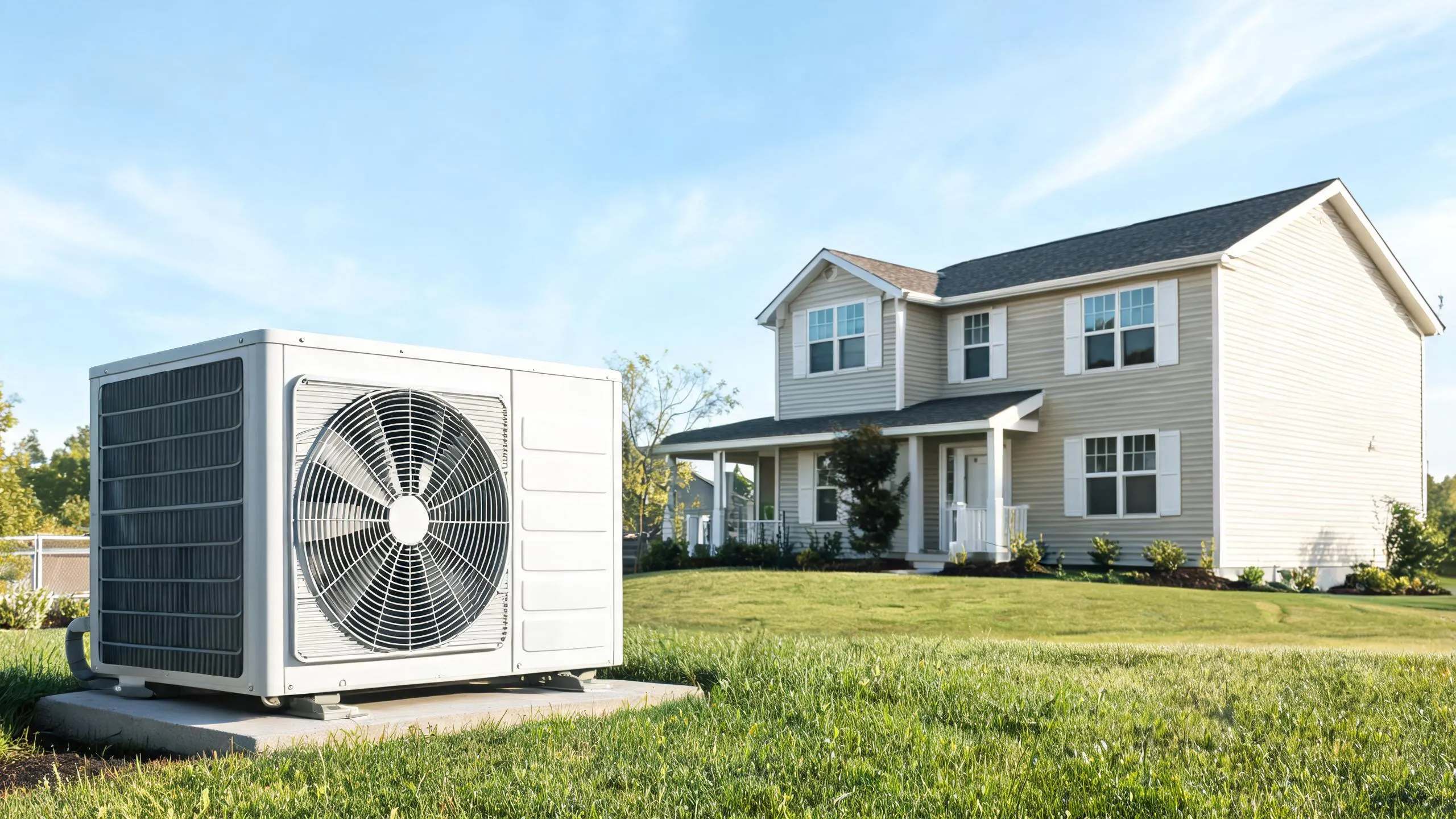
An outdoor heat pump unit mounted on a concrete pad in front of a two-story suburban house.

Heat Pump Repair in Houston, TX

Tell us about the job

Takes about a minute. No obligation.

Step 1 of 3: Equipment

What's failing matters more than that something failed

A bad capacitor or a stuck contactor is a quick fix on a heat pump that otherwise runs fine. A compressor going bad, or a reversing valve that won't shift, is a different conversation, especially on an older unit. The same service call can mean a small repair or the start of a replacement talk, depending on which part is the problem.

A heat pump that's been patched before is worth watching

Every repair on a heat pump is a repair on both its heating and cooling, since it's the same system doing both jobs. If it's already needed a few service calls, the next failure is more likely to hit a major part than a minor one. That history is worth mentioning to whoever comes out, since it changes what they'll check first.

4 months
November through February, your system heats
7 months
April through October, it cools
45°F
the average winter night it heats against
93°F
the average summer afternoon it cools against
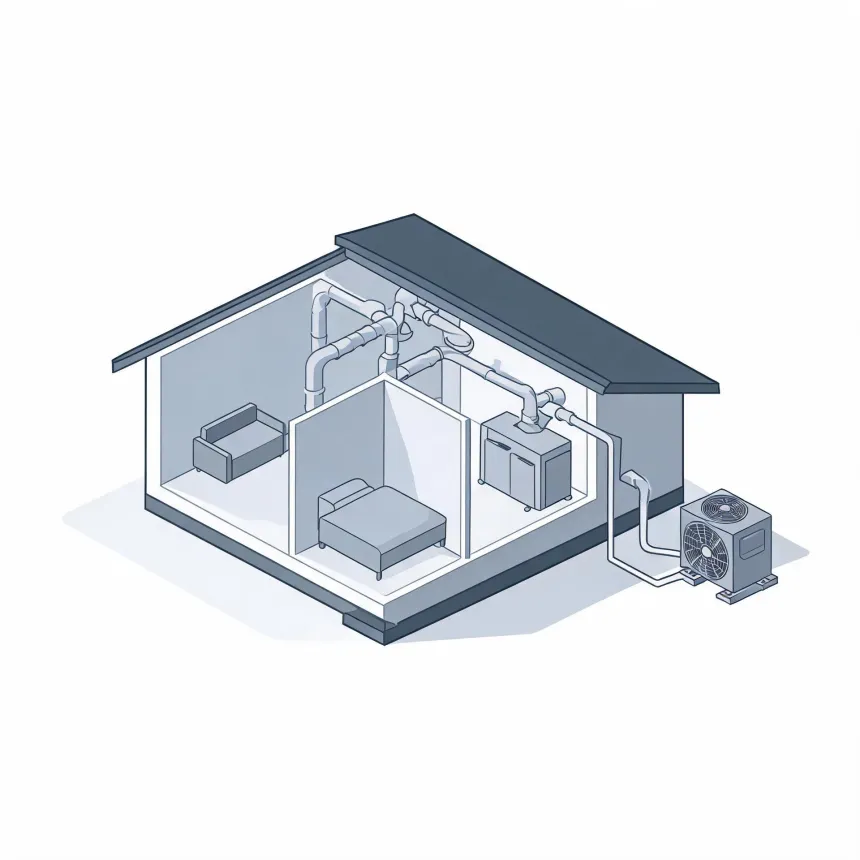
Isometric cutaway illustration of a small house showing interior rooms with furniture, an indoor air handler with ductwork, and lines running to an outdoor condenser unit beside the building.
Your system heats November through February and cools April through October.

NOAA nClimDiv, 1991–2020 normals

Half the houses in Harris County were built in 1988 or later.

A heat pump in a house that age still has a reasonable shot at being within its working life.

Heat pumps break in the first cold snap and the first real heat, not in between

Cooling runs April through October
Heat runs November through February
149 hail events from 2015 to 2024
Houston's outdoor unit takes a beatingHarris County logged 149 hail events between 2015 and 2024, and the outdoor unit takes that weather head on

Harris County saw 403 severe weather events between 2015 and 2024, counting wind, hail and tornadoes. Any one of those can mean debris in the outdoor unit or a dented coil, and a heat pump can keep running for a while with either. If yours took a hit and still seems fine, get it looked at anyway. Statewide, a third of Texas households lost power for a day or more in 2024, and a heat pump that sits dead that long is worth a check when it comes back on, not just a shrug of relief that it did.

A heat pump this age is usually worth repairing

If your heat pump came with the house, there's a good chance it's still within its working life. That makes repair the right first call. Get the specific problem looked at before anyone brings up replacement.

Find a contractor
A man in a dark long-sleeved shirt and brown work pants, seen from behind, carries a waxed canvas tool bag up porch steps toward an orange front door, with a potted shrub in a terracotta pot beside him.
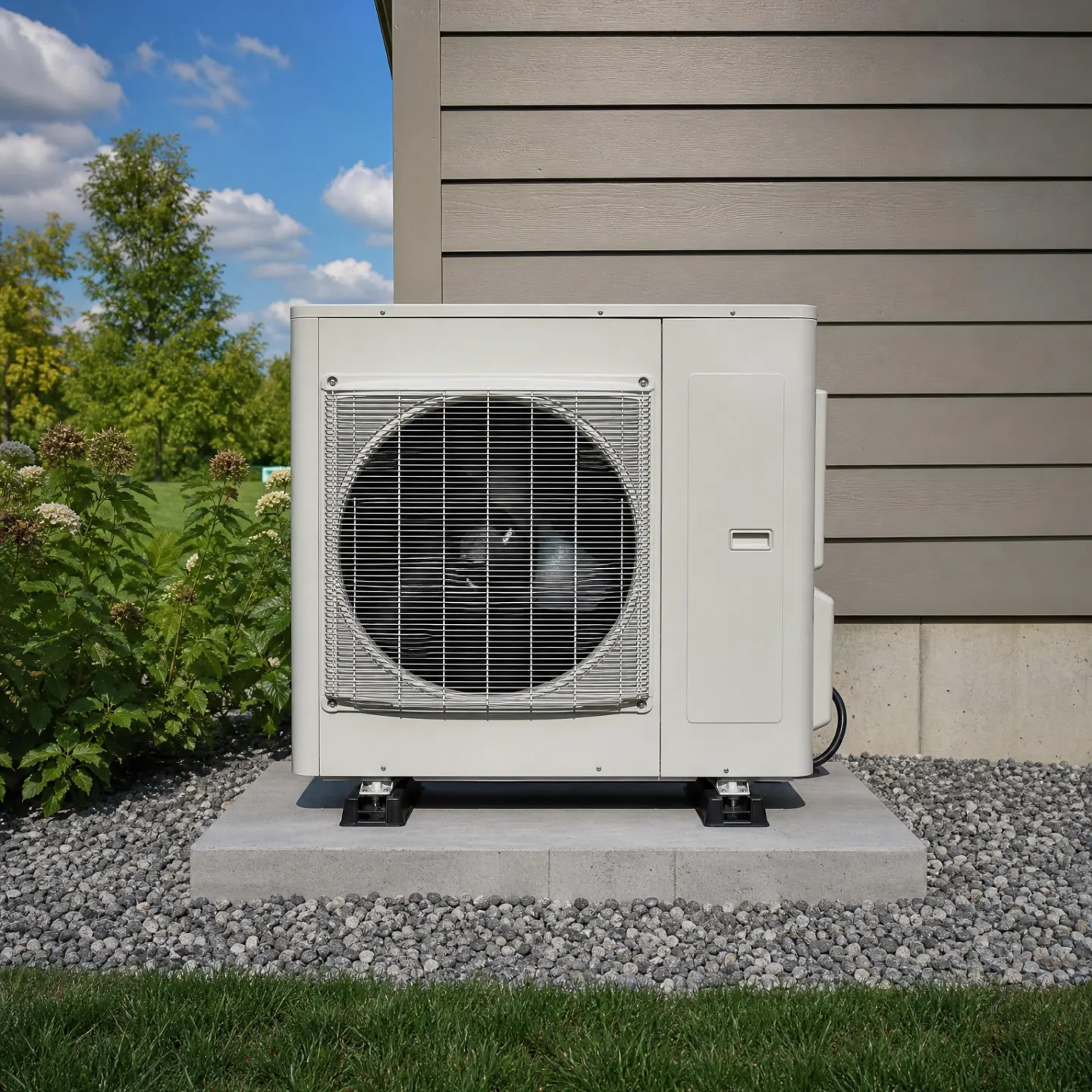
A white mini-split heat pump outdoor unit mounted on a concrete pad beside a gray-sided house, surrounded by gravel and green shrubs.

It's been running through all of it

That outdoor unit sits through every storm on that list, running the whole time. Wind and hail don't stop it from cycling on and off, year after year. When something finally goes wrong, a tech needs to know what the unit's been through, not just what it's doing now. Say if it took a hit in a storm, even if it kept running afterward. That's part of the story of why it's failing now.

It's not keeping the house at the set temperature

A heat pump that runs and runs but never quite gets there is losing refrigerant, or the reversing valve isn't shifting all the way between heating and cooling. Air still comes out of the vents, so it's easy to miss at first. The giveaway is the thermostat setting and the actual room temperature drifting further apart over time.

The outdoor unit is making a new noise or not running at all

A hard click with no response is usually the contactor or capacitor, and that's a quick fix. A grinding or screeching sound while it runs points to the fan motor or the compressor, and that's worth a same-week call before it gets worse. If the outdoor fan isn't spinning but the indoor side is blowing air, don't wait on that one.

A unit that took a hit from hail or wind doesn't always show it right away. A bent fin or a small dent in the cabinet can mean a slow refrigerant leak, or a coil that isn't moving air the way it should, and neither one has to stop the system from running in the meantime. If you know your unit took a hit, even a while back, mention it when you call. A tech checking a unit after storm damage is looking for something different than one checking it because it stopped cooling, and knowing which one it is changes where they start.

A diagnostic visit starts outside at the unit itself, not with the thermostat. A tech checks the contactor and capacitor first, since those fail the most and take the least time to confirm. Then it's refrigerant pressure, checked with gauges at the service ports, since that points to a leak or a reversing valve that isn't shifting. The fan motor gets a look too, spinning it by hand if it's not running to feel for a bearing that's gone stiff or loose. Only after those get ruled out does the compressor come into the conversation, and a tech will usually want to see the full history of the unit before saying much about it. Whatever gets found, the good ones explain what they're checking and why before they start swapping parts.