



Texas Cooling Help
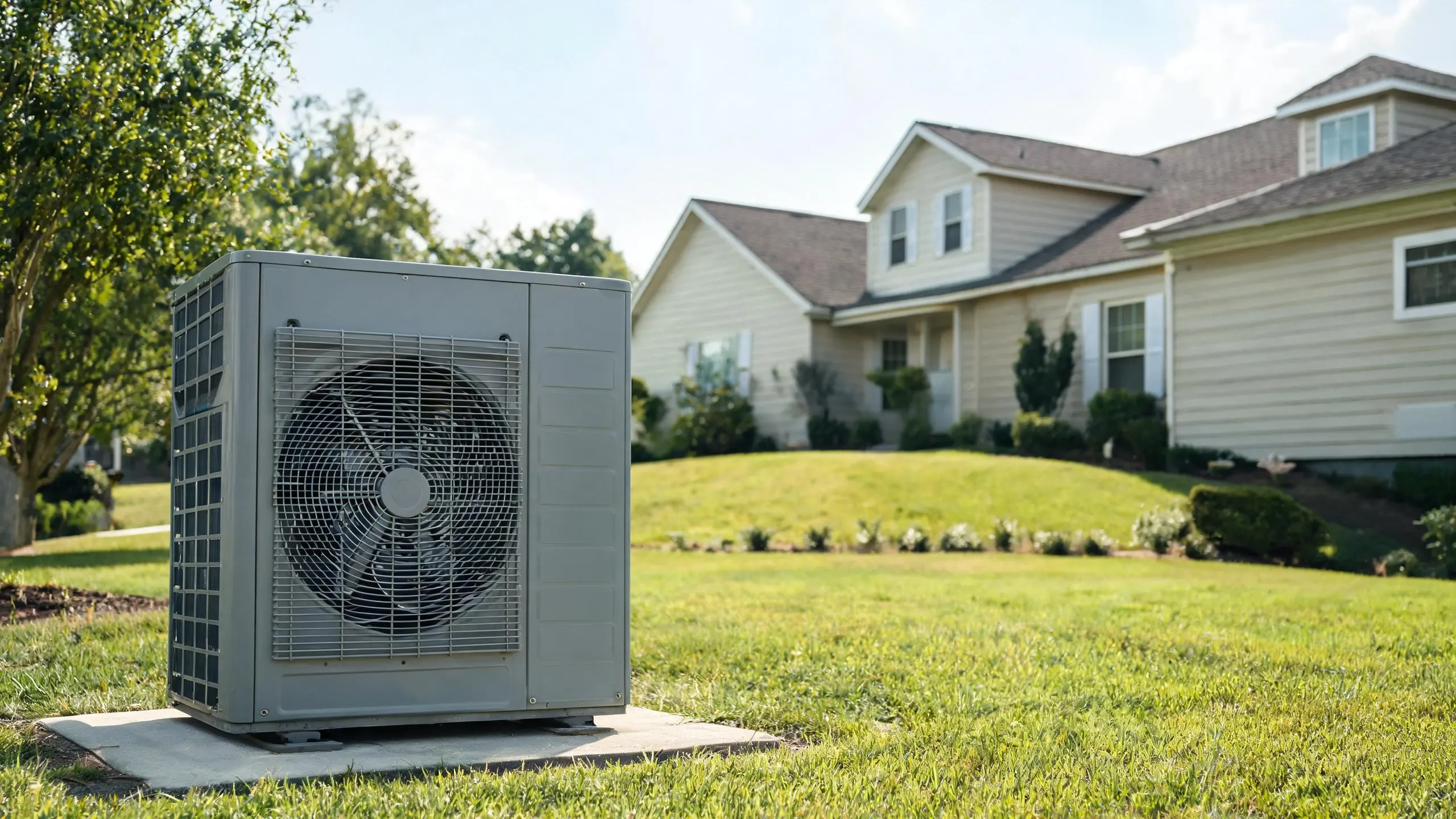
A gray outdoor HVAC condenser unit mounted on a concrete pad in the front yard of a two-story suburban house.

Heat Pump Repair in Waco, TX

Tell us about the job

Takes about a minute. No obligation.

Step 1 of 3: Equipment

Most heat pump calls come down to a handful of usual suspects. The reversing valve sticks and the system gets stuck in one mode, blowing heat when you want cold or the other way around. A low refrigerant charge, from a slow leak at a fitting or coil, shows up as weak heating or cooling and ice on the outdoor coil. The defrost control board can fail and let frost build up on the outdoor unit until it can barely move air. Capacitors wear out and the fan or compressor struggles to start or stops running altogether. Outdoor coils also take a beating from being outside year round, and dirt or bent fins choke off airflow until the system works harder than it should.

5 months
November through March, your system heats
6 months
May through October, it cools
38°F
the average winter night it heats against
94°F
the average summer afternoon it cools against
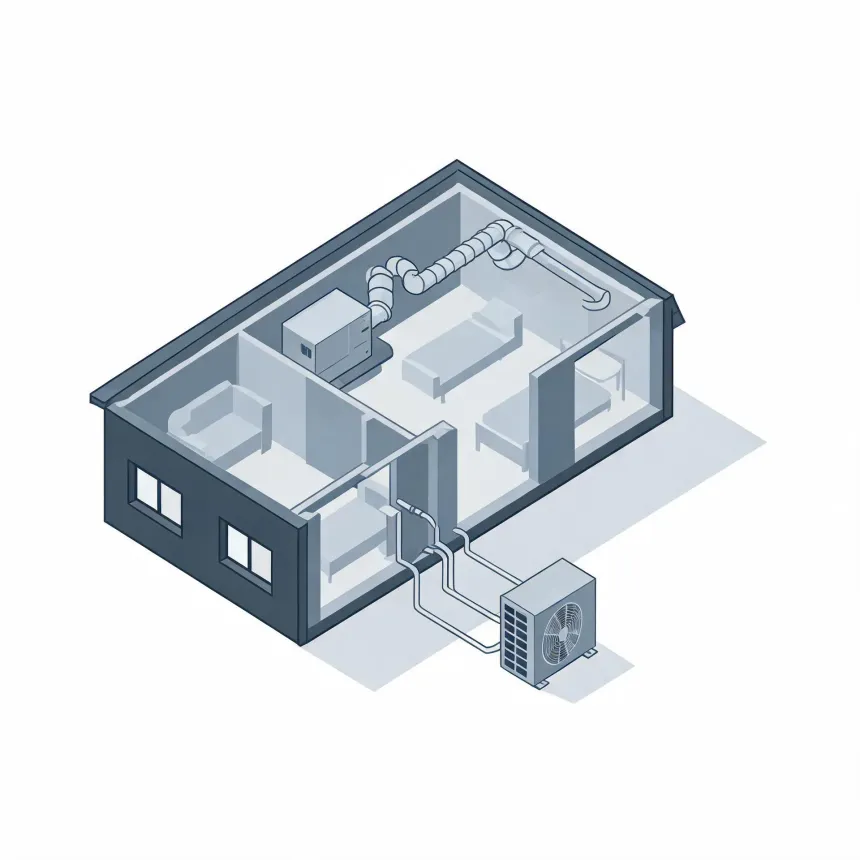
Isometric cutaway illustration of a small house showing interior rooms with furniture, an indoor air handler with flexible ducting, and refrigerant lines running to an outdoor condenser unit beside the building.
Your system heats November through March and cools May through October.

NOAA nClimDiv, 1991–2020 normals

Half the homes in McLennan County were built in 1983 or later.

A heat pump that came with a newer house still has working life in it, and a repair is usually what it needs.

If your heat pump came with the house, get the repair quote before you think about replacement

Half the homes here were built by 1983
102 hail events from 2015 to 2024
Power costs 14.94 cents a kWh statewide
Waco runs its heat pumps on some of the priciest power in the stateTexas homes paid 14.94 cents per kilowatt-hour in 2024, so a repair that gets a heat pump running right is worth doing properly.

October is worth paying attention to. Heat here doesn't run again until November, so a heat pump that's been sitting idle since March gets asked to start cold, and that's when a weak part finally gives out. The reversing valve that was sticking a little last winter will stick harder. A capacitor that's been marginal all summer won't have the strength to start the compressor once it's pulling heat duty instead of cooling duty. Getting it looked at in October, before the first cold snap, means finding that out on your schedule instead of at 11pm when the temperature drops.

Repair it

If your system came with a newer house, it likely has plenty of life left. Repair is usually the right call.

Find a contractor
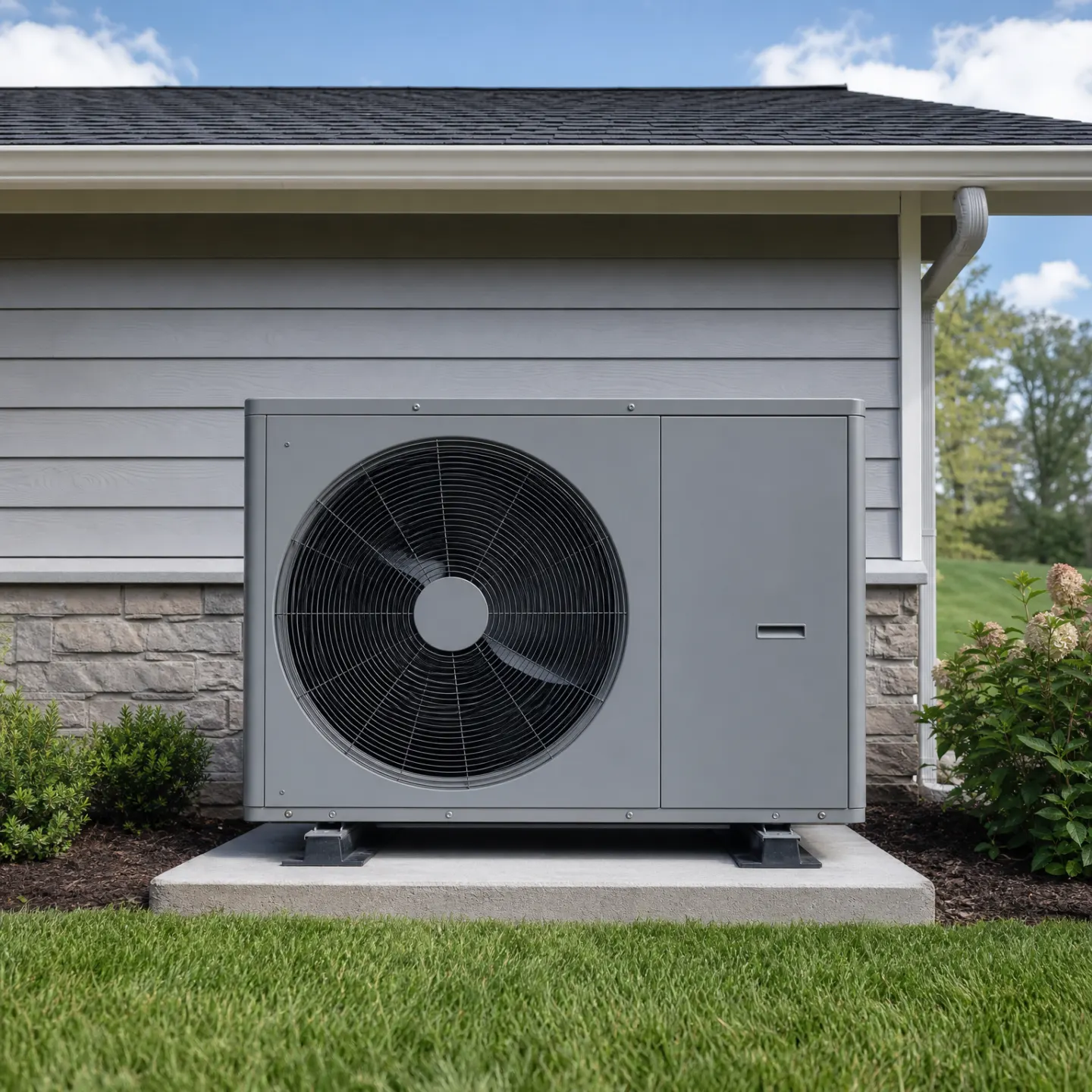
A gray outdoor HVAC unit mounted on a concrete pad beside a house with gray lap siding and a stone foundation.

That outdoor unit has taken more than just the weather

That outdoor unit sits outside year round, and McLennan County saw 102 hail events between 2015 and 2024. Hail dents the cabinet and bends the fins on the coil. Bent fins choke airflow, and a dented panel can work loose or let weather at the wiring behind it. None of that fails the system outright. It just runs worse, drawing harder for the same amount of heat or cool, until a part that was already weak finally quits.

What you'll actually notice first

Air coming out lukewarm instead of hot or cold, or the system blowing the wrong one entirely. Short cycling, where it kicks on and off every few minutes instead of running a full cycle. A hissing or bubbling sound near the lines, or ice building up on the outdoor unit even when it's not that cold out. The system running long stretches without the house ever feeling right.
What's worth a same-week call

Ice on the outdoor coil that doesn't clear on its own, or a system stuck heating when you set it to cool, means a part has already failed rather than just worn down. Those don't get better with time. A system that runs constantly but never quite reaches the temperature you set is working against something, usually low charge or a choked coil, and every day it keeps running that way is a day it's working harder than it should.

A few things are worth checking before you pick up the phone. Look at the outdoor unit first. If the coil is caked in dirt or buried under leaves, airflow is choked and the system will struggle no matter what else is right. Check the thermostat batteries and the setting itself, since a system set to the wrong mode will blow the wrong air and look broken when it isn't. Walk around inside and check that every vent is open and nothing is stacked in front of a return. Look at the breaker box too. A heat pump that won't start at all sometimes just needs a tripped breaker reset, and if it trips again right away, that's worth telling the tech before they even show up. What you shouldn't touch is the refrigerant lines or anything behind the outdoor unit's access panel. Low charge and electrical faults need gauges and training to deal with safely.

The question a tech is really answering is whether the system is fighting itself or whether one part just wore out. A bad capacitor, a failed defrost board, a stuck reversing valve, those are single parts doing a job they were built to do, and putting in a new one brings the whole system back to normal. It reads differently when the compressor itself is failing. That's the one part that can't be swapped on its own without the cost getting close to a new system. Age matters less than people assume. A heat pump that's been kept up, with clean coils and a charge that's never been let go low, can outlast one that's much newer but spent years choked with dirt or running on a slow leak. The honest answer comes after the tech sees what's actually wrong, not before.