Texas Cooling Help
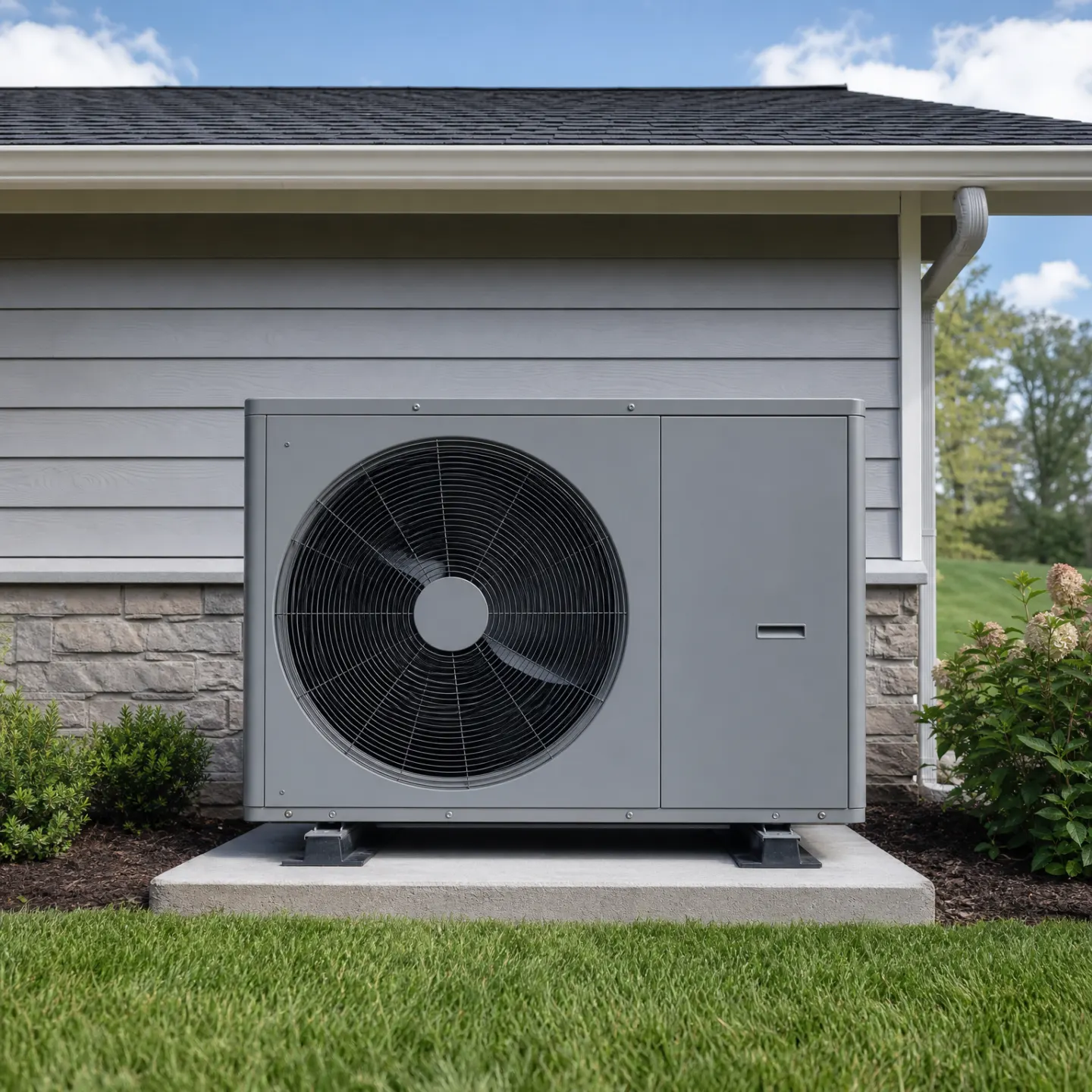
A grey outdoor HVAC unit mounted on a concrete pad beside the beige-sided exterior wall of a suburban house.

Heat Pump Repair in Canyon, TX

Tell us about the job

Takes about a minute. No obligation.

Step 1 of 3: Equipment

Air that isn't warm means trouble

A heat pump blowing air that feels room temperature instead of warm is a sign, not a quirk. It usually means the system is stuck in defrost or losing refrigerant charge. Either way, it is not heating the house the way it should.

Short cycling wears the system down

A heat pump that kicks on and off every few minutes instead of running a full cycle is short cycling. The compressor and the reversing valve take the brunt of that wear, and it tends to get worse the longer it runs that way.

7 months
October through April, your system heats
5 months
May through September, it cools
25°F
the average winter night it heats against
91°F
the average summer afternoon it cools against
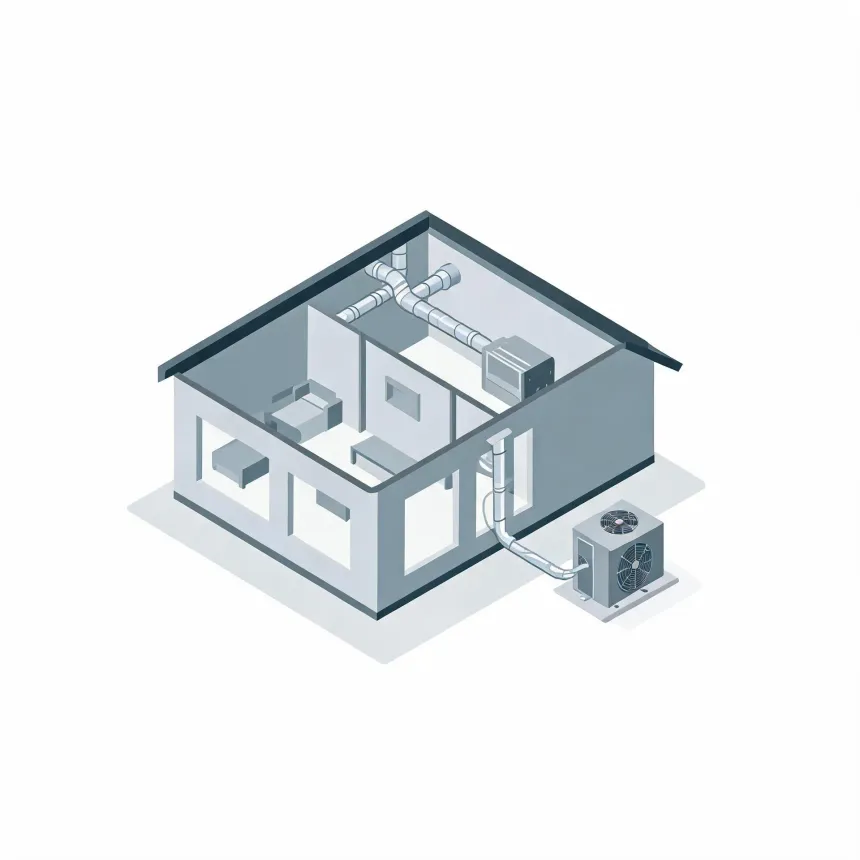
Isometric illustration of a cutaway house showing interior rooms, ceiling ductwork and an air handler, connected by lines to an outdoor condenser unit on a pad beside the building.
Your system heats October through April and cools May through September.

NOAA nClimDiv, 1991–2020 normals

Half the homes in Randall County were built in 1986 or later.

A heat pump that came with a house that age still has years left in it, and a repair call is the way to find out what it needs.

Wind, hail and power costs here are nothing a heat pump isn't built for

Power costs 14.94 cents a kWh statewide
172 damaging wind events from 2015 to 2024
197 hail events from 2015 to 2024
Nothing unusual about Canyon weatherRandall County sees cold winter nights and its share of hail and wind, nothing a heat pump isn't built for

October is when heat here gets its first real workout of the year, and that first cold snap is when a weak part finally gets asked to do something it couldn't do in September. A heat pump that struggled at the end of last winter doesn't fix itself over the summer. It sits, then gets switched back over to heating and has to carry the house for seven months straight. If something was marginal, the first few weeks of October are when it shows up. Getting a repair looked at in September or right as October starts means it gets handled before the system is leaned on every day.

Repair it

If your system came with a newer house, it likely has plenty of life left. Repair is usually the right call.

Find a contractor
A man in a dark shirt and tan work pants, seen from behind, carries a canvas tool bag up concrete steps toward an orange front door flanked by gray siding and a potted shrub.
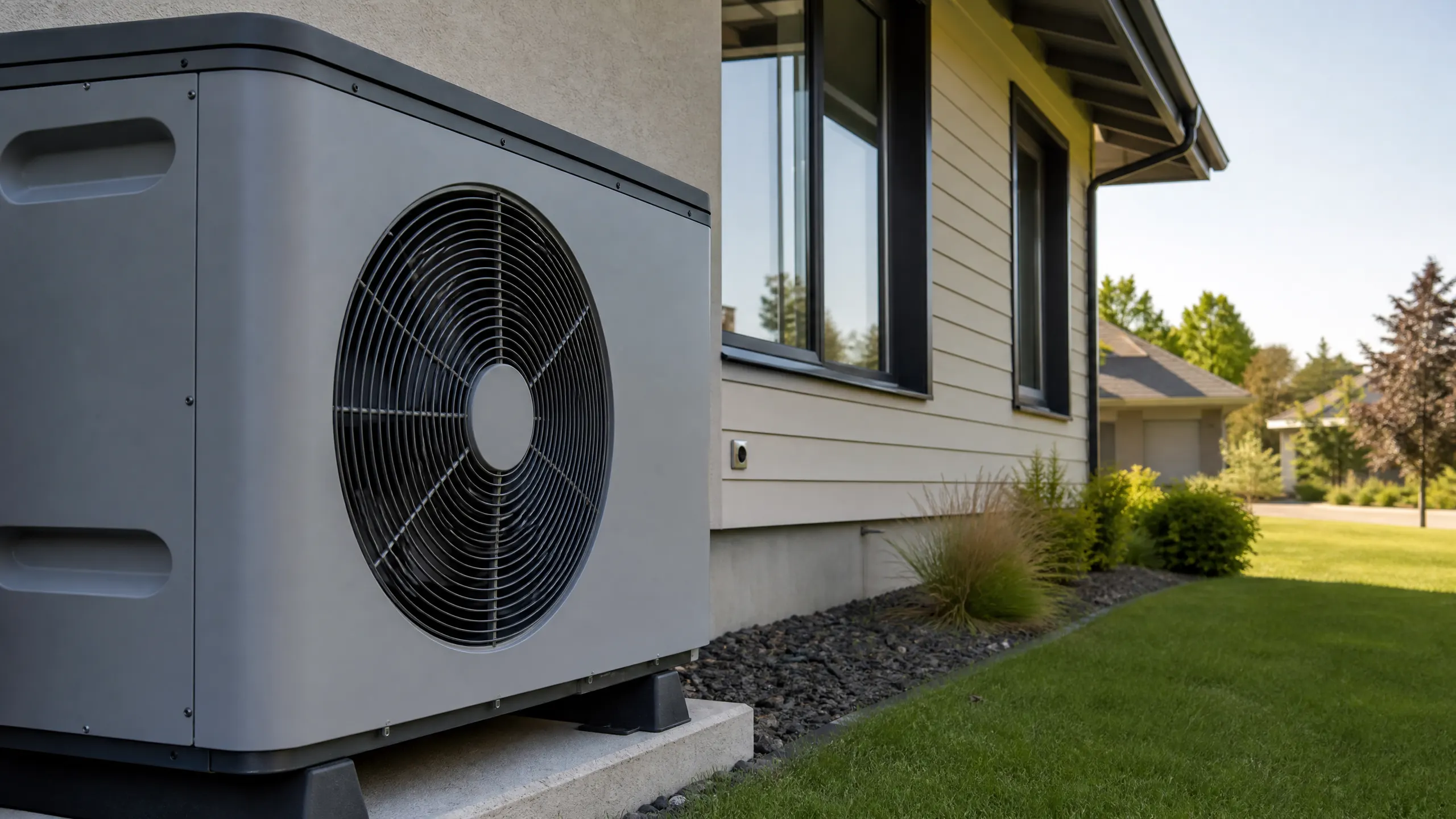
A gray outdoor HVAC unit mounted on a concrete pad beside a house with gray lap siding and a stone foundation.

Built in 1986 or later, still early in its life

A heat pump that's a few years old is worth getting looked at rather than replaced. Most parts on it, the reversing valve, the compressor, the board, can be repaired on their own without touching the rest of the system. If yours came with the house, a repair call is how you find out what it actually needs instead of guessing.

A failing part rarely fails alone

A compressor running low on charge draws more current than it should, and that extra heat builds up in the windings every time it cycles. A reversing valve that's sticking gets worse each time it's forced to switch. The system doesn't wait for a good time to fail completely, it just gets closer with every run hour.

Waiting changes what the repair is

Catch a weak capacitor early and the fix is the capacitor. Let the compressor keep starting hard on it and the compressor can take the damage too. The same visit that would have swapped one part now has to deal with the part that failed and the part it dragged down with it.

Before anyone comes out, a few things are worth checking. Look at the outdoor unit. A light frost in cold weather is normal, but ice covering the whole coil or cabinet is not, and that's worth mentioning when you call. Check the thermostat is set to heat, not cool or off, and that the setpoint is actually above room temperature. A setting bumped by accident looks exactly like a system failure. Walk through and check that supply vents are open and not blocked by furniture or rugs. Check the breaker for the outdoor unit hasn't tripped. None of this fixes a reversing valve or a low charge, but it rules out the simple stuff first.

A diagnostic call starts outside at the unit itself. A tech checks the refrigerant pressure, the amp draw on the compressor, and whether the reversing valve is actually switching when it's told to. Inside, they'll check the air handler for proper airflow and look at the board for a fault code, since most heat pumps log what went wrong before they quit. Static pressure gets checked too low airflow across the indoor coil is behind a lot of calls that look like a bigger problem than they are. All of it gets checked before anything gets replaced, because a weak capacitor and a failing compressor can look the same from the thermostat but call for a completely different repair.