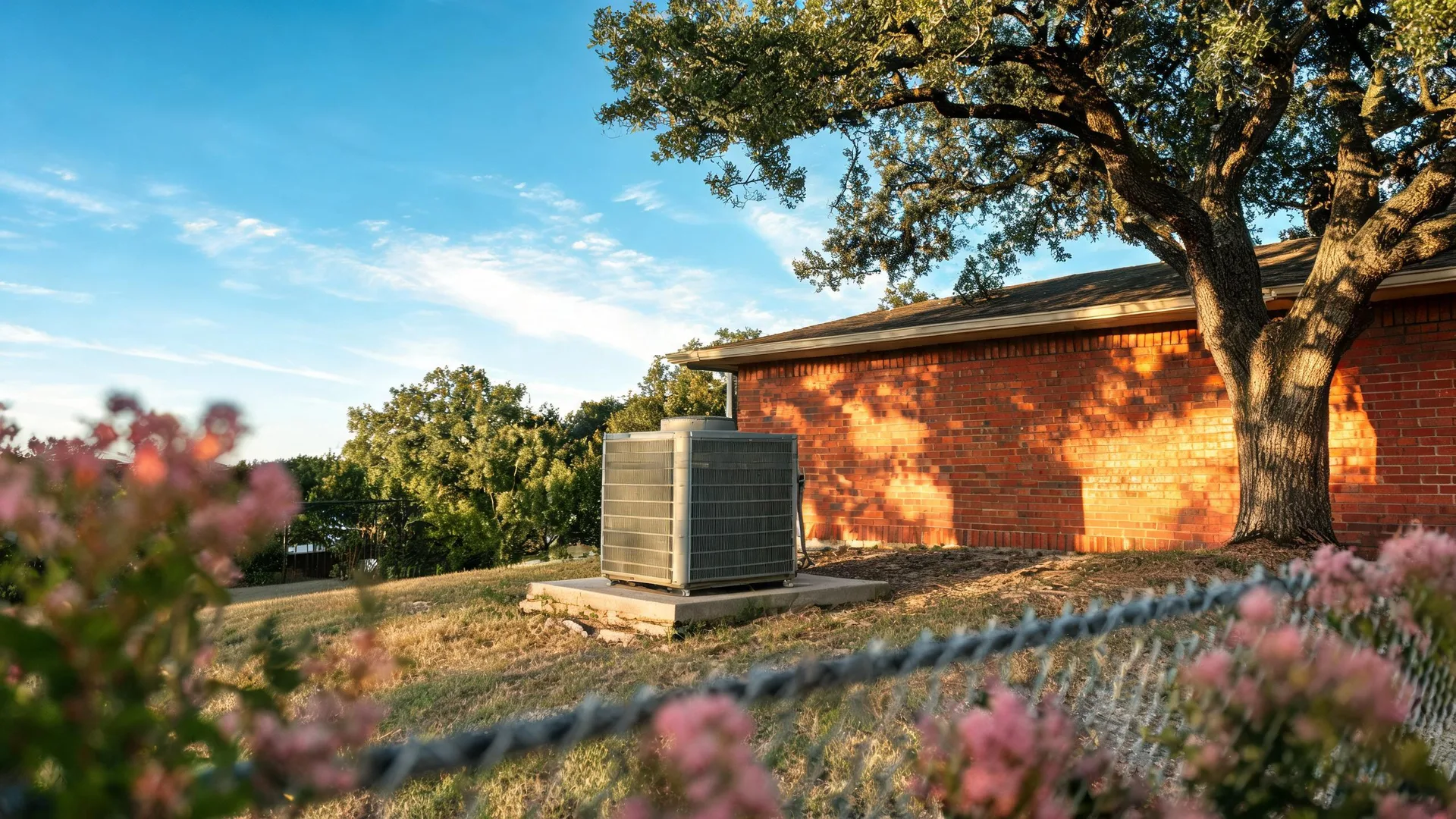
Hail and wind find the outdoor unit
Tarrant County logged 416 hail events between 2015 and 2024. That outdoor unit sits outside taking all of it, year after year.
Takes about a minute. No obligation.
Tarrant County logged 416 hail events between 2015 and 2024. That outdoor unit sits outside taking all of it, year after year.
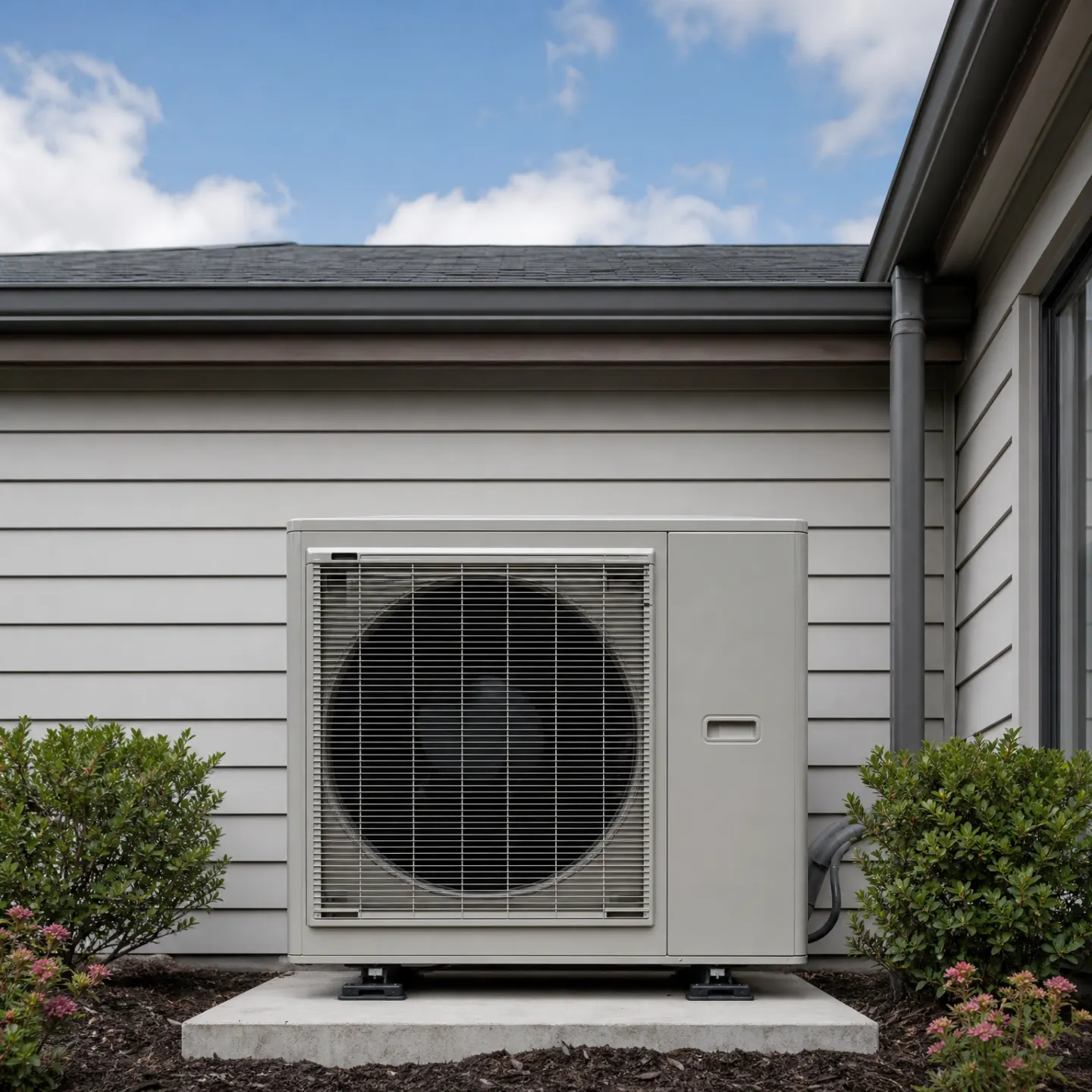
A heat pump can still turn on after hail bends its fins or debris nicks the coil. It just works harder and wears faster doing it. If a storm came through, that's worth a look even with no obvious problem yet.
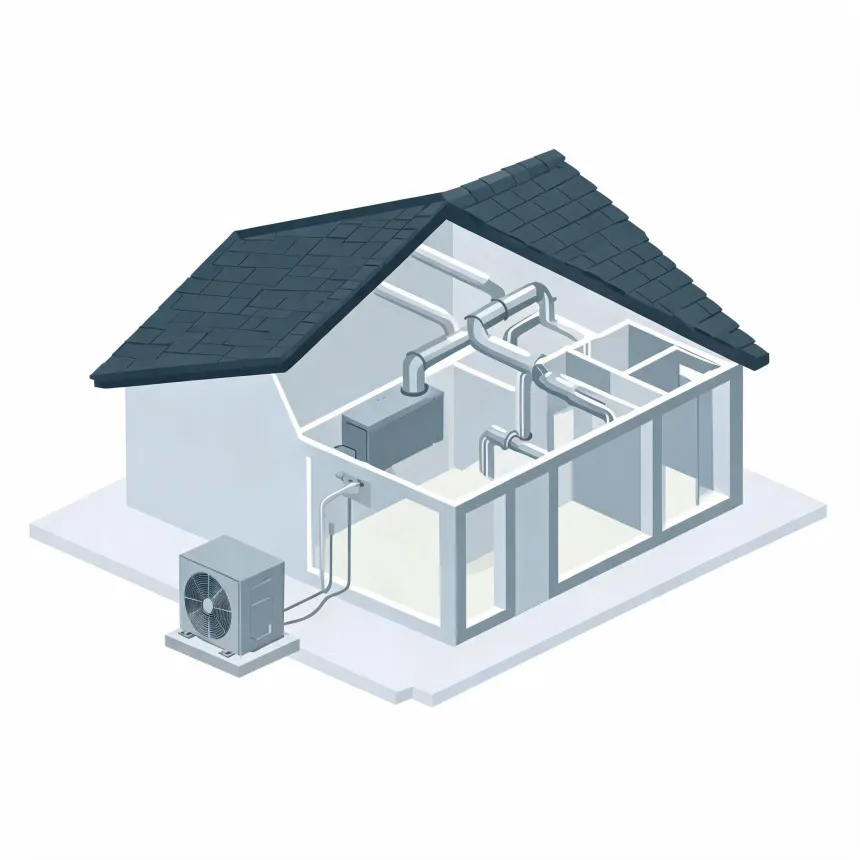
NOAA nClimDiv, 1991–2020 normals
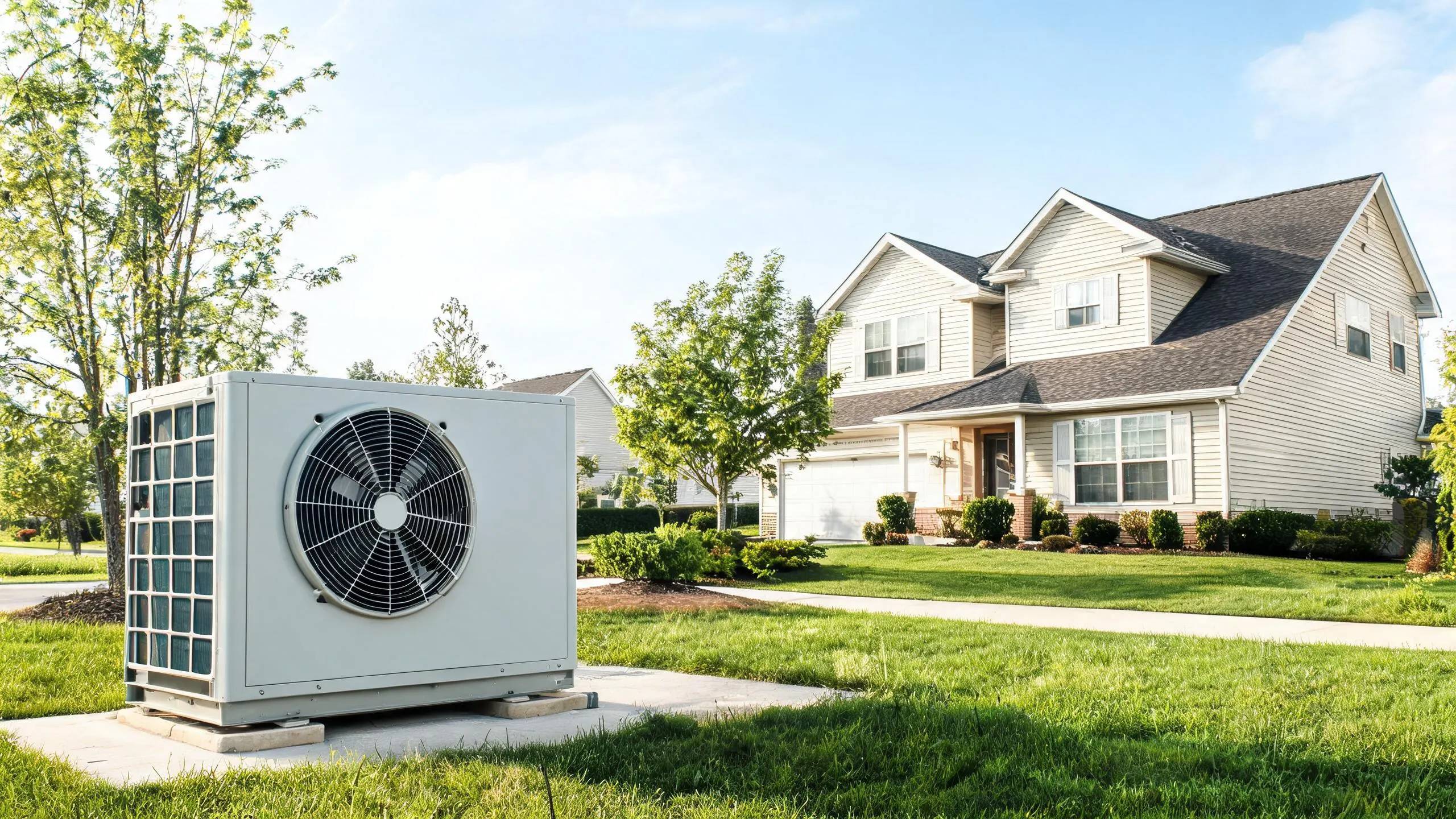
Tarrant County saw 253 damaging wind events between 2015 and 2024.
Wind that strong can rack a heat pump's cabinet and loosen what's inside it, even when the unit still runs.




October is when homes in Tarrant County switch over to heat after months of running cooling only. That switch tends to be where a weak part shows itself, not in the easy weeks before it. A contactor or capacitor that was already marginal usually gives out in those first cold mornings, once the heat side finally has to carry the load. The same thing happens in reverse come May, when the system shifts back to cooling after sitting idle all winter. The problem was likely there before the season started. Running the system through the change is just what brings it out.
Fort Worth gets hard storms most places don't. If a heat pump still runs after one, that's not the same as it coming through fine. A check now catches bent fins or a loose panel before they turn into a bigger repair.
Find a contractorHalf of Tarrant County's homes were built in 1990 or later, so there's a good chance yours is one of them. A heat pump that age hasn't hit the point where parts are worn out across the board. When something's not working right, that points toward a single failed part rather than a system in decline. Worth getting it diagnosed before anyone talks about replacing the unit.
A heat pump in cooling mode blowing air that's room temperature or warm usually means the reversing valve is stuck, or the refrigerant charge is low. Neither fixes itself, and running the system in that state just makes the compressor work harder for no result.
A heat pump that shuts off a few minutes after starting is usually tripping on a safety switch, often from restricted airflow or a sensor reading wrong. One that runs constantly and never satisfies the thermostat is usually losing refrigerant or struggling with a failing compressor. Both wear the unit down fast the longer they go unaddressed.
A compressor working against low refrigerant or a bad valve draws on the same windings and bearings the whole time it runs, and those wear from the strain, not just from age. A restricted coil forces the system to run longer to move the same heat, so parts that would have lasted years start failing in months. Ice on the outdoor coil shows this clearly. A little frost melts off on its own. Once it builds up faster than the defrost cycle clears it, airflow drops further and the ice grows worse each hour the unit runs. None of this gets better with time. The part that's already failing keeps doing the same job, just under worse conditions.
The question is usually about one part, not the whole system. A heat pump that won't switch between heating and cooling might just need a new reversing valve. One that's lost refrigerant has a leak somewhere in the line, not a dying unit. Those are worth fixing on their own terms. What changes the math is the compressor. It's the most expensive part to replace, and if it's the thing failing, a contractor will usually walk you through whether putting money into that unit still makes sense. Everything short of that is a component repair on a system that still has its working life ahead of it.