
AC Repair in Texas
Homes in Texas run cooling for more months of the year than in 45 of the other 49 states.
Tell us about the job
Takes about a minute. No obligation.
- 94°Fsummer afternoon high where people live
- 7 monthsof cooling, April through October
- 14.94¢ per kWhwhat homes paid for power in 2024 (kWh means kilowatt hours, the unit on an electric bill)
- 12,619hail events from 2015 to 2024
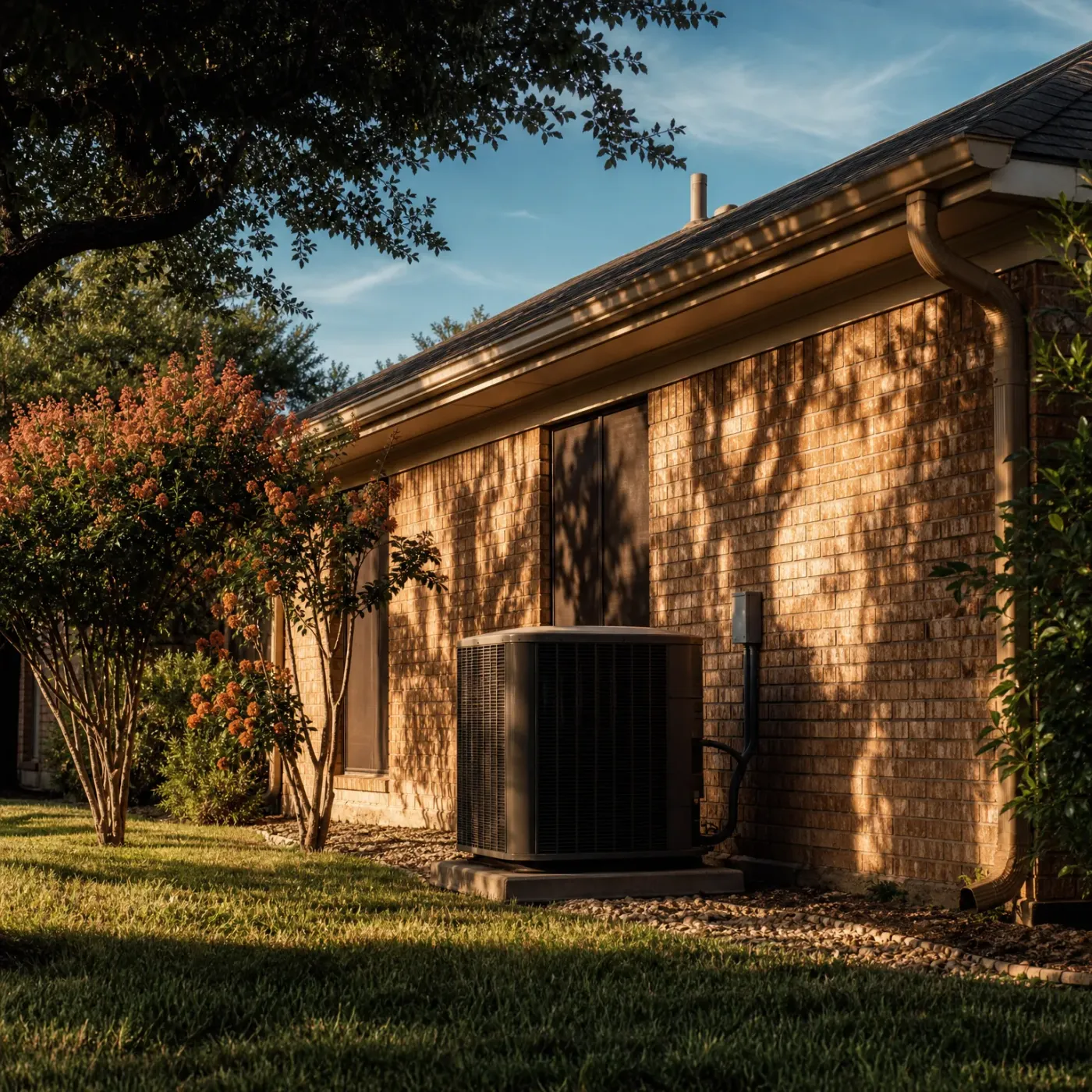
Hail and wind batter outdoor units here. Have it checked after any bad storm.
- Southern counties need about 27% more cooling than northern ones
- Summer afternoons average 94°F where people live
- Cooling runs April through October
- 12,619 hail events from 2015 to 2024
- 11,436 damaging wind events from 2015 to 2024
- 33% of homes lost power a day or more in 2024


- Cold air returning to every room, not just the one near the thermostat
- The outdoor unit cycling on and off the way it's supposed to, not short cycling every few minutes
- A contractor who checks the refrigerant charge instead of just topping it off and hoping
- The condensate drain cleared so water isn't backing up into the pan or the ceiling below it
- A capacitor or contactor swapped out before it strands you with a unit that won't start at all
Texas homes pay more for electricity than homes in 27 other states, and air conditioning is the biggest draw on that bill most summers.
A struggling AC unit wastes power every day it runs like that, so a repair put off is a cost you keep paying.

Texas summers don't let a system coast
Seven months of cooling a year wears parts down faster than most places ever see.
Cooling runs here from April through October, seven months straight, longer than nearly every other state. Summer afternoons average 94 degrees. A system working that many hours a day, that many months a year, puts real strain on the capacitor, the contactor, the fan motor, the parts that wear first. A repair that gets the air cold again without finding what caused the problem usually means the same breakdown shows up again before the season's out. Diagnosing it right the first time matters more here, because the heat isn't done asking things of that unit.
Cooling need isn't the same everywhere in the state. Homes across the southern counties need about 27% more cooling over a year than homes across the northern counties, and that gap shows up in how long the system runs, not just how hard.
In Hidalgo County, cooling runs about 10 months a year, the longest stretch in the state. In Deaf Smith County, it runs about 4. A unit working nearly year-round wears differently than one that gets months to sit idle.
Dallam County has the lowest cooling need in the state. Hidalgo County needs about three and a half times as much cooling over a year. A capacitor or contactor working against that kind of demand year after year doesn't get the same rest one in Dallam County gets.
Summer afternoons hit hardest in Zapata County, where the high averages 99°F across June, July and August. In Jeff Davis County, the average is 90°F. That difference falls on the compressor, which has to work against it all afternoon, all summer.
Where the problem shows up changes what to check first. A unit that's been running longer and against hotter afternoons is worth checking for motor wear and refrigerant charge even if the air still feels cold. A unit that sits idle most of the year is more likely to fail on startup, or to have a problem that went unnoticed during the months it wasn't running.
What does an AC in Texas face?
How hot do summer afternoons get?
94°Faverage afternoon high where people live
Alaska66°F
Arizona101°F
How many months does the cooling run?
7 monthsof cooling a year
Alaska0 months
Hawaii12 months
What does electricity cost?
14.94¢per kWh, what homes paid in 2024
North Dakota11.51¢
Hawaii42.86¢
How often do storms hit?
292severe weather events per county from 2015 to 2024
Alaska5
Wyoming1,057
How many homes lost power for a day or more?
33%of homes in 2024
Arizona7%
Maine54%
The first hot week finds what winter hid
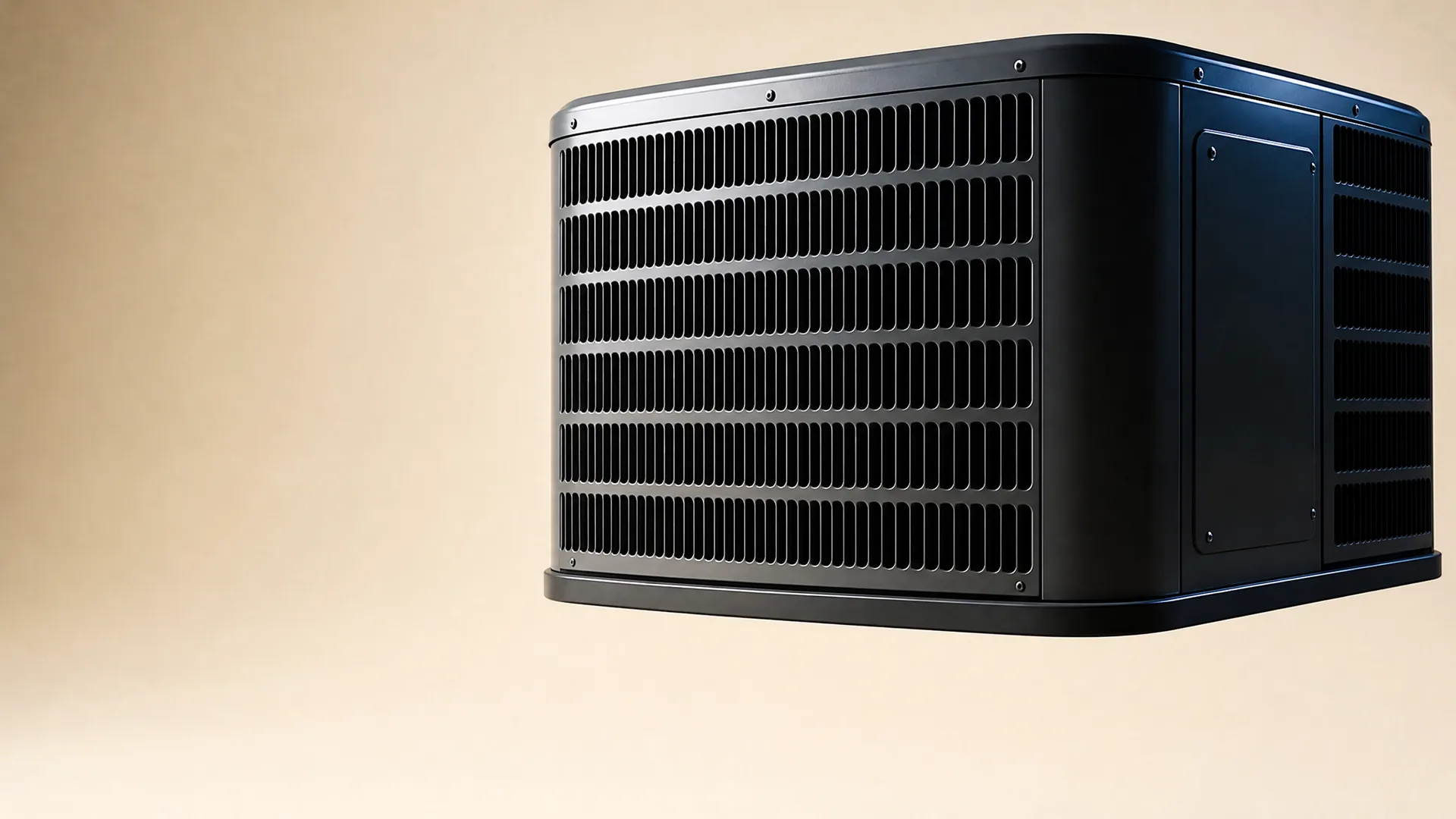
April is when it starts earning its keep again after sitting idle since October. A weak capacitor or a contactor with worn contacts can get through mild weather without giving itself away, then fail the first week it has to run all afternoon. That's why early season breakdowns happen so often. The part was already going. It just hadn't been tested yet.
What usually goes wrong
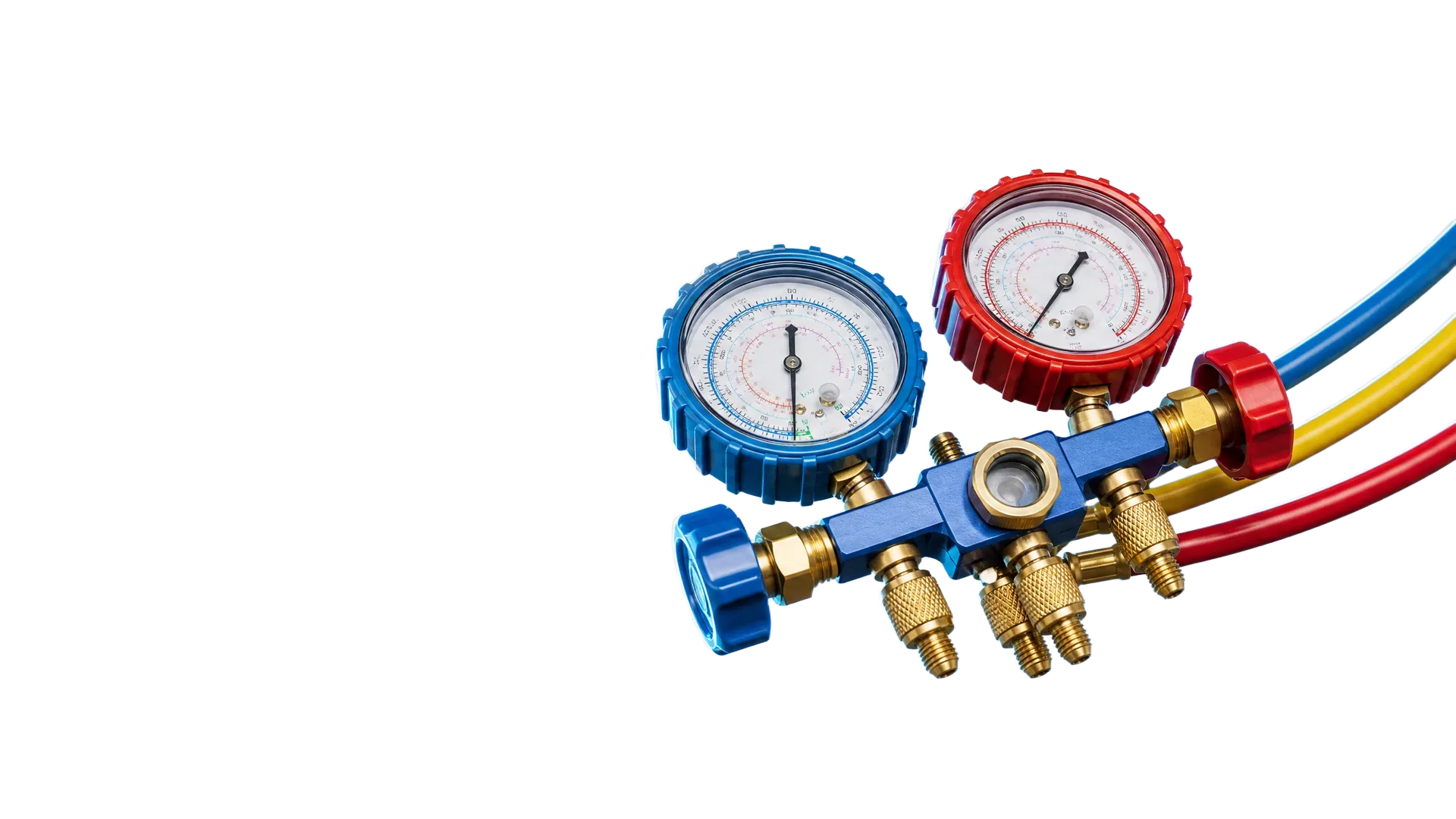
Most AC failures start with the same handful of parts. The capacitor gives the compressor and fan motor the jolt they need to start, and it weakens slowly, so the unit still runs until the day it just doesn't. The contactor is the switch that sends power to the outdoor unit every time the thermostat calls for cooling, and its contacts pit and burn with age until they stop making a clean connection. The fan motor can seize or start running slow, which cuts the airflow the system needs to dump heat outside. Low refrigerant almost never means the system burns it off. It means there's a leak somewhere in the line, and adding more without finding the leak just delays the same call. The condensate drain clogs with algae and dust until water backs up and trips the float switch or spills out where it shouldn't. Dirty coils make the whole system work harder to move the same heat, which stresses every part downstream of them. None of these show up out of nowhere. They're wear that was already happening before the day the unit quits.
A newer house usually means a newer system
Half the homes in Texas were built in 1992 or later, and that's newer than what you'll find in 44 other states. A system that came with a house built in the last few decades isn't automatically in good shape, but it's less likely to be fighting age on top of everything else. If your AC is original to the house and the house is newer, the problem in front of you is more likely a worn part than a unit at the end of its life. That's worth knowing before you decide whether to fix it or replace it.
A bad storm can knock something loose in your outdoor unit even if the AC still runs.
Tell us about the job
Takes about a minute. No obligation.
Fill out the form and a licensed contractor in your area will get in touch about your AC.