Texas Cooling Help
A twilight view of single-story brick homes on a suburban street, lit by warm amber landscape spotlights that illuminate the facades and surrounding trees.

AC Repair in Austin, TX

Tell us about the job

Takes about a minute. No obligation.

Step 1 of 3: Equipment

Seven months of heat

Your AC runs from April through October here, and afternoon highs average 95°F through June, July and August. That's a long stretch for a compressor and condenser fan to push against, longer than most of the country asks of them.

Hail adds to the load

Travis County saw 147 hail events between 2015 and 2024. A condenser coil that takes a hit doesn't always show damage right away, but it can run less efficiently afterward. Between the heat and the hail, your system has a lot working against it.

7 months
April through October, your air conditioner is on duty
95°F
the average summer afternoon it cools against
147 hail events
in ten years, and hail bends the fins on outdoor coils
103 wind events
in ten years, and wind drives debris into outdoor units
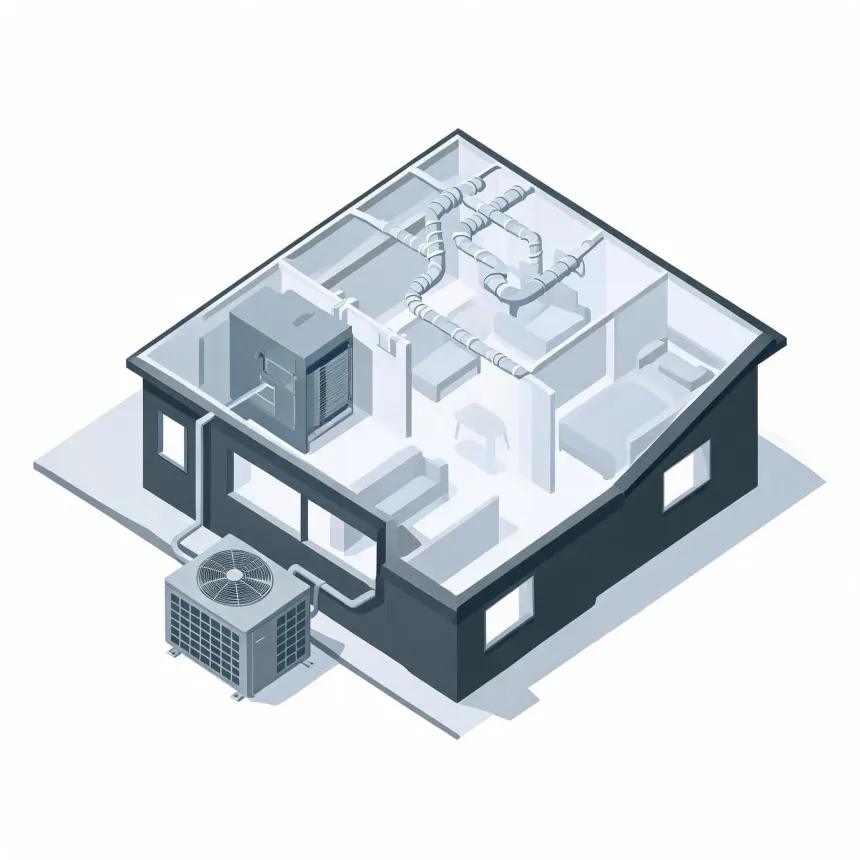
Isometric cutaway illustration of a small house showing interior rooms with furniture, ceiling ductwork and an air handler, plus an outdoor condenser unit connected by refrigerant lines beside the building.
Your air conditioner works hardest from May through September.

NOAA nClimDiv, 1991–2020 normals

Half the homes in Travis County were built in 1999 or later.

A system that came with a newer house usually still has life in it, which makes repair the right first call.

Travis County sees more than its share of hail, wind and power loss

277 severe weather events from 2015 to 2024
33% of homes statewide lost power a day or more in 2024
103 damaging wind events from 2015 to 2024
Running this AC costs more hereTexas homes paid 14.94 cents per kilowatthour for electricity in 2024, and this one runs most of the year.

March is worth a call if your AC has been iffy. Your system starts working for real in April, and whatever was marginal before that tends to fail in the first real stretch of heat, not later in the season. A capacitor that's been weakening or a contactor with some pitting usually gives out early, once the compressor has to run long and hard day after day. Getting it looked at in March means a tech can work it into their schedule instead of an emergency slot. Wait past April and you're waiting in line with everyone else whose AC picked the same week to quit.

Have it diagnosed with the heat and hail in mind

Heat and hail both take a toll on this system, and that's usually what's behind a repair call here. A tech who checks for both before fixing anything gets you a repair that holds.

Find a contractor
A man in a cap, dark T-shirt and work pants carries a worn canvas tool bag up wooden porch steps toward a red front door.
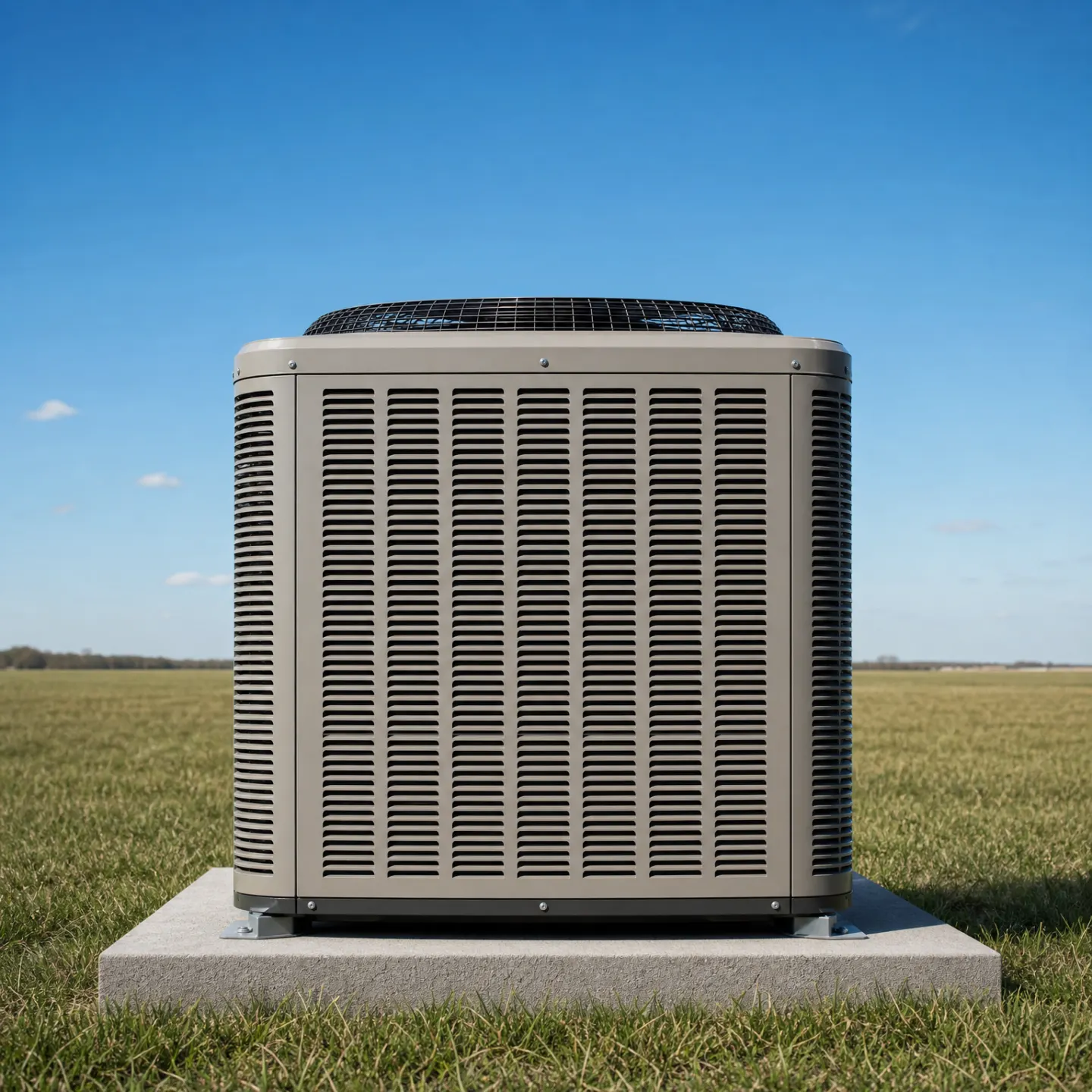
A gray residential air conditioner condenser unit mounted on a concrete pad in an open grass field.

If your house is newer, so is your reason to fix it

Half the homes here were built in 1999 or later, so if yours is one of them, the system was likely sized and installed for that newer house rather than patched into an old one. A newer system is worth repairing. The parts a tech replaces, a capacitor, a contactor, a fan motor, are built to last the system's full run, and there's no reason age should be what decides this call.

Most failures start with the capacitor

The run capacitor holds the charge that gets the compressor and fan motor going and keeps them going. It weakens with heat and age, and when it goes, the fan may spin slow or not at all, or the compressor may hum and trip out. It's the single most common reason a condenser won't start.

The coil and the contactor take the rest

Dirt and debris on the condenser coil make the system work harder to shed heat, and that extra strain shortens the life of whatever runs the longest, usually the compressor. The contactor, which switches power to the compressor and fan, pits and burns from years of making and breaking that connection until it sticks or stops closing at all.

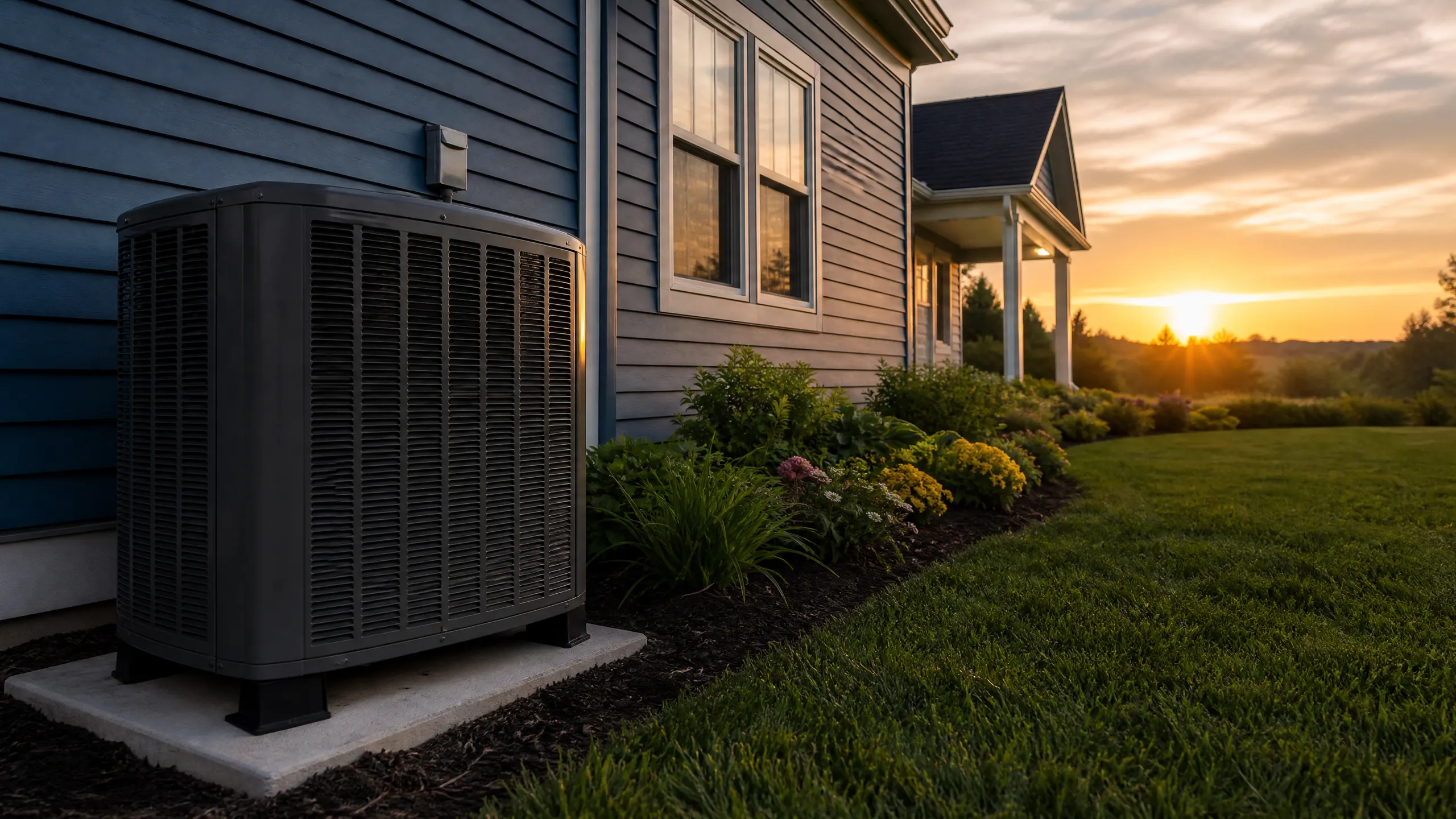
An outdoor air conditioning condenser unit mounted on a concrete pad next to a blue-sided residential house at sunset.

A new air conditioner would cut about $80 a year off cooling for a typical Travis County home.

  • A new one at the federal minimum, 14.3 SEER2$520 a year
  • An older air conditioner$600 a year

Estimates for a typical Travis County home, compared with an older unit built to the previous federal minimum, from EIA household energy data, Texas fuel prices and NOAA climate normals. Your home will differ.

Repair makes sense when a part like a capacitor or contactor has failed.

Replacement makes sense when the compressor has failed or the system uses R-22 refrigerant, which is no longer made.

A repair is worth doing when it fixes one part and the rest of the system is sound. A new capacitor or contactor on a compressor that still runs strong and quiet is money well spent. Replacement starts to make more sense when the compressor itself is failing, since that's the most expensive part to swap and the one the rest of the system is built around. Age matters less than how the system has been running. One that's been reliable and just had a part give out is a different case than one that's needed a tech out every season. If a tech finds the coil clean, the refrigerant charge correct, and the failure isolated to one component, repair holds up. If the compressor is drawing hard, tripping its breaker, or losing refrigerant through a leak that's hard to find, that's the point to ask about replacing the unit instead of chasing the next failure.