Texas Cooling Help
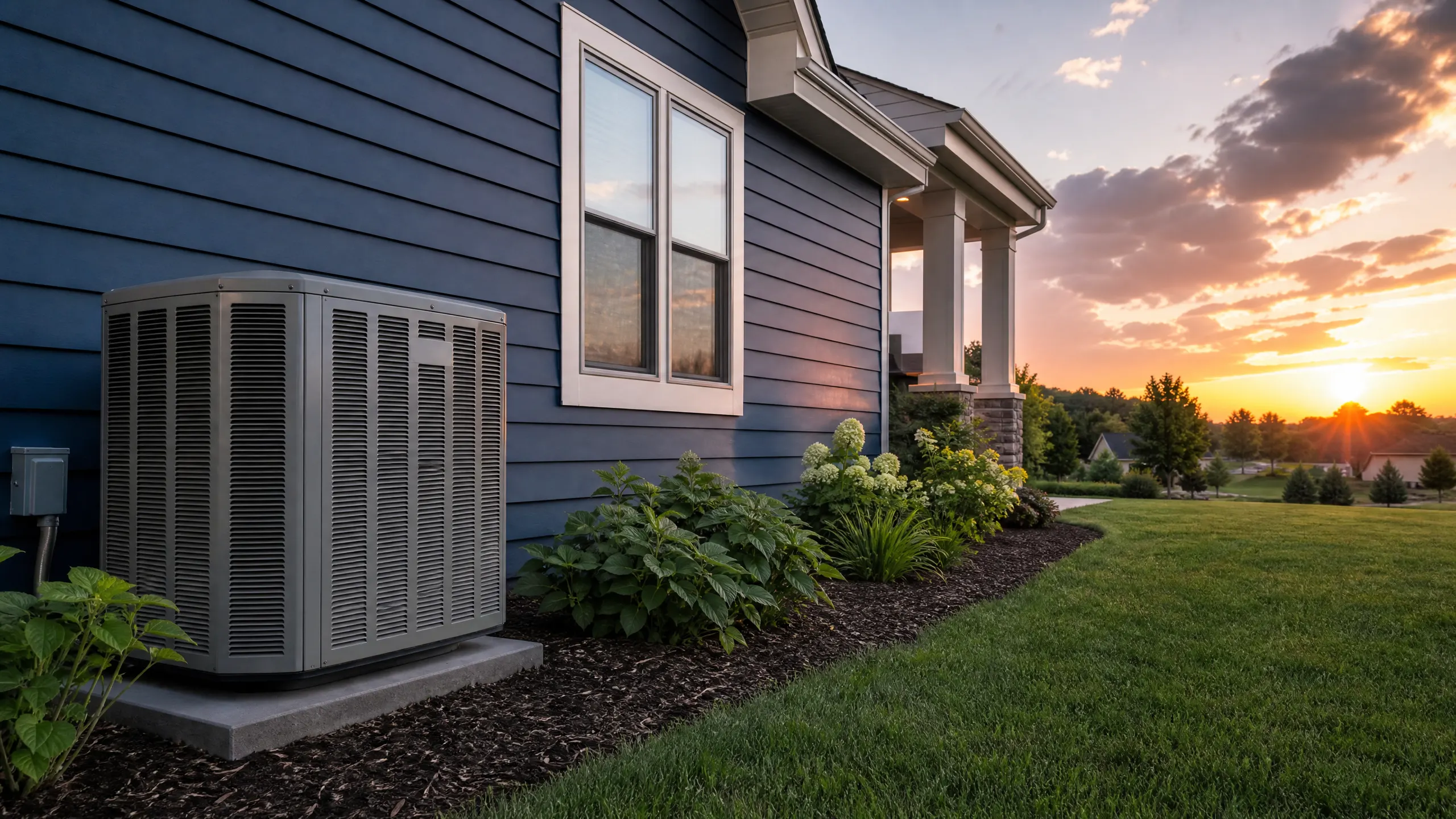
An outdoor air conditioning condenser unit mounted on a concrete pad next to a blue-sided residential house at sunset.

AC Repair in Burleson, TX

Tell us about the job

Takes about a minute. No obligation.

Step 1 of 3: Equipment

The tech checks before touching anything

A diagnostic visit starts with the thermostat setting, the breaker, and the condensate switch, because a full system won't run if that switch thinks the pan is full. From there the tech checks refrigerant pressures, the capacitor, and the contactor before opening anything up. The goal is to find the one part that's actually failing, not to start swapping parts and hope.

What the tech finds changes the job

A failed capacitor or a dirty set of coils is a same-visit fix. A refrigerant leak means finding where it's leaking before anything gets recharged, since charging a system that's leaking just delays the same call. If the compressor itself is bad, the tech will say so, because that's a repair worth weighing against replacing the unit.

6 months
May through October, your air conditioner is on duty
94°F
the average summer afternoon it cools against
98 hail events
in ten years, and hail bends the fins on outdoor coils
59 wind events
in ten years, and wind drives debris into outdoor units
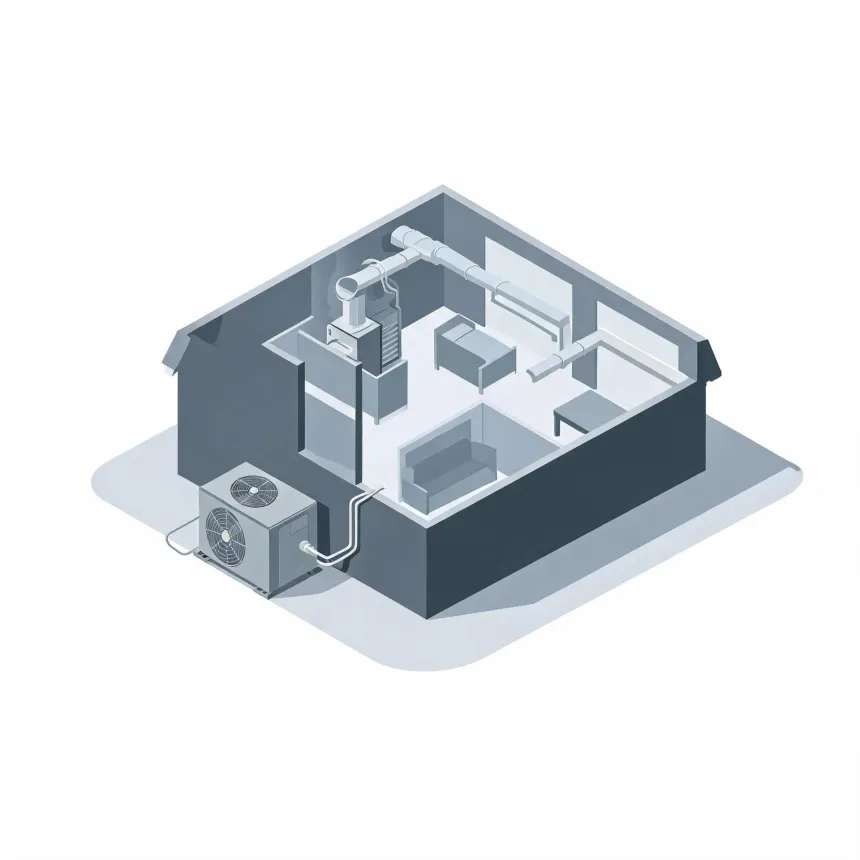
Isometric grayscale illustration of a cutaway house interior showing a furnace with ductwork, interior rooms with furniture, and an outdoor condenser unit connected by lines at the exterior wall.
Your air conditioner works hardest from June through September.

NOAA nClimDiv, 1991–2020 normals

Electricity in Texas ran 14.94 cents per kilowatthour in 2024.

An AC that's struggling to cool still draws power the whole time it runs, so a bad capacitor or low charge adds to the bill every day it's left alone.

Six months of 94 degree afternoons and hail is a lot to ask of one machine

Cooling runs May through October
Summer afternoons average 94°F
98 hail events from 2015 to 2024
Burleson, TX AC RepairCooling runs here May through October, and most breakdowns show up in the first weeks of the season.

Half the houses in Johnson County were built in 1997 or later. If yours is one of them, the AC giving you trouble probably isn't old enough to be worn out on its own. A capacitor or a contactor fails whenever it fails, same with a refrigerant leak, and neither one has much to do with how many years the unit has been running. So before anyone talks about replacing it, it's worth finding out what actually broke. Most of the time on a newer system, that's a part worth fixing, not a unit worth junking.

Stop paying for a struggling machine

Power costs more here, so a machine that's running badly costs you every month. Get it fixed soon.

Find a contractor
A man in a cap, dark long-sleeved shirt and tan work pants climbs wooden porch steps toward an orange front door, carrying a canvas tool bag with tools in it, beside a potted shrub in a terracotta planter.
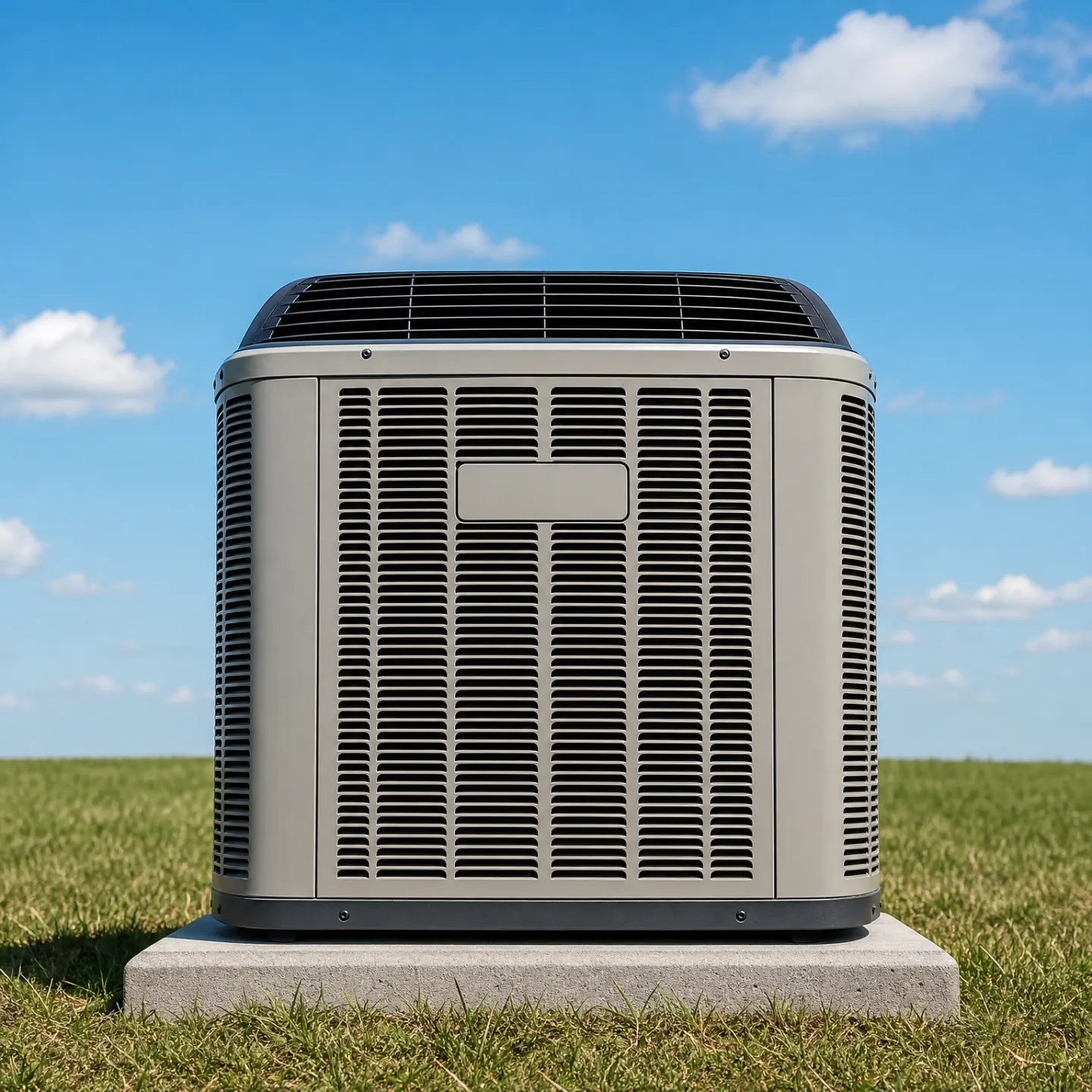
A gray residential air conditioning condenser unit mounted on a concrete pad outdoors, surrounded by green grass under a partly cloudy blue sky.

What tells you it's time to call

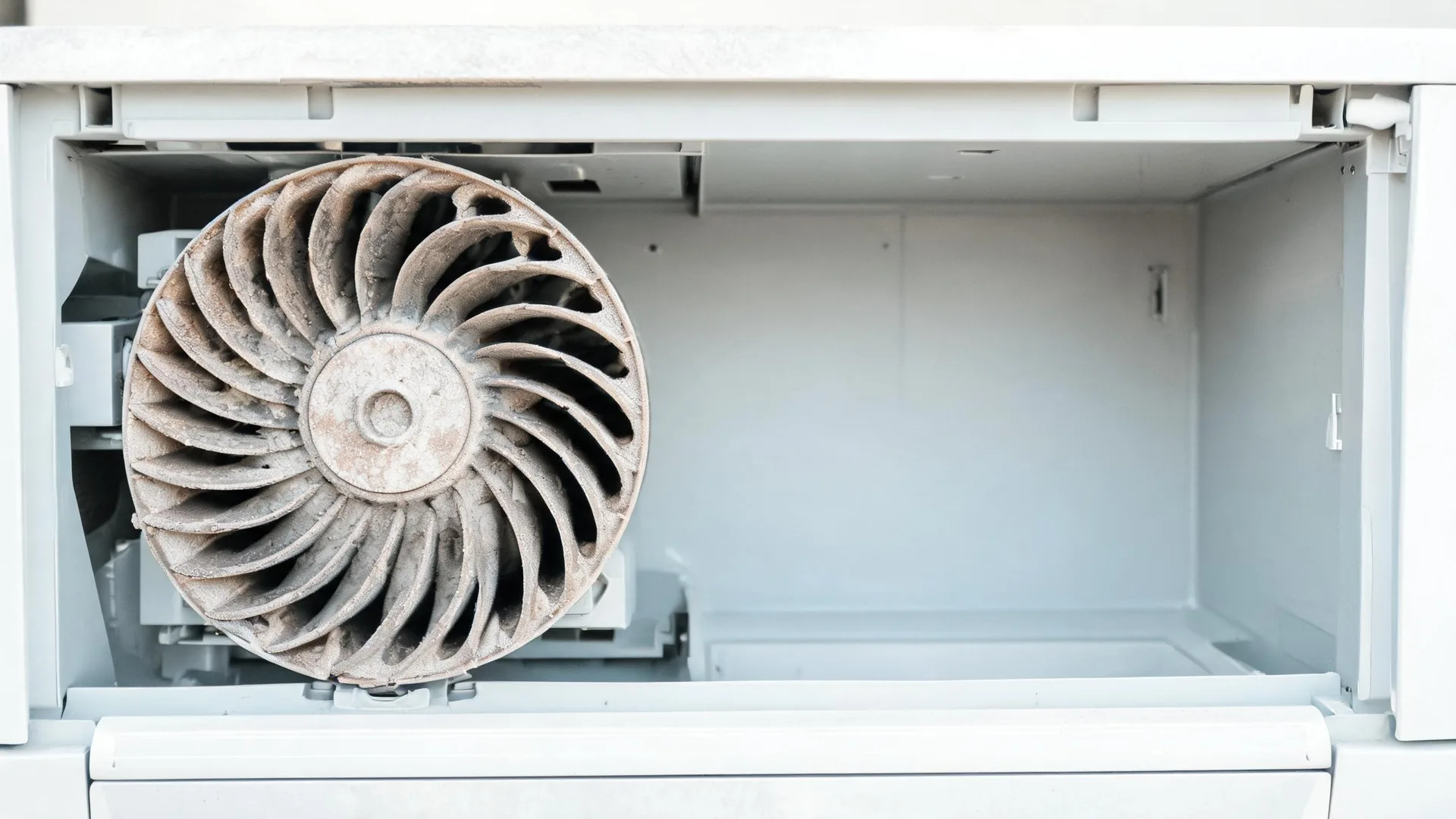
Short cycling is one of the first things an owner notices. The system kicks on, runs a few minutes, shuts off, then starts again before the house has actually cooled. That's hard on the compressor every time it happens. Warm air out of the vents while the unit runs is another one, and it usually points to low refrigerant or a failing compressor rather than anything in the ductwork. If the system runs most of the day and never quite gets the house to the set temperature, the coils could be iced over or the airflow across them is too low to carry the heat away. A grinding or screeching sound when it starts is almost always the condenser fan motor or the compressor itself, not something that gets better on its own. None of these fix themselves by running the system less. Left alone, a struggling unit keeps drawing power and keeps wearing down the part that's already failing.

A frozen coil kills the compressor next

Ice on the coil blocks the airflow that's supposed to carry heat away from the refrigerant. The compressor keeps pumping against that trapped heat anyway. Run it long enough in that state and the compressor overheats, and a compressor failure turns a coil problem into a much bigger repair.

A small refrigerant leak doesn't stay small

Refrigerant lubricates the compressor on its way through the system. A system low on charge is also running low on lubrication, so every hour it runs after the leak starts adds wear to parts that are supposed to be protected. The same leak found early is a repair. Found late, it can mean a compressor that has to be replaced along with it.

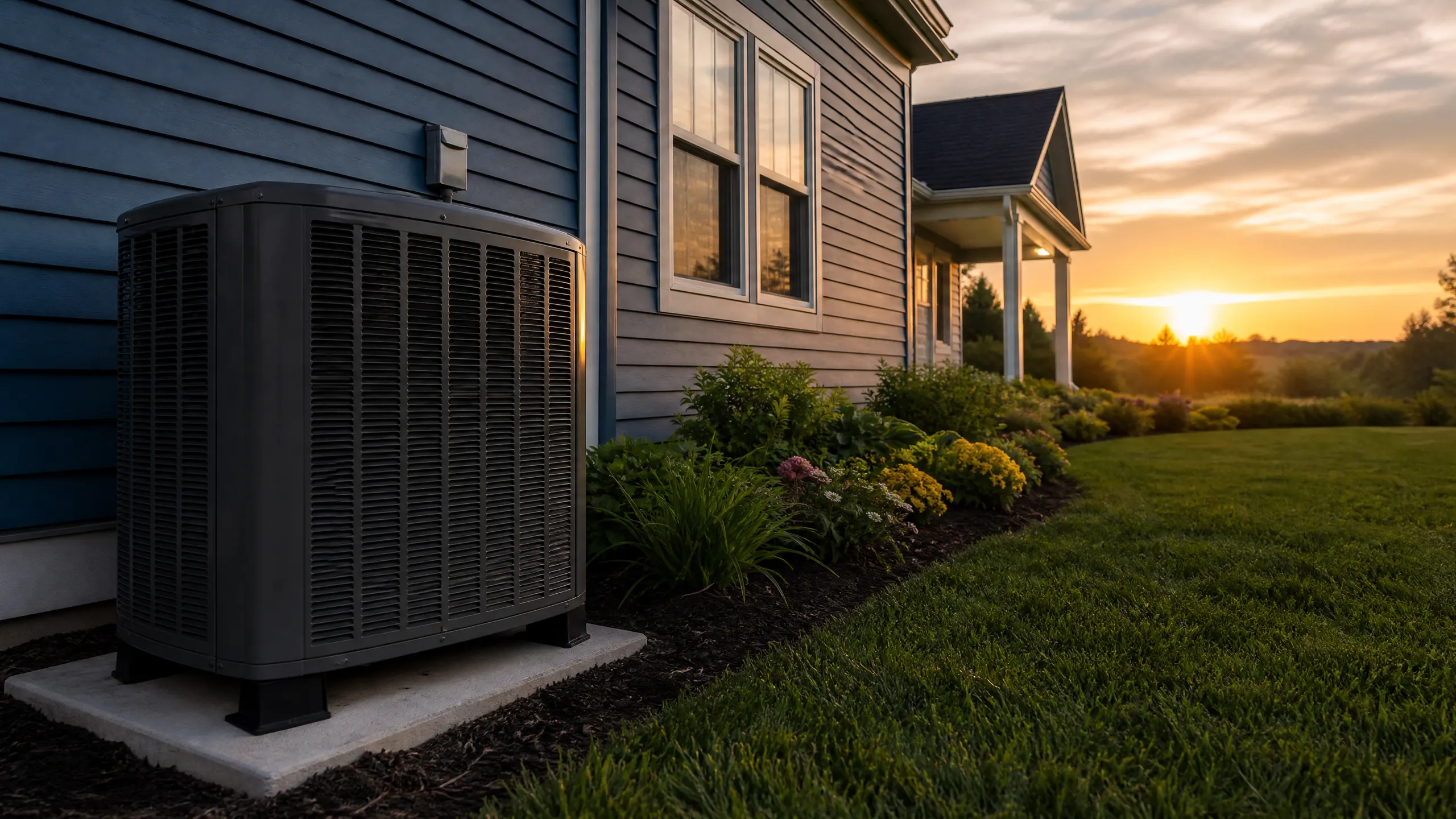
An outdoor central air conditioning unit mounted on a concrete pad beside a blue-sided house at sunset.

A new air conditioner would cut about $70 a year off cooling for a typical Johnson County home.

  • A new one at the federal minimum, 14.3 SEER2$470 a year
  • An older air conditioner$540 a year

Estimates for a typical Johnson County home, compared with an older unit built to the previous federal minimum, from EIA household energy data, Texas fuel prices and NOAA climate normals. Your home will differ.

Repair makes sense when a part like a capacitor or contactor has failed.

Replacement makes sense when the compressor has failed or the system uses R-22 refrigerant, which is no longer made.

Age by itself doesn't tell a tech much. A unit can be new and still have a bad part on it, and a unit can be old and still be sound mechanically if it's been taken care of. What matters more is which part is failing and whether it damaged anything else on its way to breaking. A capacitor replaced quickly costs you the capacitor. A capacitor ignored until the compressor strains against it costs you the compressor too. So the real question isn't how long the unit has been running, it's whether the failure was caught early and whether it's one isolated part or a sign the compressor itself is wearing out. A tech can tell you which one you're looking at. The nameplate on the unit can't.