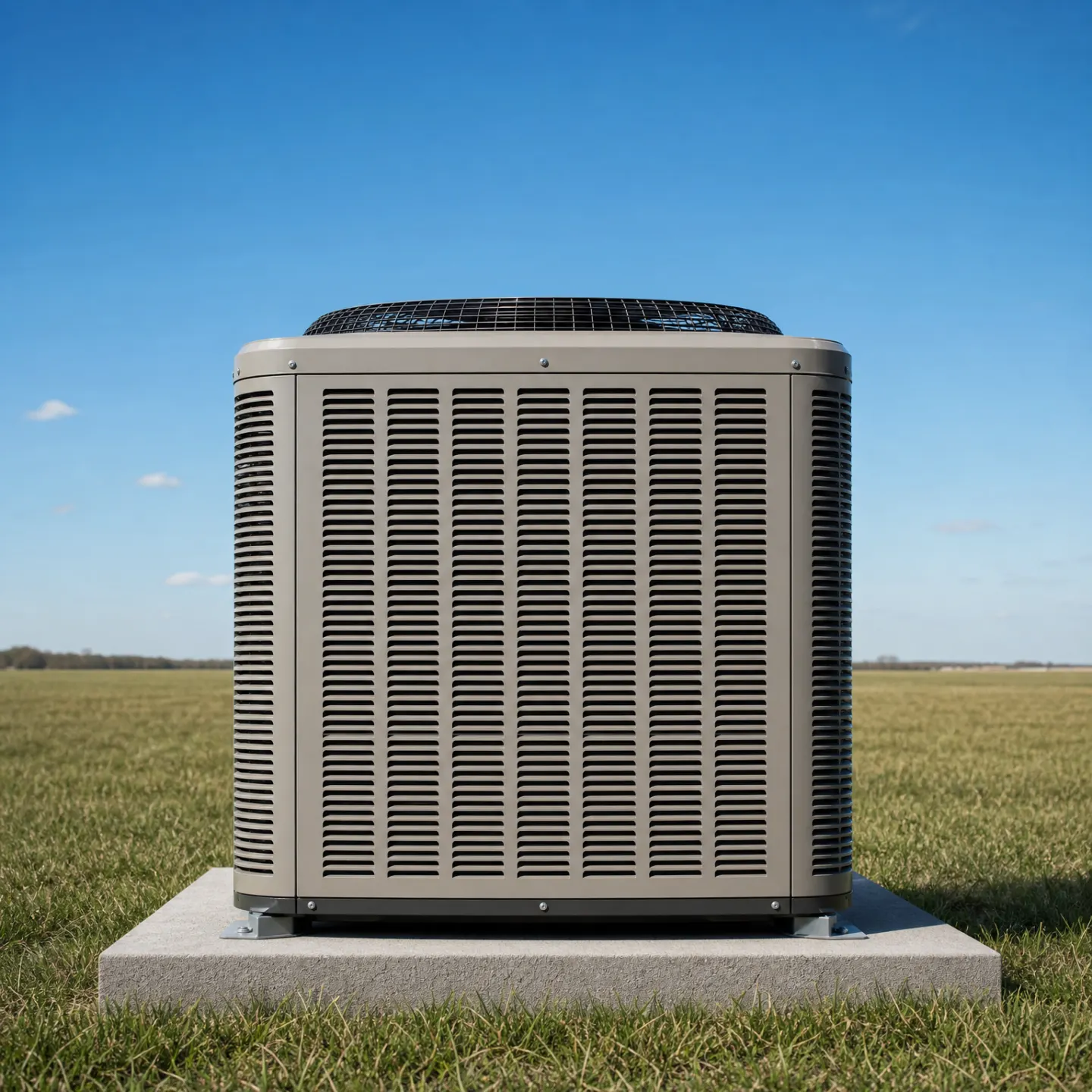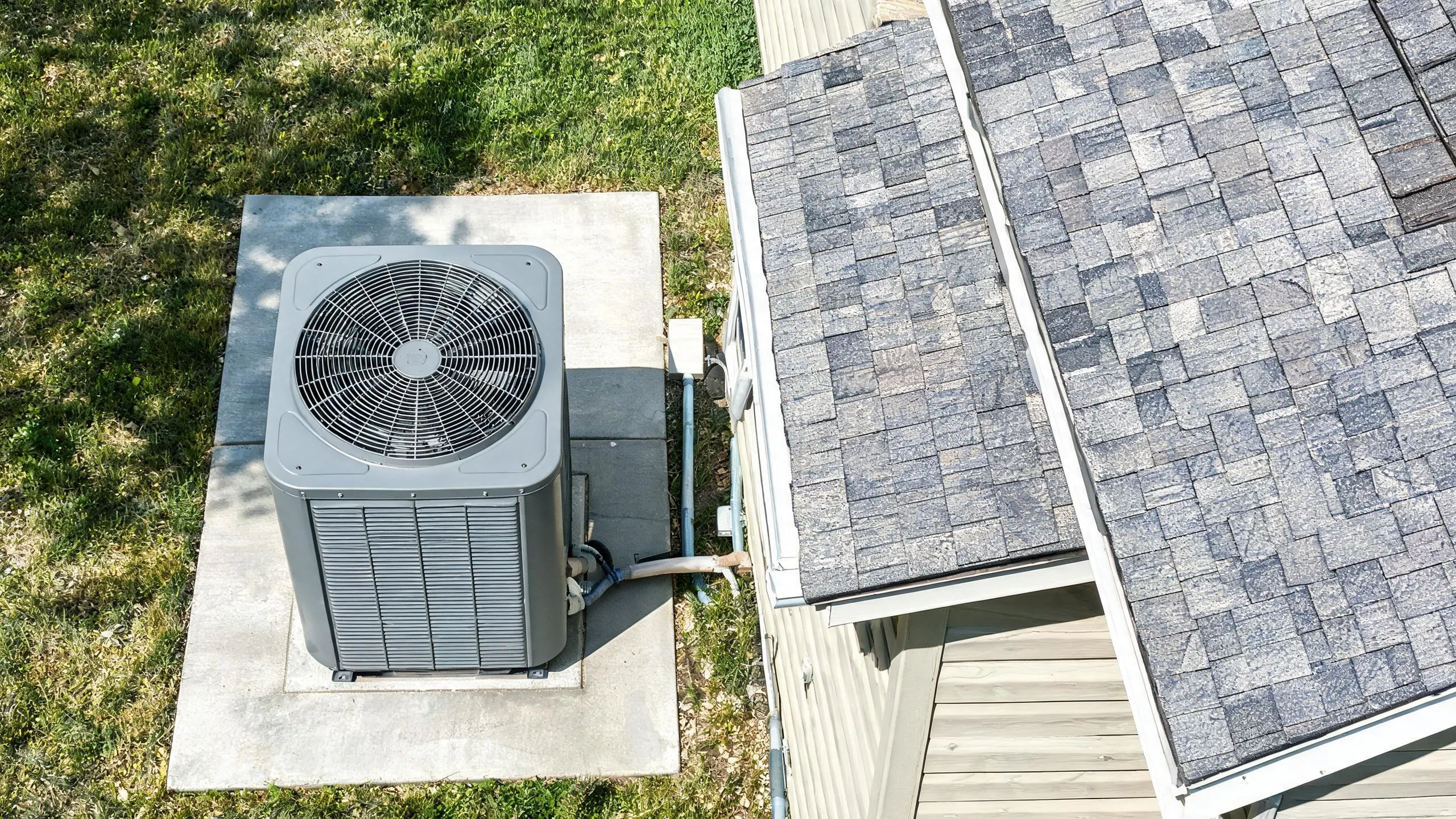
Hail and wind are regular visitors here
Ector County logged 137 hail events and 71 damaging wind events in the last ten years. An outdoor AC unit sits outside through all of it, exposed to whatever comes down.
Takes about a minute. No obligation.
Ector County logged 137 hail events and 71 damaging wind events in the last ten years. An outdoor AC unit sits outside through all of it, exposed to whatever comes down.
Bent fins or a dinged fan blade do not always stop a system from cooling. If your unit has been through a hailstorm or high wind, it is worth having someone look even if the air is still coming out cold.
NOAA nClimDiv, 1991–2020 normals
A dirty condenser coil can't shed heat the way it should.
The compressor works harder to make up for it, and that's usually what fails first.




Cooling starts here in May, so April is the month to get the unit looked at. A system that sat idle all winter shows its weak points as soon as it has to run hard, and the first real stretch of heat is exactly when that happens. A capacitor that was already fading often won't make it through the first week. Getting it checked in April means a weak part gets found before the season starts, not after it's already struggling to keep up.
If your AC took a hit this season and nobody has looked at it since, that is the thing to get out of the way now. A unit can run fine for weeks after a storm and still have a bent fin or a cracked line working against it.
Find a contractorFive months of afternoons near 95 degrees is a long stretch for any system to run flat out. When a breakdown happens on a schedule like that, the cause is rarely one bad part out of nowhere. It's heat load finding whatever was already weak. That's why it's worth having the whole system checked, not just the part that quit. Fix only what failed, and the next hot stretch finds the next weak part.
Make sure it's set to cool and the temperature is actually below room temperature. Then check the breaker box for the AC and furnace, since a tripped breaker is a quick thing to rule out before assuming the worst.
Pull the filter and hold it to the light. If you can't see through it, air isn't getting through either, and that alone can make a system struggle. Outside, clear away leaves, grass clippings or anything blocking the unit, and look for ice on the lines, which usually means stop running it until someone checks the charge.
Estimates for a typical Ector County home, compared with an older unit built to the previous federal minimum, from EIA household energy data, Texas fuel prices and NOAA climate normals. Your home will differ.
Repair makes sense when a part like a capacitor or contactor has failed.
Replacement makes sense when the compressor has failed or the system uses R-22 refrigerant, which is no longer made.
A diagnostic starts with the complaint, not the unit. The tech wants to know what it's doing, when it started, and whether it's blowing warm air, not cooling enough, or not running at all. From there it's gauges on the lines to check refrigerant pressure, a clamp meter on the compressor and fan motor to see if they're pulling the right amperage, and a look at the capacitor, since a weak one often tests fine sitting still but fails under load. The coils get checked too, both outside and in, because a dirty coil can mimic a low charge. Electrical connections get a look, since a loose wire or a corroded contactor causes the same symptoms as a failing part. Most of this gets done before anything is replaced, because guessing at a fix without the gauges and the meter usually means paying for a part that wasn't the problem.