


Texas Cooling Help
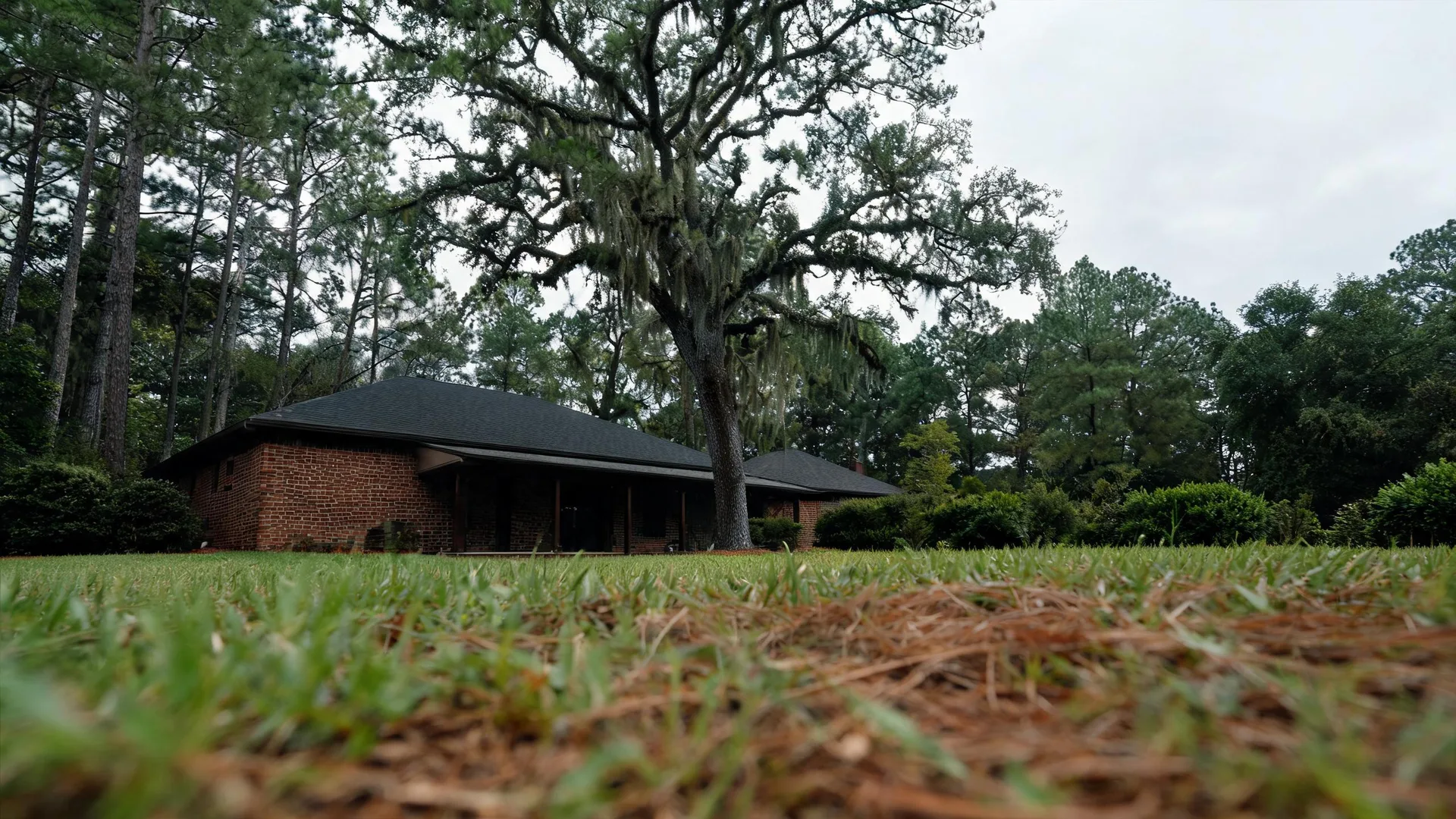
Low ground-level view across a lawn toward a single-story brick house with a dark shingled roof, framed by a large moss-draped oak and tall pine trees under an overcast sky.

AC Repair in Tyler, TX

Tell us about the job

Takes about a minute. No obligation.

Step 1 of 3: Equipment

AC here runs from May through October, with afternoon highs averaging 93°F through June, July and August. That's six months of the compressor and fan motor working near their limit just to hold the house at a normal temperature. Smith County also sees its share of damaging wind and hail, and an outdoor unit sitting through that takes a beating on top of the heat. None of that means a system is doomed, but it does mean parts wear down sooner than the manual says they should. When something starts acting up, it's worth finding the actual cause rather than guessing.

6 months
May through October, your air conditioner is on duty
93°F
the average summer afternoon it cools against
107 hail events
in ten years, and hail bends the fins on outdoor coils
148 wind events
in ten years, and wind drives debris into outdoor units
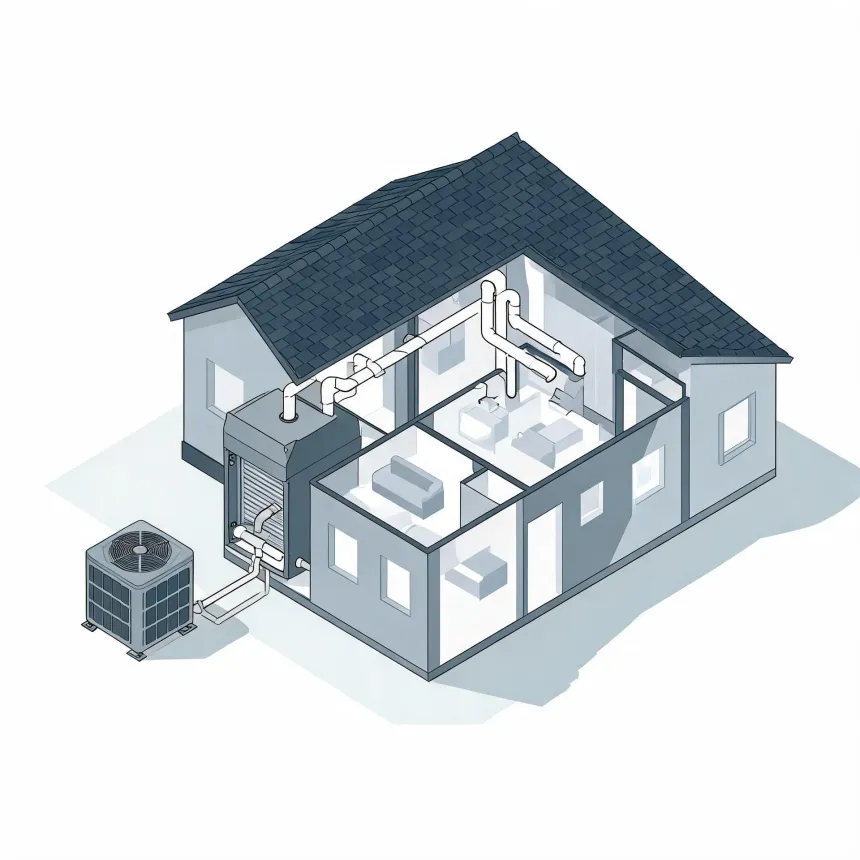
Isometric illustration of a cutaway single-story house showing interior rooms, ductwork running from an indoor air handler, and an outdoor condenser unit on a pad beside the building.
Your air conditioner works hardest from June through September.

NOAA nClimDiv, 1991–2020 normals

Half the homes in Smith County were built in 1986 or later.

A system that came with a newer house still has years built into it, even with the heat and storms working against it, so a repair call is the right first step.

A broken AC costs more to ignore here than somewhere else

Power costs 14.94 cents a kWh statewide
Cooling runs May through October
Summer afternoons average 93°F

April is when it's worth having someone look at a system before cooling starts in May. A unit that sat idle since October doesn't show its problems until it's asked to run for hours at a stretch, and here that happens fast. Smith County hits six months of cooling, so the first real hot stretch in May puts load on a capacitor or contactor that may have already weakened over the winter. That's usually when a part that was barely hanging on finally gives out. Catching it in April means a repair instead of a breakdown in the first heat wave.

Get it diagnosed properly

Your air conditioner works hard here, and that's usually what's behind the problem. Have it diagnosed properly so the fix lasts.

Find a contractor
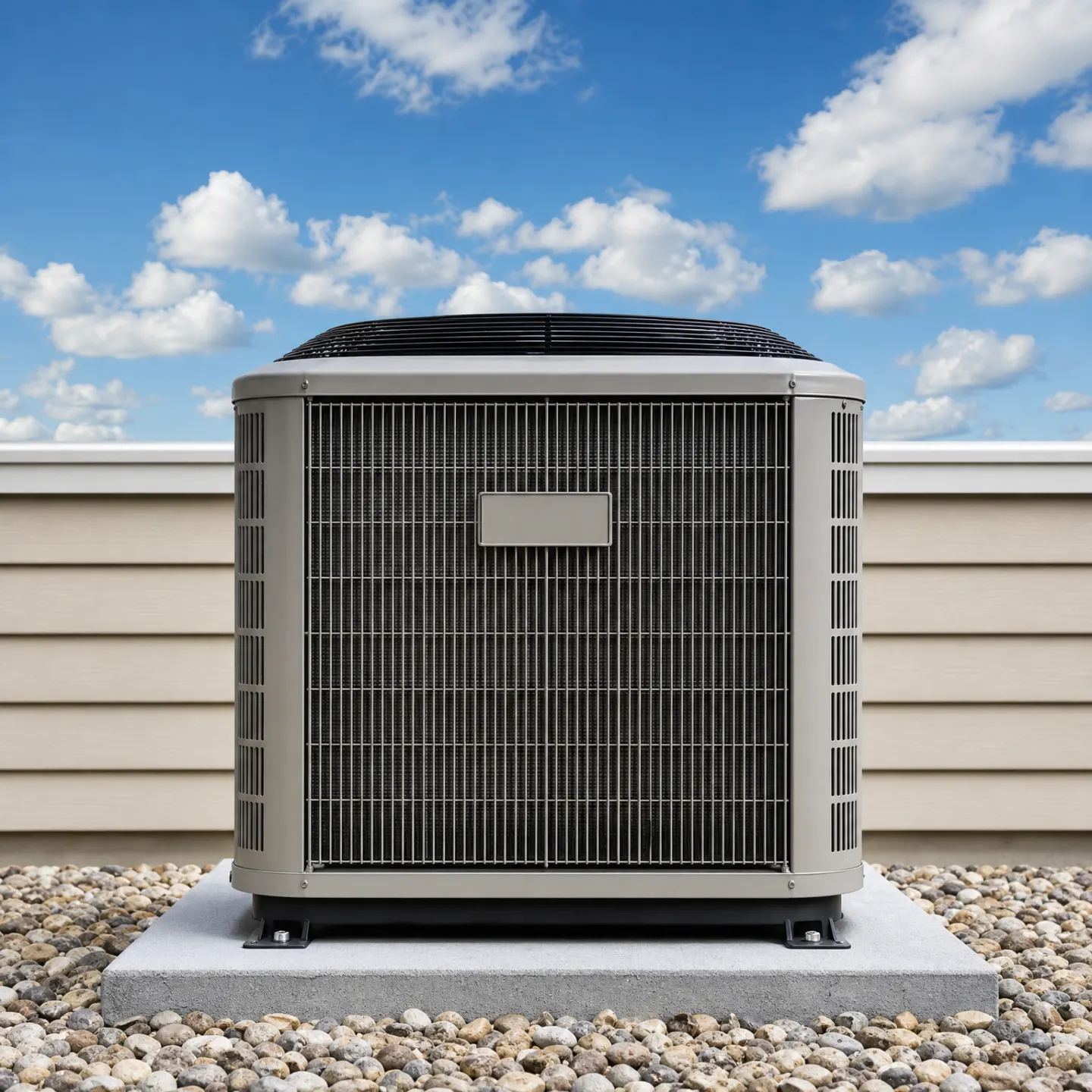
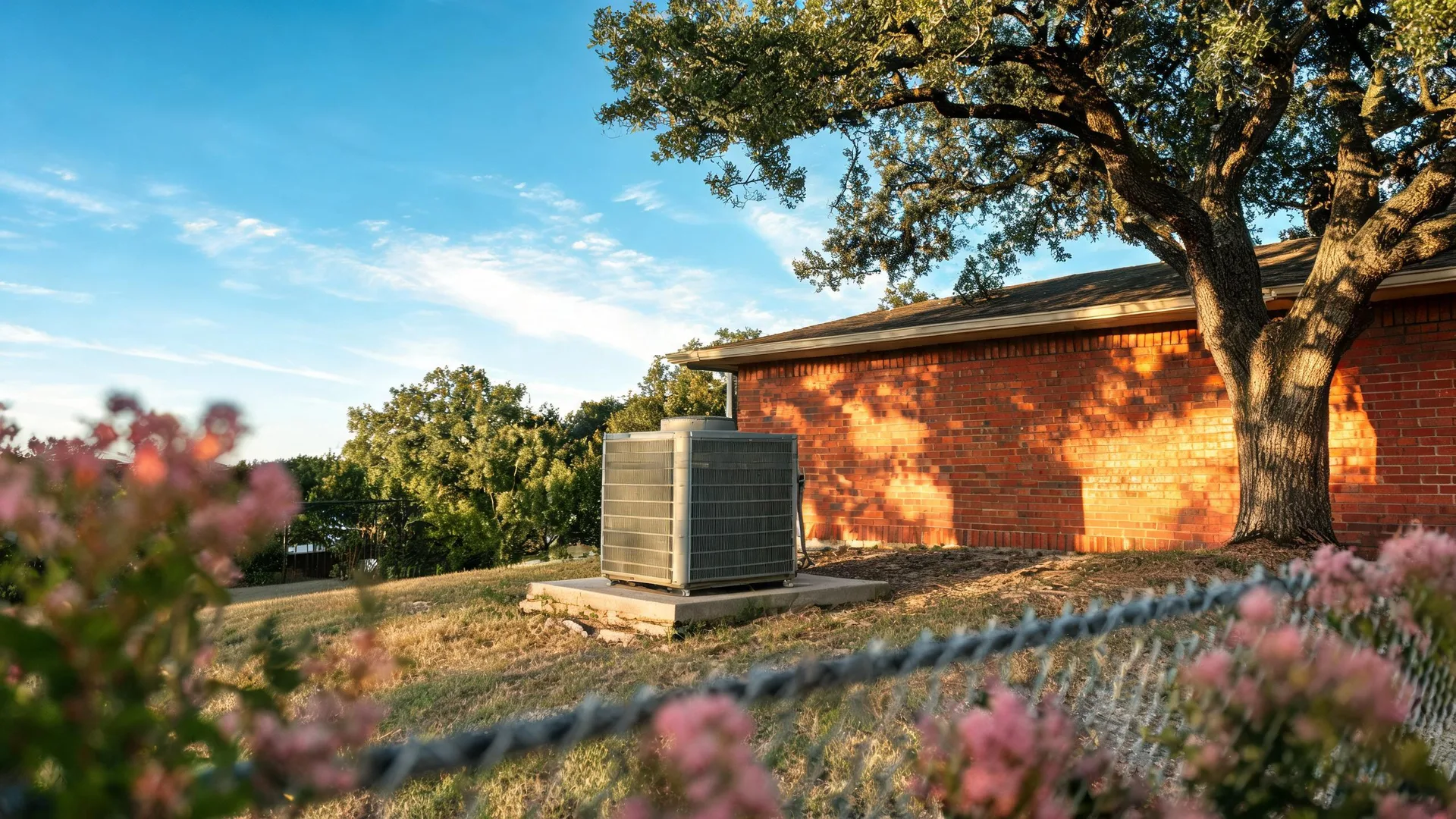
An outdoor residential air conditioning condenser unit mounted on a concrete pad, surrounded by gravel with a blue sky in the background.

Six months of hard running wears specific parts, not the whole system at once

Six months of near-100 degree afternoons is the baseline wear here. Wind and hail add damage on top of that, in the same years, on the same unit. When a system starts acting up mid-summer, that combination is usually why. A diagnosis should look for which part gave out first, not just reset what's in front of it. That's what makes the repair hold through the rest of the season instead of calling someone back out in August.

What you can check yourself

Look at the outdoor unit and clear away any leaves, grass clippings or debris stuck against the coil. Check the air filter and replace it if it's gray with dust. Make sure the thermostat is set to cool and the batteries aren't dead. Go to the breaker panel and confirm the AC breaker hasn't tripped. These take a few minutes and sometimes the fix really is that simple.
What to leave alone

If the outdoor fan isn't spinning, the unit is making a grinding or clicking noise, or there's ice on the refrigerant lines, stop there. Opening the cabinet or touching electrical connections on a system that's still live is how people get hurt or turn a repair into a replacement. A capacitor holds a charge even with the power off. That part of the job is for someone with the right tools and training.

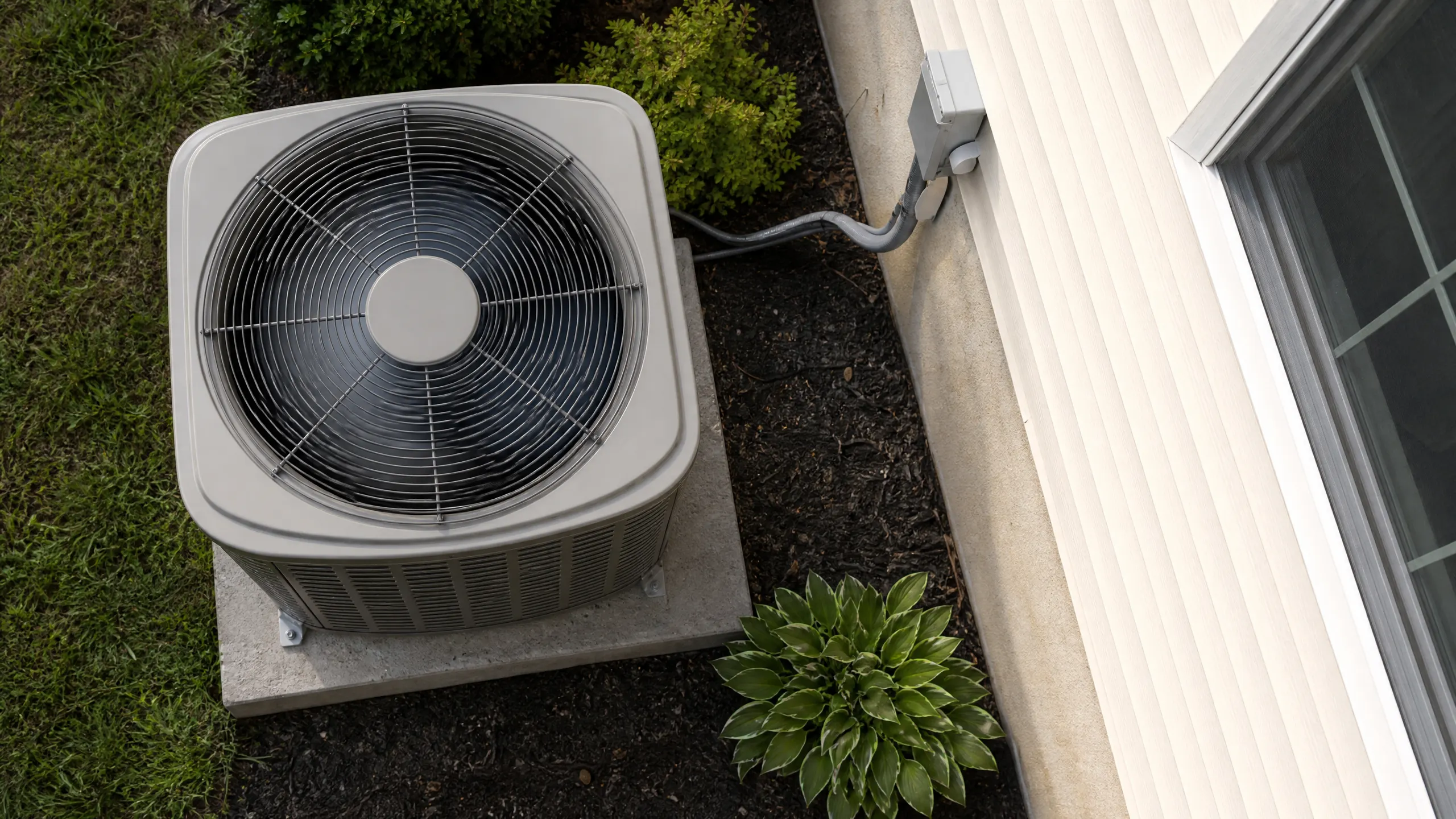
An overhead view of a residential air conditioning condenser unit mounted on a concrete pad next to a house with vinyl siding.

A new air conditioner would cut about $60 a year off cooling for a typical Smith County home.

  • A new one at the federal minimum, 14.3 SEER2$440 a year
  • An older air conditioner$500 a year

Estimates for a typical Smith County home, compared with an older unit built to the previous federal minimum, from EIA household energy data, Texas fuel prices and NOAA climate normals. Your home will differ.

Repair makes sense when a part like a capacitor or contactor has failed.

Replacement makes sense when the compressor has failed or the system uses R-22 refrigerant, which is no longer made.

A diagnostic call starts outside at the unit itself, not with a clipboard guess. The tech checks the capacitor and contactor first, since those take the brunt of every startup cycle and fail the most. From there it's refrigerant pressure, checking the charge against what the system is supposed to carry, because too little or too much both cause the same warm-air complaint. The condenser coil gets checked for airflow and the indoor coil for ice, since a frozen coil can come from a dirty filter, a weak blower, or a low charge, and those call for different fixes. Electrical connections get checked for corrosion or loose wiring, especially on a unit that's taken on wind-driven rain. The goal is to find which part failed first, since replacing the wrong one means the real problem is still sitting there waiting to shut the system down again.