




Texas Cooling Help
Single-story brick ranch houses with lit garages and large oak trees along a residential street at dusk.

AC Repair in San Marcos, TX

Tell us about the job

Takes about a minute. No obligation.

Step 1 of 3: Equipment

San Marcos runs the AC from April through October, seven months out of the year. That's most of the calendar, not just a stretch of summer. June through August, the afternoon high averages 94 degrees, so the system isn't just running long, it's running against hard conditions almost every one of those days. A capacitor, a contactor, a fan motor, all of them age faster when the unit barely gets to shut off. If something's acting up now, that's usually why. Getting it diagnosed properly matters when the system works this hard for this much of the year.

7 months
April through October, your air conditioner is on duty
94°F
the average summer afternoon it cools against
59 hail events
in ten years, and hail bends the fins on outdoor coils
36 wind events
in ten years, and wind drives debris into outdoor units
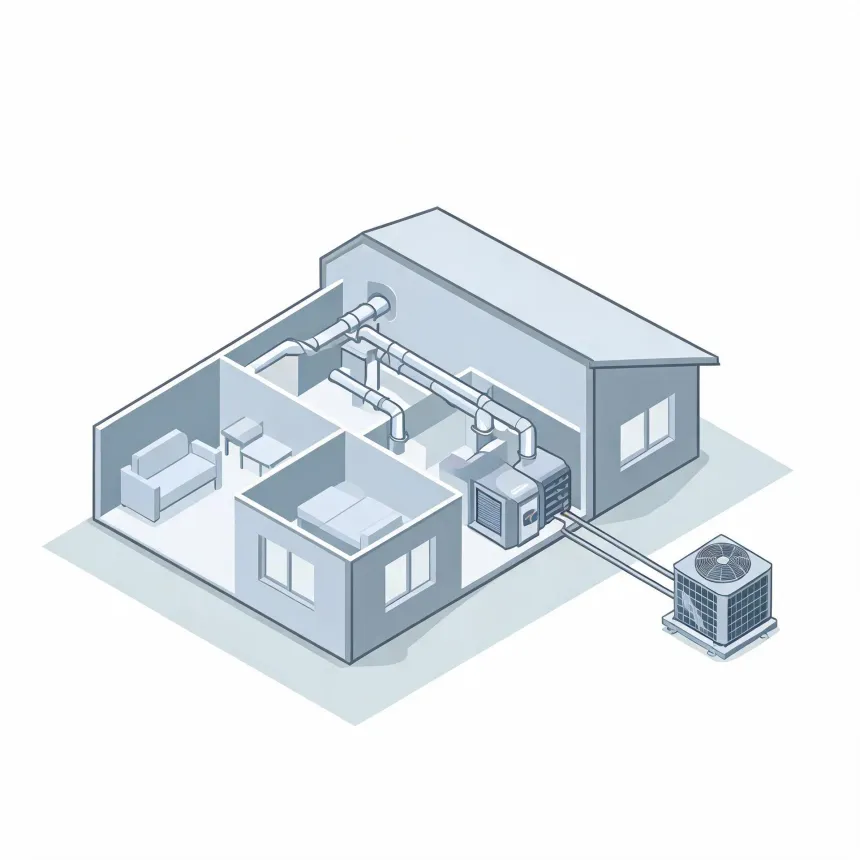
Isometric line illustration of a cutaway house showing interior rooms with furniture, ductwork leading to an indoor air handler, and an outdoor condenser unit connected by a line set.
Your air conditioner works hardest from May through September.

NOAA nClimDiv, 1991–2020 normals

Hays County logged 59 hail events and 36 damaging wind events in the past decade.

If your outdoor unit took a hit, get it checked even if the AC still runs.

Half the homes here were built in 2007 or later, and that's good news for your system

Half the homes here were built by 2007
Cooling runs April through October
Summer afternoons average 94°F
Running the AC here costs moreTexas households paid 14.94 cents per kilowatt-hour in 2024.

March is worth paying attention to here. Cooling starts in April, so whatever's already weak in your system has one month left before it's running every day. A capacitor that's been limping along, a contactor with pitted contacts, a fan motor that's been noisy since last fall, these tend to fail in the first real stretch of hot weather, not in the middle of it. If your AC struggled at the end of last season, that problem didn't fix itself over the winter. Getting it looked at in March means it gets handled before the heat sets in, not after.

Have it diagnosed, not guessed at

Whatever's wrong with your AC right now, it got there by running against 94 degree afternoons for months at a time. A proper diagnosis finds the actual part at fault instead of guessing, so the fix holds for the rest of the season.

Find a contractor
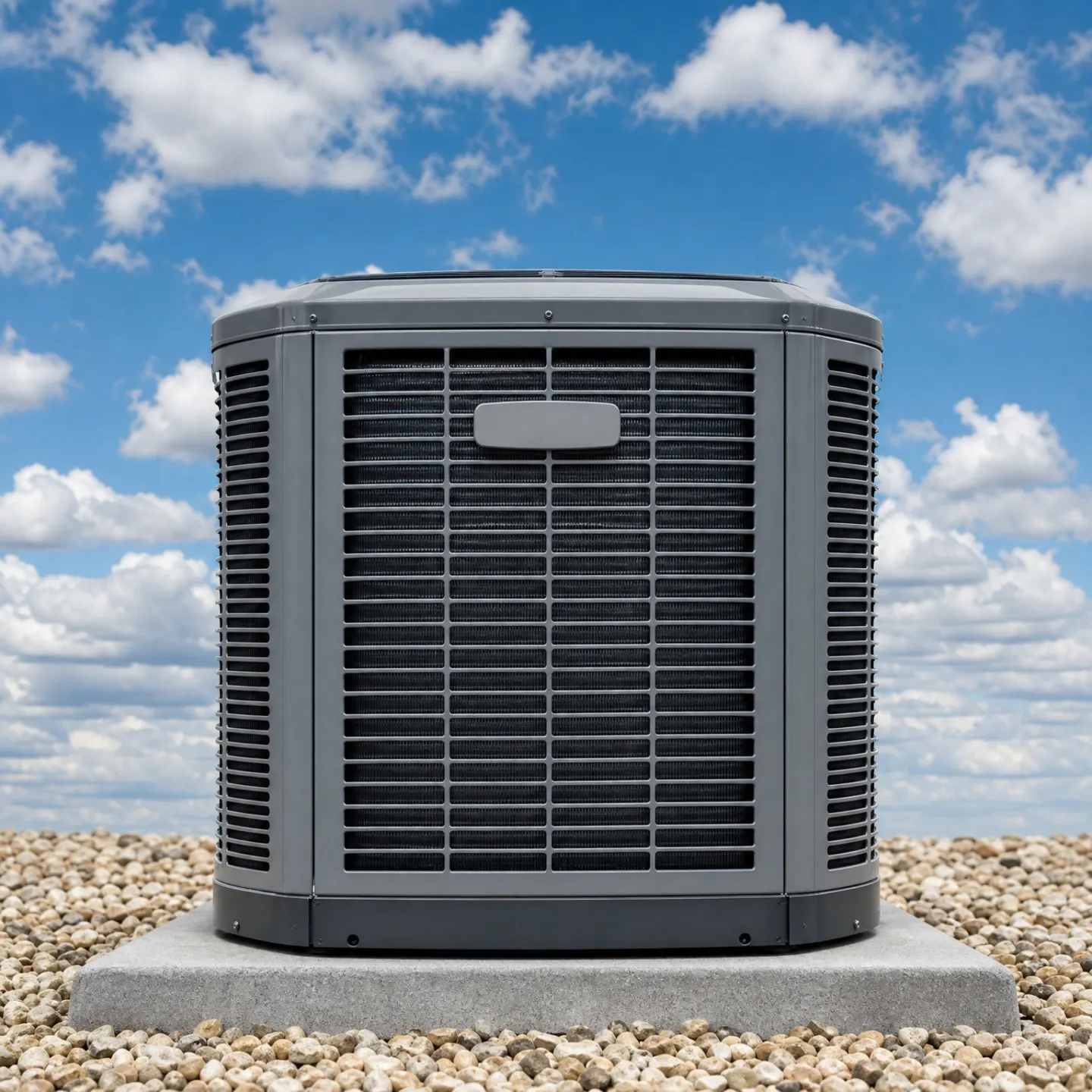
An outdoor air conditioning condenser unit mounted on a concrete pad surrounded by gravel, photographed against a partly cloudy blue sky.

A newer system is worth fixing

If your system came with the house and the house is newer, repair is the way to go before replacement crosses your mind. A capacitor or contactor failing in a system that's only a few years into its life isn't a sign the unit is done, it's just the part that gave out first. Get the actual part named and swapped.

What you'll notice first

The AC runs longer to reach the same temperature, or it stops reaching it at all. Warm air out of the vents. Short cycles where it kicks off a few minutes after starting. A smell when it kicks on. A rattle or squeal that wasn't there before. None of these fix themselves. Each one points to a specific part, a failing capacitor, a dirty coil, a fan motor on its way out.
Why it's worth a call now, not later

A system that's struggling still runs, which makes it easy to put off. A weak capacitor or a clogged coil makes the compressor work harder every time it starts. That strain adds up each time the system cycles. Catching the small failure early usually means swapping one part instead of dealing with a compressor that's already given out.

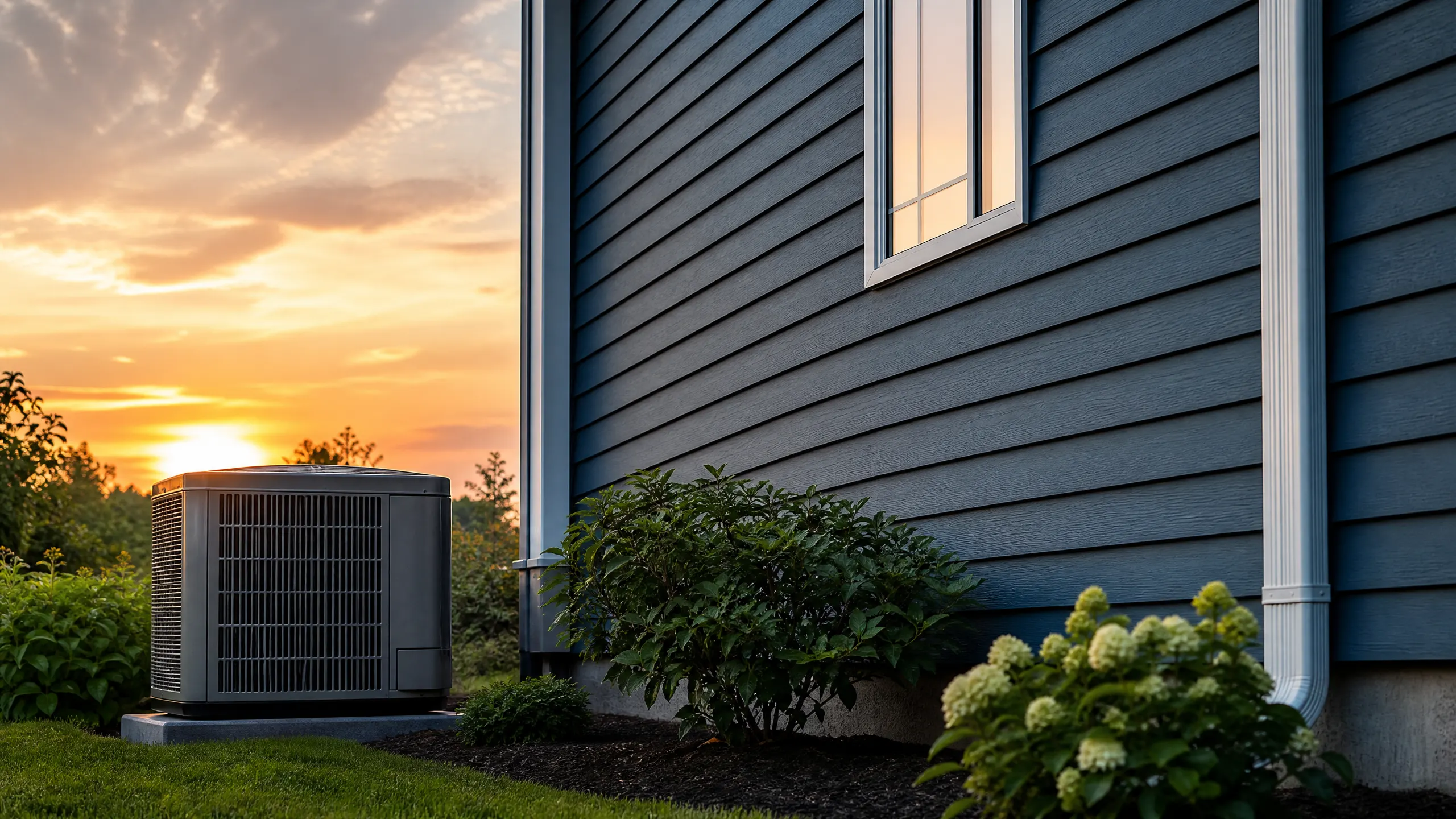
An outdoor air conditioning condenser unit positioned on a concrete pad next to a blue-sided house, surrounded by green shrubs and flowering hydrangeas at sunset.

A new air conditioner would cut about $80 a year off cooling for a typical Hays County home.

  • A new one at the federal minimum, 14.3 SEER2$510 a year
  • An older air conditioner$590 a year

Estimates for a typical Hays County home, compared with an older unit built to the previous federal minimum, from EIA household energy data, Texas fuel prices and NOAA climate normals. Your home will differ.

Repair makes sense when a part like a capacitor or contactor has failed.

Replacement makes sense when the compressor has failed or the system uses R-22 refrigerant, which is no longer made.

A repair is worth doing when the part that failed is a part on its own, a capacitor, a contactor, a fan motor, something that gave out on its own schedule and doesn't say anything about the rest of the system. Swap that part and the unit runs like it did before. Replacement starts to make sense when the compressor is the thing failing, because the compressor is what the rest of the system is built around. Age matters less than what's actually failing. A unit that's been reliable for years and throws one bad capacitor isn't a unit on its way out, it's a unit that needs that capacitor replaced. What changes the math is repairs stacking up close together. That pattern means the parts around the one that just failed are wearing out too, and it's worth asking a contractor to look at the whole system rather than just the part in front of them.