


Texas Cooling Help
Two single-story brick suburban houses with attached garages and mature trees, photographed at night under a dark blue sky.

AC Repair in San Antonio, TX

Tell us about the job

Takes about a minute. No obligation.

Step 1 of 3: Equipment

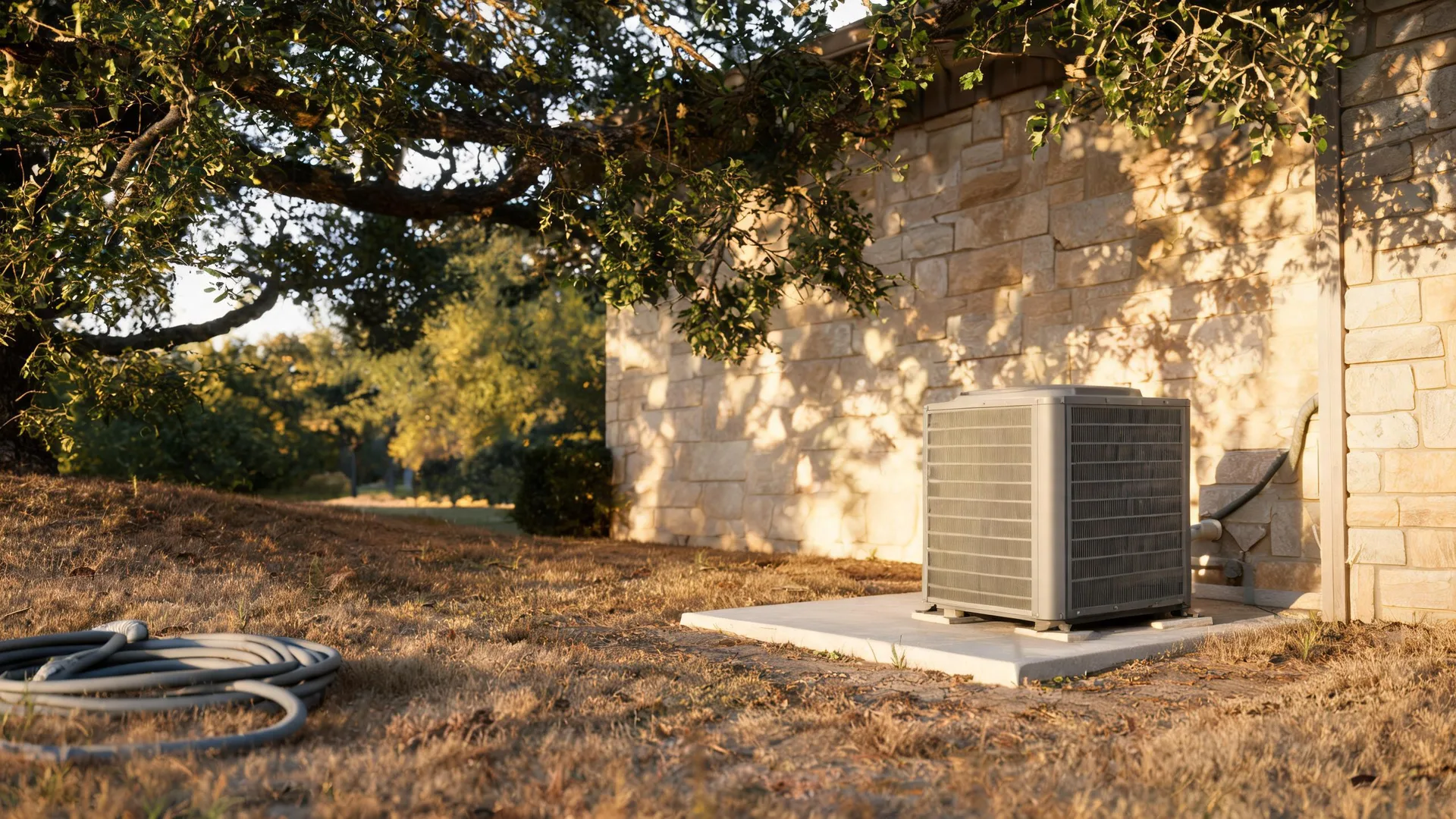
Bexar County logged 268 hail events between 2015 and 2024. Your condenser sits outside through all of it, and hail dents the fins while wind drives debris straight into the coil. A unit can take that kind of hit and still run, at least for a while, so a bent coil or a cracked fan blade doesn't always announce itself right away. If a storm just came through, it's worth having someone look at the outdoor unit even if the air is still blowing cold.

7 months
April through October, your air conditioner is on duty
95°F
the average summer afternoon it cools against
268 hail events
in ten years, and hail bends the fins on outdoor coils
104 wind events
in ten years, and wind drives debris into outdoor units
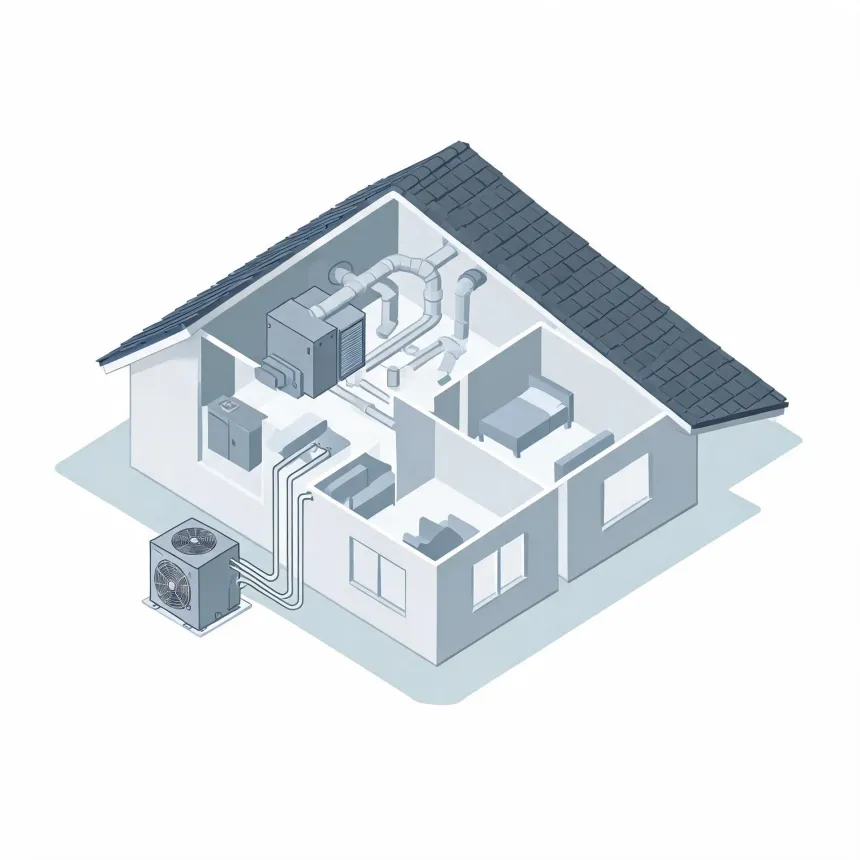
Isometric cutaway illustration of a single-story house showing interior rooms, ductwork and an air handler in the attic space, and an outdoor condenser unit connected by lines at the exterior wall.
Your air conditioner works hardest from May through September.

NOAA nClimDiv, 1991–2020 normals

A dirty condenser coil makes the compressor work harder to push heat outside.

Keep debris and grass clippings away from the outdoor unit and the compressor lasts longer.

Texas power costs 14.94 cents a kWh, and a struggling AC runs April through October in 95-degree afternoons

Power costs 14.94 cents a kWh statewide
Cooling runs April through October
Summer afternoons average 95°F

Half the homes in Bexar County were built in 1990 or later. If your house falls on that side of the line, your AC is more likely a newer system than an old one running on borrowed time. That matters when something breaks. A compressor or control board failing on a unit with plenty of working life ahead is usually worth fixing rather than replacing outright. Check what came with the house if you're not sure how old the system is.

Get it fixed before April asks more of it

March is the month before cooling starts here. Whatever's already wrong with your AC now, April's heat will find it fast, and that first stretch of the season is when weak parts tend to give out under the load. Getting it looked at before then means it's working the day you need it.

Find a contractor
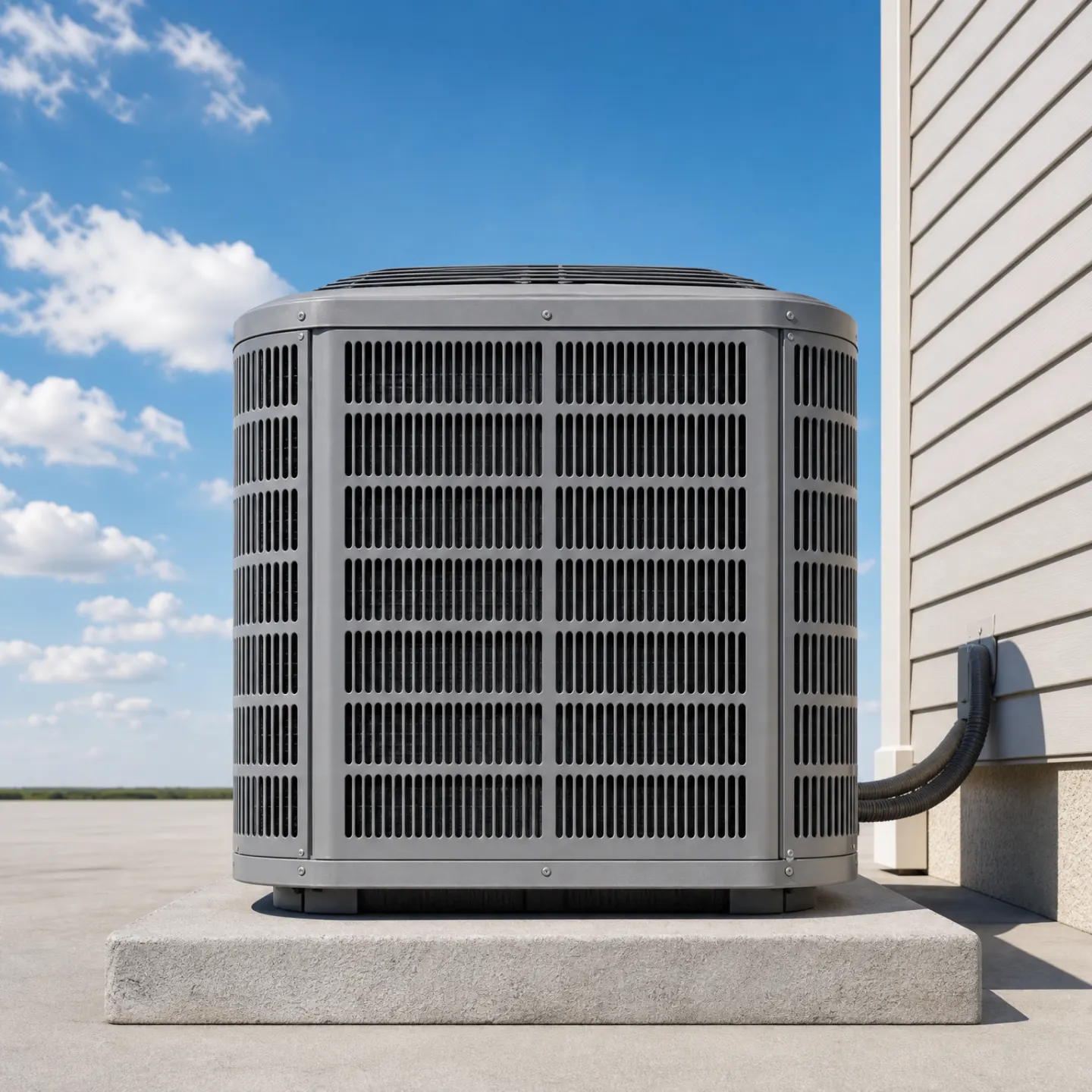
A gray cylindrical air conditioning condenser unit mounted on a concrete pad next to a light-colored vinyl-sided house exterior.

Months of steady running wears parts down, not all at once

An AC that runs for months straight wears in a particular way. The compressor cycles on and off thousands of times over a season. Every one of those starts puts a small jolt through the capacitor that kicks the compressor into motion. Capacitors weaken gradually. You might hear the outdoor unit humming without starting, or notice the fan spinning slower than it used to, or the system taking a couple tries before it kicks on. Long runtimes also give the refrigerant lines and electrical connections more time to work loose or chafe through. A system that ran fine the first weeks of the season can develop a refrigerant leak or a failing contactor well before it ends. None of this means the machine is worn out. It means the weak points show up under steady load, and they tend to show up later in the season rather than at the start.

Check the thermostat and the filter first

Set the thermostat below room temperature and listen for the outdoor unit to kick on. If nothing happens, check the batteries before anything else. Then pull the filter and hold it up to a light. If you can't see through it, swap it out. A clogged filter starves the system of airflow and can make a working AC act like a broken one.
Know what's worth a look before the tech arrives

Check the breaker panel if the system won't start at all, since a tripped breaker is a quick fix you can rule out yourself. Look at the outdoor unit for ice on the lines or the coil, and if you see ice, shut the system off and let it thaw rather than running it. Ice on the lines points to a refrigerant or airflow problem that a filter swap won't solve.

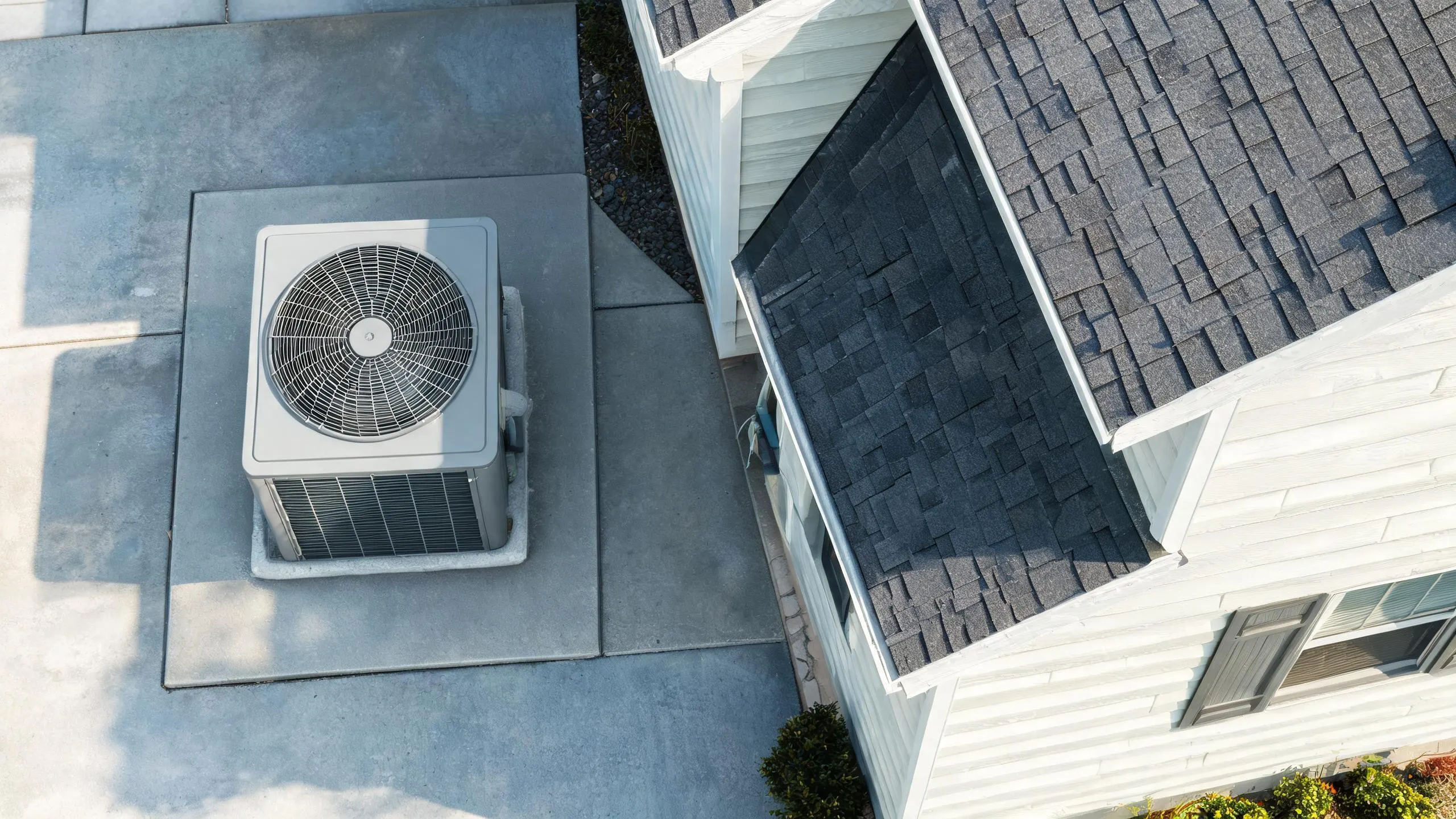
Overhead view of an outdoor AC condenser unit on a concrete pad next to a house with a dark shingle roof.

A new air conditioner would cut about $80 a year off cooling for a typical Bexar County home.

  • A new one at the federal minimum, 14.3 SEER2$560 a year
  • An older air conditioner$640 a year

Estimates for a typical Bexar County home, compared with an older unit built to the previous federal minimum, from EIA household energy data, Texas fuel prices and NOAA climate normals. Your home will differ.

Repair makes sense when a part like a capacitor or contactor has failed.

Replacement makes sense when the compressor has failed or the system uses R-22 refrigerant, which is no longer made.

When a tech comes out for a repair, the real question is what else on that unit is close to failing too. A compressor is the expensive part to replace, and one that fails on a system still under warranty is a simple swap. One that fails alongside a coil that's corroding or a capacitor that's already been replaced is a different situation, because fixing the compressor alone doesn't buy much if the next part is already on its way out. Ask the tech what else on the unit looks worn while they're already out there. A straight answer about what's likely to go next is worth more than a quote for the one repair in front of you.